
Research on Regulations Affecting Solid State Battery Breakthrough
OCT 24, 20259 MIN READ
Generate Your Research Report Instantly with AI Agent
Patsnap Eureka helps you evaluate technical feasibility & market potential.
Solid State Battery Regulatory Landscape and Development Goals
Solid state batteries represent a significant advancement in energy storage technology, with the potential to revolutionize multiple industries from electric vehicles to consumer electronics. The regulatory landscape surrounding this technology is complex and evolving, reflecting both the promising opportunities and potential risks associated with these next-generation batteries.
The development of solid state batteries has been ongoing for several decades, with initial research focusing on fundamental materials science challenges. However, recent breakthroughs in electrolyte materials and manufacturing processes have accelerated interest and investment in this technology. The historical trajectory shows a clear evolution from laboratory curiosities to commercially viable products, with regulatory frameworks struggling to keep pace with technological innovation.
Current regulatory approaches vary significantly across different regions. In the European Union, the Battery Directive and REACH regulations provide the primary framework, with recent amendments specifically addressing advanced battery technologies. The EU's Green Deal and Circular Economy Action Plan further influence the regulatory environment, emphasizing sustainability and recycling requirements. In North America, regulations are more fragmented, with federal safety standards from agencies like the Department of Transportation and Consumer Product Safety Commission complemented by state-level initiatives, particularly in California.
Asian markets present another regulatory paradigm, with Japan and South Korea implementing technology-specific frameworks that actively support solid state battery development while maintaining safety standards. China's approach combines aggressive technology development goals with evolving safety regulations, creating a unique regulatory ecosystem that has accelerated commercialization efforts.
The primary regulatory concerns across all jurisdictions include safety standards for thermal stability and short-circuit prevention, transportation regulations for batteries containing novel materials, manufacturing process controls, and end-of-life management requirements. These concerns directly impact development timelines and commercialization strategies for solid state battery technologies.
Looking forward, the technical goals for solid state battery development include achieving energy densities exceeding 500 Wh/kg, cycle life beyond 1,000 full cycles, operation across wider temperature ranges (-40°C to 80°C), and significant cost reductions to below $100/kWh. These ambitious targets must be achieved while simultaneously meeting increasingly stringent regulatory requirements for safety, sustainability, and recyclability.
The regulatory landscape will continue to evolve as the technology matures, with harmonization efforts underway through international standards organizations like ISO and IEC. These efforts aim to create consistent global frameworks that balance innovation with safety and environmental protection, ultimately enabling the widespread adoption of solid state battery technology across multiple applications and markets.
The development of solid state batteries has been ongoing for several decades, with initial research focusing on fundamental materials science challenges. However, recent breakthroughs in electrolyte materials and manufacturing processes have accelerated interest and investment in this technology. The historical trajectory shows a clear evolution from laboratory curiosities to commercially viable products, with regulatory frameworks struggling to keep pace with technological innovation.
Current regulatory approaches vary significantly across different regions. In the European Union, the Battery Directive and REACH regulations provide the primary framework, with recent amendments specifically addressing advanced battery technologies. The EU's Green Deal and Circular Economy Action Plan further influence the regulatory environment, emphasizing sustainability and recycling requirements. In North America, regulations are more fragmented, with federal safety standards from agencies like the Department of Transportation and Consumer Product Safety Commission complemented by state-level initiatives, particularly in California.
Asian markets present another regulatory paradigm, with Japan and South Korea implementing technology-specific frameworks that actively support solid state battery development while maintaining safety standards. China's approach combines aggressive technology development goals with evolving safety regulations, creating a unique regulatory ecosystem that has accelerated commercialization efforts.
The primary regulatory concerns across all jurisdictions include safety standards for thermal stability and short-circuit prevention, transportation regulations for batteries containing novel materials, manufacturing process controls, and end-of-life management requirements. These concerns directly impact development timelines and commercialization strategies for solid state battery technologies.
Looking forward, the technical goals for solid state battery development include achieving energy densities exceeding 500 Wh/kg, cycle life beyond 1,000 full cycles, operation across wider temperature ranges (-40°C to 80°C), and significant cost reductions to below $100/kWh. These ambitious targets must be achieved while simultaneously meeting increasingly stringent regulatory requirements for safety, sustainability, and recyclability.
The regulatory landscape will continue to evolve as the technology matures, with harmonization efforts underway through international standards organizations like ISO and IEC. These efforts aim to create consistent global frameworks that balance innovation with safety and environmental protection, ultimately enabling the widespread adoption of solid state battery technology across multiple applications and markets.
Market Demand Analysis for Solid State Battery Technologies
The global market for solid-state battery technologies is experiencing unprecedented growth, driven by increasing demand for safer, higher-capacity energy storage solutions across multiple industries. Current market projections indicate that the solid-state battery market could reach $8 billion by 2026, with a compound annual growth rate exceeding 34% between 2021 and 2026. This remarkable growth trajectory reflects the significant advantages these batteries offer over conventional lithium-ion technologies.
Electric vehicle manufacturers represent the primary demand driver, as they seek battery solutions that address range anxiety, charging speed limitations, and safety concerns associated with conventional batteries. Major automotive companies including Toyota, Volkswagen, and BMW have announced substantial investments in solid-state battery development, recognizing this technology as critical to their electrification strategies. The automotive sector alone is expected to account for approximately 40% of the total solid-state battery market by 2025.
Consumer electronics manufacturers constitute another significant market segment, seeking higher energy density and improved safety profiles for smartphones, laptops, and wearable devices. Apple, Samsung, and other major electronics companies have filed numerous patents related to solid-state battery integration, indicating strong interest in commercializing this technology for portable devices.
The renewable energy sector presents an emerging opportunity for solid-state batteries, particularly in grid storage applications where safety and longevity are paramount concerns. As renewable energy generation continues to expand globally, the need for advanced storage solutions grows proportionally, creating additional market pull for solid-state technologies.
Regulatory trends are significantly influencing market demand dynamics. Increasingly stringent safety regulations for lithium-ion batteries, particularly following high-profile thermal runaway incidents, have accelerated interest in solid-state alternatives. Additionally, environmental regulations targeting reduced carbon emissions are driving demand for more efficient energy storage solutions throughout the supply chain.
Regional analysis reveals that Asia-Pacific currently leads in solid-state battery development and manufacturing capacity, with Japan and South Korea at the forefront. However, both North America and Europe are rapidly expanding their capabilities through substantial government funding initiatives and public-private partnerships focused on battery innovation.
Market barriers include high production costs, scalability challenges, and technical hurdles related to interface stability and conductivity at room temperature. Despite these obstacles, the convergence of regulatory pressure, technological advancement, and strong market pull suggests solid-state battery technologies will continue to experience robust demand growth across multiple sectors in the coming decade.
Electric vehicle manufacturers represent the primary demand driver, as they seek battery solutions that address range anxiety, charging speed limitations, and safety concerns associated with conventional batteries. Major automotive companies including Toyota, Volkswagen, and BMW have announced substantial investments in solid-state battery development, recognizing this technology as critical to their electrification strategies. The automotive sector alone is expected to account for approximately 40% of the total solid-state battery market by 2025.
Consumer electronics manufacturers constitute another significant market segment, seeking higher energy density and improved safety profiles for smartphones, laptops, and wearable devices. Apple, Samsung, and other major electronics companies have filed numerous patents related to solid-state battery integration, indicating strong interest in commercializing this technology for portable devices.
The renewable energy sector presents an emerging opportunity for solid-state batteries, particularly in grid storage applications where safety and longevity are paramount concerns. As renewable energy generation continues to expand globally, the need for advanced storage solutions grows proportionally, creating additional market pull for solid-state technologies.
Regulatory trends are significantly influencing market demand dynamics. Increasingly stringent safety regulations for lithium-ion batteries, particularly following high-profile thermal runaway incidents, have accelerated interest in solid-state alternatives. Additionally, environmental regulations targeting reduced carbon emissions are driving demand for more efficient energy storage solutions throughout the supply chain.
Regional analysis reveals that Asia-Pacific currently leads in solid-state battery development and manufacturing capacity, with Japan and South Korea at the forefront. However, both North America and Europe are rapidly expanding their capabilities through substantial government funding initiatives and public-private partnerships focused on battery innovation.
Market barriers include high production costs, scalability challenges, and technical hurdles related to interface stability and conductivity at room temperature. Despite these obstacles, the convergence of regulatory pressure, technological advancement, and strong market pull suggests solid-state battery technologies will continue to experience robust demand growth across multiple sectors in the coming decade.
Global Regulatory Challenges and Technical Barriers
The global regulatory landscape for solid-state batteries presents a complex web of challenges that significantly impact technological breakthroughs in this field. Safety standards constitute the primary regulatory hurdle, with different regions implementing varying requirements for battery certification. In the United States, the UL 1642 and UL 2580 standards govern lithium battery safety, while the European Union applies the UN 38.3 transport regulations and IEC 62619 standards. These disparate frameworks create compliance complexities for manufacturers seeking global market access.
Material restrictions represent another significant barrier, particularly regarding critical minerals and hazardous substances. The EU's REACH regulation and Restriction of Hazardous Substances (RoHS) Directive limit the use of certain chemicals essential for solid-state battery production. Similarly, the U.S. has designated lithium as a critical mineral under Executive Order 13817, subjecting it to strategic resource management policies that may affect supply chains.
Intellectual property protection varies dramatically across jurisdictions, creating obstacles for technology transfer and commercialization. While the U.S. and Japan offer robust patent protection for battery innovations, emerging markets like China have different enforcement mechanisms that can complicate global R&D strategies and technology deployment.
Transportation regulations present additional challenges, as lithium-based batteries face strict shipping restrictions under international dangerous goods regulations (IATA DGR, IMDG Code). These regulations, while necessary for safety, increase logistical costs and complexity for manufacturers and may impede rapid scaling of production and distribution networks.
Environmental compliance requirements continue to evolve rapidly, with the EU's Battery Directive and upcoming Battery Regulation imposing increasingly stringent sustainability criteria. These include mandatory carbon footprint declarations, recycled content requirements, and extended producer responsibility obligations that affect the entire battery lifecycle.
Technical standardization remains fragmented globally, with competing standards from organizations like ISO, IEC, SAE, and regional bodies creating interoperability challenges. The lack of harmonized testing protocols for solid-state batteries specifically means that performance claims cannot be consistently verified across markets, hampering consumer confidence and industry development.
Market access barriers often manifest through certification requirements that vary by region. For instance, China's CCC certification, Europe's CE marking, and North America's UL listing represent different approval pathways that require separate testing and documentation, multiplying the resources needed for global commercialization of new battery technologies.
Material restrictions represent another significant barrier, particularly regarding critical minerals and hazardous substances. The EU's REACH regulation and Restriction of Hazardous Substances (RoHS) Directive limit the use of certain chemicals essential for solid-state battery production. Similarly, the U.S. has designated lithium as a critical mineral under Executive Order 13817, subjecting it to strategic resource management policies that may affect supply chains.
Intellectual property protection varies dramatically across jurisdictions, creating obstacles for technology transfer and commercialization. While the U.S. and Japan offer robust patent protection for battery innovations, emerging markets like China have different enforcement mechanisms that can complicate global R&D strategies and technology deployment.
Transportation regulations present additional challenges, as lithium-based batteries face strict shipping restrictions under international dangerous goods regulations (IATA DGR, IMDG Code). These regulations, while necessary for safety, increase logistical costs and complexity for manufacturers and may impede rapid scaling of production and distribution networks.
Environmental compliance requirements continue to evolve rapidly, with the EU's Battery Directive and upcoming Battery Regulation imposing increasingly stringent sustainability criteria. These include mandatory carbon footprint declarations, recycled content requirements, and extended producer responsibility obligations that affect the entire battery lifecycle.
Technical standardization remains fragmented globally, with competing standards from organizations like ISO, IEC, SAE, and regional bodies creating interoperability challenges. The lack of harmonized testing protocols for solid-state batteries specifically means that performance claims cannot be consistently verified across markets, hampering consumer confidence and industry development.
Market access barriers often manifest through certification requirements that vary by region. For instance, China's CCC certification, Europe's CE marking, and North America's UL listing represent different approval pathways that require separate testing and documentation, multiplying the resources needed for global commercialization of new battery technologies.
Current Regulatory Compliance Strategies and Solutions
01 Solid-state electrolyte materials and compositions
Solid-state batteries utilize various electrolyte materials to enable ion transport between electrodes without liquid components. These materials include ceramic electrolytes, polymer electrolytes, and composite electrolytes that combine different materials to optimize performance. The composition of these electrolytes is critical for achieving high ionic conductivity, mechanical stability, and electrochemical stability at the electrode interfaces, which directly impacts battery performance and safety.- Solid-state electrolyte compositions: Solid-state batteries utilize specialized electrolyte compositions that enable ion transport without liquid components. These electrolytes typically include ceramic materials, polymer matrices, or composite structures that provide high ionic conductivity while maintaining mechanical stability. Advanced formulations may incorporate sulfide-based, oxide-based, or phosphate-based materials that enhance lithium-ion transport while preventing dendrite formation, which is crucial for battery safety and longevity.
- Electrode-electrolyte interface engineering: The interface between electrodes and solid electrolytes represents a critical challenge in solid-state battery design. Engineering approaches focus on reducing interfacial resistance through surface modifications, buffer layers, and specialized coatings. These techniques improve contact between components and facilitate ion transfer across boundaries, enhancing overall battery performance and cycle life while minimizing capacity fade during operation.
- Manufacturing processes for solid-state batteries: Novel manufacturing techniques are essential for commercial viability of solid-state batteries. These include advanced deposition methods, sintering processes, and assembly techniques that ensure uniform component distribution and strong interfacial contacts. Cold sintering, tape casting, and pressure-assisted assembly methods help overcome challenges in creating defect-free, large-format cells while maintaining scalability for mass production.
- Composite and hybrid solid-state architectures: Hybrid and composite architectures combine different types of solid electrolytes or integrate polymer and ceramic components to leverage the advantages of multiple materials. These designs often feature gradient structures, multi-layer configurations, or interpenetrating networks that balance mechanical properties with ionic conductivity. Such approaches help overcome the inherent limitations of single-material systems while enhancing overall battery performance and safety.
- Anode and cathode materials for solid-state systems: Specialized electrode materials designed specifically for solid-state environments focus on volume management during cycling and compatibility with solid electrolytes. High-capacity silicon or lithium metal anodes require particular engineering to function effectively in solid-state configurations. Similarly, cathode materials may incorporate dopants or structural modifications to maintain intimate contact with the electrolyte and ensure efficient ion exchange throughout battery operation.
02 Interface engineering and electrode design
Interface engineering focuses on optimizing the contact between solid electrolytes and electrodes to reduce resistance and improve ion transfer. This includes developing specialized coatings, buffer layers, and gradient structures to mitigate interfacial issues. Advanced electrode designs incorporate architectures that maximize active material utilization while maintaining good mechanical contact with the electrolyte, addressing challenges related to volume changes during cycling and ensuring stable long-term performance.Expand Specific Solutions03 Manufacturing processes and scalability
Manufacturing techniques for solid-state batteries include dry pressing, tape casting, 3D printing, and various deposition methods to create thin, uniform layers with good interfacial contact. These processes must be optimized to ensure consistent quality while being scalable for mass production. Innovations in manufacturing address challenges such as layer thickness control, interface quality, and production efficiency to enable commercial viability of solid-state battery technology.Expand Specific Solutions04 Safety and thermal stability enhancements
Solid-state batteries offer inherent safety advantages over conventional lithium-ion batteries by eliminating flammable liquid electrolytes. Design features include thermal management systems, protective layers, and materials with high thermal stability to prevent thermal runaway. These safety enhancements make solid-state batteries particularly suitable for applications with stringent safety requirements, such as electric vehicles and aerospace, while also enabling operation across wider temperature ranges.Expand Specific Solutions05 High-energy density configurations
Advanced solid-state battery designs focus on maximizing energy density through the use of high-capacity electrode materials, thin electrolyte layers, and optimized cell architectures. These configurations often incorporate lithium metal anodes, which offer theoretical capacities significantly higher than graphite. By reducing inactive components and enabling higher voltage operation, these designs aim to exceed the energy density of conventional lithium-ion batteries, making them particularly valuable for applications where weight and volume constraints are critical.Expand Specific Solutions
Key Industry Players and Regulatory Stakeholders
The solid state battery market is currently in an early growth phase, characterized by significant R&D investments but limited commercial deployment. The global market size is projected to expand rapidly, driven by increasing demand for electric vehicles and energy storage solutions. From a technological maturity perspective, major players are at varying stages of development. Industry leaders like Toyota, Samsung, and LG Energy Solution have made substantial progress in addressing key challenges such as interface stability and manufacturing scalability. Automotive manufacturers including Honda, Hyundai, and Kia are actively pursuing partnerships to secure access to this technology. Research institutions like University of California and University of Michigan collaborate with companies such as QuantumScape and Sila Nanotechnologies to overcome regulatory hurdles related to safety standards, material certification, and cross-border technology transfer, which currently represent significant barriers to widespread commercialization.
LG Energy Solution Ltd.
Technical Solution: LG Energy Solution has implemented a comprehensive regulatory strategy for their solid-state battery development program that addresses both current and anticipated regulations. The company maintains dedicated regulatory compliance teams across major markets (North America, Europe, Asia) that work closely with their R&D department to ensure new solid-state technologies meet regional requirements. Their approach includes proactive engagement with regulatory bodies including the U.S. Environmental Protection Agency, European Chemicals Agency, and various transportation safety authorities to help shape emerging regulations for solid-state batteries. LG's solid-state battery designs incorporate safety features that address key regulatory concerns, including non-flammable solid electrolytes and advanced thermal management systems that exceed current safety standards. The company has established specialized testing facilities to validate compliance with evolving regulations, particularly focusing on the unique safety characteristics of solid-state batteries compared to conventional lithium-ion technologies. LG also participates in multiple industry consortia and standards organizations working to develop appropriate regulatory frameworks for next-generation battery technologies.
Strengths: Extensive global regulatory expertise and established relationships with regulatory bodies across major markets. Their large scale allows for comprehensive regulatory testing and compliance programs. Weaknesses: As a major producer of conventional lithium-ion batteries, LG must balance regulatory strategies for both current and future technologies, potentially creating competing priorities.
Toyota Motor Corp.
Technical Solution: Toyota has established a comprehensive regulatory compliance strategy for their solid-state battery development program, which is among the most advanced in the automotive industry. The company has filed over 1,000 patents related to solid-state battery technology and works closely with regulatory agencies worldwide to establish appropriate safety and performance standards. Toyota's approach focuses on addressing regulatory concerns through their "integrated safety management" framework that considers the entire lifecycle of solid-state batteries from manufacturing to disposal. Their solid-state battery design eliminates flammable liquid electrolytes, addressing a key regulatory concern, while their manufacturing processes are being developed with environmental regulations in mind, particularly regarding the use of rare earth materials and recycling requirements. Toyota actively participates in international regulatory forums and standards committees, helping to shape the regulatory landscape for next-generation battery technologies while ensuring their development roadmap aligns with emerging requirements across global markets.
Strengths: Extensive experience navigating complex automotive regulations globally and strong relationships with regulatory bodies. Their integrated approach to regulatory compliance spans the entire battery lifecycle. Weaknesses: Toyota's conservative approach to regulatory compliance may slow time-to-market compared to more aggressive competitors, potentially limiting first-mover advantage in the solid-state battery space.
Critical Patents and Technical Documentation Analysis
Solid-state nanofiber polymer multilayer composite electrolytes and cells
PatentActiveUS11923501B2
Innovation
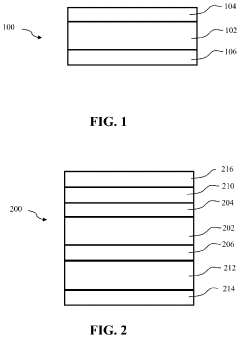
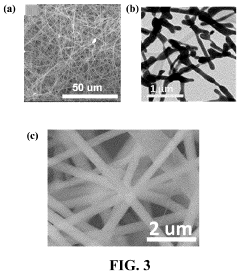
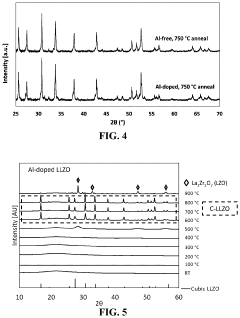
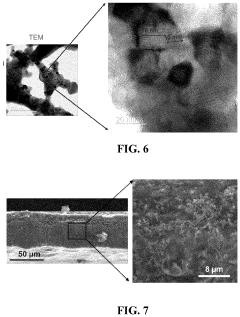
- The development of ceramic lithium-conducting nanofibers integrated with polymer electrolytes, specifically using LLZO-PEO composite thin films, to enhance ionic conductivity and electrochemical stability, with nanofibers forming a three-dimensional network for improved ion transport and mechanical robustness.
Impregnated sintered solid state composite electrode, solid state battery, and methods of preparation
PatentInactiveUS20150056520A1
Innovation
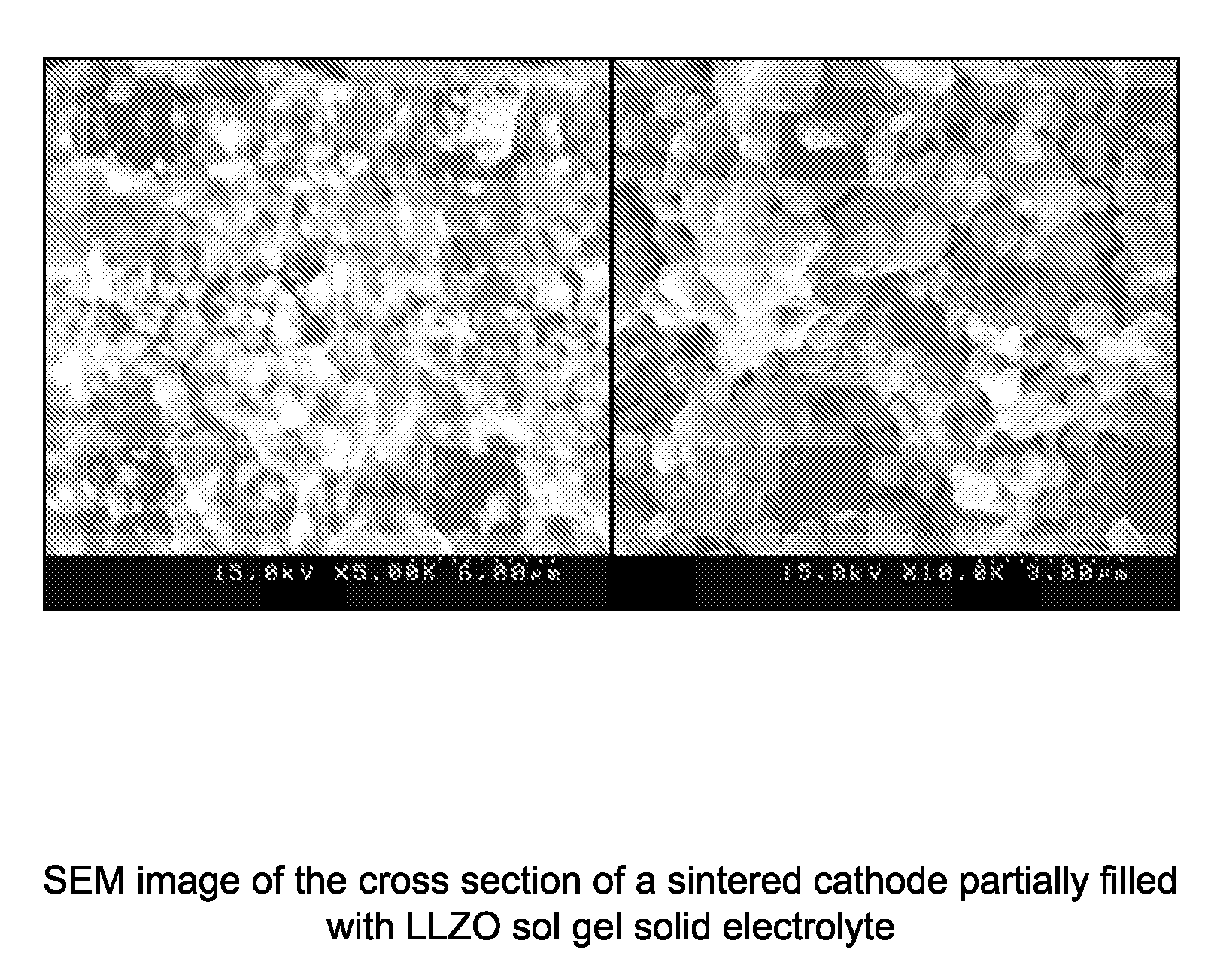
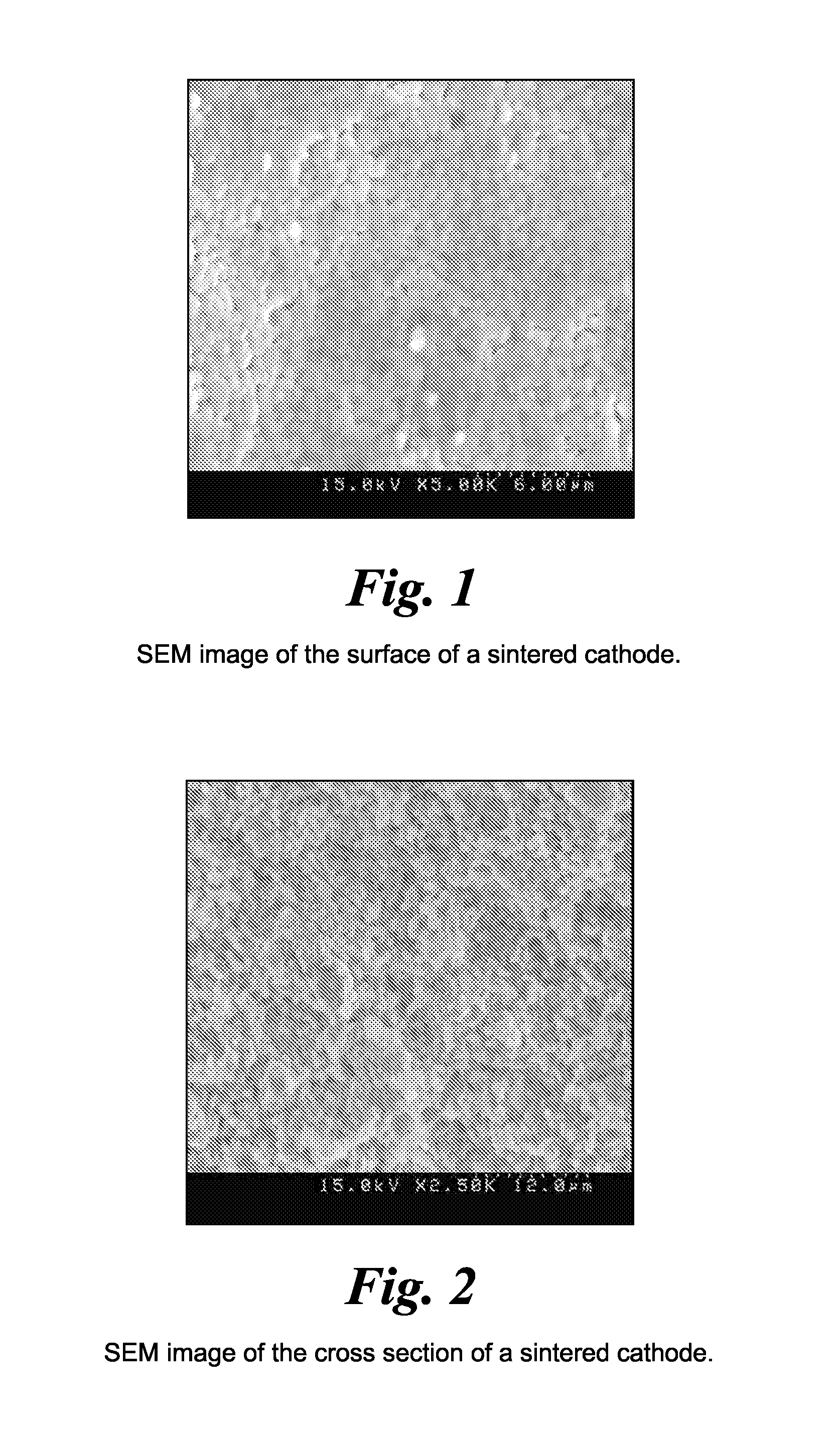
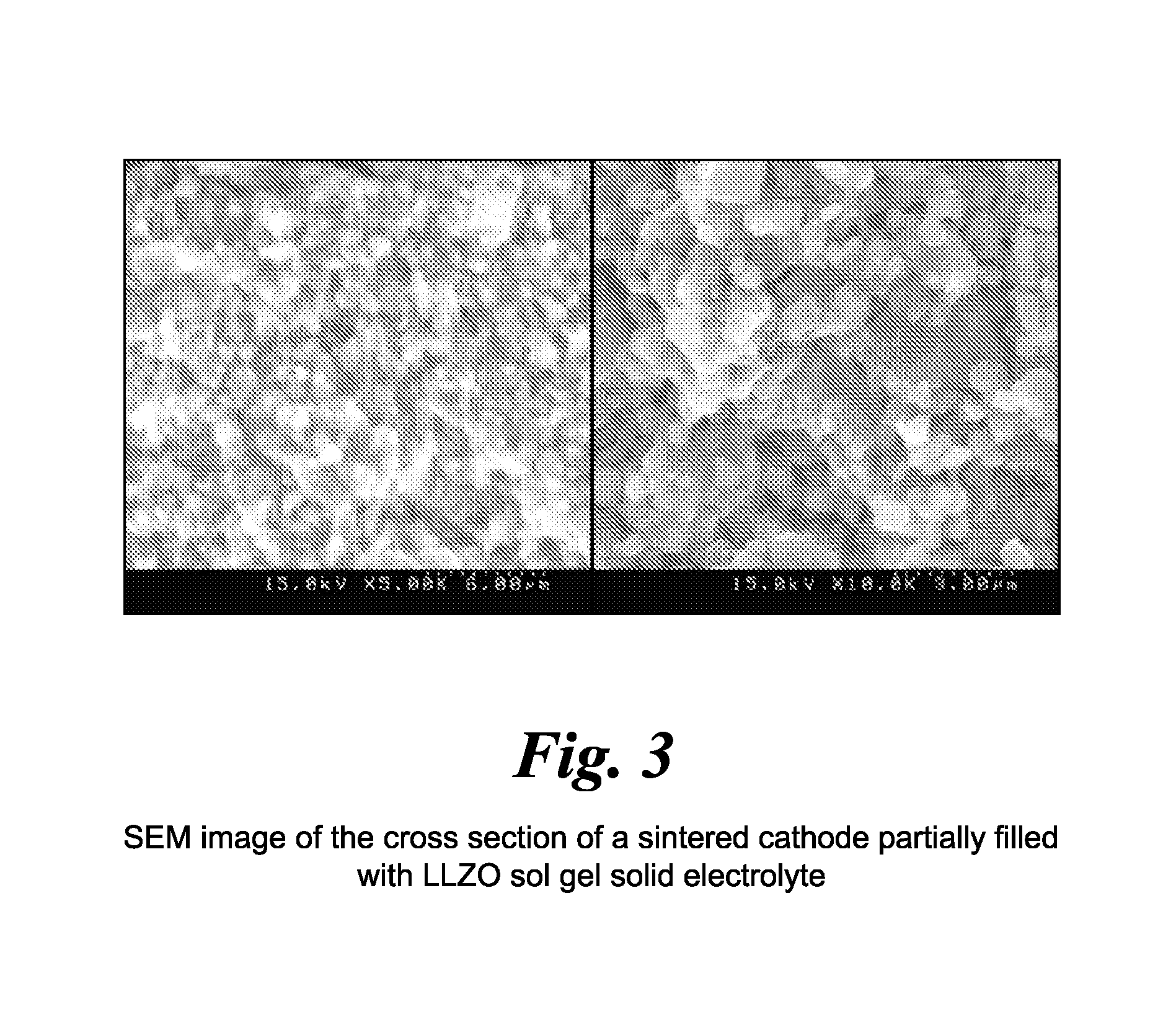
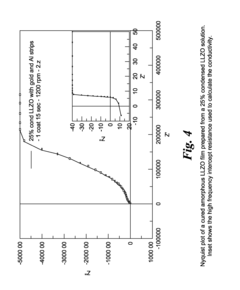
- A method involving the formation of sintered porous cathode pellets, impregnation with a liquid precursor of an inorganic amorphous ionically conductive solid electrolyte, and curing to create a composite cathode with enhanced ionic pathways, using materials like amorphous lithium lanthanum zirconium oxide (LLZO), which reduces shrinkage and improves conductivity.
Environmental Impact and Sustainability Regulations
The regulatory landscape surrounding solid-state battery development encompasses critical environmental and sustainability considerations that manufacturers must navigate. Current regulations focus on reducing the environmental footprint of battery production, use, and disposal across global markets. The European Union's Battery Directive and the upcoming Battery Regulation establish comprehensive frameworks for sustainable battery management, mandating recycling targets, carbon footprint declarations, and due diligence requirements for raw material sourcing.
In North America, regulations vary by jurisdiction, with California leading through initiatives like the Lithium-ion Car Battery Recycling Advisory Group. These regulations aim to minimize waste and promote circular economy principles in battery manufacturing. The EPA's oversight of manufacturing processes and waste management further shapes the regulatory environment for solid-state battery development in the United States.
Asian markets present a diverse regulatory landscape, with Japan's pioneering battery recycling systems and China's evolving policies on battery production and recycling. These regulations increasingly emphasize reduced environmental impact through material recovery and responsible disposal methods.
Solid-state batteries offer significant environmental advantages over conventional lithium-ion batteries, including the elimination of flammable liquid electrolytes and reduced reliance on critical raw materials. However, they face unique regulatory challenges related to novel materials and manufacturing processes. Regulatory bodies are developing frameworks to assess the environmental impact of these new technologies, focusing on life-cycle assessments and sustainable design principles.
The transition to solid-state technology necessitates adaptation to evolving sustainability standards. Manufacturers must demonstrate compliance with regulations governing carbon emissions, water usage, and chemical management throughout the production process. Additionally, end-of-life considerations are becoming increasingly important, with regulations mandating recyclability, repurposability, and proper disposal protocols.
Forward-looking regulatory trends indicate a shift toward more stringent sustainability requirements. Future regulations will likely emphasize extended producer responsibility, requiring manufacturers to account for the entire lifecycle environmental impact of their batteries. Carbon border adjustment mechanisms and sustainability reporting requirements are expected to further influence the regulatory landscape, potentially creating both challenges and opportunities for solid-state battery innovation.
In North America, regulations vary by jurisdiction, with California leading through initiatives like the Lithium-ion Car Battery Recycling Advisory Group. These regulations aim to minimize waste and promote circular economy principles in battery manufacturing. The EPA's oversight of manufacturing processes and waste management further shapes the regulatory environment for solid-state battery development in the United States.
Asian markets present a diverse regulatory landscape, with Japan's pioneering battery recycling systems and China's evolving policies on battery production and recycling. These regulations increasingly emphasize reduced environmental impact through material recovery and responsible disposal methods.
Solid-state batteries offer significant environmental advantages over conventional lithium-ion batteries, including the elimination of flammable liquid electrolytes and reduced reliance on critical raw materials. However, they face unique regulatory challenges related to novel materials and manufacturing processes. Regulatory bodies are developing frameworks to assess the environmental impact of these new technologies, focusing on life-cycle assessments and sustainable design principles.
The transition to solid-state technology necessitates adaptation to evolving sustainability standards. Manufacturers must demonstrate compliance with regulations governing carbon emissions, water usage, and chemical management throughout the production process. Additionally, end-of-life considerations are becoming increasingly important, with regulations mandating recyclability, repurposability, and proper disposal protocols.
Forward-looking regulatory trends indicate a shift toward more stringent sustainability requirements. Future regulations will likely emphasize extended producer responsibility, requiring manufacturers to account for the entire lifecycle environmental impact of their batteries. Carbon border adjustment mechanisms and sustainability reporting requirements are expected to further influence the regulatory landscape, potentially creating both challenges and opportunities for solid-state battery innovation.
International Trade Policies Affecting Technology Transfer
International trade policies significantly impact the development and commercialization of solid-state battery technology through complex regulatory frameworks governing technology transfer across borders. The United States, European Union, Japan, and China have established export control regimes specifically targeting advanced battery technologies, classifying certain solid-state battery components as dual-use items with potential national security implications. These restrictions create substantial barriers for international research collaboration and technology sharing in this emerging field.
Trade agreements like the United States-Mexico-Canada Agreement (USMCA) and the Comprehensive and Progressive Agreement for Trans-Pacific Partnership (CPTPP) contain specific provisions affecting battery technology transfer, including intellectual property protection mechanisms that extend patent lifetimes for breakthrough innovations in solid-state electrolytes and manufacturing processes. Meanwhile, the EU's Critical Raw Materials Act imposes additional requirements on battery materials sourcing, affecting global supply chains for key solid-state battery components.
Tariff structures present another layer of complexity, with varying duties applied to battery components, manufacturing equipment, and finished products across different jurisdictions. China's subsidies for domestic battery manufacturers have triggered countervailing duties from trading partners, creating market distortions that influence investment decisions in solid-state battery production facilities. These trade tensions have accelerated efforts to establish regional battery supply chains, particularly in North America and Europe.
Technology transfer restrictions are especially stringent for solid-state battery innovations with military applications. The Wassenaar Arrangement, a multilateral export control regime, includes specific controls on high-energy density battery technologies that could be repurposed for defense systems. Companies developing solid-state batteries must navigate these restrictions when establishing international research partnerships or manufacturing facilities.
Recent geopolitical developments have further complicated the regulatory landscape. The U.S. CHIPS and Science Act and Inflation Reduction Act contain domestic content requirements that incentivize localized battery production while potentially limiting international technology transfer. Similarly, the EU's Battery Regulation establishes sustainability requirements that function as non-tariff barriers for manufacturers outside the European market.
For breakthrough innovations in solid-state battery technology to achieve global scale, companies must develop sophisticated compliance strategies addressing these trade policy challenges. This includes structuring international partnerships to navigate export controls, optimizing supply chains to minimize tariff impacts, and engaging with policymakers to shape future regulatory frameworks governing this critical technology domain.
Trade agreements like the United States-Mexico-Canada Agreement (USMCA) and the Comprehensive and Progressive Agreement for Trans-Pacific Partnership (CPTPP) contain specific provisions affecting battery technology transfer, including intellectual property protection mechanisms that extend patent lifetimes for breakthrough innovations in solid-state electrolytes and manufacturing processes. Meanwhile, the EU's Critical Raw Materials Act imposes additional requirements on battery materials sourcing, affecting global supply chains for key solid-state battery components.
Tariff structures present another layer of complexity, with varying duties applied to battery components, manufacturing equipment, and finished products across different jurisdictions. China's subsidies for domestic battery manufacturers have triggered countervailing duties from trading partners, creating market distortions that influence investment decisions in solid-state battery production facilities. These trade tensions have accelerated efforts to establish regional battery supply chains, particularly in North America and Europe.
Technology transfer restrictions are especially stringent for solid-state battery innovations with military applications. The Wassenaar Arrangement, a multilateral export control regime, includes specific controls on high-energy density battery technologies that could be repurposed for defense systems. Companies developing solid-state batteries must navigate these restrictions when establishing international research partnerships or manufacturing facilities.
Recent geopolitical developments have further complicated the regulatory landscape. The U.S. CHIPS and Science Act and Inflation Reduction Act contain domestic content requirements that incentivize localized battery production while potentially limiting international technology transfer. Similarly, the EU's Battery Regulation establishes sustainability requirements that function as non-tariff barriers for manufacturers outside the European market.
For breakthrough innovations in solid-state battery technology to achieve global scale, companies must develop sophisticated compliance strategies addressing these trade policy challenges. This includes structuring international partnerships to navigate export controls, optimizing supply chains to minimize tariff impacts, and engaging with policymakers to shape future regulatory frameworks governing this critical technology domain.
Unlock deeper insights with Patsnap Eureka Quick Research — get a full tech report to explore trends and direct your research. Try now!
Generate Your Research Report Instantly with AI Agent
Supercharge your innovation with Patsnap Eureka AI Agent Platform!