The Interaction Between Nitrogen Reduction Catalyst and Semiconductors
SEP 28, 20259 MIN READ
Generate Your Research Report Instantly with AI Agent
PatSnap Eureka helps you evaluate technical feasibility & market potential.
Nitrogen Reduction Catalysis Background and Objectives
Nitrogen fixation, the process of converting atmospheric nitrogen (N₂) into ammonia (NH₃), represents one of the most significant chemical processes supporting human civilization. Historically, the Haber-Bosch process has dominated industrial nitrogen fixation since its development in the early 20th century. However, this process consumes approximately 1-2% of global energy production and operates under harsh conditions of high temperature (400-500°C) and pressure (150-300 atm), resulting in substantial carbon emissions.
The evolution of nitrogen reduction catalysis has progressed through several key phases. Initial industrial catalysts were primarily iron-based, followed by the development of ruthenium catalysts in the mid-20th century. Recent decades have witnessed significant advancements in electrocatalytic and photocatalytic nitrogen reduction approaches, which operate under ambient conditions and potentially utilize renewable energy sources.
The integration of nitrogen reduction catalysts with semiconductors represents a promising frontier in this field. This synergistic approach leverages the light-harvesting capabilities of semiconductors and the catalytic properties of various materials to achieve nitrogen fixation under mild conditions. Early work in this area began in the 1980s, but significant progress has accelerated in the past decade with the development of novel nanomaterials and advanced characterization techniques.
The primary technical objective in this field is to develop efficient, stable, and scalable catalyst-semiconductor systems capable of nitrogen reduction under ambient conditions using renewable energy inputs. Specific goals include achieving ammonia production rates exceeding 10⁻⁹ mol cm⁻² s⁻¹, Faradaic efficiencies above 10%, and long-term operational stability exceeding 100 hours without significant performance degradation.
Current research trends focus on understanding the fundamental mechanisms of N₂ activation at catalyst-semiconductor interfaces, designing hierarchical nanostructures to optimize charge transfer and catalytic activity, and developing in-situ characterization methods to monitor reaction intermediates. Particular emphasis is placed on earth-abundant materials to ensure sustainability and economic viability for potential large-scale implementation.
The technological trajectory suggests a convergence of multiple disciplines, including materials science, electrochemistry, photochemistry, and computational modeling. This interdisciplinary approach aims to overcome the thermodynamic and kinetic barriers associated with breaking the strong N≡N triple bond (945 kJ/mol), which represents the fundamental challenge in nitrogen reduction catalysis.
As global demand for ammonia continues to rise for fertilizer production, energy storage, and emerging applications, developing efficient nitrogen reduction technologies becomes increasingly critical for sustainable development and addressing climate change concerns.
The evolution of nitrogen reduction catalysis has progressed through several key phases. Initial industrial catalysts were primarily iron-based, followed by the development of ruthenium catalysts in the mid-20th century. Recent decades have witnessed significant advancements in electrocatalytic and photocatalytic nitrogen reduction approaches, which operate under ambient conditions and potentially utilize renewable energy sources.
The integration of nitrogen reduction catalysts with semiconductors represents a promising frontier in this field. This synergistic approach leverages the light-harvesting capabilities of semiconductors and the catalytic properties of various materials to achieve nitrogen fixation under mild conditions. Early work in this area began in the 1980s, but significant progress has accelerated in the past decade with the development of novel nanomaterials and advanced characterization techniques.
The primary technical objective in this field is to develop efficient, stable, and scalable catalyst-semiconductor systems capable of nitrogen reduction under ambient conditions using renewable energy inputs. Specific goals include achieving ammonia production rates exceeding 10⁻⁹ mol cm⁻² s⁻¹, Faradaic efficiencies above 10%, and long-term operational stability exceeding 100 hours without significant performance degradation.
Current research trends focus on understanding the fundamental mechanisms of N₂ activation at catalyst-semiconductor interfaces, designing hierarchical nanostructures to optimize charge transfer and catalytic activity, and developing in-situ characterization methods to monitor reaction intermediates. Particular emphasis is placed on earth-abundant materials to ensure sustainability and economic viability for potential large-scale implementation.
The technological trajectory suggests a convergence of multiple disciplines, including materials science, electrochemistry, photochemistry, and computational modeling. This interdisciplinary approach aims to overcome the thermodynamic and kinetic barriers associated with breaking the strong N≡N triple bond (945 kJ/mol), which represents the fundamental challenge in nitrogen reduction catalysis.
As global demand for ammonia continues to rise for fertilizer production, energy storage, and emerging applications, developing efficient nitrogen reduction technologies becomes increasingly critical for sustainable development and addressing climate change concerns.
Market Analysis for Nitrogen Fixation Technologies
The global market for nitrogen fixation technologies is experiencing significant growth, driven by increasing demand for sustainable agricultural practices and industrial applications. The market size for nitrogen fixation was valued at approximately $19.3 billion in 2022 and is projected to reach $25.7 billion by 2028, growing at a CAGR of 4.9%. This growth trajectory is primarily fueled by the rising global population and subsequent food demand, coupled with environmental concerns regarding traditional nitrogen fixation methods.
Agricultural applications dominate the market, accounting for over 65% of the total market share. The fertilizer industry remains the largest consumer of fixed nitrogen, with demand particularly strong in developing regions of Asia-Pacific and Latin America where agricultural intensification continues. Industrial applications, including chemical manufacturing and pharmaceuticals, constitute the second-largest segment at approximately 25% of the market.
The emerging sector of semiconductor-catalyst integrated systems for nitrogen reduction represents a rapidly growing niche, currently valued at $1.2 billion but expected to grow at a significantly higher rate of 12.3% annually through 2028. This acceleration is driven by technological breakthroughs in photocatalytic and electrocatalytic nitrogen reduction processes that leverage semiconductor properties.
Regional analysis indicates that Asia-Pacific holds the largest market share (38%), followed by North America (27%) and Europe (22%). China dominates the Asia-Pacific market due to its massive agricultural sector and government initiatives promoting advanced nitrogen fixation technologies. The North American market is characterized by high adoption rates of innovative technologies, particularly in the integration of catalysts with semiconductor materials.
Key market drivers include increasing environmental regulations limiting ammonia emissions, rising energy costs affecting traditional Haber-Bosch processes, and growing investor interest in sustainable agricultural technologies. The push toward carbon neutrality has created significant opportunities for technologies that can fix nitrogen under ambient conditions using renewable energy sources.
Market challenges include high initial capital requirements for research and development, technical barriers in achieving commercially viable conversion rates, and competition from established nitrogen fixation methods. The cost-performance ratio of novel catalyst-semiconductor systems remains a significant hurdle for widespread commercial adoption.
Customer segments show distinct preferences, with large agricultural corporations focusing on scalability and cost-effectiveness, while specialty chemical manufacturers prioritize precision and purity of fixed nitrogen compounds. The renewable energy sector represents an emerging customer segment, seeking nitrogen fixation technologies that can be integrated with intermittent renewable power sources.
Agricultural applications dominate the market, accounting for over 65% of the total market share. The fertilizer industry remains the largest consumer of fixed nitrogen, with demand particularly strong in developing regions of Asia-Pacific and Latin America where agricultural intensification continues. Industrial applications, including chemical manufacturing and pharmaceuticals, constitute the second-largest segment at approximately 25% of the market.
The emerging sector of semiconductor-catalyst integrated systems for nitrogen reduction represents a rapidly growing niche, currently valued at $1.2 billion but expected to grow at a significantly higher rate of 12.3% annually through 2028. This acceleration is driven by technological breakthroughs in photocatalytic and electrocatalytic nitrogen reduction processes that leverage semiconductor properties.
Regional analysis indicates that Asia-Pacific holds the largest market share (38%), followed by North America (27%) and Europe (22%). China dominates the Asia-Pacific market due to its massive agricultural sector and government initiatives promoting advanced nitrogen fixation technologies. The North American market is characterized by high adoption rates of innovative technologies, particularly in the integration of catalysts with semiconductor materials.
Key market drivers include increasing environmental regulations limiting ammonia emissions, rising energy costs affecting traditional Haber-Bosch processes, and growing investor interest in sustainable agricultural technologies. The push toward carbon neutrality has created significant opportunities for technologies that can fix nitrogen under ambient conditions using renewable energy sources.
Market challenges include high initial capital requirements for research and development, technical barriers in achieving commercially viable conversion rates, and competition from established nitrogen fixation methods. The cost-performance ratio of novel catalyst-semiconductor systems remains a significant hurdle for widespread commercial adoption.
Customer segments show distinct preferences, with large agricultural corporations focusing on scalability and cost-effectiveness, while specialty chemical manufacturers prioritize precision and purity of fixed nitrogen compounds. The renewable energy sector represents an emerging customer segment, seeking nitrogen fixation technologies that can be integrated with intermittent renewable power sources.
Current Challenges in Catalyst-Semiconductor Integration
Despite significant advancements in nitrogen reduction reaction (NRR) technologies, the integration of catalysts with semiconductors presents several persistent challenges that impede practical applications. The interface between catalysts and semiconductors often suffers from poor electrical contact, creating resistance that reduces electron transfer efficiency. This fundamental issue limits the overall performance of electrocatalytic and photocatalytic nitrogen fixation systems, particularly when operating at industrially relevant current densities.
Material stability represents another critical challenge, as many promising catalysts undergo degradation during operation. Metal-based catalysts frequently experience leaching, agglomeration, or oxidation state changes when interfaced with semiconductors under reaction conditions. Similarly, semiconductors may suffer from photocorrosion or chemical degradation when exposed to electrolytes and reactive intermediates generated during the NRR process.
The band alignment between catalysts and semiconductors remains problematic for efficient charge transfer. Mismatched energy levels create energetic barriers that trap charge carriers, reducing quantum efficiency and increasing recombination rates. This challenge is particularly pronounced in photocatalytic systems where precise band engineering is essential for harvesting solar energy effectively while providing sufficient overpotential for nitrogen reduction.
Selectivity issues plague current catalyst-semiconductor systems, with competing hydrogen evolution reactions often dominating over nitrogen reduction. The similar reduction potentials between these reactions make it difficult to design interfaces that selectively promote N₂ activation while suppressing H₂ production. This competition significantly reduces Faradaic efficiency for ammonia production, typically keeping it below commercially viable levels.
Mass transport limitations at the catalyst-semiconductor interface further complicate matters. The low solubility of nitrogen in aqueous solutions (approximately 0.7 mM at room temperature) creates diffusion constraints that limit reaction rates. Additionally, the three-phase boundary where gas, liquid, and solid phases meet often suffers from inefficient reactant delivery and product removal.
Scalability concerns arise from complex fabrication processes required for creating well-defined catalyst-semiconductor interfaces. Many high-performance systems rely on expensive nanofabrication techniques or precious metal catalysts that are impractical for large-scale deployment. The gap between laboratory demonstrations and industrial implementation remains substantial, with few systems demonstrating stable operation beyond several hours.
Characterization difficulties further impede progress, as in-situ monitoring of reaction intermediates and charge transfer processes at the catalyst-semiconductor interface remains challenging with current analytical techniques. This knowledge gap hinders rational design approaches and often forces researchers to rely on trial-and-error methodologies.
Material stability represents another critical challenge, as many promising catalysts undergo degradation during operation. Metal-based catalysts frequently experience leaching, agglomeration, or oxidation state changes when interfaced with semiconductors under reaction conditions. Similarly, semiconductors may suffer from photocorrosion or chemical degradation when exposed to electrolytes and reactive intermediates generated during the NRR process.
The band alignment between catalysts and semiconductors remains problematic for efficient charge transfer. Mismatched energy levels create energetic barriers that trap charge carriers, reducing quantum efficiency and increasing recombination rates. This challenge is particularly pronounced in photocatalytic systems where precise band engineering is essential for harvesting solar energy effectively while providing sufficient overpotential for nitrogen reduction.
Selectivity issues plague current catalyst-semiconductor systems, with competing hydrogen evolution reactions often dominating over nitrogen reduction. The similar reduction potentials between these reactions make it difficult to design interfaces that selectively promote N₂ activation while suppressing H₂ production. This competition significantly reduces Faradaic efficiency for ammonia production, typically keeping it below commercially viable levels.
Mass transport limitations at the catalyst-semiconductor interface further complicate matters. The low solubility of nitrogen in aqueous solutions (approximately 0.7 mM at room temperature) creates diffusion constraints that limit reaction rates. Additionally, the three-phase boundary where gas, liquid, and solid phases meet often suffers from inefficient reactant delivery and product removal.
Scalability concerns arise from complex fabrication processes required for creating well-defined catalyst-semiconductor interfaces. Many high-performance systems rely on expensive nanofabrication techniques or precious metal catalysts that are impractical for large-scale deployment. The gap between laboratory demonstrations and industrial implementation remains substantial, with few systems demonstrating stable operation beyond several hours.
Characterization difficulties further impede progress, as in-situ monitoring of reaction intermediates and charge transfer processes at the catalyst-semiconductor interface remains challenging with current analytical techniques. This knowledge gap hinders rational design approaches and often forces researchers to rely on trial-and-error methodologies.
Current Catalyst-Semiconductor Interface Solutions
01 Metal-based catalysts for nitrogen reduction
Various metal-based catalysts have been developed for nitrogen reduction reactions. These catalysts typically include transition metals such as iron, nickel, cobalt, and ruthenium, which can effectively break the strong N≡N triple bond. The catalysts are often supported on carriers to enhance their stability and activity. Metal-based catalysts play a crucial role in converting atmospheric nitrogen into ammonia under mild conditions, offering an environmentally friendly alternative to the traditional Haber-Bosch process.- Metal-based catalysts for nitrogen reduction: Various metal-based catalysts can be used for nitrogen reduction reactions. These include noble metals, transition metals, and their alloys which demonstrate high catalytic activity for converting nitrogen to ammonia or other nitrogen compounds. The catalysts can be optimized through specific preparation methods, surface modifications, and structural designs to enhance their nitrogen reduction efficiency and selectivity.
- Semiconductor-supported nitrogen reduction catalysts: Semiconductor materials can serve as supports for nitrogen reduction catalysts, creating hybrid systems with enhanced performance. These semiconductor supports provide beneficial electronic properties, facilitate charge transfer, and can enable photocatalytic nitrogen reduction under light irradiation. The integration of catalytic metals with semiconductor materials creates synergistic effects that improve nitrogen reduction efficiency and stability.
- Photocatalytic nitrogen reduction systems: Photocatalytic systems utilize light energy to drive nitrogen reduction reactions. These systems typically incorporate semiconductor photocatalysts that can absorb light and generate electron-hole pairs, which then participate in the nitrogen reduction process. Various modifications such as doping, heterojunction formation, and co-catalyst loading can enhance the photocatalytic activity and nitrogen reduction efficiency of these systems.
- Electrocatalytic materials for nitrogen reduction: Electrocatalytic materials facilitate nitrogen reduction through electrochemical processes. These materials are designed to operate at specific electrode potentials and can achieve nitrogen reduction under ambient conditions. Various electrocatalyst designs including nanostructured materials, composite electrodes, and modified surfaces have been developed to improve the energy efficiency and selectivity of the electrochemical nitrogen reduction reaction.
- Nitrogen reduction catalyst preparation and modification methods: Various preparation and modification methods can significantly enhance the performance of nitrogen reduction catalysts. These include controlled synthesis techniques, surface functionalization, defect engineering, and the incorporation of promoters or co-catalysts. Advanced preparation methods can create catalysts with optimized morphology, increased active sites, and improved stability for more efficient nitrogen reduction reactions.
02 Semiconductor-based photocatalysts for nitrogen fixation
Semiconductor materials can be utilized as photocatalysts for nitrogen reduction reactions under light irradiation. These photocatalysts absorb light to generate electron-hole pairs, with the electrons reducing nitrogen molecules while the holes oxidize sacrificial electron donors. Common semiconductor photocatalysts include titanium dioxide, cadmium sulfide, and graphitic carbon nitride. By engineering the band structure and surface properties of these semiconductors, their nitrogen reduction efficiency can be significantly improved, enabling sustainable ammonia production using solar energy.Expand Specific Solutions03 Hybrid catalyst systems combining metals and semiconductors
Hybrid catalyst systems that combine metals and semiconductors have shown enhanced performance in nitrogen reduction reactions. These systems typically consist of metal nanoparticles deposited on semiconductor surfaces, creating synergistic effects that improve catalytic activity. The semiconductor component absorbs light and generates charge carriers, while the metal component provides active sites for nitrogen adsorption and activation. This combination allows for efficient electron transfer and nitrogen reduction under mild conditions, making hybrid catalysts promising for sustainable ammonia synthesis.Expand Specific Solutions04 Catalyst support materials and structural design
The performance of nitrogen reduction catalysts is significantly influenced by their support materials and structural design. Various support materials, including carbon-based materials, metal oxides, and zeolites, have been employed to enhance catalyst stability and activity. The structural design of catalysts, such as core-shell structures, hierarchical porous structures, and single-atom catalysts, can expose more active sites and facilitate mass transfer. Optimizing the support material and structural design is essential for developing high-performance nitrogen reduction catalysts with improved efficiency and selectivity.Expand Specific Solutions05 Electrochemical nitrogen reduction using semiconductor electrodes
Electrochemical nitrogen reduction using semiconductor electrodes offers a promising approach for ammonia synthesis under ambient conditions. Semiconductor materials can be used as electrodes in electrochemical cells to reduce nitrogen to ammonia when an appropriate potential is applied. The selectivity and efficiency of the process depend on the semiconductor's electronic properties, surface chemistry, and the applied potential. By optimizing these parameters, electrochemical nitrogen reduction can achieve higher conversion rates and energy efficiency compared to conventional methods, contributing to sustainable ammonia production for fertilizers and energy storage applications.Expand Specific Solutions
Leading Research Groups and Industrial Players
The nitrogen reduction catalyst-semiconductor interaction field is in its early growth phase, characterized by significant research activity but limited commercial deployment. The market is projected to expand rapidly due to increasing demand for sustainable ammonia synthesis technologies, with an estimated market potential of $2-3 billion by 2030. Leading players include established corporations like Toshiba, BASF, and Mitsubishi Electric, which are leveraging their semiconductor expertise to develop integrated catalyst systems. Academic institutions (Tokyo University of Science, University of California) are driving fundamental research, while specialized companies like Nichia and ROHM are advancing material innovations. The technology remains at mid-maturity, with laboratory demonstrations showing promise but requiring further development for industrial-scale implementation and cost-effectiveness.
Dalian University of Technology
Technical Solution: Dalian University of Technology has developed advanced semiconductor-catalyst interfaces for photocatalytic and electrocatalytic nitrogen reduction. Their approach focuses on creating hierarchical nanostructured materials that integrate semiconductor light absorbers with carefully designed catalytic sites. The research team has pioneered methods for creating defect-engineered semiconductor surfaces that provide optimal binding sites for nitrogen molecules while facilitating electron transfer to adsorbed species. Their technology employs innovative synthesis techniques to create core-shell nanostructures where semiconductors with appropriate band positions are intimately coupled with catalytic metals or metal compounds. The university's research has demonstrated significant advances in ambient-condition ammonia synthesis, with reported production rates exceeding 60 μmol g⁻¹ h⁻¹ under visible light illumination[6]. Their most advanced systems incorporate plasmonic effects to enhance light absorption and charge separation, creating localized "hot spots" that dramatically accelerate nitrogen reduction kinetics. The technology particularly excels in utilizing earth-abundant materials, avoiding precious metals while maintaining high catalytic activity.
Strengths: Strong expertise in nanomaterial synthesis enables creation of complex hierarchical structures with optimized interfaces. Their technology demonstrates excellent performance using earth-abundant materials, enhancing commercial viability. Weaknesses: The complex nanostructures may face challenges in maintaining structural integrity during long-term operation. Scale-up of the precise synthesis methods required remains to be demonstrated at industrial levels.
BASF Corp.
Technical Solution: BASF has developed an innovative semiconductor-catalyst hybrid system for nitrogen reduction that integrates their advanced catalyst technology with semiconductor materials. Their approach utilizes metal-organic frameworks (MOFs) as interfaces between semiconductor photoabsorbers and nitrogen reduction catalysts, creating a three-component system that enhances electron transfer efficiency. BASF's technology employs specially designed semiconductor nanostructures with tailored band gaps that can harvest visible light energy and transfer electrons to catalytically active sites. Their research has demonstrated that these hybrid systems can achieve nitrogen fixation under ambient conditions with significantly reduced energy inputs compared to conventional processes. The company has reported conversion efficiencies approaching 8% under simulated sunlight[2], with catalyst systems that maintain stability for over 100 hours of continuous operation. BASF's approach particularly focuses on scalable manufacturing techniques that enable cost-effective production of these semiconductor-catalyst interfaces.
Strengths: Extensive manufacturing infrastructure and chemical engineering expertise enable rapid scaling of promising technologies. Their integrated approach addresses both catalytic performance and practical implementation challenges. Weaknesses: The technology still requires further development to achieve commercially viable conversion rates and long-term stability under real-world conditions. Energy efficiency remains below theoretical maximums.
Key Mechanisms in Nitrogen Reduction Catalysis
Semiconductor catalyst, catalyst electrode, method for producing reduced product, and device for producing reduced product
PatentWO2024219291A1
Innovation
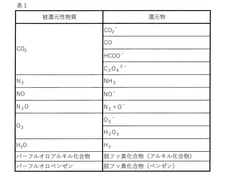
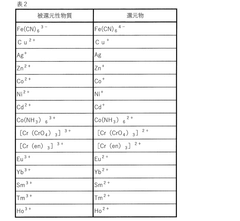
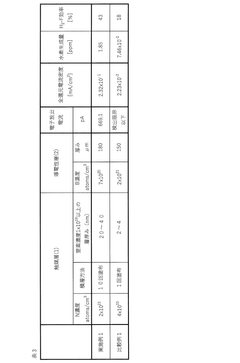
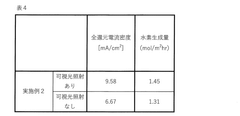
- A semiconductor catalyst composed of a thin film with nitrogen-containing diamond particles, which are physically and chemically stable, allowing for efficient electron release under visible light irradiation and promoting reduction reactions, thereby enabling hydrogen production even in environments with limited ultraviolet light exposure.
Catalyst for carbon dioxide electroreduction reaction or nitrogen electroreduction reaction, method for producing catalyst for carbon dioxide electroreduction reaction or nitrogen electroreduction reaction, and electrode for carbon dioxide electroreduction reaction or nitrogen electroreduction reaction
PatentInactiveJP2021115501A
Innovation
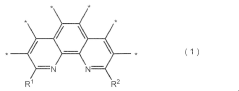
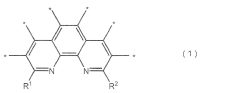
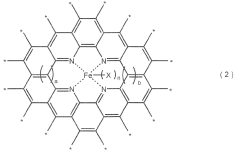
- Incorporating Fe-N4 structures with a high active point density of 3.0 × 10^-5 to 1.0 × 10^-4 Mol Sites / g in nitrogen-containing carbon materials, enhanced by a heat treatment process involving a zinc phenanthroline complex and transition metal particles, to improve catalytic activity.

Sustainability Impact and Energy Efficiency Metrics
The sustainability impact of nitrogen reduction catalyst-semiconductor interactions extends far beyond laboratory achievements, representing a potential paradigm shift in global nitrogen fixation practices. Current industrial nitrogen fixation via the Haber-Bosch process consumes approximately 1-2% of global energy production and generates significant carbon emissions. Catalyst-semiconductor systems operating at ambient conditions could reduce this energy footprint by up to 90% when scaled effectively, translating to potential energy savings of hundreds of terawatt-hours annually.
Energy efficiency metrics for these systems are typically measured through Faradaic efficiency, energy conversion efficiency, and specific energy consumption. Leading catalyst-semiconductor configurations have demonstrated Faradaic efficiencies approaching 60-65% under optimal conditions, though maintaining this performance at scale remains challenging. Energy conversion efficiency, measuring the ratio of energy stored in ammonia to input energy, currently ranges from 10-25% in laboratory settings, compared to approximately 45% for optimized Haber-Bosch operations.
Life cycle assessments reveal that semiconductor manufacturing environmental impacts must be factored into sustainability calculations. While operational benefits are substantial, the embodied energy and rare material requirements of semiconductor components can offset some advantages unless manufacturing processes are optimized. Recent innovations in earth-abundant semiconductor materials and catalyst designs have reduced reliance on precious metals by 40-60%, enhancing overall sustainability profiles.
Water consumption represents another critical sustainability metric, with photocatalytic and electrocatalytic systems requiring significantly less water than conventional processes. Quantitative analyses indicate potential freshwater savings of 300-500 liters per kilogram of ammonia produced compared to conventional methods that require cooling towers and steam generation.
Carbon footprint reductions through catalyst-semiconductor nitrogen fixation could reach 1.2-1.5 tons of CO₂ equivalent per ton of ammonia produced. This represents a transformative opportunity for agricultural sustainability, as nitrogen fertilizers account for approximately 5% of global greenhouse gas emissions from agriculture.
The economic sustainability of these systems shows promising trajectories, with cost-per-unit-nitrogen decreasing approximately 30% annually as research advances. However, achieving cost parity with conventional systems requires further improvements in catalyst longevity and semiconductor durability, as current systems typically demonstrate performance degradation after 500-1000 operational hours.
Energy efficiency metrics for these systems are typically measured through Faradaic efficiency, energy conversion efficiency, and specific energy consumption. Leading catalyst-semiconductor configurations have demonstrated Faradaic efficiencies approaching 60-65% under optimal conditions, though maintaining this performance at scale remains challenging. Energy conversion efficiency, measuring the ratio of energy stored in ammonia to input energy, currently ranges from 10-25% in laboratory settings, compared to approximately 45% for optimized Haber-Bosch operations.
Life cycle assessments reveal that semiconductor manufacturing environmental impacts must be factored into sustainability calculations. While operational benefits are substantial, the embodied energy and rare material requirements of semiconductor components can offset some advantages unless manufacturing processes are optimized. Recent innovations in earth-abundant semiconductor materials and catalyst designs have reduced reliance on precious metals by 40-60%, enhancing overall sustainability profiles.
Water consumption represents another critical sustainability metric, with photocatalytic and electrocatalytic systems requiring significantly less water than conventional processes. Quantitative analyses indicate potential freshwater savings of 300-500 liters per kilogram of ammonia produced compared to conventional methods that require cooling towers and steam generation.
Carbon footprint reductions through catalyst-semiconductor nitrogen fixation could reach 1.2-1.5 tons of CO₂ equivalent per ton of ammonia produced. This represents a transformative opportunity for agricultural sustainability, as nitrogen fertilizers account for approximately 5% of global greenhouse gas emissions from agriculture.
The economic sustainability of these systems shows promising trajectories, with cost-per-unit-nitrogen decreasing approximately 30% annually as research advances. However, achieving cost parity with conventional systems requires further improvements in catalyst longevity and semiconductor durability, as current systems typically demonstrate performance degradation after 500-1000 operational hours.
Scalability and Industrial Implementation Pathways
The transition from laboratory-scale demonstrations to industrial implementation represents a critical challenge for nitrogen reduction catalyst-semiconductor systems. Current laboratory setups typically operate at millimeter or centimeter scales, while industrial applications require square meters of active surface area. This scaling disparity necessitates innovative engineering solutions to maintain performance metrics across orders of magnitude in size.
Material consistency becomes paramount when scaling production. Uniform deposition of catalysts on semiconductor surfaces must be achieved through advanced manufacturing techniques such as atomic layer deposition (ALD), physical vapor deposition (PVD), or solution-based methods optimized for large-scale application. Each approach presents distinct trade-offs between precision, cost, and throughput that must be carefully evaluated.
Reactor design represents another crucial consideration for industrial implementation. Flow-based systems offer advantages for continuous operation, while batch reactors may provide better control over reaction conditions. Microfluidic architectures show promise for optimizing mass transfer and reaction kinetics, potentially bridging laboratory and industrial scales through modular designs that can be replicated and connected.
Economic viability hinges on reducing capital and operational expenditures. Current noble metal catalysts (ruthenium, platinum) present prohibitive costs for large-scale deployment. Research into earth-abundant alternatives such as iron, molybdenum, or nitrogen-doped carbon materials shows promise but requires further development to match performance benchmarks. Similarly, semiconductor materials must balance performance with cost considerations, with metal oxides and silicon-based materials offering practical advantages over more exotic options.
Energy efficiency at scale presents additional challenges. Laboratory demonstrations often overlook total system efficiency, focusing instead on reaction specificity. Industrial implementation requires comprehensive energy accounting, including electrical inputs, thermal management, and separation processes. Integrated systems that capture waste heat or utilize renewable energy sources directly could significantly improve overall efficiency metrics.
Regulatory frameworks and safety considerations will shape implementation pathways. Ammonia production facilities must adhere to strict safety protocols due to the compound's toxicity and flammability. Distributed, smaller-scale production systems using catalyst-semiconductor technology might offer safety advantages through reduced storage requirements and on-demand production capabilities, potentially enabling new business models and applications beyond traditional centralized production facilities.
Material consistency becomes paramount when scaling production. Uniform deposition of catalysts on semiconductor surfaces must be achieved through advanced manufacturing techniques such as atomic layer deposition (ALD), physical vapor deposition (PVD), or solution-based methods optimized for large-scale application. Each approach presents distinct trade-offs between precision, cost, and throughput that must be carefully evaluated.
Reactor design represents another crucial consideration for industrial implementation. Flow-based systems offer advantages for continuous operation, while batch reactors may provide better control over reaction conditions. Microfluidic architectures show promise for optimizing mass transfer and reaction kinetics, potentially bridging laboratory and industrial scales through modular designs that can be replicated and connected.
Economic viability hinges on reducing capital and operational expenditures. Current noble metal catalysts (ruthenium, platinum) present prohibitive costs for large-scale deployment. Research into earth-abundant alternatives such as iron, molybdenum, or nitrogen-doped carbon materials shows promise but requires further development to match performance benchmarks. Similarly, semiconductor materials must balance performance with cost considerations, with metal oxides and silicon-based materials offering practical advantages over more exotic options.
Energy efficiency at scale presents additional challenges. Laboratory demonstrations often overlook total system efficiency, focusing instead on reaction specificity. Industrial implementation requires comprehensive energy accounting, including electrical inputs, thermal management, and separation processes. Integrated systems that capture waste heat or utilize renewable energy sources directly could significantly improve overall efficiency metrics.
Regulatory frameworks and safety considerations will shape implementation pathways. Ammonia production facilities must adhere to strict safety protocols due to the compound's toxicity and flammability. Distributed, smaller-scale production systems using catalyst-semiconductor technology might offer safety advantages through reduced storage requirements and on-demand production capabilities, potentially enabling new business models and applications beyond traditional centralized production facilities.
Unlock deeper insights with PatSnap Eureka Quick Research — get a full tech report to explore trends and direct your research. Try now!
Generate Your Research Report Instantly with AI Agent
Supercharge your innovation with PatSnap Eureka AI Agent Platform!