

Anesthesia device for animal experiment
An animal experiment, anesthesia box technology, applied in veterinary instruments, medical science and other directions, can solve the problems of surrounding environment pollution, flammable and explosive anesthetics, injury to operators, etc., to reduce environmental pollution, reduce self-injury, improve The effect of utilization
Patent Information
- Authority / Receiving Office
- CN · China
- Patent Type
- Applications(China)
- Current Assignee / Owner
- Publication Date
- 2011-08-03
- Estimated Expiration
- Not applicable · inactive patent
Smart Images
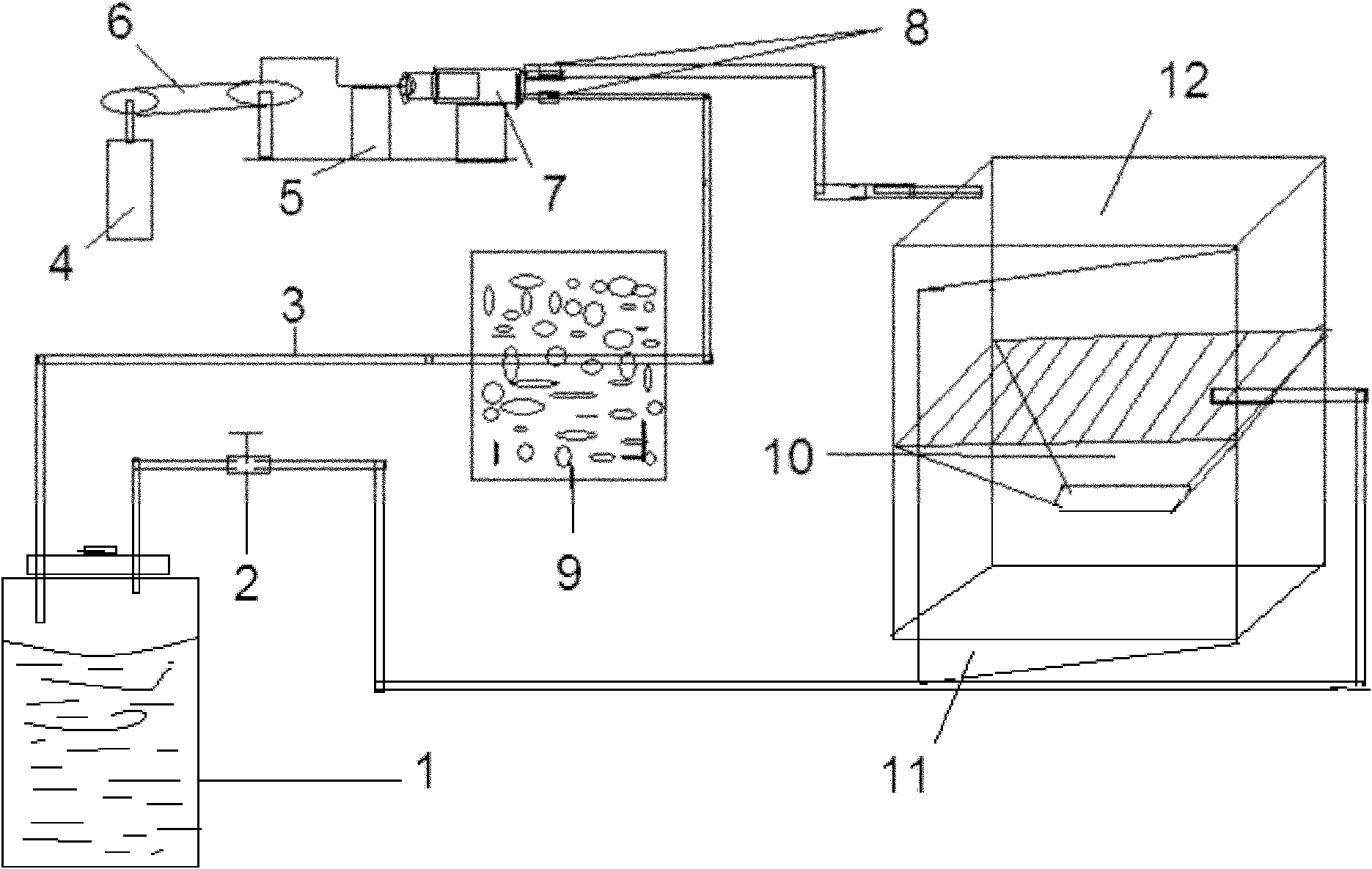
Figure 1 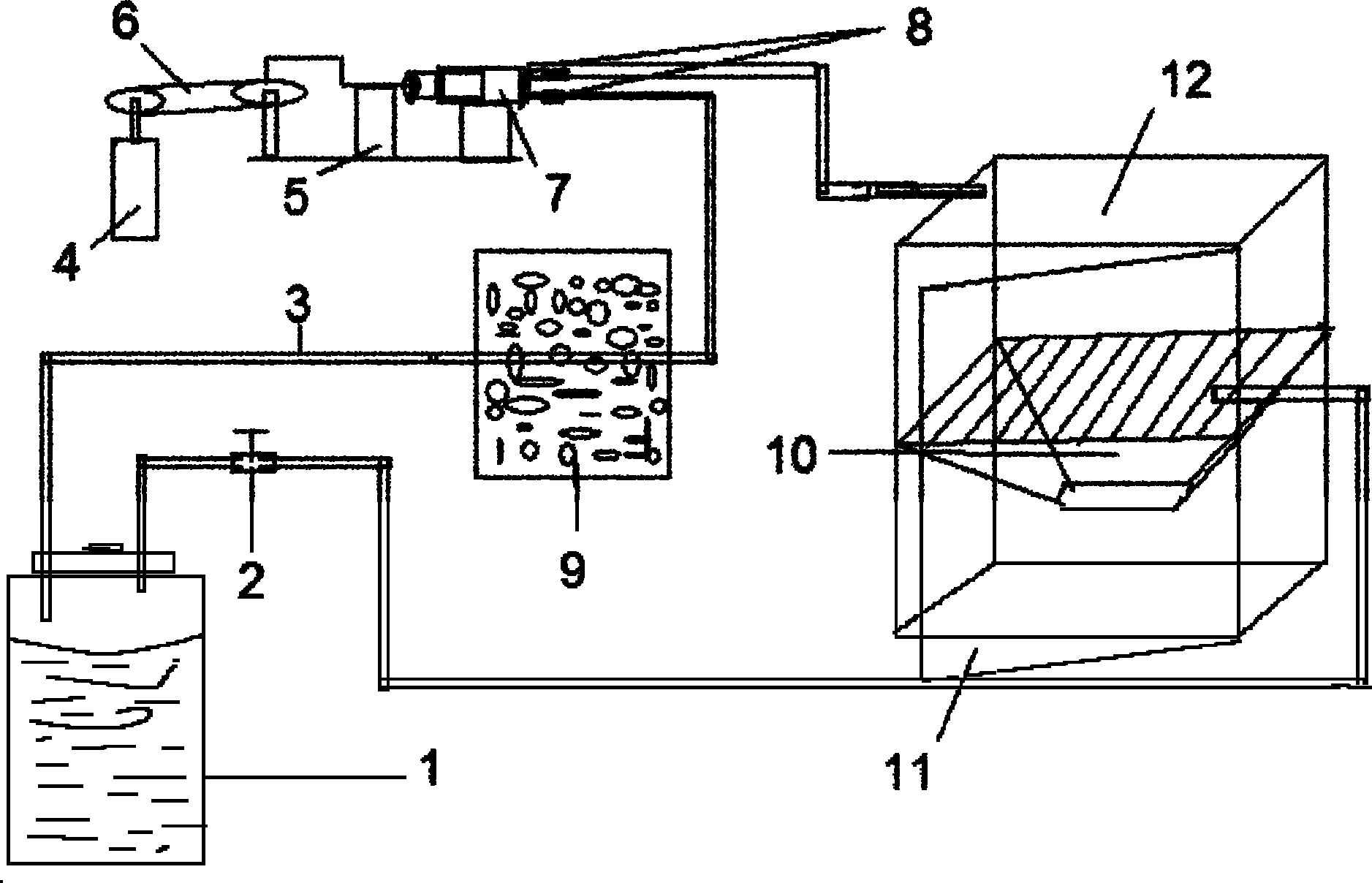
Figure 2
Abstract
Description
technical field
[0001] The invention relates to an anesthesia device used for animal experiments in medical teaching and scientific research experiments, in particular to an animal experiment anesthesia device using volatile anesthetics. Background technique
[0002] In recent years, experimental animals as scientific research objects have greatly promoted the development of life sciences. Animal anesthesia is very important in animal experiments, and it is the key to the success of animal experiments. Volatile anesthetics are mainly used for inhalation anesthesia animals. Inhalation anesthetics are inhaled through the respiratory tract to achieve general anesthesia. Or put the whole body into a jar or a desiccator dipped in ether cotton balls (covered with a silk screen). Depending on the concentration of the volatile anesthetic, after more than ten seconds or a few minutes, the tension of the animal's limbs is obviously reduced, that is, it is under anesthesia. If the exp...
Examples
Embodiment Construction
[0011] like figure 1 As shown, the animal experimental anesthesia device based on volatile anesthetics of the present invention includes an anesthesia box 12, an anesthesia reagent container 1, and the anesthesia reagent container 1 is a metal airtight container with a volatile anesthetic inside and a sealing cover on the top. There is a circular hole with an internal thread in the center of the sealing cover, on which a plug with an external thread is threadedly connected with the circular hole (the plug can be unscrewed when anesthetic is added). Two straight tubes 14 are symmetrically inlaid on the sealing covers on both sides of the circular hole to communicate with the inside and outside of the anesthetic reagent container. Among them, one straight pipe is connected with the communication pipe 13 above the side wall of the anesthesia box 12 through the anesthetic agent recovery device, and the other straight pipe is connected with the communication pipe 13 at the bottom o...