
Method of communicating between web applications and local client application while maintaining remote user session
a technology of web applications and remote users, applied in the field of client-server communication, can solve the problems of difficult data transfer from a common configurator platform (ccp) to the product configurator, cost and time-consuming to reproduce the functionality of these applications for the web environment, etc., and achieve the effect of cost and time-consuming
- Summary
- Abstract
- Description
- Claims
- Application Information
AI Technical Summary
Benefits of technology
Problems solved by technology
Method used
Image

Examples
Embodiment Construction
[0017] The following description of the invention is provided as an enabling teaching of the invention in its best, currently known embodiment. Those skilled in the relevant art will recognize that many changes can be made to the embodiments described, while still obtaining the beneficial results of the present invention. It will also be apparent that some of the desired benefits of the present invention can be obtained by selecting some of the features of the present invention without utilizing other features. Accordingly, those who work in the art will recognize that many modifications and adaptations to the present invention are possible and may even be desirable in certain circumstances and are a part of the present invention. Thus, the following description is provided as illustrative of the principles of the present invention and not in limitation thereof, since the scope of the present invention is defined by the claims.
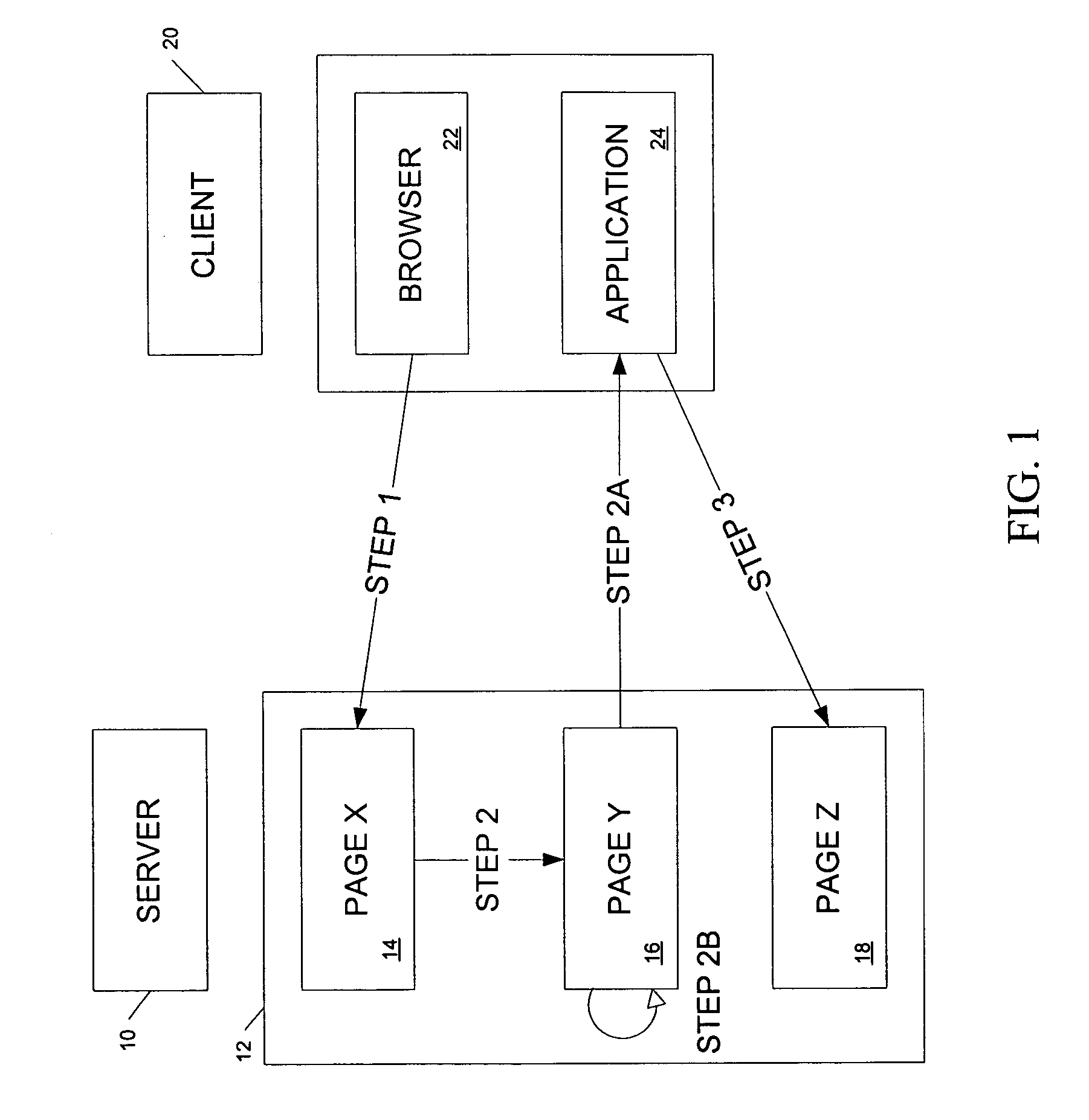
[0018]FIG. 1 illustrates an overview of the process for...
PUM
 Login to View More
 Abstract
Description
Claims
Application Information
 Login to View More