
Process for producing lacosamide
a technology of lacosamide and lacosamide, which is applied in the preparation of organic compounds, carbamic acid derivative preparations, organic chemistry, etc., can solve the problems of difficult handling, difficult to isolate from the reaction, and high cost, and the need to remove both
- Summary
- Abstract
- Description
- Claims
- Application Information
AI Technical Summary
Problems solved by technology
Method used
Image

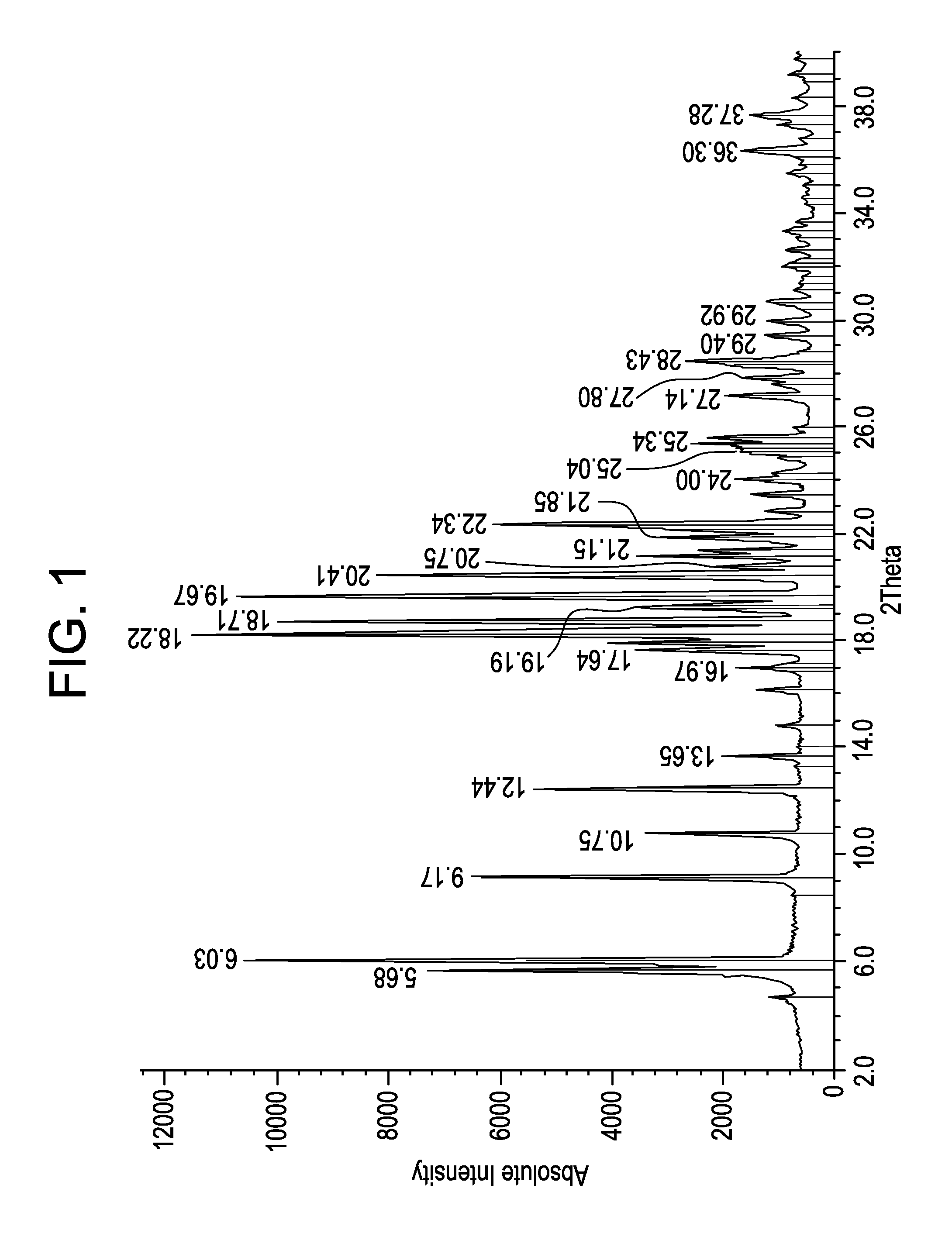
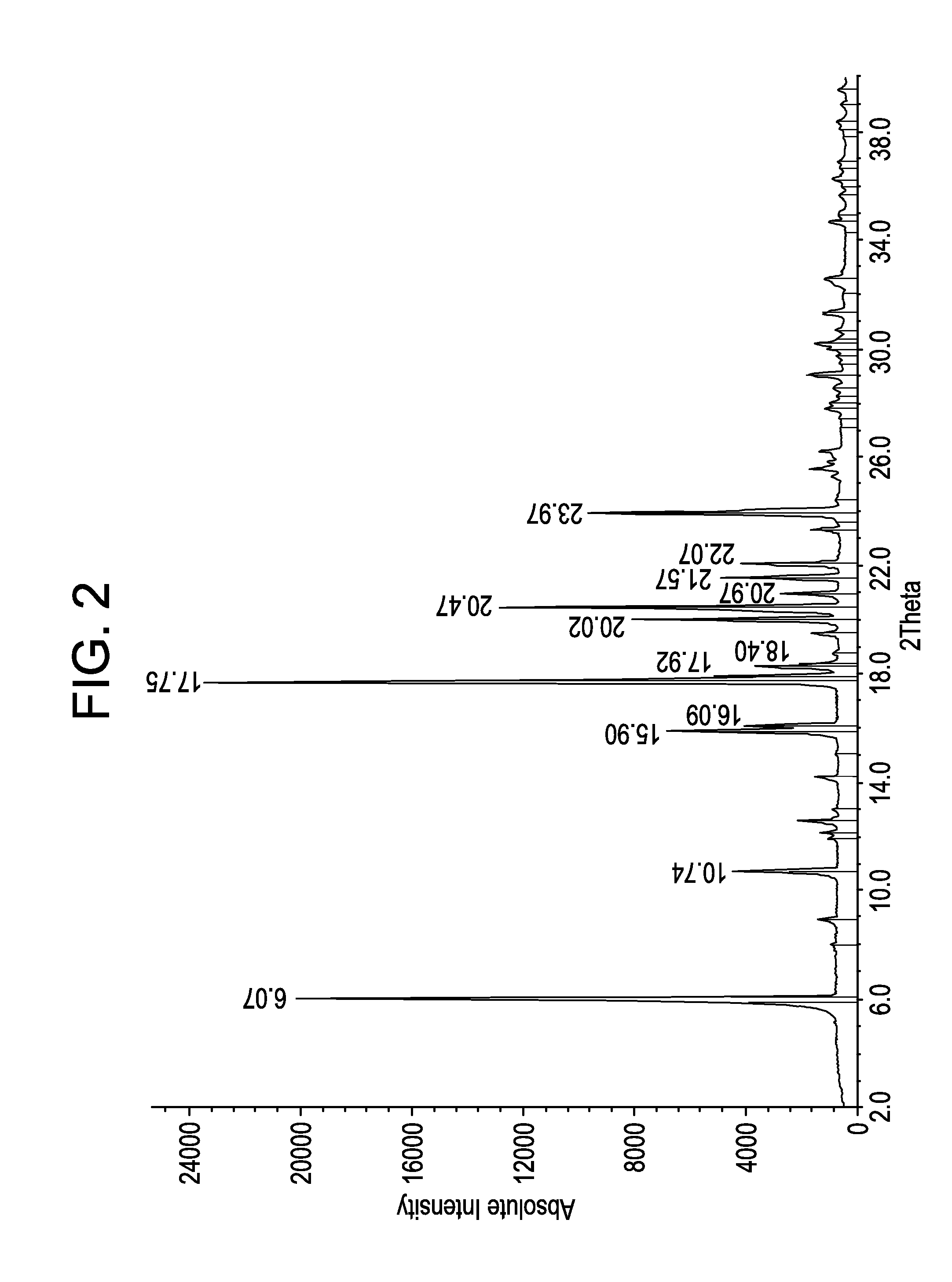
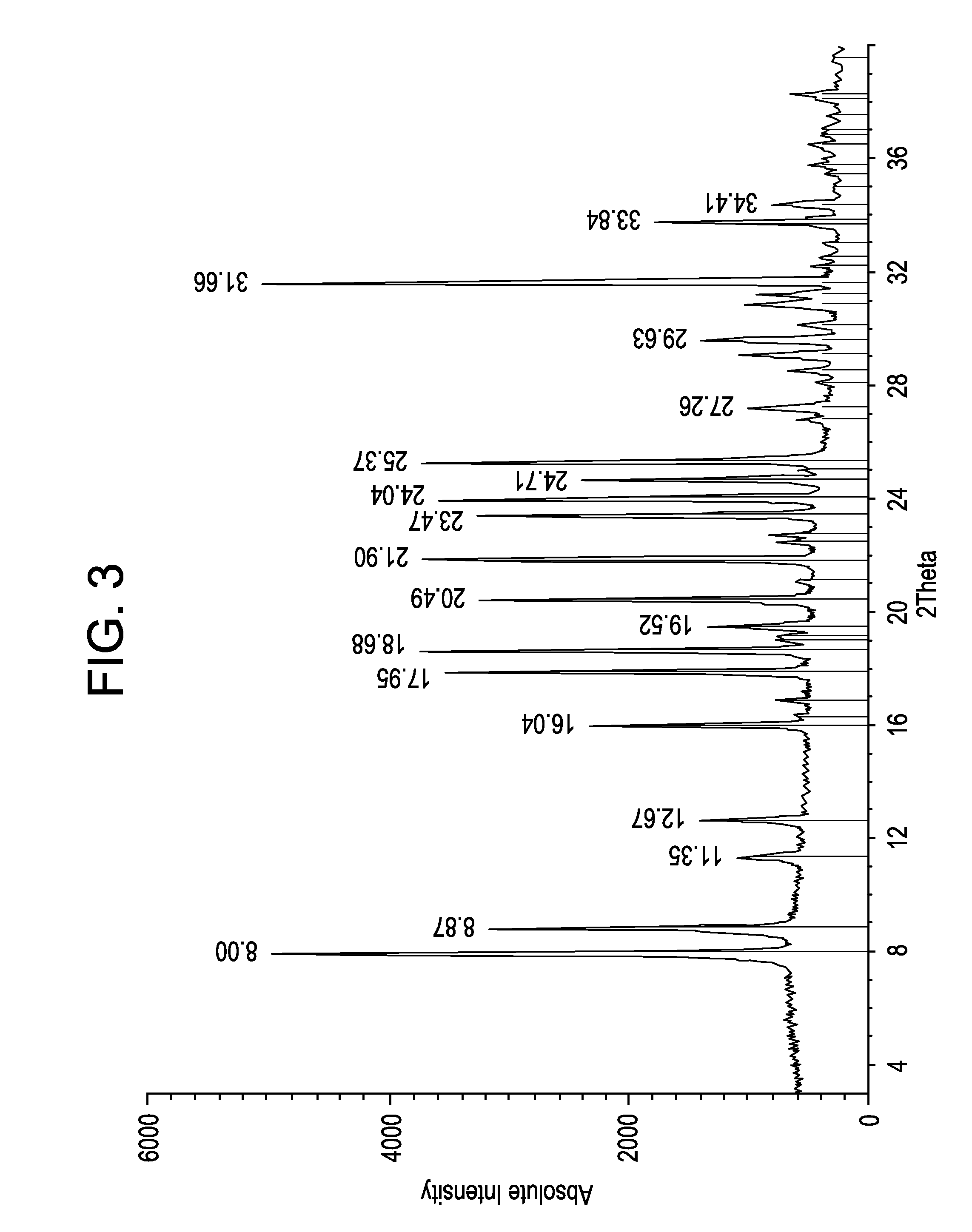
Examples
examples
1. (R)-boc-2-amino-N-benzyl-3-hydroxy-propionamide (III)
[0037]In a 4 L flask with overhead stirrer, thermometer, dropping funnel and under nitrogen were combined 150 g boc-(D)-serine (0.731 mol) (ee>99%), 1.5 kg ethyl acetate and 221.5 g 4-methylmorpholine (2.19 mol). The reactor was cooled in an ice bath to 4-8° C. and 129.4 g benzylamine (1.24 mol) slowly added. After complete addition a thick slurry was obtained. 525 g of T3P® in ethyl acetate (2,4,6-tri-n-propyl-2,4,6-trioxo-1,3,5,2,4,6-trioxatriphosphorinane as a 50% w / w solution in ethyl acetate, 0.826 mol) were slowly added, maintaining the temperature below 15° C. The mixture was cooled and stirred on ice at 4-8° C. for 1.5 hours, then at 25° C. for 2 hours. The reaction was quenched by the addition of 400 ml water and stirred for a further 30 minutes. The phases were separated and the aqueous phase re-extracted with 750 ml ethyl acetate. The combined organic phases were washed 200 ml water, adjusted to pH 6 with 37% HCl, th...
PUM
| Property | Measurement | Unit |
|---|---|---|
| temperature | aaaaa | aaaaa |
| temperature | aaaaa | aaaaa |
| temperatures | aaaaa | aaaaa |
Abstract
Description
Claims
Application Information
 Login to View More