
3D stereo display technology
A stereoscopic display, 3D technology, applied in static indicators, optics, instruments, etc., can solve the problems of large amount of data, narrow viewing angle, complex structure, etc.
Patent Information
- Authority / Receiving Office
- CN · China
- Patent Type
- Applications(China)
- Current Assignee / Owner
- Publication Date
- 2011-04-20
- Estimated Expiration
- Not applicable · inactive patent
Smart Images
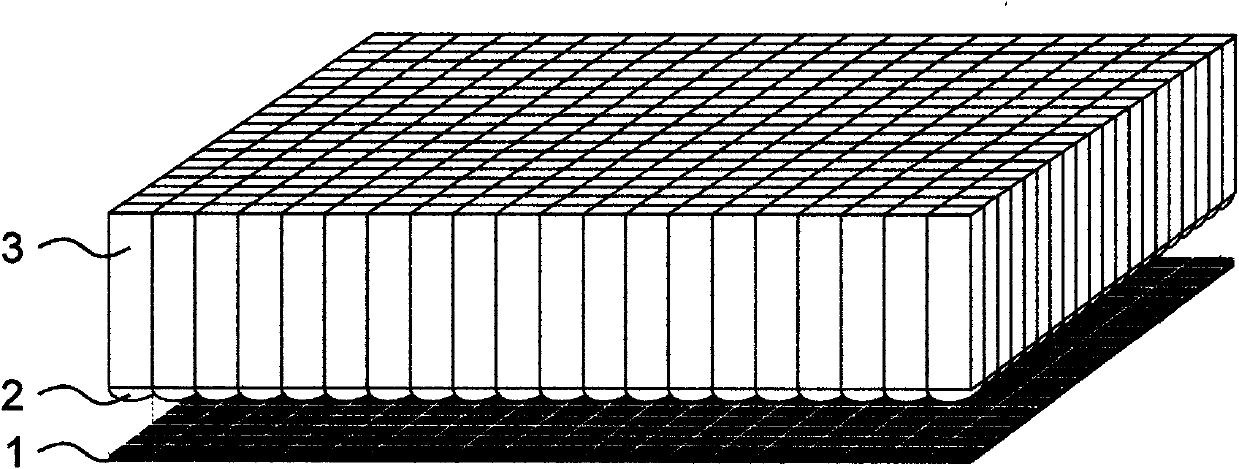
Figure 1 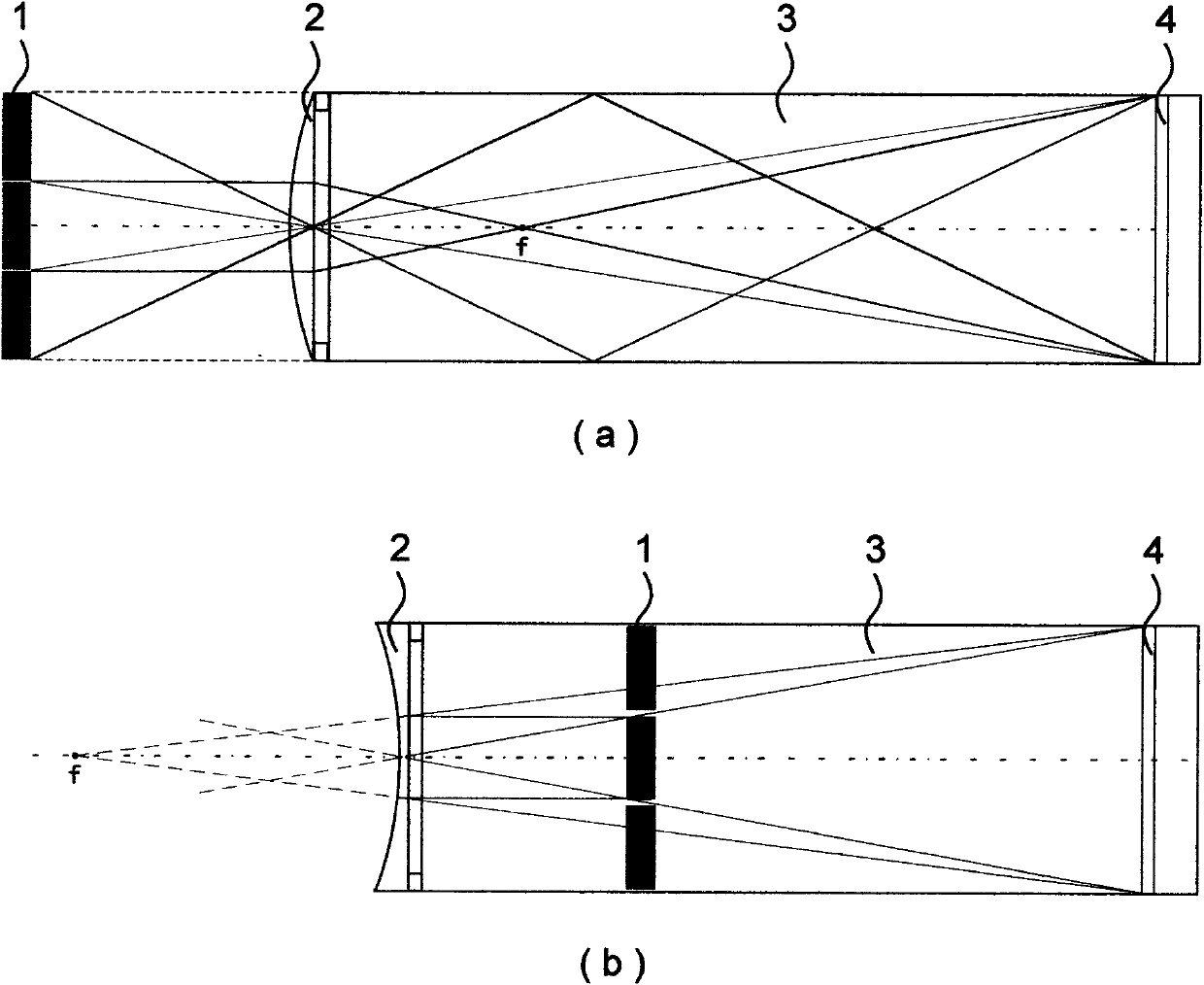
Figure 2 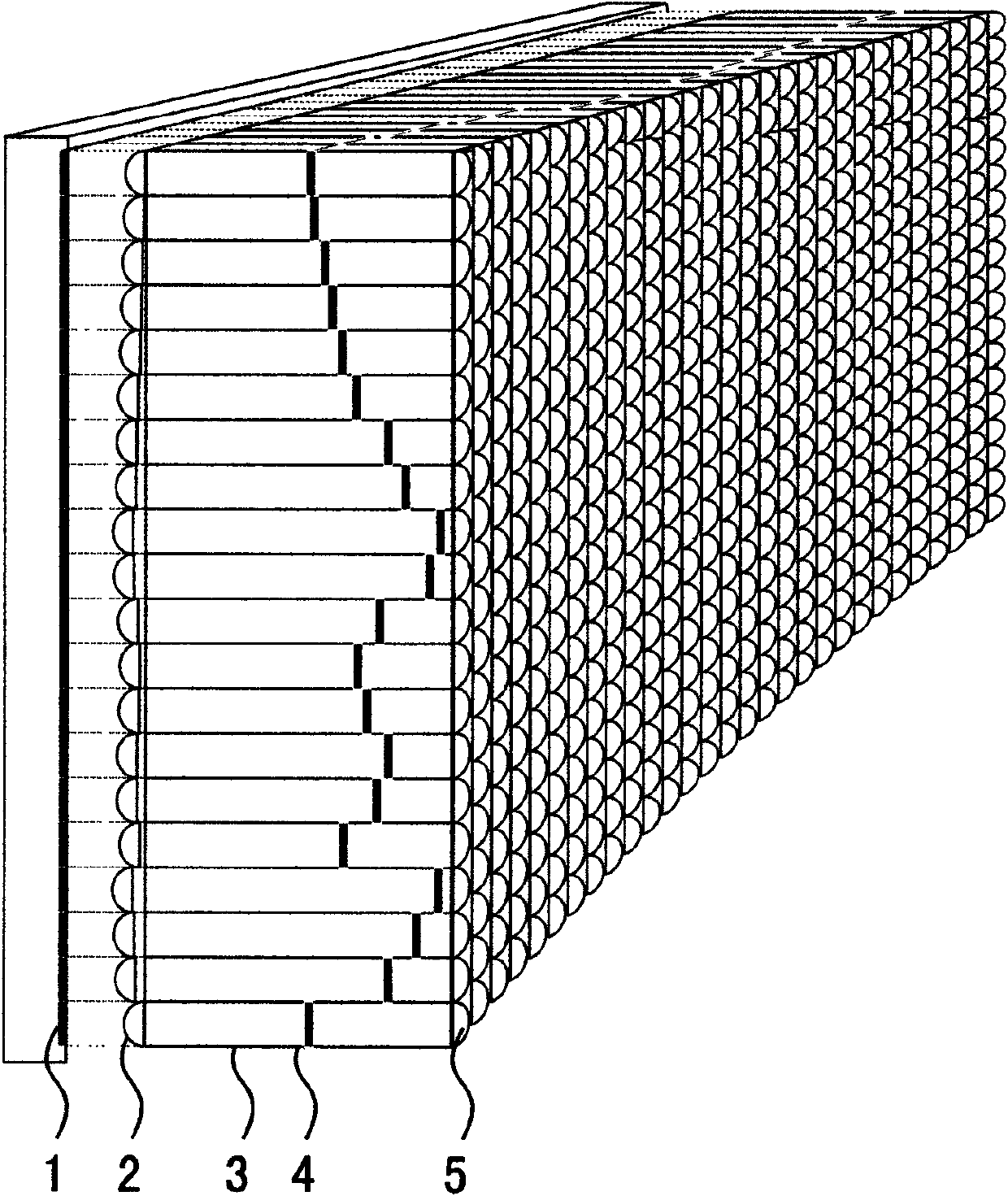
Figure 3
Abstract
Description
Technical field
[0001] The invention relates to a 3D stereoscopic display technical solution suitable for viewing with naked eyes, in particular to a 3D stereoscopic display technical solution for realizing restoration of a real scene by real-time modulation of the color and image distance of each pixel in a display matrix. Background technique
[0002] At present, the commonly known stereoscopic display technologies are as follows: 1. Polarized light separation stereoscopic display technology; 2. Field scanning stereoscopic display technology; 3. Left and right shift stereoscopic display technology; 4. Red and green separation stereoscopic display technology; 5. Holographic three-dimensional display technology; 6. Grid offset three-dimensional display technology; 7. Prism offset three-dimensional display technology. Among them, 1, 2, 3, and 4 all need to wear glasses, and 5, 6, and 7 do not need to wear glasses. The above various implementation technologies will be compare...
Examples
Embodiment Construction
[0045] An embodiment of the present invention: a 3D stereoscopic display using a constant-voltage uniform electric field to drive a lens with modulated charges.
[0046] Using integrated circuit manufacturing technology or other micro-electromechanical processing technology, the transparent electrode layer, spring, focusing lens and driving circuit are made on a liquid crystal display corresponding to the area of each imaging unit to form a focusing lens matrix, which completely corresponds to each liquid crystal. The imaging unit has a conductive film on the surface of the focusing lens, and the conductive film is connected to the storage and drive circuits. Install a cylindrical lens matrix at a certain distance above the focusing lens matrix. The distance can be equal to or less than the focal length of the lens. The cross-sectional area of each cylindrical lens is equal to the area of a liquid crystal display unit. The height of the cylindrical lens matrix is determ...