
High partial discharge voltage solar battery back board base film and preparation method thereof
A technology for solar cells and backplane base films, which can be used in chemical instruments and methods, lamination, electronic equipment, etc., and can solve problems such as insufficient
Patent Information
- Authority / Receiving Office
- CN · China
- Patent Type
- Applications(China)
- Current Assignee / Owner
- Publication Date
- 2016-02-03
Smart Images
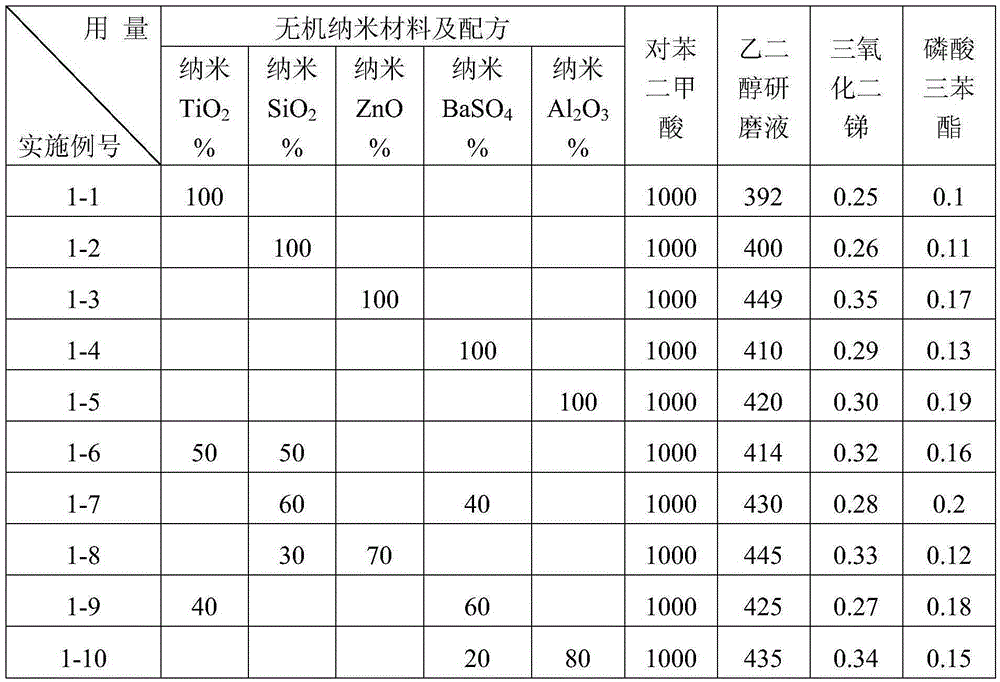
Figure 1 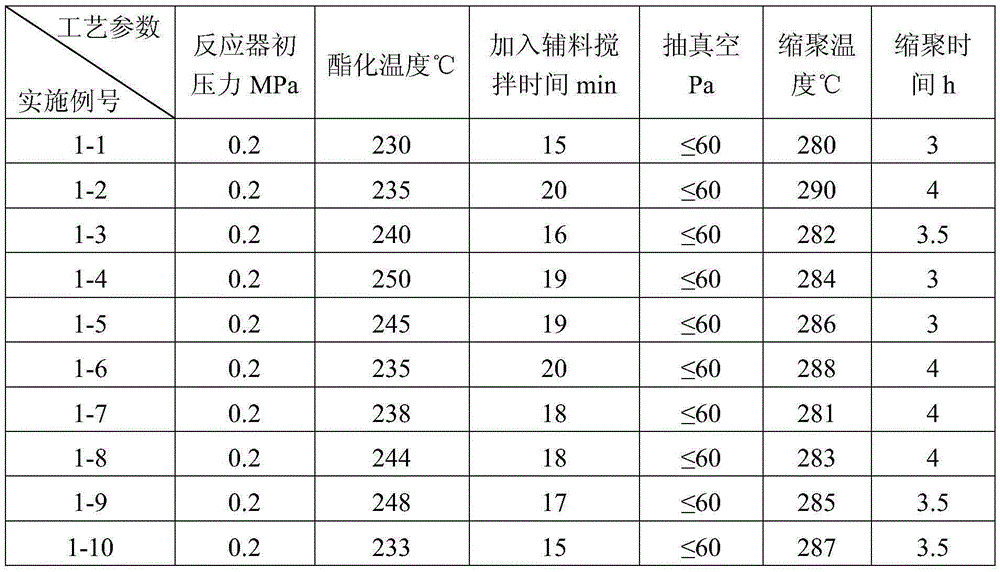
Figure 2 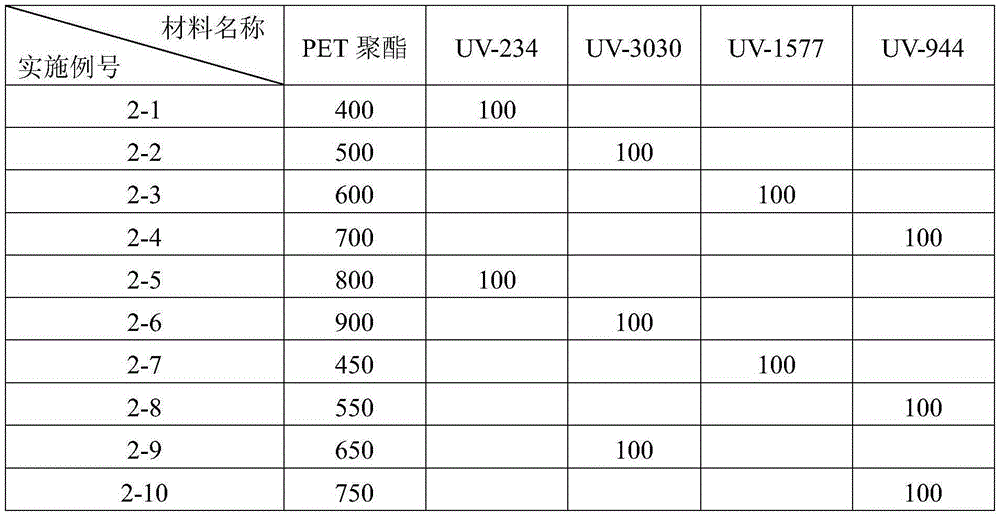
Figure 3
Abstract
Description
technical field
[0001] The invention belongs to a functional thin film made of polyester and its preparation, and relates to a high partial discharge voltage solar cell back plate base film and a preparation method thereof. The high partial discharge voltage solar battery backplane base film of the invention is suitable for the manufacture of solar photovoltaic battery backplane materials. Background technique
[0002] In recent years, with the improvement of the voltage level of power equipment and the wide application of various organic insulating materials, the problem of partial discharge (referred to as PD) of power equipment has become more and more prominent. Partial discharge will gradually corrode and damage the insulating material, and the discharge area will continue to expand, eventually leading to the breakdown of the entire insulator. Therefore, it is very important to study the partial discharge of the solar battery backplane base film; in the prior art, the ...
Examples
preparation example Construction
[0078] Part VI Preparation of Hydrolysis-resistant PET Resin
[0079] Basic process: Mix 1 mass part of the hydrolysis-resistant PET masterbatch prepared in Examples 3-1 to 3-10 and 9 to 99 mass parts of PET polyester resin with an intrinsic viscosity of 0.60dl / g to 0.85dl / g, and mix evenly in After drying at a drying temperature of 150°C to 170°C for 2h to 4h, extrude through twin-screw extruder 4# at a temperature of 265°C to 285°C, pelletize, and set aside.
[0080] The formulation and dosage of the hydrolysis-resistant PET resin prepared in Examples 5-1 to 5-10 are shown in Table 6 below:
[0081] Table 6: Formulation table of the hydrolysis-resistant PET resin of Examples 5-1 to 5-10 (unit: ㎏)
[0082]
[0083] Note: The hydrolysis-resistant PET masterbatches in Examples 3-1 to 3-10 are used in sequence for each example in Examples 5-1 to 5-10 in the above table.
[0084] Part VII Preparation of Base Film for High PD Voltage Solar Cell Backplane
[0085] Basic proce...
Embodiment 7
[0094] A high partial discharge voltage solar battery backplane base film, the high partial discharge voltage solar battery backplane base film is composed of A-layer polyester film with high partial discharge voltage function and B-layer polyester film with hydrolysis resistance function , the mass ratio of the A-layer polyester film to the B-layer polyester film is 400:100, and the thickness of the base film of the high partial discharge voltage solar cell backplane is 100 μm;
[0095] The high partial discharge voltage solar battery backplane base film is made by passing 400 parts by mass of the high partial discharge voltage PET resin for the A layer and 100 parts by mass of the hydrolysis-resistant PET resin for the B layer through two extruders at 260° C. After melting, it is extruded by layered co-extrusion through a resin melt distributor, cast on a cold drum at 15°C, then stretched 2.9 times in the longitudinal direction and 3.0 times in the transverse direction, and h...
Embodiment 8
[0102] A high partial discharge voltage solar battery backplane base film, the high partial discharge voltage solar battery backplane base film is composed of A-layer polyester film with high partial discharge voltage function and B-layer polyester film with hydrolysis resistance function , the mass ratio of the A-layer polyester film to the B-layer polyester film is 900:100, and the thickness of the base film of the high partial discharge voltage solar cell backplane is 350 μm;
[0103] The high partial discharge voltage solar battery backplane base film is made by passing 900 parts by mass of the high partial discharge voltage PET resin for the A layer and 100 parts by mass of the hydrolysis-resistant PET resin for the B layer through two extruders at 290° C. After melting, it is extruded by layered co-extrusion through a resin melt distributor, cast on a cold drum at 25°C, and then stretched 3.5 times in the longitudinal direction and 3.5 times in the transverse direction, a...