
UV curing LED package adhesive resin and synthesis method thereof
A technology of LED packaging and synthesis method, applied in the direction of adhesives, etc., can solve the problems of long curing time and cumbersome glue dispensing process, and achieve the effects of convenient operation, simple synthesis process and mild reaction
Patent Information
- Authority / Receiving Office
- CN · China
- Current Assignee / Owner
- Publication Date
- 2016-05-04
- Estimated Expiration
- Not applicable · inactive patent
Smart Images
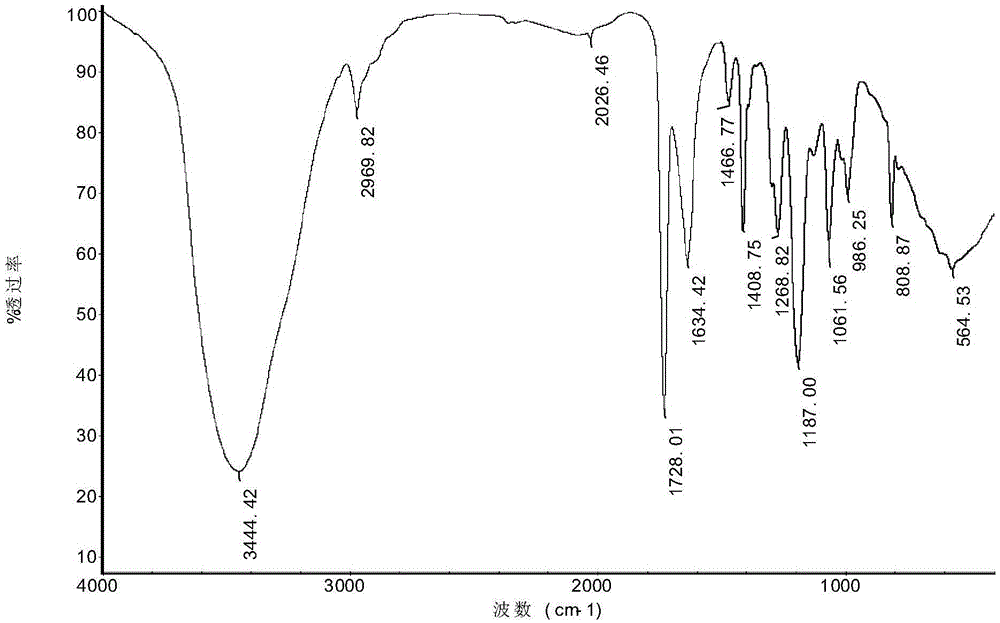
Figure 1 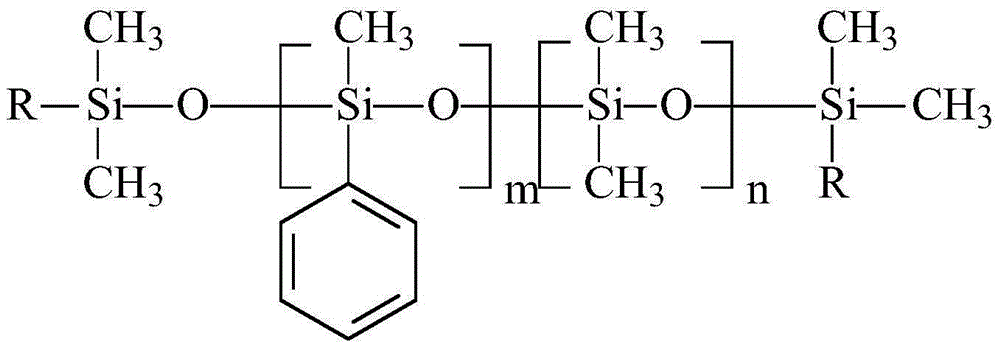
Figure 2 
Figure 3
Abstract
Description
technical field
[0001] The invention belongs to the technical field of polymer materials, and in particular relates to a UV curing LED encapsulation adhesive resin and a synthesis method thereof. Background technique
[0002] At present, the main processes in the preparation of LEDs involve: solid crystal, curing, bonding, packaging, post-curing, testing and other process steps. The post-encapsulation curing basically requires heating the device above 100°C to complete the curing of the silicone encapsulant, which generally takes several hours. Greatly reduced production efficiency. In addition, the traditional double-package LED encapsulant is also very inconvenient to use. The existing problems mainly include: on the one hand, due to the high viscosity of the encapsulant, the mixing is uneven; The development needs of high-power LED packaging industry in fast assembly line. Contents of the invention
[0003] In order to solve the problems existing in the above-mention...
Examples
Embodiment 1
[0031] A kind of synthetic method of UV curing LED encapsulation resin, the steps are as follows:
[0032] (1) Mix 100 parts of diphenyldimethoxysilane, 10 parts of dimethyldimethoxysilane, 30 parts of hydrogen-containing double head, 20 parts of distilled water, 100 parts of solvent (benzene and toluene weight ratio 1:1 ), 0.03 parts of 38wt% hydrochloric acid were added to the container successively, the temperature was raised to 60° C., stirred for 4 hours at a constant temperature, then heated to 100° C., stirred for 4 hours at a constant temperature, and the resulting reaction solution was washed with distilled water until neutral, and then the temperature was controlled to Distill under reduced pressure at 200°C and pressure -0.096MPa for 1.0h to remove the solvent and residual moisture to obtain phenyl hydrogen-containing silicone oil.
[0033] (2) 10g of phenyl hydrogen-containing silicone oil and 20g of hyperbranched polyester acrylate are added in a certain proportio...
Embodiment 2
[0041] A kind of synthetic method of UV curing LED encapsulation resin, the steps are as follows:
[0042] (1) 150 parts of diphenyldimethoxysilane, 40 parts of dimethyldimethoxysilane, 50 parts of hydrogen-containing double heads, 60 parts of distilled water, 200 parts of toluene, and 1 part of 98wt% sulfuric acid are added to the In the container, raise the temperature to 90°C, keep the temperature under stirring for 8 hours, then raise the temperature to 120°C, and react at the constant temperature for 4 hours under stirring. Distill under pressure for 3.0h to remove the solvent and residual moisture to obtain phenyl hydrogen-containing silicone oil.
[0043](2) Put 10g of phenyl hydrogen-containing silicone oil and 10g of hyperbranched polyester acrylate into a 500ml three-necked flask, then add 0.005g of polymerization inhibitor, pass in protective gas, stir and heat, raise the temperature to 80°C, add 0.02g of the complex of chloroplatinic acid, stirred at a constant te...