
Interleukine 10 immunoconjugates
A drug and fusion protein technology, applied in the field of fusion protein, can solve the problem of no significant improvement in the clinical symptoms of mucosal inflammation
Patent Information
- Authority / Receiving Office
- CN · China
- Patent Type
- Applications(China)
- Current Assignee / Owner
- Publication Date
- 2016-10-26
Smart Images
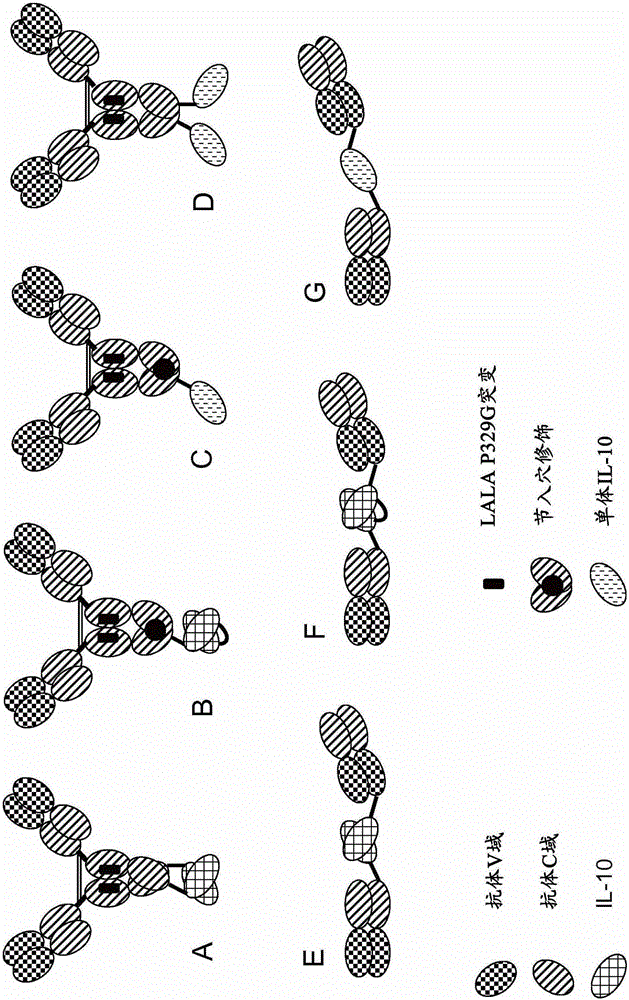
Figure 1 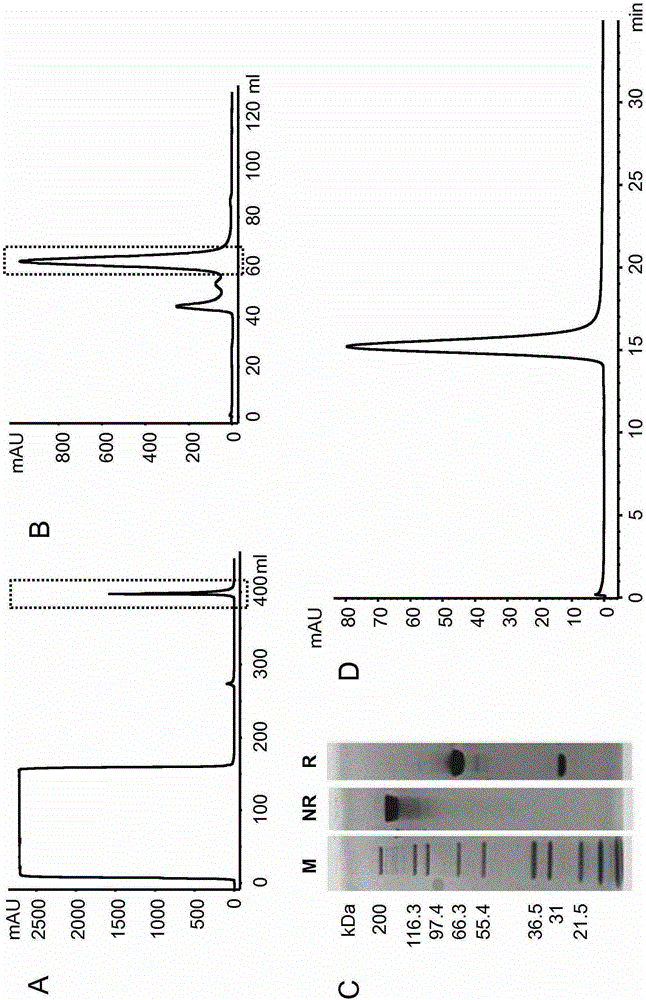
Figure 2 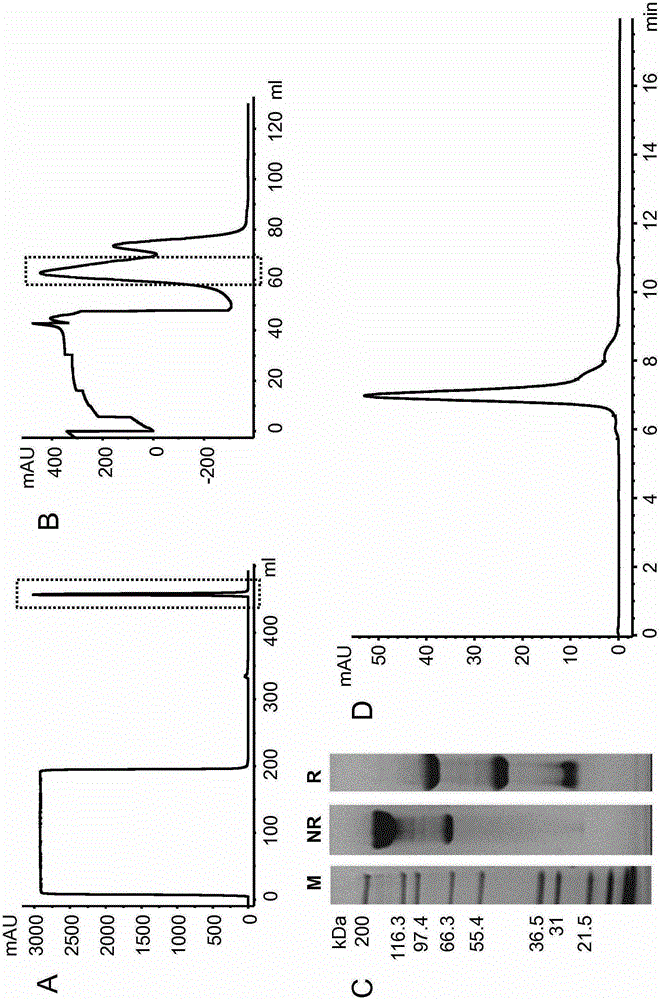
Figure 3
Abstract
Description
field of invention
[0001] The present invention generally relates to fusion proteins of antibodies and interleukin-10 (IL-10). More particularly, the present invention concerns fusion proteins of antibodies and mutant IL-10 exhibiting improved properties for use as therapeutic agents, for example in the treatment of inflammatory diseases. In addition, the present invention relates to polynucleotides encoding such fusion proteins, as well as vectors and host cells comprising such polynucleotides. The invention further relates to methods for producing fusion proteins of the invention, and methods of using them in the treatment of diseases. Background of the invention
[0002] Biological functions of IL-10
[0003] IL-10 is an alpha-helical cytokine expressed as a non-covalently linked homodimer of approximately 37 kDa. It plays a key role in tolerance induction and maintenance. Its dominant anti-inflammatory properties have been known for a long time. IL-10 suppresses the...
Examples
Embodiment
[0171] The following are examples of methods and compositions of the invention. It is understood that various other embodiments may be practiced, given the general description provided above.
[0172] recombinant DNA technology
[0173] DNA was manipulated using standard methods, as described in Sambrook et al., Molecular cloning: A laboratory manual; Cold Spring Harbor Laboratory Press, Cold Spring Harbor, New York, 1989. Molecular biology reagents were used according to the manufacturer's instructions. The DNA sequence was determined by double-strand sequencing. For general information on light and heavy chain nucleotide sequences of human immunoglobulins see: Kabat, E.A. et al., (1991) Sequences of Proteins of Immunological Interest, Fifth Ed., NIH Publication No. 91-3242.
[0174] gene synthesis
[0175] Desired gene segments were generated by PCR using appropriate templates or synthesized from synthetic oligonucleotides and PCR products by automated gene synthesis at ...