
Application of miR-22 in preparation of bladder cancer chemosensitization treatment drugs as target site
A therapeutic drug, 1. The technology of mir-22, applied in the field of biomedicine, can solve the problems such as unclear influence of paclitaxel
Patent Information
- Authority / Receiving Office
- CN · China
- Current Assignee / Owner
- Publication Date
- 2017-12-05
- Estimated Expiration
- Not applicable · inactive patent
Smart Images
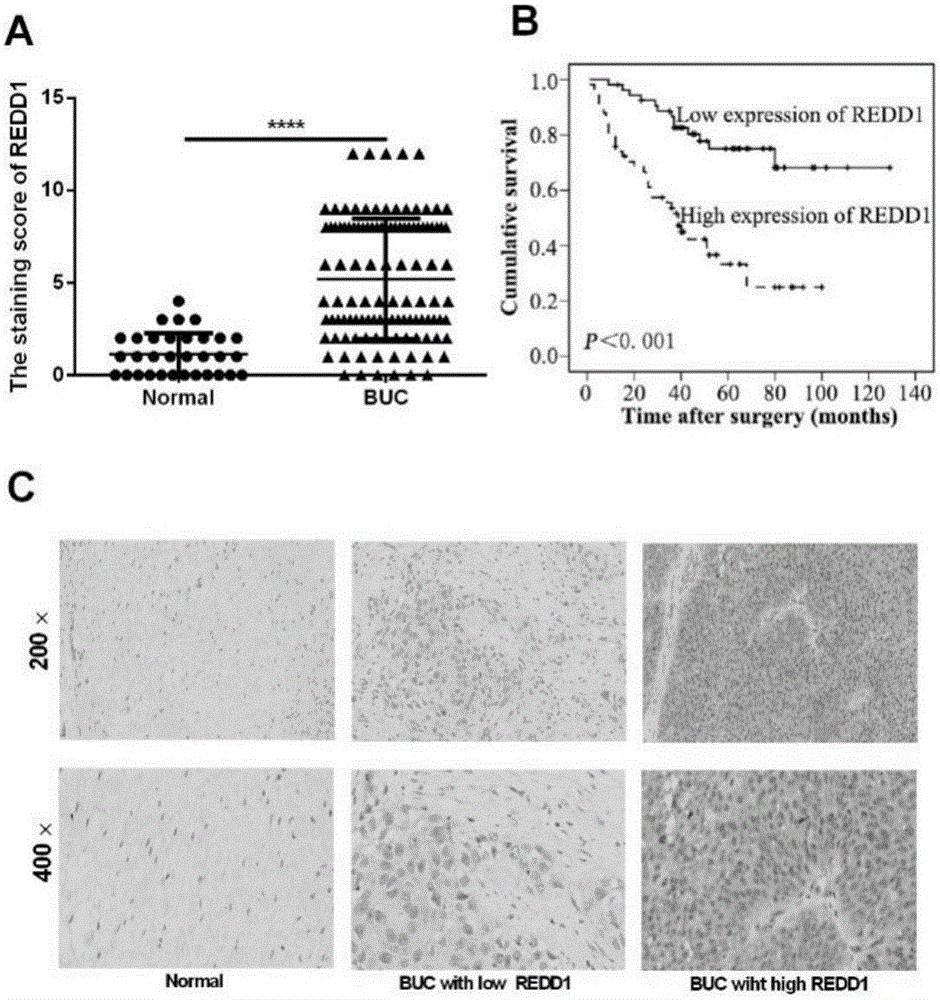
Figure 1 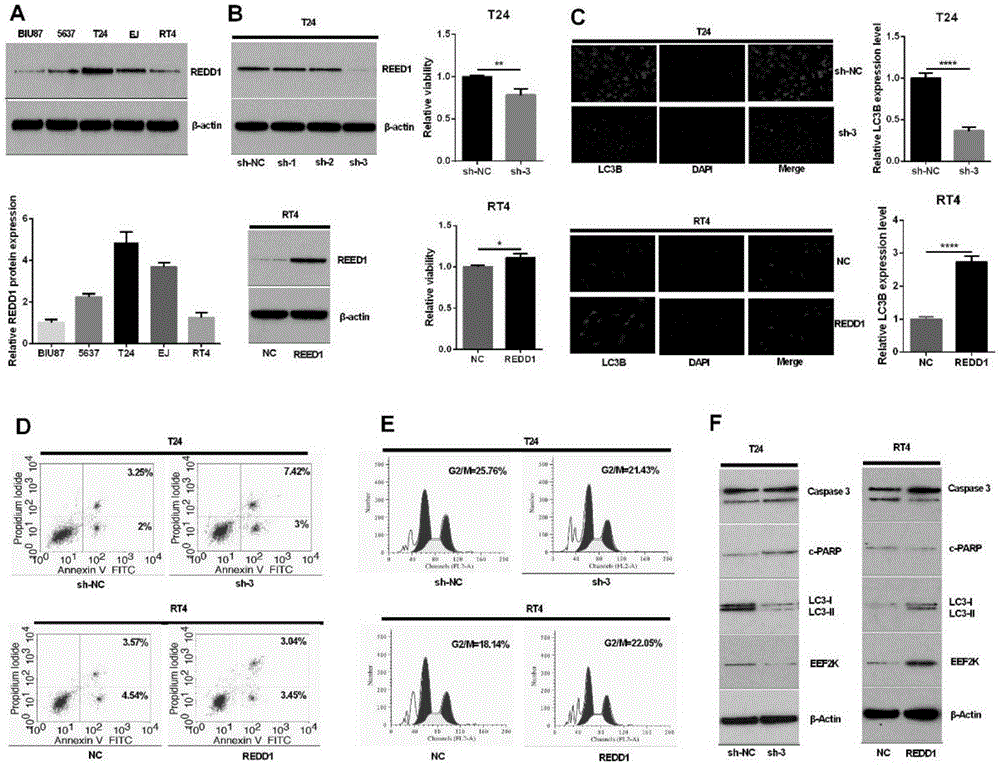
Figure 2 
Figure 3
Abstract
Description
technical field
[0001] The invention belongs to the technical field of biomedicine, and in particular relates to the application of miR-22 as a target site in the preparation of chemotherapy sensitization drugs for bladder cancer. Background technique
[0002] BUC is the most common malignant tumor in the urinary system with high recurrence and progression rates. Surgical resection is the standard treatment for BUC, but 50% of patients with muscle-invasive BUC die within 2 years of postoperative recurrence and metastasis. Combined chemotherapy can reduce the recurrence rate of bladder cancer and improve the survival rate of patients. The microtubule stabilizer paclitaxel has been shown to have a good effect on BUC. A recent phase III clinical trial found that the PCG regimen with the addition of paclitaxel to the standard chemotherapy regimen cisplatin plus gemcitabine (GC) can effectively improve the overall response rate and overall survival rate of BUC. However, the oc...
Examples
Embodiment Construction
[0019] Down-regulation of REDD1 expression can increase the sensitivity of bladder cancer to paclitaxel by inhibiting autophagy
[0020] Paraffin sections of 112 bladder cancer tissues and 32 normal bladder tissues were collected for immunohistochemical analysis. The results showed that compared with normal bladder tissue, REDD1 was significantly highly expressed in bladder cancer tissue ( figure 1A). Kaplan-Meier curves analysis found that bladder cancer patients with high expression of REDD1 had a poor prognosis ( figure 1 B).
[0021] Since REDD1 is highly expressed in BUC, and the high and low expression of REDD1 is closely related to the prognosis of patients, we further explored the effect of intervening REDD1 expression on the proliferation and apoptosis of bladder cancer cell lines. First, we analyzed the expression levels of REDD1 in bladder cancer cell lines BIU87, 5637, T24, EJ, and RT4, and found that the expression levels of REDD1 were higher in T24 and EJ with...