
Recombinant canine C-reactive protein and preparation of mono-clone antibody
A recombinant protein and reactive protein technology, applied in the field of early diagnosis of canine inflammation and peptides, can solve the problems of hindering the preparation of monoclonal antibodies, poor specificity and low expression of monoclonal antibodies, to ensure broad-spectrum detection and improve detection sensitivity. , the effect of improving the expression level
Patent Information
- Authority / Receiving Office
- CN · China
- Current Assignee / Owner
- Publication Date
- 2018-05-29
Smart Images
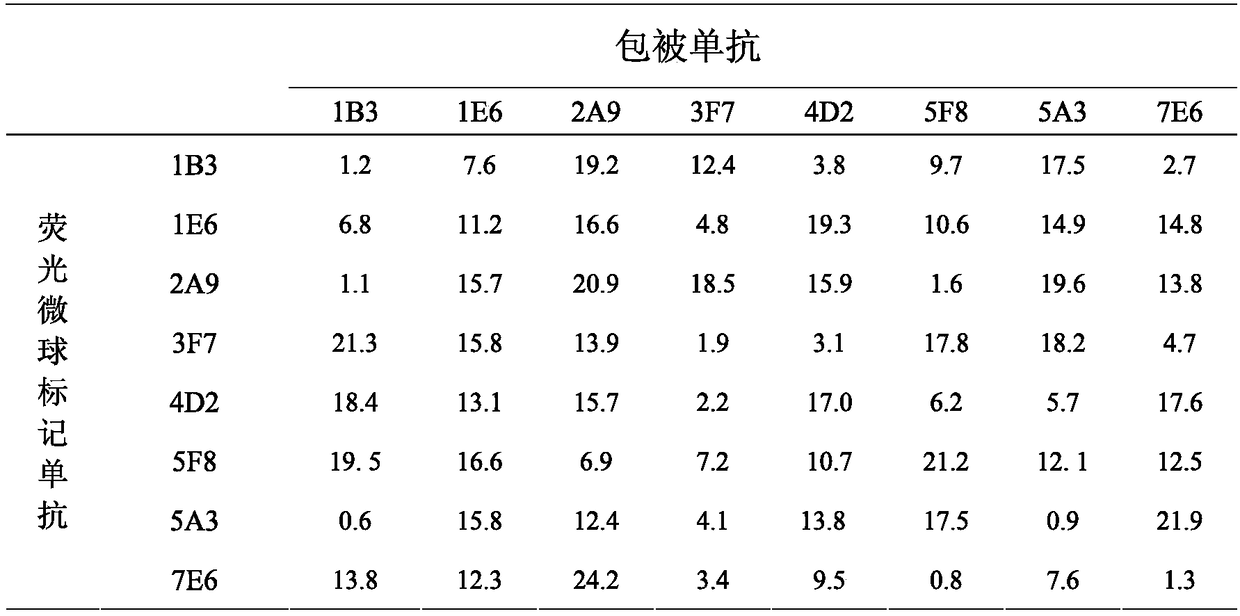
Figure 1 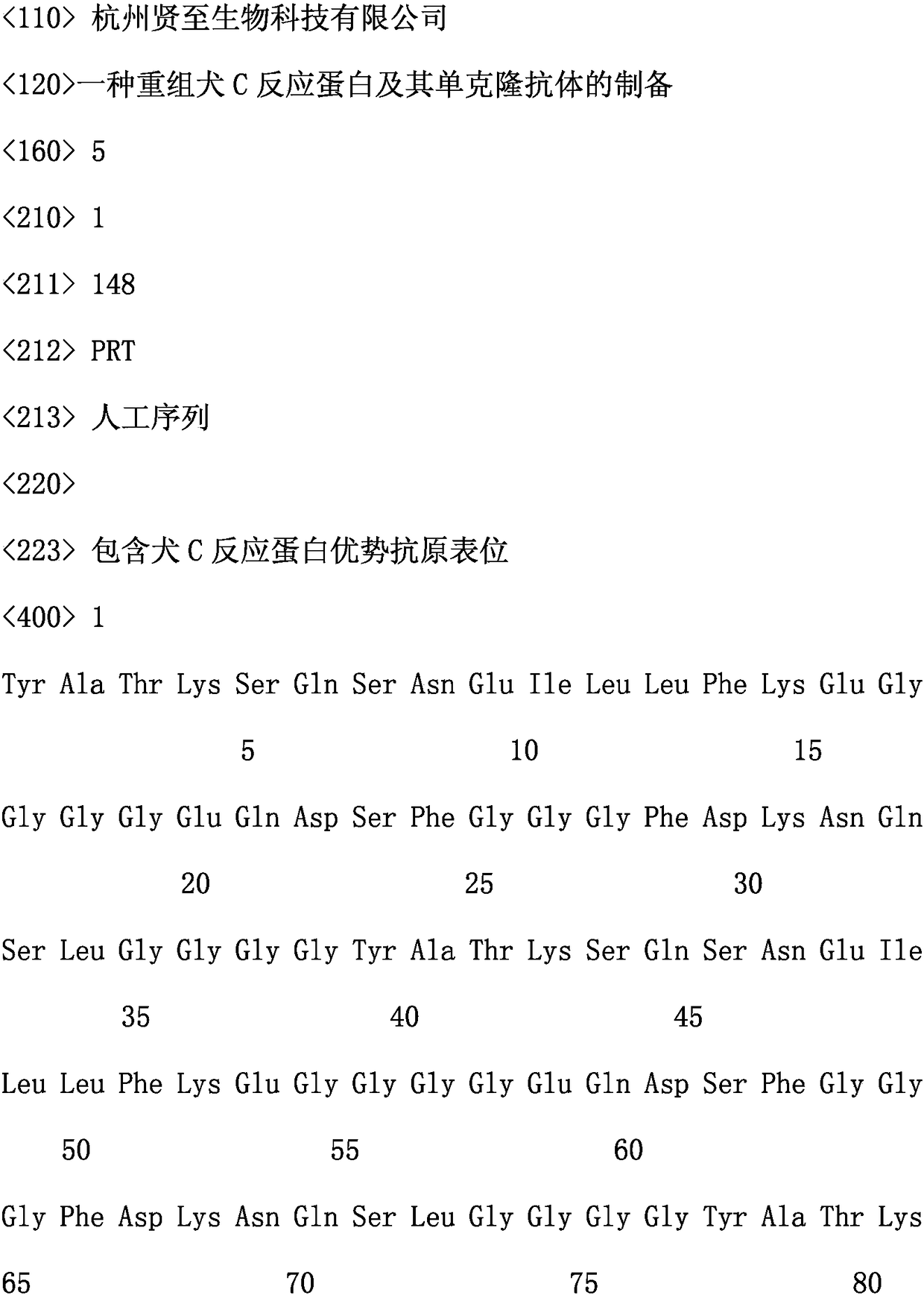
Figure 2 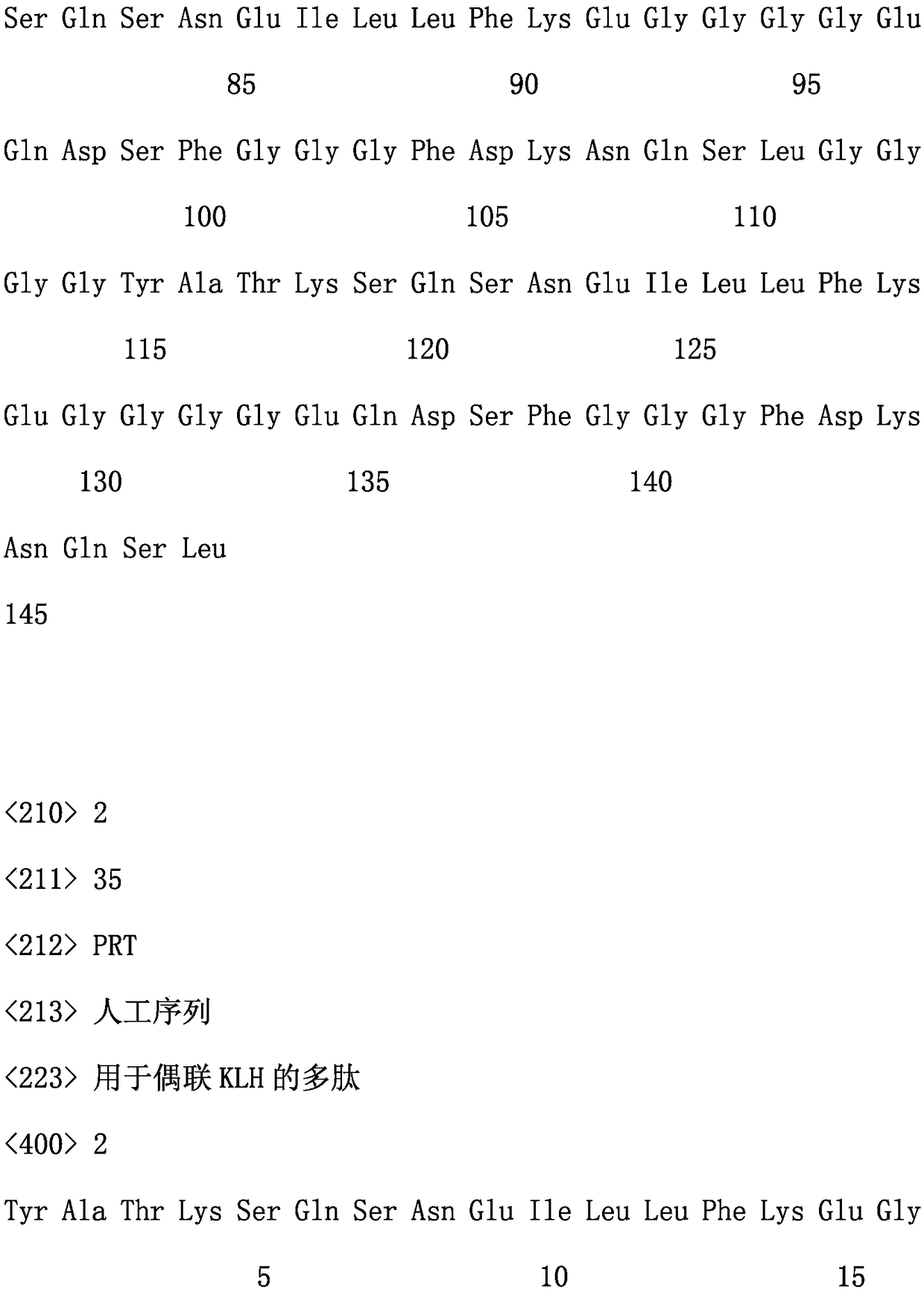
Figure 3
Abstract
Description
technical field
[0001] The invention belongs to the field of biotechnology and relates to a polypeptide, which is chemically synthesized and coupled to KLH protein. It also involves a recombinant protein, a nucleotide sequence encoding the recombinant protein, a plasmid vector containing the above-mentioned nucleotide sequence, transformation of a strain containing the above-mentioned plasmid vector, and preparation of a canine C-reactive protein monoclonal clone using the above-mentioned KLH coupling protein Antibody, use the above recombinant protein to screen canine C-reactive protein monoclonal antibody and apply it to the early diagnosis of canine inflammation. Background technique
[0002] When the body is stimulated by trauma, infection, etc., there will be an acute phase reaction. The stimulated macrophages, fibroblasts, and endothelial cells will release some pro-inflammatory factors to promote the liver to synthesize some blood acute phase reaction proteins. Acute...
Examples
Embodiment 1
[0017] Example 1: Canine C-reactive protein dominant epitope selection
[0018] Taking canine C-reactive protein as the target antigen, using the biological software DNAssist2.0 to analyze the hydrophilicity and antigenicity of its antigenic epitope sequence, select A dominant antigenic epitope (SEQ ID No: 3) and B dominant antigenic epitope (SEQ ID No: 3) ID No: 4). At the same time, the results of sequence comparison showed that the selected two dominant antigenic epitopes, A and B, had a broad spectrum and were common epitopes for all canine C-reactive protein; and the A and B epitopes had no obvious homology with other protein sequences, Only present in the canine C-reactive protein sequence.
Embodiment 2
[0019] Example 2: Synthesis of polypeptides containing dominant epitopes of canine C-reactive protein
[0020] In order to enhance the activation effect of the selected epitope on the mouse immune system and shorten the preparation time of monoclonal antibodies, two dominant epitope sequences of canine C-reactive protein A and B were chemically synthesized and connected in series, and cysteine was connected at the end (synthesized by Nanjing GenScript Biotechnology Co., Ltd.) to obtain a polypeptide, the specific sequence of which is shown in SEQ ID No: 2 in the sequence table.
Embodiment 3
[0021] Embodiment 3: polypeptide coupling KLH protein
[0022] Dissolve 20 mg of SMCC in 2 ml of DMF (dimethylformamide), add 0.8 ml of KLH into a 25 ml round bottom flask, and add 1×PBS (pH 7.2) to make the final protein concentration 15 mg / ml. The dissolved SMCC solution was slowly added dropwise to the 120 mg KLH protein system, and the reaction was stirred at room temperature for 1 h. Dialyze with 1L 1×PBS (pH7.4) solution at 4°C for 6 hours to remove free SMCC. Pour the dialyzed KLH protein into a 50ml centrifuge tube to obtain a volume of 20ml. Take out 417ul KLH-SMCC solution and transfer it to a 5ml centrifuge tube. 3.0 mg of polypeptide was dissolved with 0.6 ml of 1×PBS (pH 7.2) solution. The sulfhydryl group in the polypeptide was detected with E1lman reagent, and the OD value was 0.18. The polypeptide solution was added dropwise into the KLH-SMCC tube, and mixed with a vertical mixer at room temperature for 4 hours. The OD value was 0.02 when detected by Ellman...