
Preparation method and application of modified brominated butyl rubber porous material
A technology of bromobutyl rubber and porous materials, applied in chemical instruments and methods, other chemical processes, water/sludge/sewage treatment, etc., can solve the problem of difficult to control the shape and size of pore structure, lack of crack resistance and Self-healing ability and other issues, to achieve the effect of simple, controllable and environmentally friendly operation process, excellent anti-crack performance, and enhanced adsorption capacity
Patent Information
- Authority / Receiving Office
- CN · China
- Patent Type
- Applications(China)
- Current Assignee / Owner
- Publication Date
- 2020-02-11
Smart Images
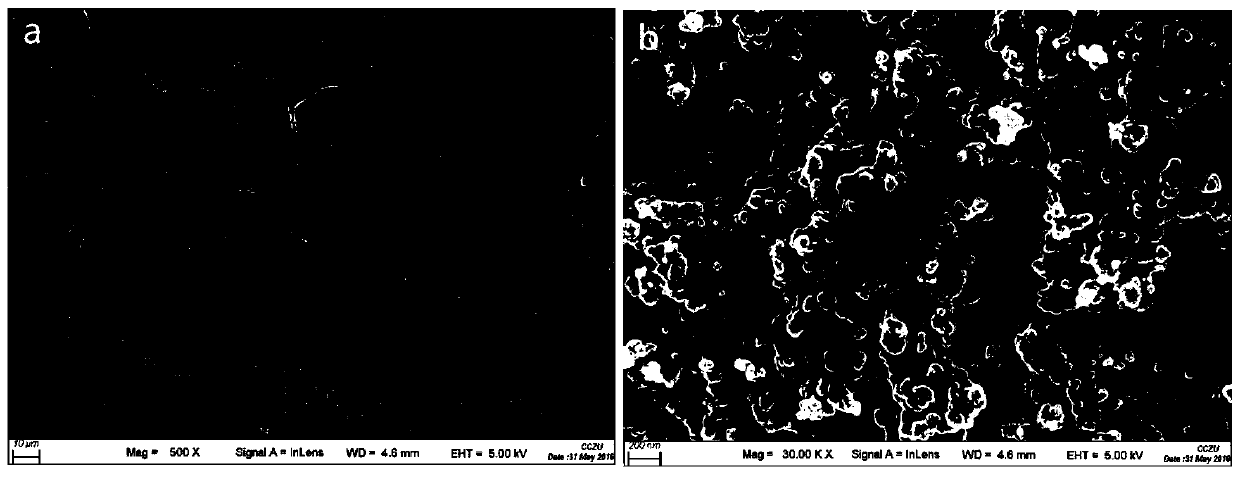
Figure 1 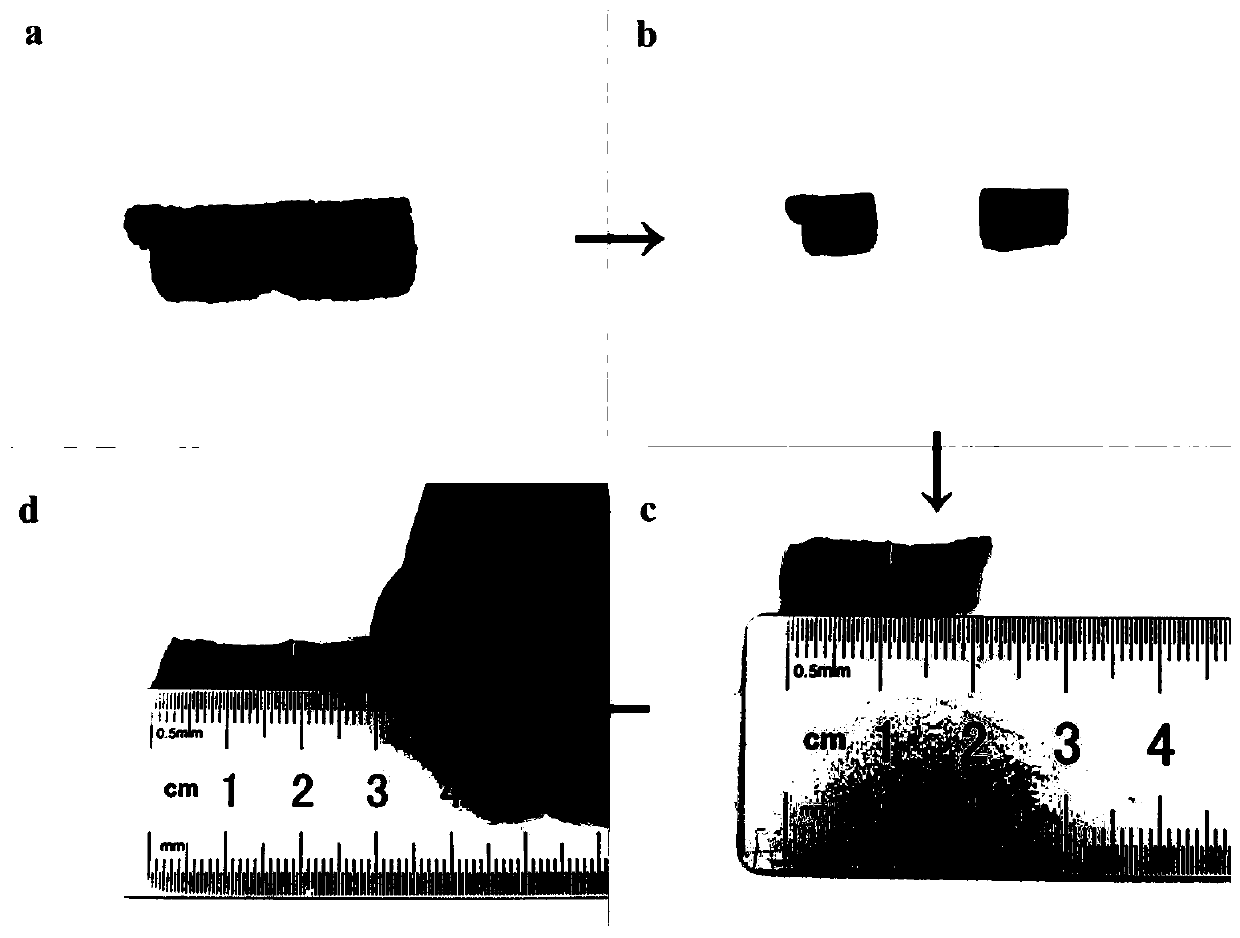
Figure 2 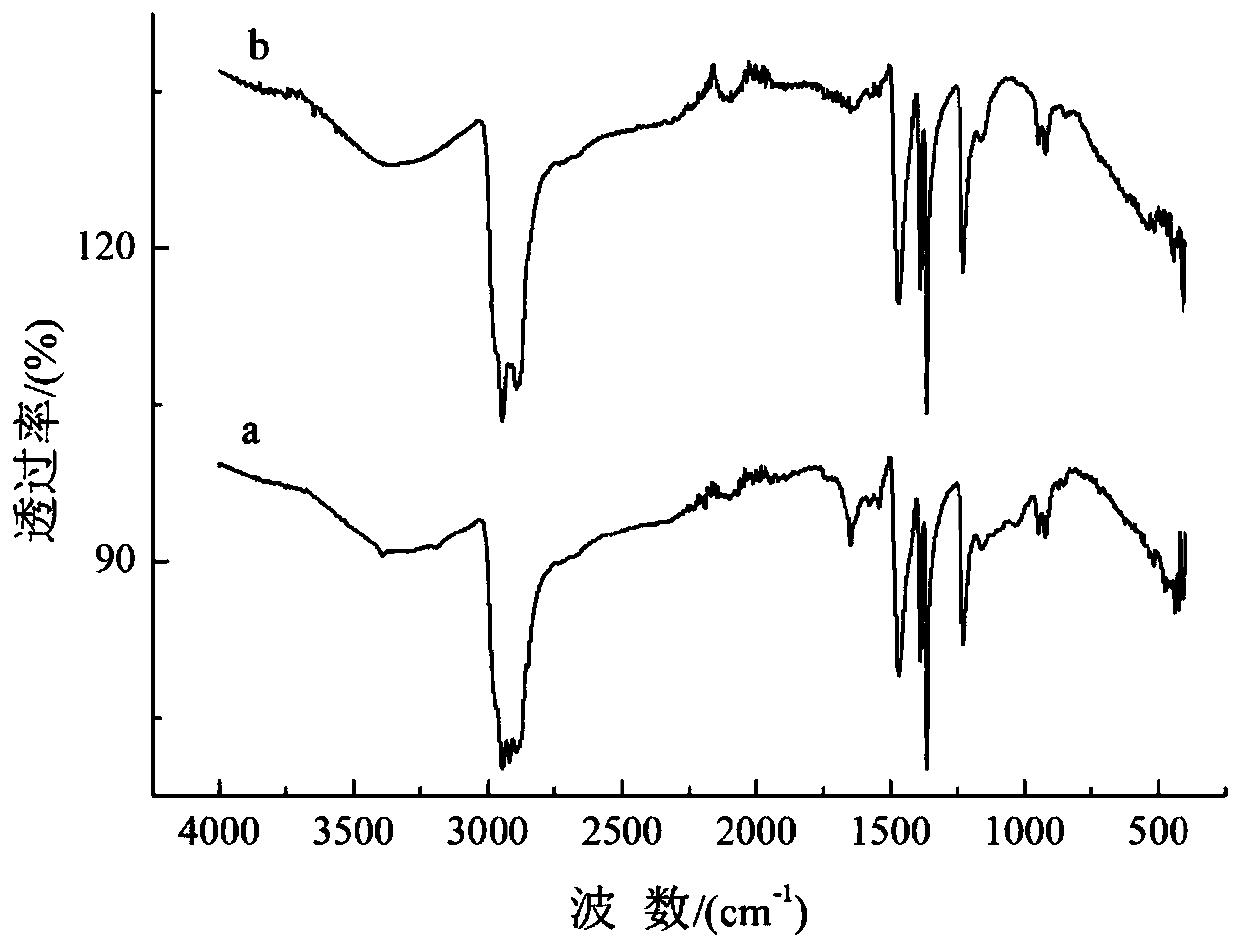
Figure 3
Abstract
Description
technical field
[0001] The invention belongs to the technical field of material preparation and adsorption separation, and relates to a preparation method and application of a modified brominated butyl rubber porous material, in particular to a Pickering emulsion template method for preparing a modified material doped with nano-scale carbon black particles A method of bromobutyl rubber porous material applied to the adsorption and isolation of tetrodotoxin from environmental water samples. Background technique
[0002] Tetrodotoxin (TTX) belongs to amino perhydroquinazoline compounds, is a clathrate orthoester alkaloid, molecular formula is C 11 h 17 N 3 o 8 . As a typical non-protein neurotoxin, TTX is more than 1250 times more toxic than cyanide. It binds to receptors on sodium ion channels, causing nerve and muscle paralysis, limb weakness, paralysis, etc. Patients with severe poisoning will suffer from Central nervous paralysis, respiratory arrest and death, no spec...
Examples
Embodiment 1
[0032] Weigh 25 g of bromobutyl rubber and 1 g of butyl imidazole respectively. At a high temperature of 150°C, the mixture of components was cured in an internal mixer to obtain butyl imidazole-modified brominated butyl rubber INR. Weigh 1.6g of modified bromobutyl rubber INR and 30g of petroleum ether, and mix them for later use. After the mixture has stood at room temperature for more than 4 days, heat it in a water bath for 1 hour, and dissolve the INR with petroleum ether at 65°C to form a uniform mixture. solution to obtain a solution-like modified bromobutyl rubber INR. Weigh 0.16g of CB and 24g of deionized water, and stir with a high-speed mixer to form a uniform suspension. At a temperature of 65°C, slowly pour the CB suspension into the INR solution while stirring, and keep stirring for 20 min to obtain a CB@INR mixture. After removing the excess moisture layered out of the mixture material obtained in the previous step, pour it into a petri dish, place it in an o...
Embodiment 2
[0034] Weigh 26 g of bromobutyl rubber and 1 g of butyl imidazole respectively. At a high temperature of 150°C, the mixture of components was cured in an internal mixer to obtain butyl imidazole-modified brominated butyl rubber INR. Weigh 1.5g of modified bromobutyl rubber INR and 30g of petroleum ether, and mix them for later use. After the mixture is allowed to stand at room temperature for more than 4 days, heat it in a water bath for 1.5 hours, and dissolve the INR with petroleum ether at 65°C to form a uniform mixture. solution to obtain a solution-like modified bromobutyl rubber INR. Weigh 0.175g of CB and 28g of deionized water, and stir with a high-speed mixer to form a uniform suspension. At a temperature of 65°C, slowly pour the CB suspension into the INR solution while stirring, and keep stirring for 23 minutes to obtain a CB@INR mixture. After removing the excess moisture layered out of the mixture material obtained in the previous step, pour it into a petri dish...
Embodiment 3
[0036]Weigh 28 g of bromobutyl rubber and 1 g of butyl imidazole respectively. At a high temperature of 150°C, the mixture of components was cured in an internal mixer to obtain butyl imidazole-modified brominated butyl rubber INR. Weigh 1.4g of modified bromobutyl rubber INR and 30g of petroleum ether, and mix them for later use. After the mixture has stood at room temperature for more than 4 days, heat it in a water bath for 1 hour, and dissolve the INR with petroleum ether at 65°C to form a uniform mixture. solution to obtain a solution-like modified bromobutyl rubber INR. Weigh 0.135g of CB and 23g of deionized water, and stir with a high-speed mixer to form a uniform suspension. At a temperature of 65°C, slowly pour the CB suspension into the INR solution while stirring, and keep stirring for 25 minutes to obtain a CB@INR mixture. After removing the excess moisture layered out of the mixture material obtained in the previous step, pour it into a petri dish, place it in ...