
Preparation method of lorlatinib intermediate compound
A technology of lorlatinib and intermediates, applied in the field of organic synthesis of intermediates, can solve the problems of poor atom economy, unpredictable yield and the like, and achieve the effects of reducing production cost and unit price, simple purification method and high yield
Patent Information
- Authority / Receiving Office
- CN · China
- Patent Type
- Applications(China)
- Current Assignee / Owner
- Publication Date
- 2020-03-27
- Estimated Expiration
- Not applicable · inactive patent
Smart Images
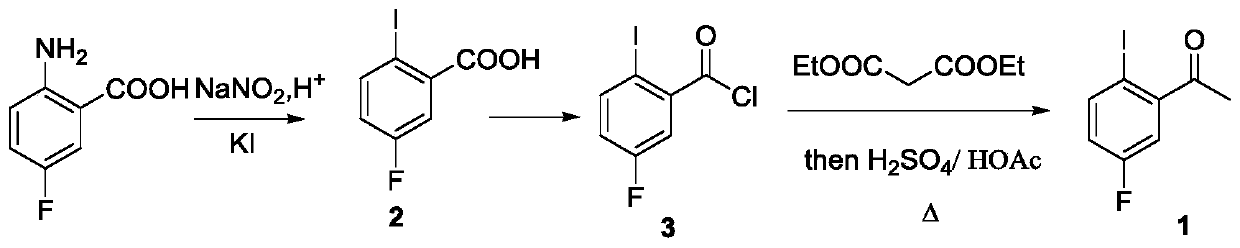
Figure 1 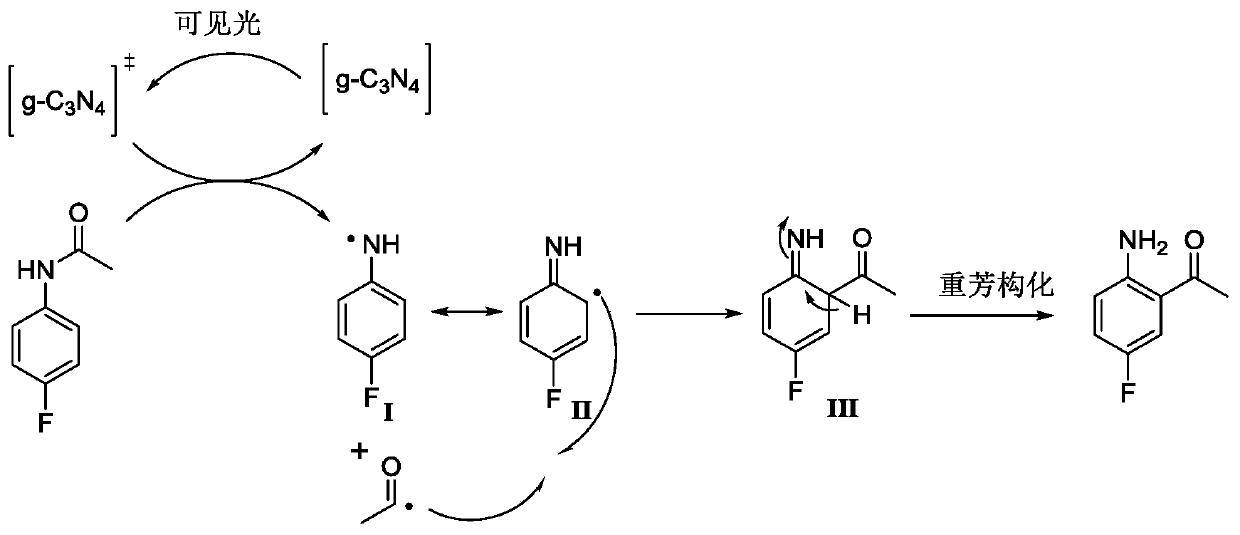
Figure 2 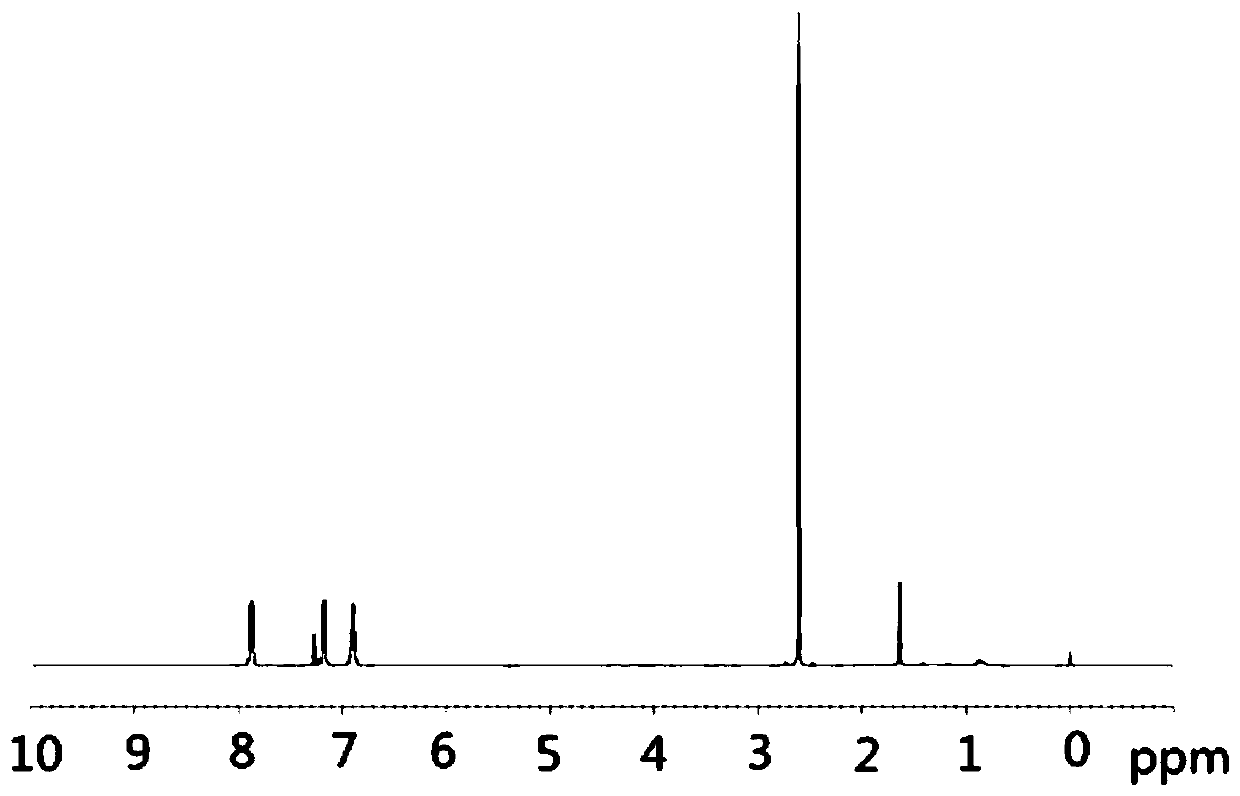
Figure 3
Abstract
Description
technical field
[0001] The invention relates to the technical field of organic synthesis of intermediates, and relates to a preparation method of a lorlatinib intermediate compound, in particular to 3-fluoro-6-iodoacetophenone. Background technique
[0002] Lorlatinib is a new anti-cancer drug approved by the US FDA in 2018. This new small molecule drug is a new anti-drug resistance new ALK inhibitor developed by Pfizer. It is useful for the treatment of ALK positive Metastatic non-small cell lung cancer (NSCLC) has a good effect, especially can be effectively used in the investigational treatment of anaplastic lymphoma kinase positive (ALK+) metastatic (advanced) non-small cell lung cancer (NSCLC). Therefore, the demand for lorlatinib will increase in the future.
[0003] The main synthetic routes of lorlatinib currently reported all need to be prepared with 3-fluoro-6-iodo-acetophenone (hereinafter referred to as compound 1) as a reaction intermediate, and the structural ...
Examples
Embodiment 1
[0034] A preparation method of lorlatinib intermediate compound, comprising the steps of:
[0035] (1) Preparation of 2-amino-5-fluoroacetophenone:
[0036]Under the protection of argon atmosphere, add 15.3g (100mmol) 4-fluoroacetanilide (compound 4) and 200mL dioxane solvent in a 500mL single-necked bottle with a magnetic stirrer, and then add 306mg visible light catalyst to nitride Carbon (g-C 3 N 4 ) (w / w=2.35%), the temperature was raised to 40°C under stirring, and at the same time, a LED lamp with a power of 36 watts was used to illuminate the reaction system for photocatalytic Fries rearrangement reaction, and the reaction system was kept under light for 44 hours. After tracking the complete reaction of the raw materials, cool down to room temperature, filter the reaction solution with diatomaceous earth to remove the visible light catalyst and filter it with suction, wash the filter residue with 50mL of dioxane, collect the filtrate, and concentrate the filtrate unde...
Embodiment 2
[0044] (1) Preparation of 2-amino-5-fluoroacetophenone:
[0045] Under the protection of argon atmosphere, 23.0g (150mmol) of 4-fluoroacetanilide (compound 4) and 150mL of methyl tert-butyl ether solvent were added to a 500mL single-necked bottle with a magnetic stirrer, and then 338mg of visible light catalyst nitrogen carbon dioxide (g-C 3 N 4 ) (w / w=1.47%), heated up to 35°C under stirring, and at the same time, a LED lamp with a power of 72 watts was used to illuminate the reaction system for photocatalytic Fries rearrangement reaction, and the reaction system was kept under light for 48 hours. After tracking the reaction of the raw materials, it was lowered to room temperature, and the reaction solution was filtered with diatomaceous earth to remove the visible light catalyst and suction filtered, and the filter residue was washed with 50 mL of dioxane, and the filtrate was collected, and the filtrate was concentrated under reduced pressure to remove the solvent dioxane ...