
Idalopirdine-based combinatorial therapies of alzheimer's disease
一种组合物、阿坎酸的技术,应用在新的组合领域,能够解决没有教导idalopirdine显示出作用等问题,达到安全治疗的效果
Patent Information
- Authority / Receiving Office
- CN · China
- Patent Type
- Applications(China)
- Current Assignee / Owner
- Publication Date
- 2020-04-21
- Estimated Expiration
- Not applicable · inactive patent
Smart Images
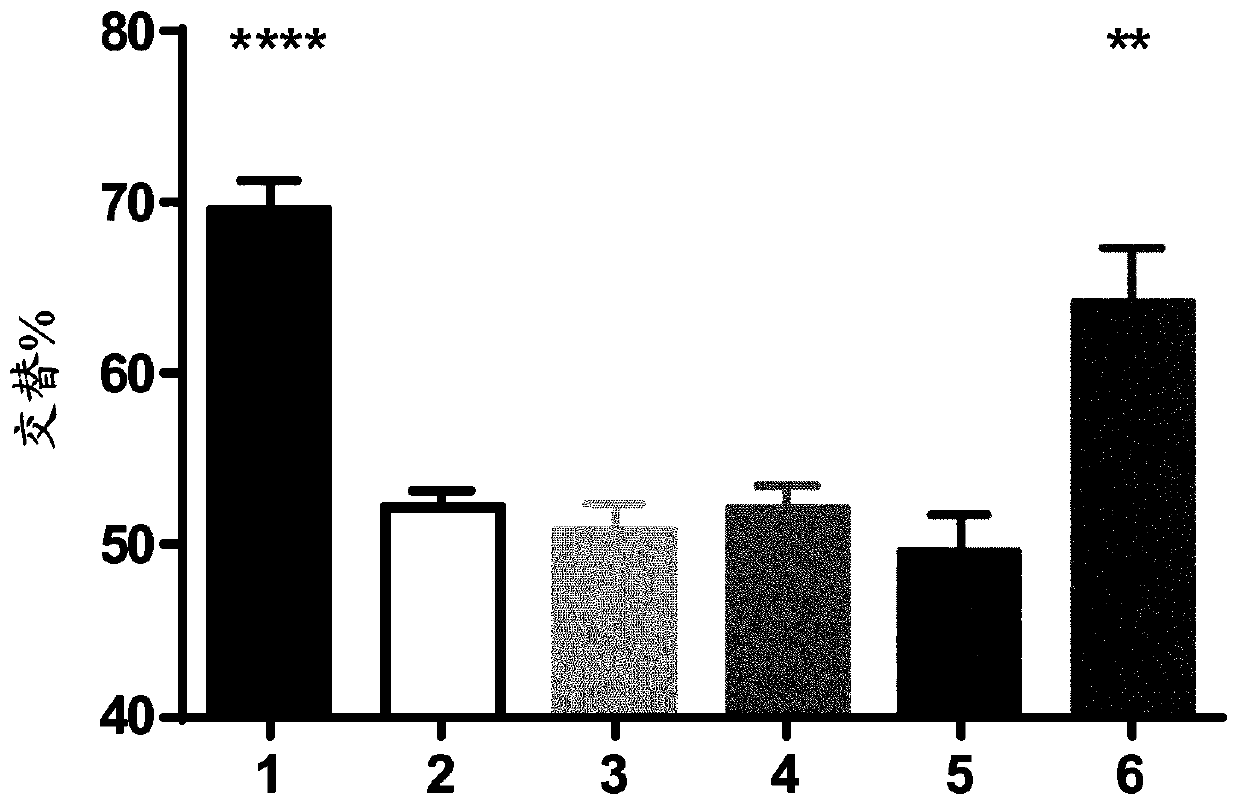
Figure 1 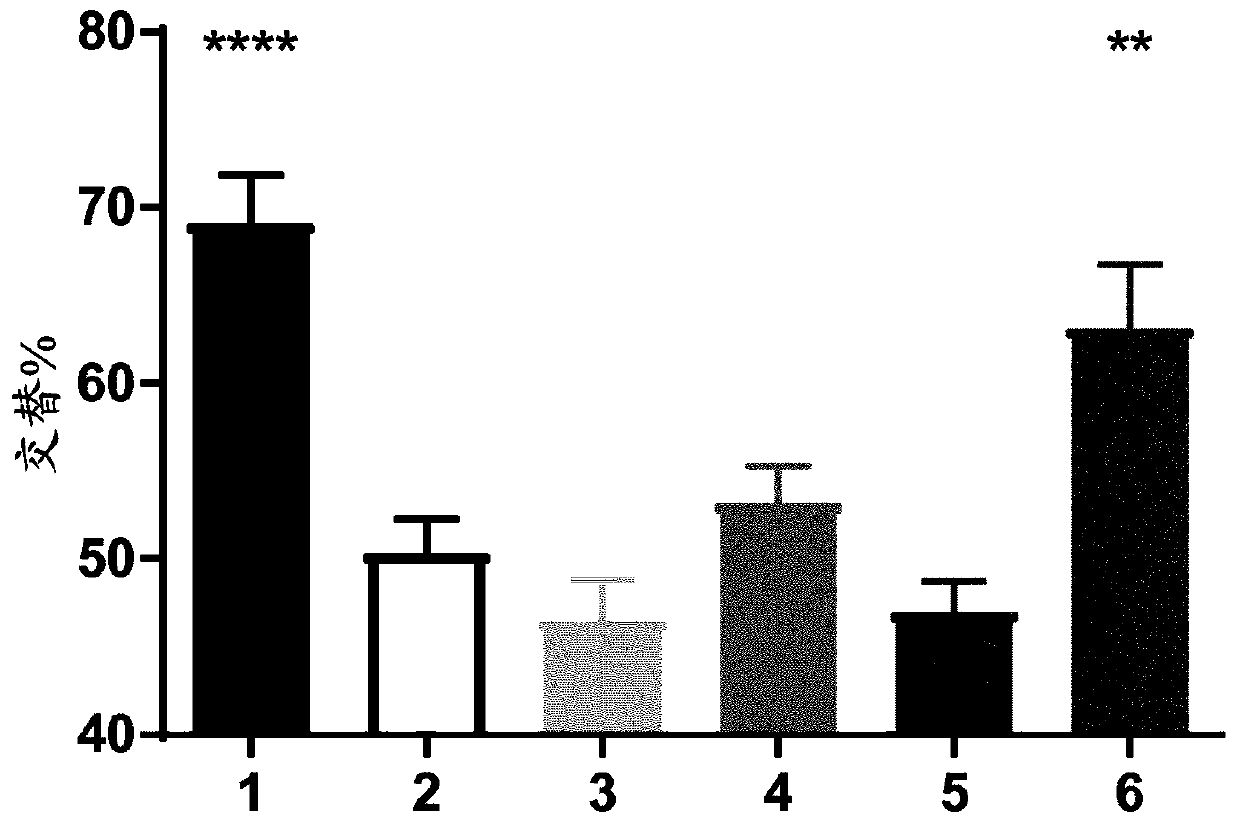
Figure 2 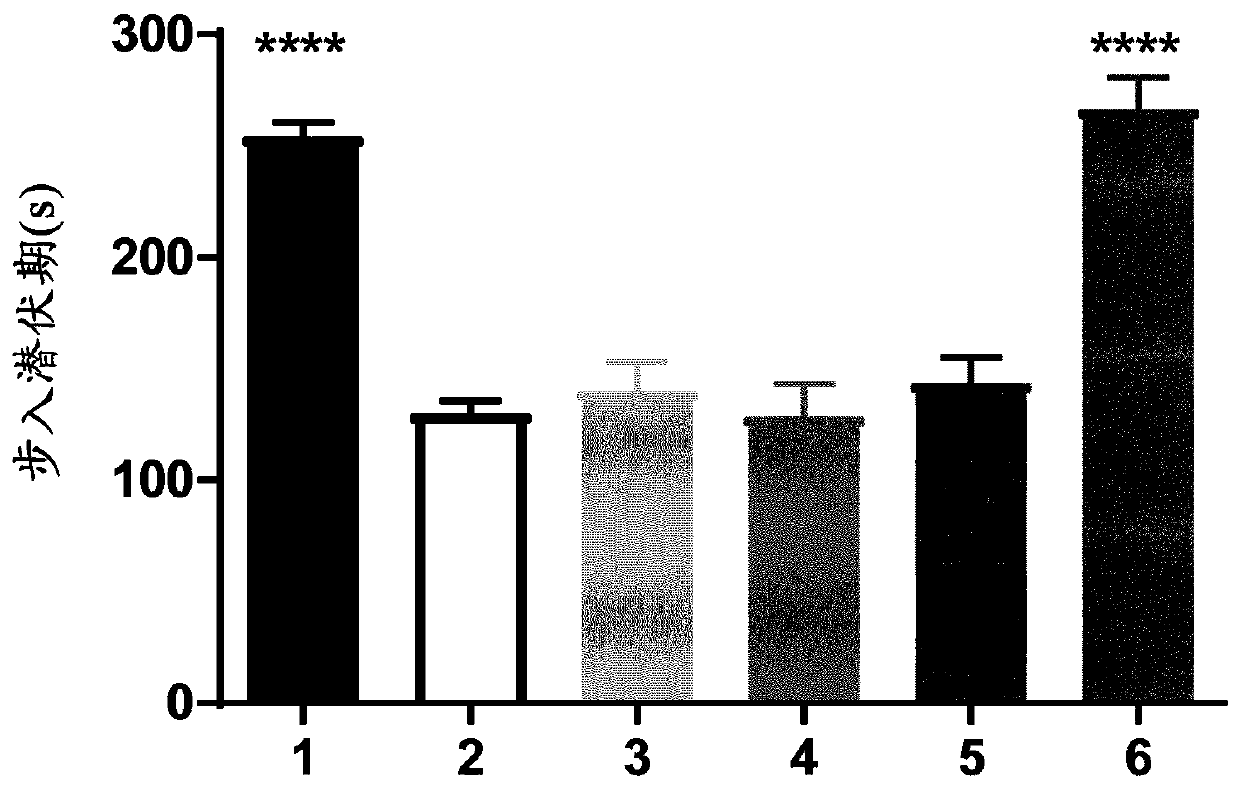
Figure 3
Abstract
Description
technical field
[0001] The present invention relates to novel combinations and methods for the treatment of Alzheimer's disease and related diseases. More specifically, the present invention relates to novel combination treatments for Alzheimer's disease and related diseases based on idalopirdine, baclofen and acamprosate. Background technique
[0002] Alzheimer's disease (AD) is a prototypical cortical dementia characterized by memory impairment accompanied by speech difficulties (language impairment in which speech and language comprehension are impaired), movement disorders (in the absence of motor or sensory impairment Inability to coordinate and execute certain voluntary movements and gestures) and cognitive impairment (inability to recognize objects, people, sounds, shapes, or smells), which can be attributed to the involvement of relevant areas of the cortex. Specific symptoms such as spastic paraplegia (weakness affecting the lower extremities) may also be involved ...
Examples
Embodiment
[0170] A - Combination therapy of the invention prevents Aβ in vivo 25-42 Cognitive impairment due to toxicity
[0171] Peptide amyloid-beta 25-35 (Aβ 25-35 ) is the hydrophobic portion of the full-length amyloid peptide. Injection of this peptide into the ventricles of rodents is known to induce a progressive neurodegenerative process leading to cognitive deficits. This model is commonly used in disorders involving symptoms of cognitive impairment [49-53]. The results of this example demonstrate that the combination of idalopirdine (at a suboptimal dose), baclofen and acamprosate is not only effective but also acts synergistically to protect treated animals from neurodegeneration due to injection of toxic peptides process.
[0172] treatment solutions
[0173] Male Swiss mice were administered from day 0 to day 10:
[0174] - fake products (groups 1 and 2);
[0175] - Baclofen, acamprosate and idalopirdine at 0.480 mg / kg, 0.032 mg / kg and 4.5 mg / kg respectively (group ...