
Rotational molding polyethylene material with spraying-free metal effect as well as preparation method and application of rotational molding polyethylene material
A metal effect, polyethylene technology, applied in the field of engineering plastics, can solve the problems of easy formation of pores, poor surface appearance, phase separation, etc., and achieve the effect of high metal gloss and reducing flow lines and weld lines.
Patent Information
- Authority / Receiving Office
- CN · China
- Patent Type
- Applications(China)
- Current Assignee / Owner
- Publication Date
- 2022-07-15
Smart Images
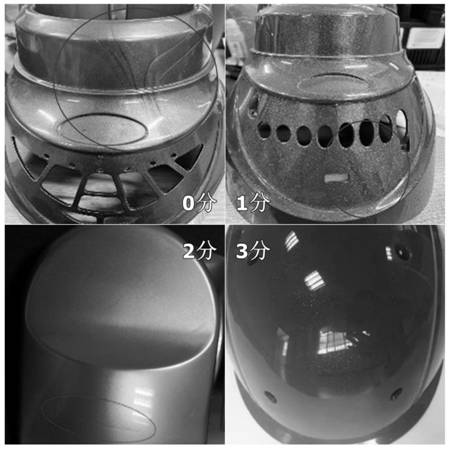
Figure 1 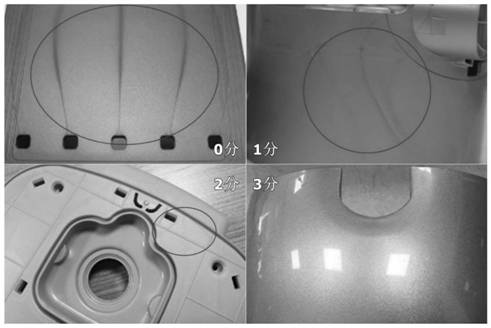
Figure 2 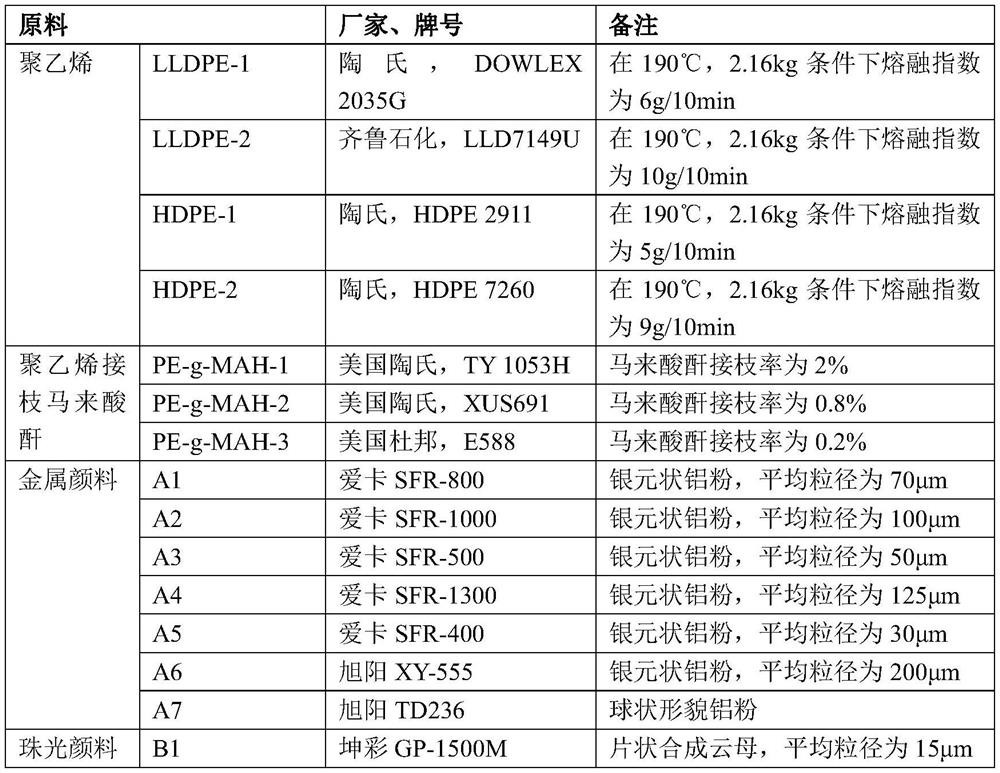
Figure 3
Abstract
Description
technical field
[0001] The invention relates to the technical field of engineering plastics, and more particularly, to a rotomoulded polyethylene material with no spraying metal effect and a preparation method and application thereof. Background technique
[0002] Polyethylene is the most widely used general-purpose plastic in the world. The molding process of polyethylene material mainly includes injection molding and rotational molding. Rotational molding is suitable for molding large and extra-large parts, the production of multi-variety and small-batch plastic products, especially for the preparation of difficult-to-form hollow special-shaped complex products. The rotomolded polyethylene material is generally linear low density polyethylene mixed with a small amount of high density polyethylene. The rotomolded polyethylene product has the characteristics of wide processing window, excellent impact resistance, good molding performance and high strength.
[0003] The trad...
Examples
Embodiment 1~18
[0065] Embodiments 1 to 18 respectively provide a rotomolded polyethylene material, the component contents are shown in Table 1, and the preparation method is as follows:
[0066] According to Table 1, each component is mixed and added to a twin-screw extruder, melt-mixed, extruded and pelletized to obtain rotomolded polyethylene pellets;
[0067] Adding the rotomolded polyethylene pellets to a pulverizer, and pulverizing to obtain a powdered rotomolded polyethylene material;
[0068] The length-diameter ratio of the twin-screw is 46:1, the extrusion temperature is 190-230°C, and the rotational speed is 400 rpm; the rotational speed of the pulverizer is 3000HZ, and the milling current is 75A.
[0069] Table 1 Component content (parts by weight) of the rotationally molded polyethylene materials of Examples 1 to 18
[0070]
[0071]
Embodiment 3
[0100] In Example 3 and Examples 13-18, when the average particle size of the metallic pigment is preferably 70-100 μm, and the average particle size of the pearlescent pigment is preferably 15-20 μm (Examples 3, 13, 16), rotomolding polyethylene materials higher gloss, less flow lines and weld lines
[0101] According to the test results in Table 4, in Comparative Examples 1 and 2, the average particle size of the metallic pigments was too small or too large, and in Comparative Examples 4 and 5, the average particle size of the pearlescent pigments was too small or too large. Can not play an effective synergistic effect, the obtained rotomolded polyethylene material has poor gloss, all less than 70, and the surface of the rotomolded polyethylene product has certain flow lines and weld lines.