
Method of decoding a sequence of encoded digital images
Patent Information
- Authority / Receiving Office
- US · United States
- Current Assignee / Owner
- Publication Date
- 2012-08-23
- Estimated Expiration
- Not applicable · inactive patent
Smart Images
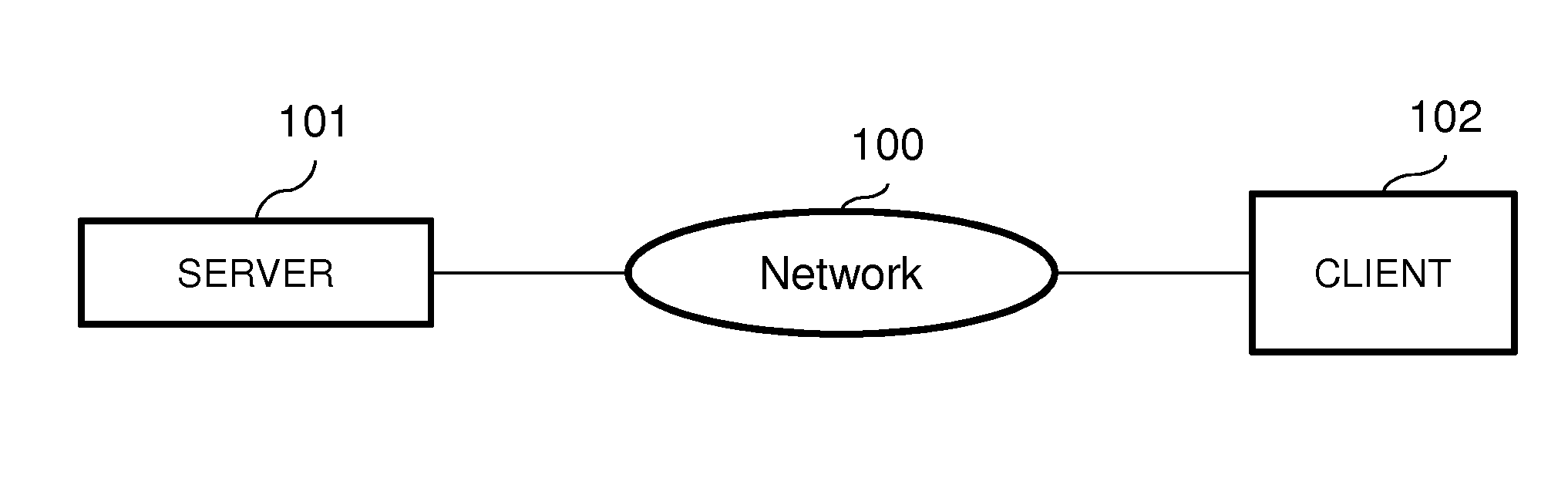
Figure 1 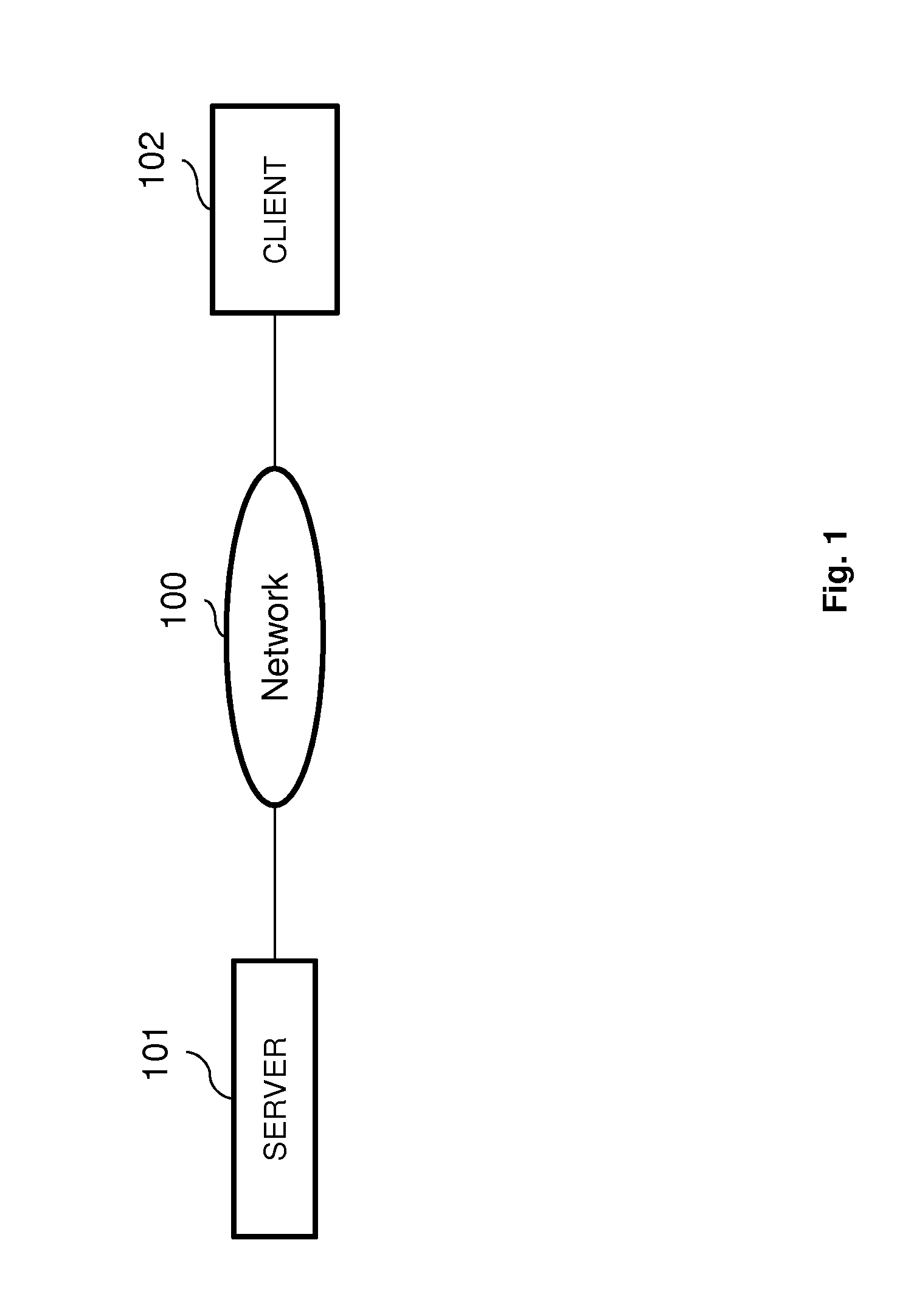
Figure 2 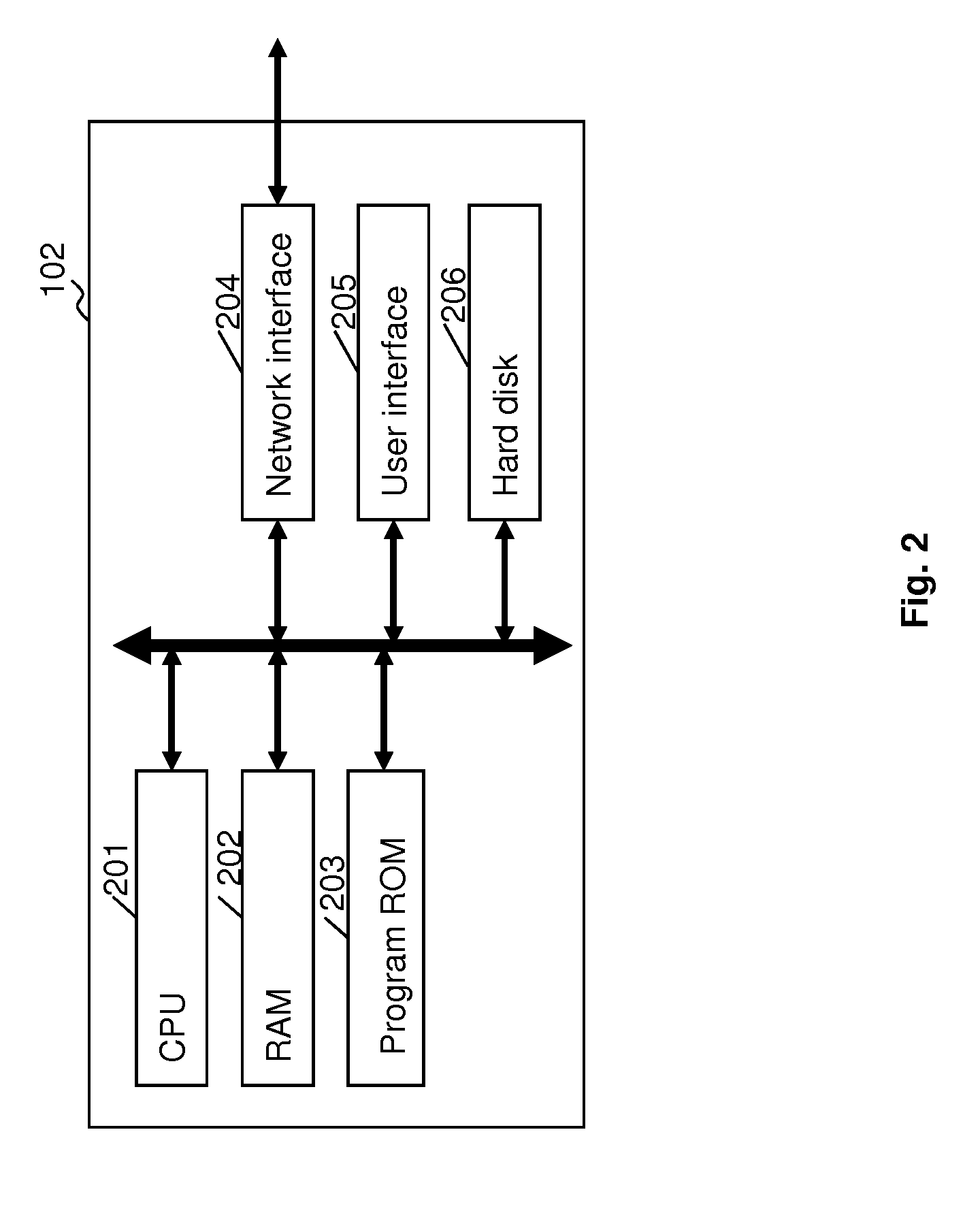
Figure 3
Abstract
Description
CROSS REFERENCE TO RELATED APPLICATIONS
[0001] The present application claims priority from Great Britain Patent Application No. 1103079.8, filed Feb. 23, 2011, which is hereby incorporated by reference herein in its entirety.BACKGROUND OF THE INVENTION
[0002] 1. Field of the Invention
[0003] The present invention relates to a method of decoding a sequence of encoded digital images with error correction, to an associated encoding method, as well as to associated devices. It relates to the field of the transmission of multimedia data over a communication network such as an Internet Protocol (IP) network. It applies in particular, but not only, to the correction of errors introduced during the transmission of video data compressed with motion compensation, and has particular advantages for multimedia streaming.
[0004] 2. Description of the Related Art
[0005] In current video transmission systems, many videos are coded using motion compensation compression algorithms that reduce the amount of da...
Examples
second embodiment
[0084]Additional data computed by the generator module 303 is coded and packetized for transmission in module 305. In an embodiment, it is transmitted in a separate RTP stream, different from the video stream 308. In another embodiment (not shown), the additional data is embedded inside the video bitstream using for example SEI (acronym of Supplemental Enhancement Information, designating a bitstream unit reserved for information) extensions in the H.264 video format. In this second embodiment, the two streams 308 and 310 are merged.
[0085]The client 102 receives the video bitstream 308 and the additional data bitstream 310. The video is then decoded by the decoder 302. The decoder 302 then provides partially decoded images to the decoder of additional data 306. When the bitstream is correctly received, it is possible not to use this module 306 and the subsequent error concealment module 307.
[0086]Additional data is decoded by module 306, in a process detailed in relation with FIG. 5...
first embodiment
[0100]As mentioned above, the predictor map is coded and transmitted to the client as additional information. In a first embodiment, the predictor map is compressed with a loss-less compression scheme. For example, a run length encoder is used.
[0101]However, in another embodiment represented in FIG. 4, an error correction code computation module 305 retrieves the predictor map in a step 403 and computes error correction codes in step 404. The Reed Solomon (RS) codes are used but other error correction codes could be used such as LDPC (low-density parity-check). An RS code can be defined by two values (n,k) where n is the number of symbols of a code word and k is the size of the information word.
[0102]A RS code is an error correction code which has the capacity of correcting (n−k) / 2 errors. In an embodiment, the encoder determines the optimum code rate to protect efficiently the predictor map as a function of the error rate of the network. For example, if the video is a High Definiti...