
Glycopyrronium Fatty Acid Salts and Methods of Making Same
Patent Information
- Authority / Receiving Office
- US · United States
- Current Assignee / Owner
- Publication Date
- 2018-06-28
Smart Images
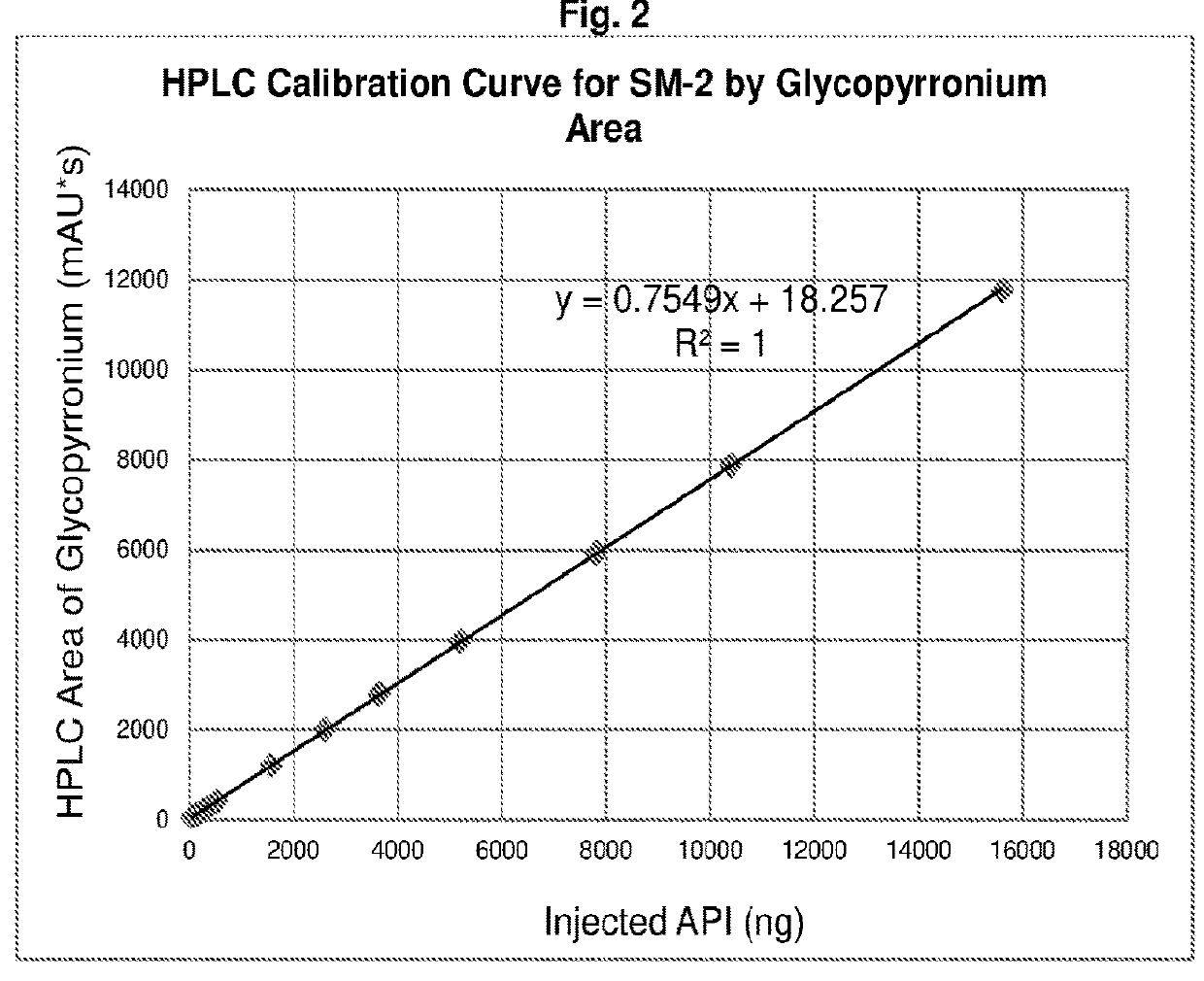
Figure 1 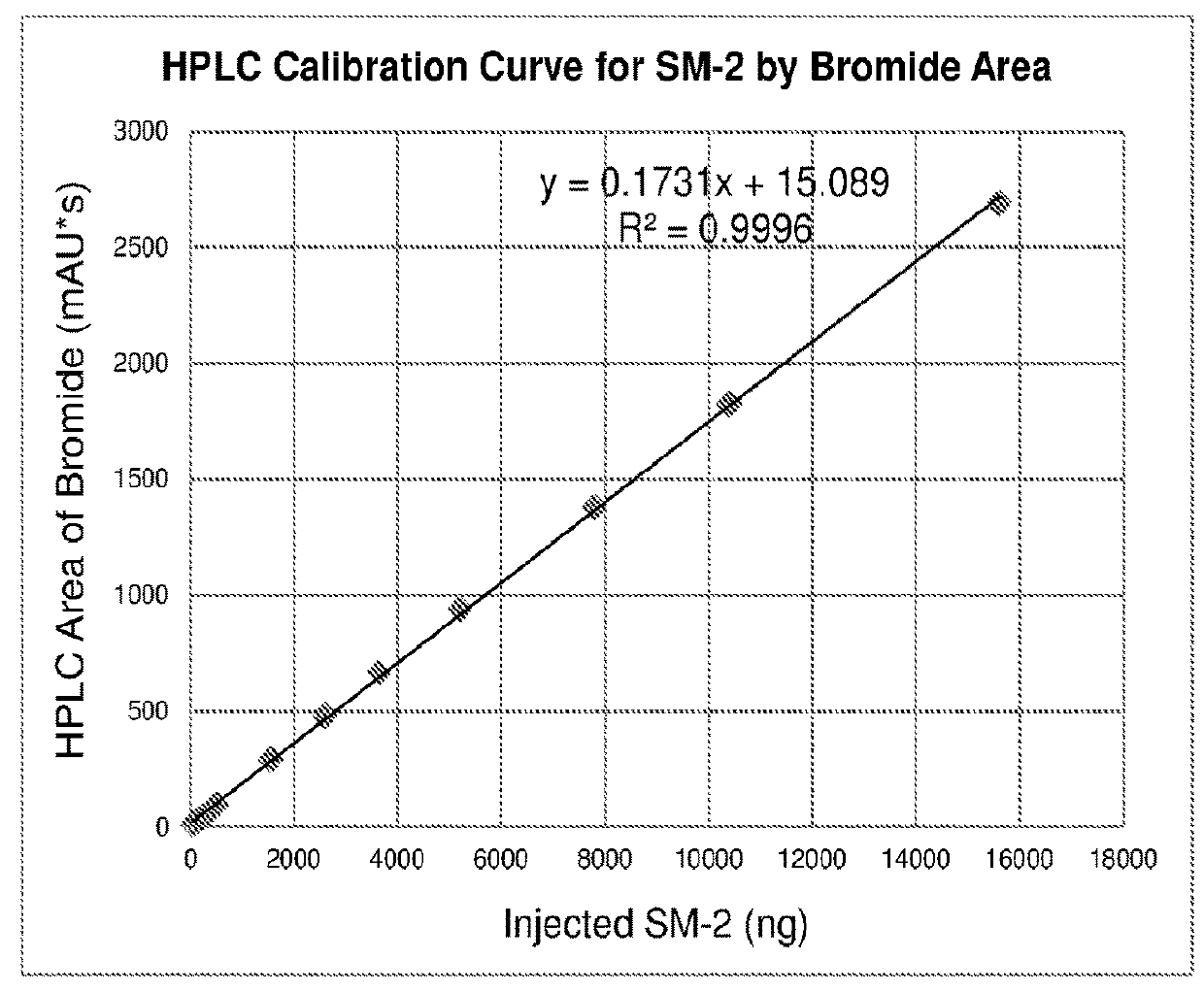
Figure 2 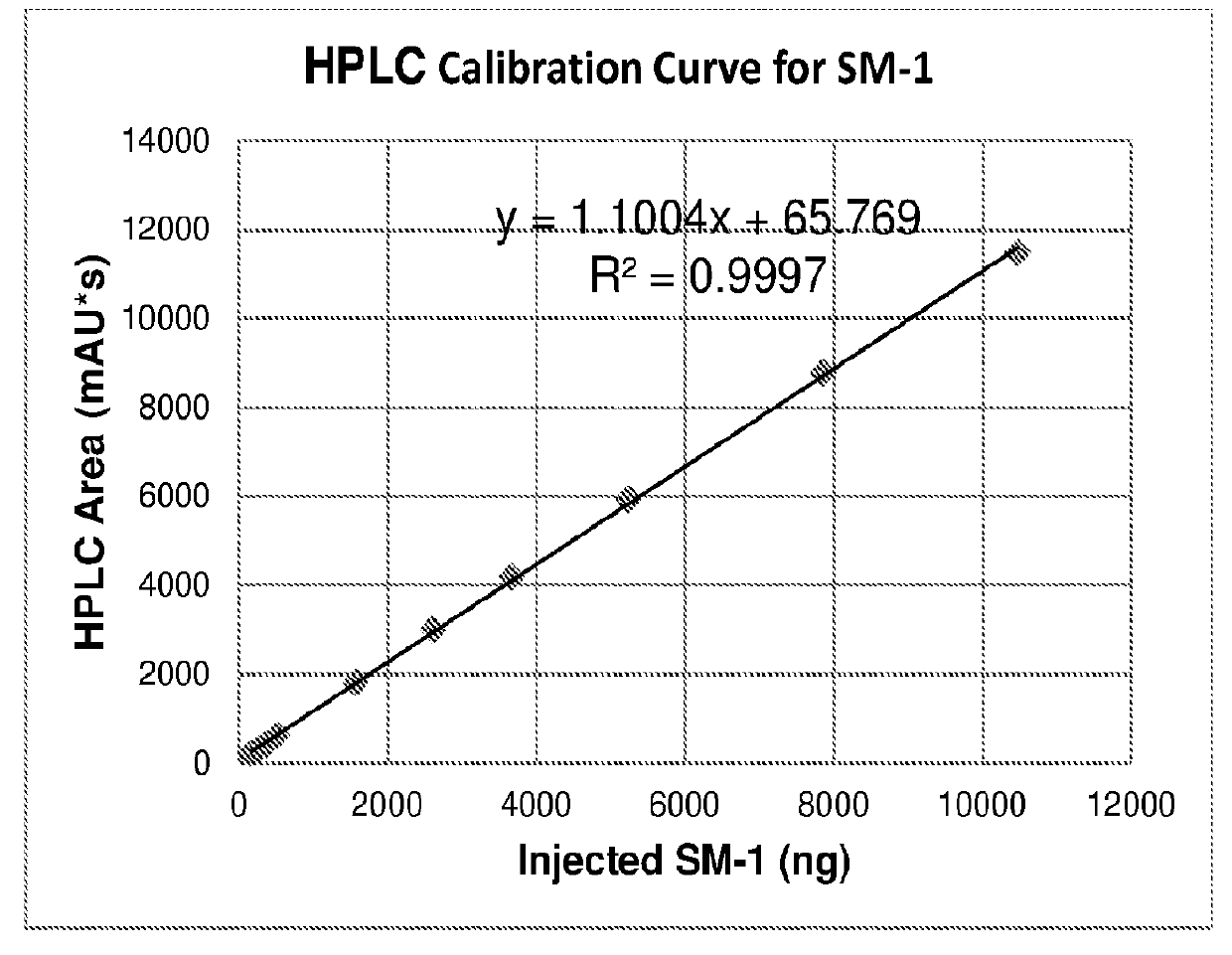
Figure 3
Abstract
Description
REFERENCE TO RELATED APPLICATIONS
[0001] This application claims one or more inventions which were disclosed in Provisional Application No. 62 / 175,737, filed Jun. 15, 2015, entitled “GLYCOPYRRONIUM FATTY ACID SALTS AND METHODS OF MAKING SAME”. The benefit under 35 USC § 119(e) of the United States provisional application is hereby claimed, and the aforementioned application is hereby incorporated herein by reference.FIELD OF THE INVENTION
[0002] The invention pertains to the field of glycopyrronium salts. More specifically, the invention pertains to novel lipophilic glycopyrronium fatty acid salts.BACKGROUND OF THE INVENTION
[0003] Glycopyrrolate (also known as glycopyrronium bromide) is a bromide salt with a quaternary ammonium counterion with the chemical name of 3-[cyclopentyl (hydroxy)phenylacetoxy]-1,1-dimethyl pyrrolidinium bromide, a molecular formula of C19H28BrNO3 and a molecular weight of 398.34. Its chemical structure is shown in Table 2below.
[0004] Trospium chloride is a quater...
Examples
example
[0148]
[0149]The synthesis approach proceeding through methyl carbonates was unsuccessful, due to the instability of the starting glycopyrrolate base (compound 3 in Table 17) and its quaternization reaction products (glycopyrronium methyl carbonates, compound 4 in Table 17) under the high temperature and pressure conditions required for a successful quaternization reaction with dimethyl carbonate.
[0150]Since a clean synthesis of the required methyl carbonated salt of glycopyrronium could not be accomplished, this approach was discontinued and subsequent efforts focused on a direct salt metathesis using glycopyrronium bromide.
[0151]Tertiary amines can be alkylated with dimethyl carbonate to generate the corresponding quaternary methyl ammonium carbonate salts in good to high yields. Subsequent reaction with a proton source leads to a clean ion metathesis reaction via decomposition of the methyl carbonate counterion into CO2 and methanol, which are readily removed from the reaction mix...