
Filler for resinous composition, filler-containing slurry composition and filler-containing resinous composition
a resinous composition and filler technology, applied in the field of resinous composition filler, can solve the problems of insufficient electric properties of eucryptite, affecting the synthesis efficiency of eucryptite, and requiring a long time and huge cost, so as to effectively inhibit the yellowing of resinous materials and the effect of inhibiting resinous materials
Patent Information
- Authority / Receiving Office
- US · United States
- Patent Type
- Applications(United States)
- Current Assignee / Owner
- Publication Date
- 2020-10-22
Smart Images
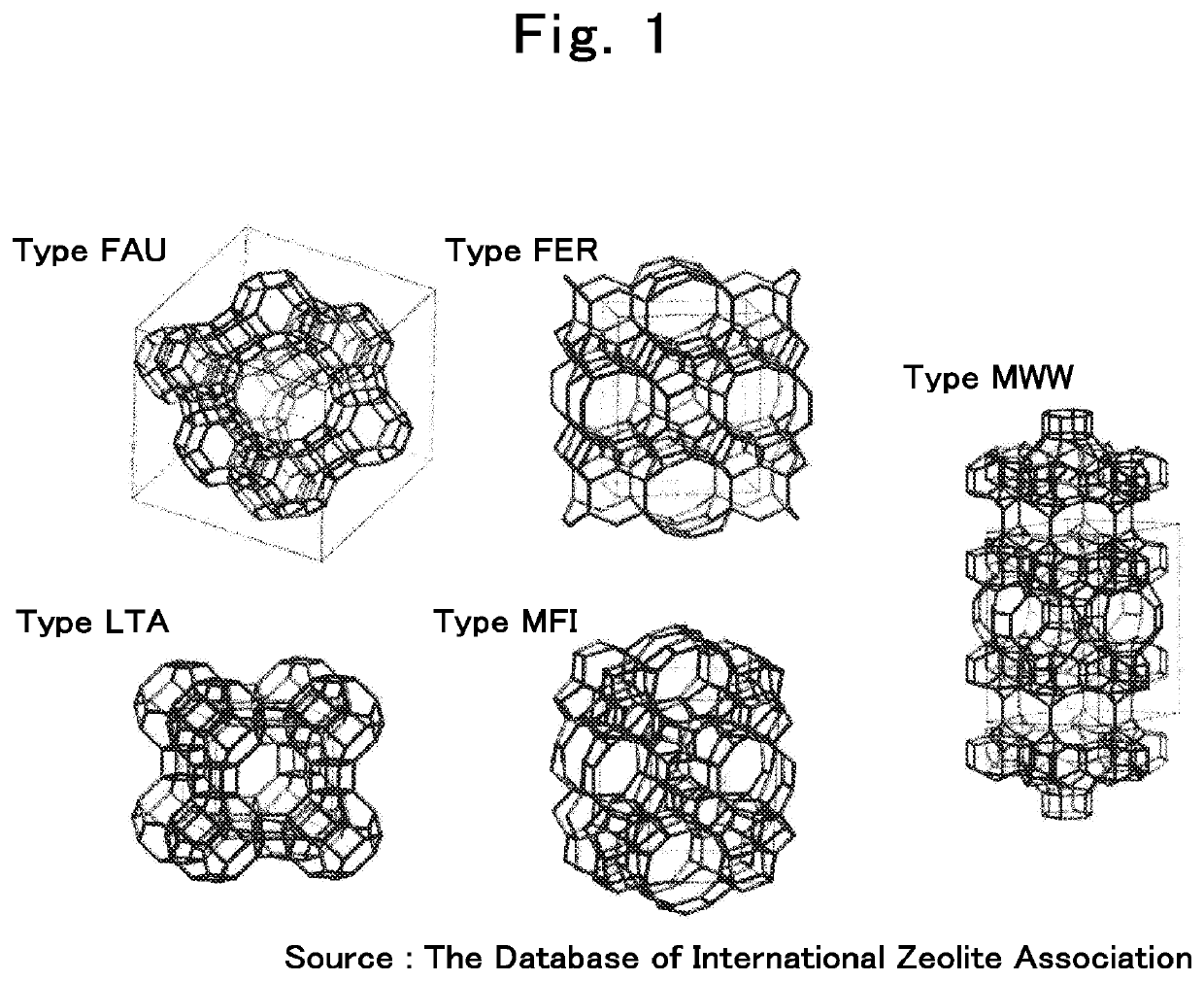
Figure 1 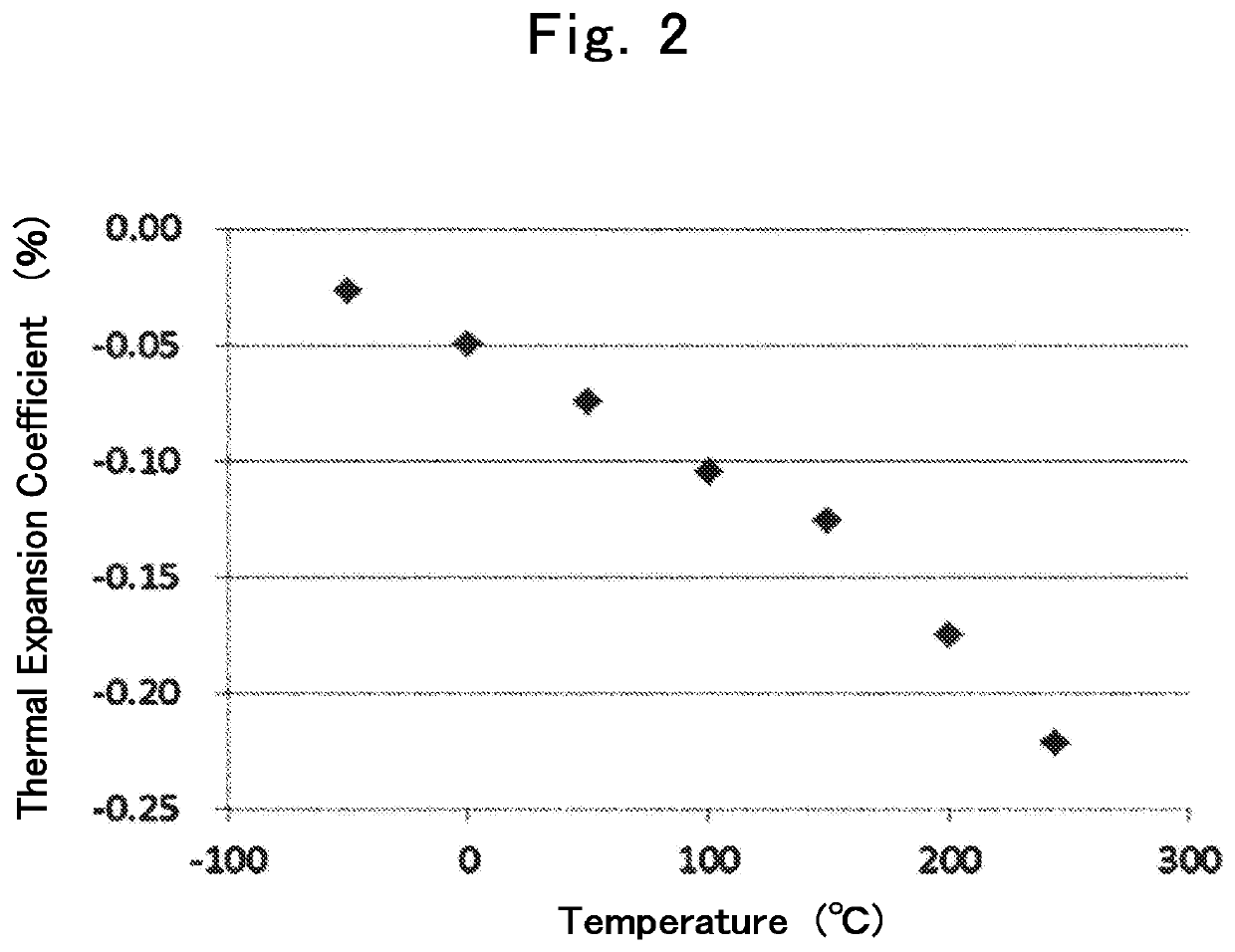
Figure 2 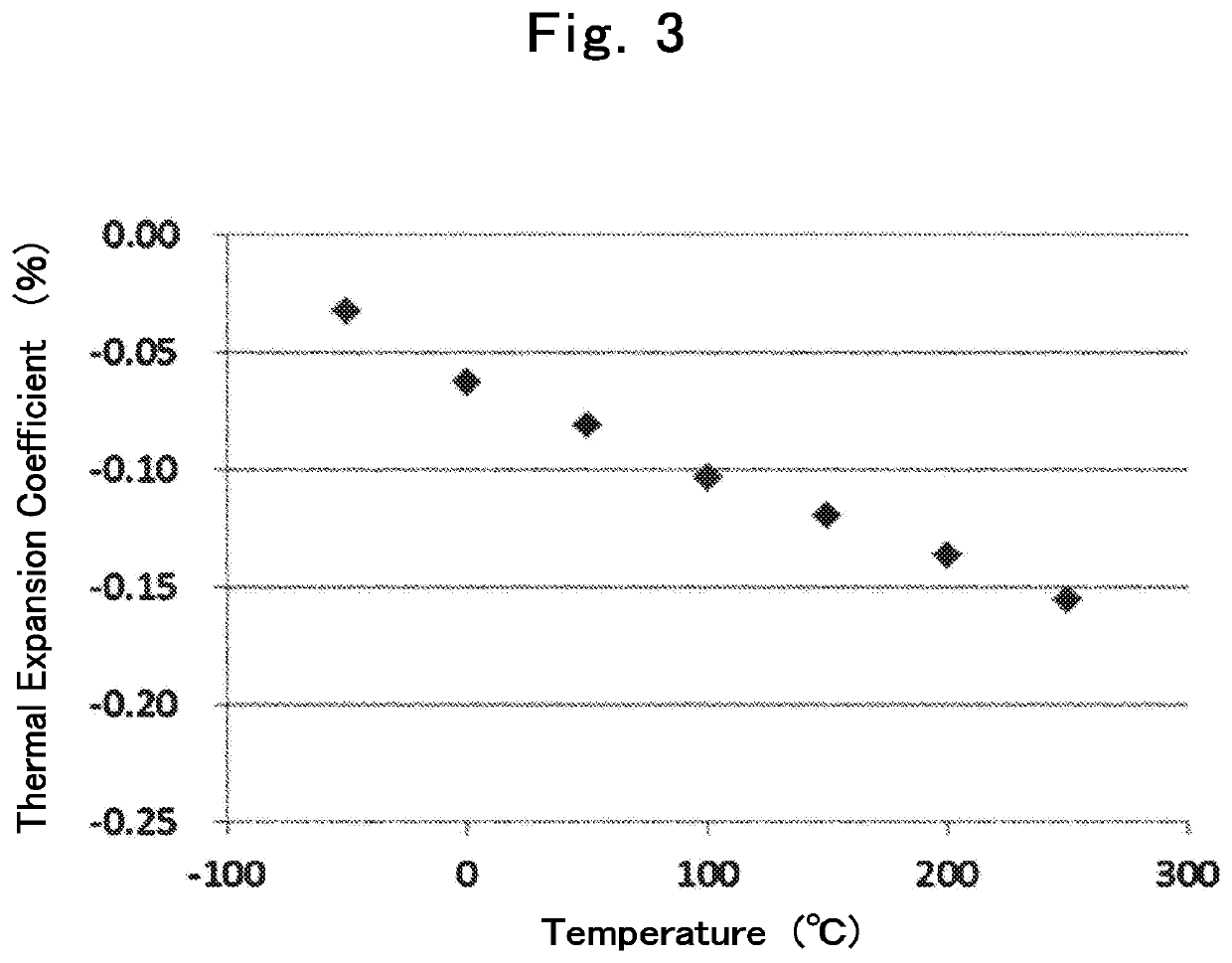
Figure 3
Abstract
Description
CROSS REFERENCE TO RELATED APPLICATIONS
[0001] The present application is a continuation-in-part of and claims the benefit of priority to U.S. application Ser. No. 16 / 597,110, filed Oct. 9, 2019, which is a Continuation Application of International Application No. PCT / JP2017 / 027489, filed on Jul. 28, 2017, which is incorporated herein by reference. The present invention is based on Japanese Patent Application No. 2017-077865, filed on Apr. 10, 2017, the entire contents of which are incorporated herein by reference.BACKGROUND OF THE INVENTION1. Field of the Invention
[0002] The present invention relates to a filler for resinous composition, the filler contained and used in resinous composition; a filler-containing slurry composition containing the filler; and a filler-containing resinous composition containing the filler.2. Description of the Related Art
[0003] Conventionally, resinous compositions used for electronic packaging material, such as printed-circuit boards, epoxy molding compou...
Examples
examples
(1) Evaluation on Resin for Oxidation
[0039]A silazane, and silane coupling agents were added to crystalline siliceous particulate materials “A” through “D” with physical properties shown in Table 1 so as to make compositions shown in Table 2. Thereafter, fillers for resinous composition according to Test Example Nos. 1 through 13 of the present invention were produced by subjecting the ingredients to mixing with a mixer for mixing powder followed by drying to complete a surface treatment. The thus made present fillers according to Test Example Nos. 1 through 13 were mixed with a liquid epoxy resin serving as a resinous material so as to attain a filler filling rate of 25% by mass. Note that the liquid epoxy resin was a mixture of bisphenol-A and bisphenol-F in which the ratio of the former to the latter was 50:50 by mole. After holding the resulting mixtures at 25° C. for 24 hours, they were evaluated for an oxidation degree of the resinous material by changes in their hue. The mixt...