
Systems and methods for liquid flooding of lung to enhance endobronchial energy transfer for use in imaging, diagnosis and/or treatment
Patent Information
- Authority / Receiving Office
- US · United States
- Current Assignee / Owner
- Publication Date
- 2022-06-30
Smart Images
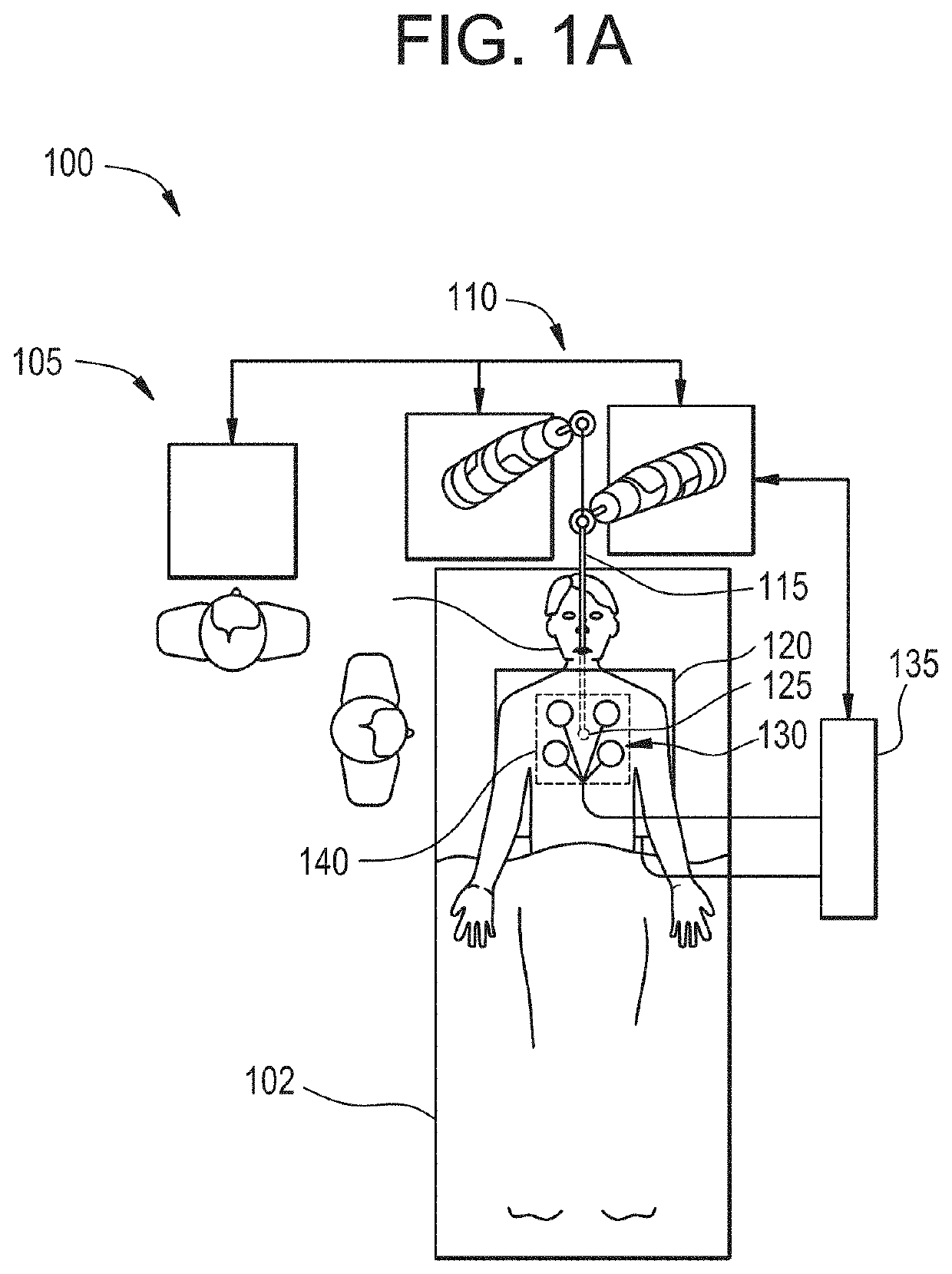
Figure 1 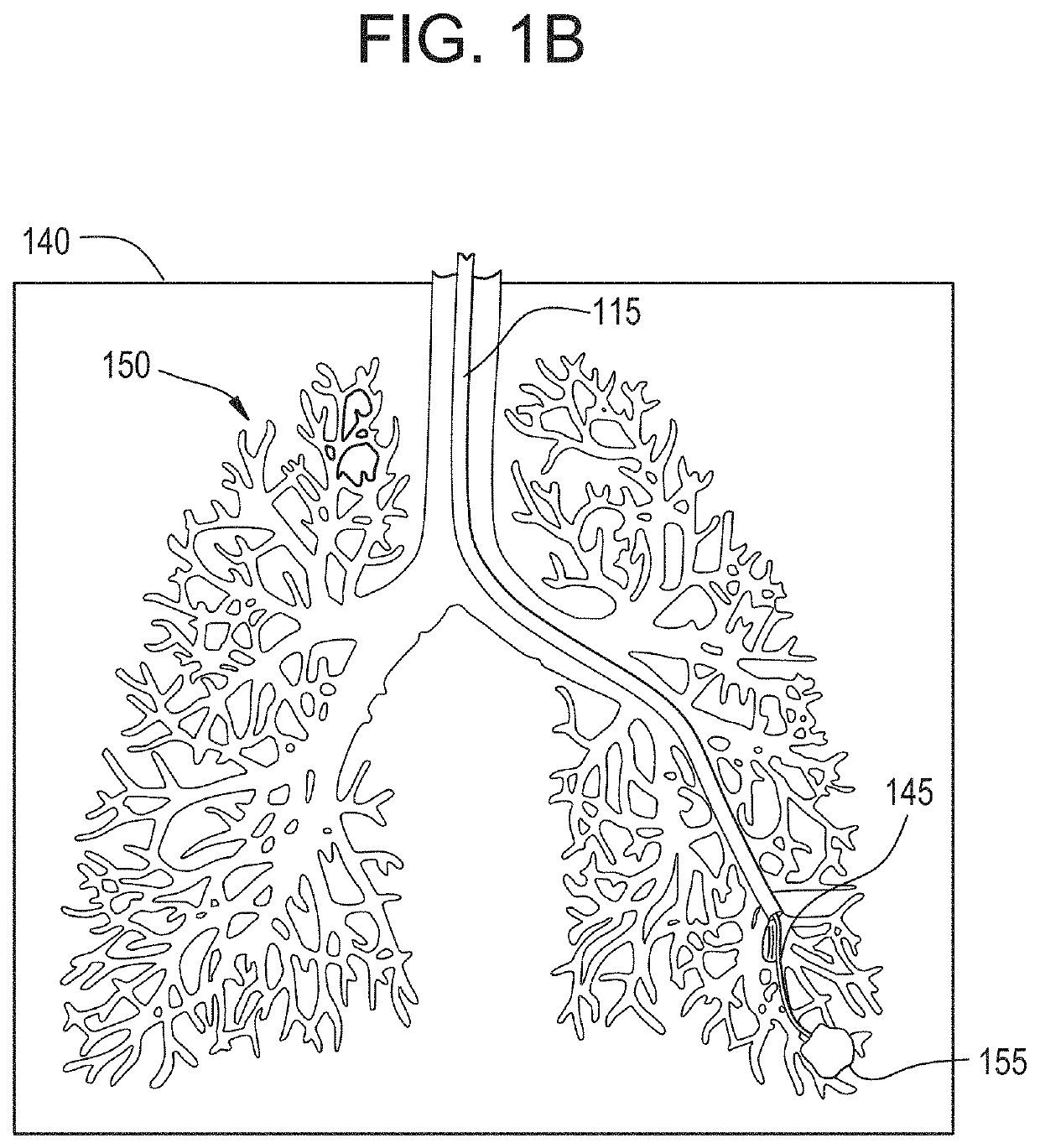
Figure 2 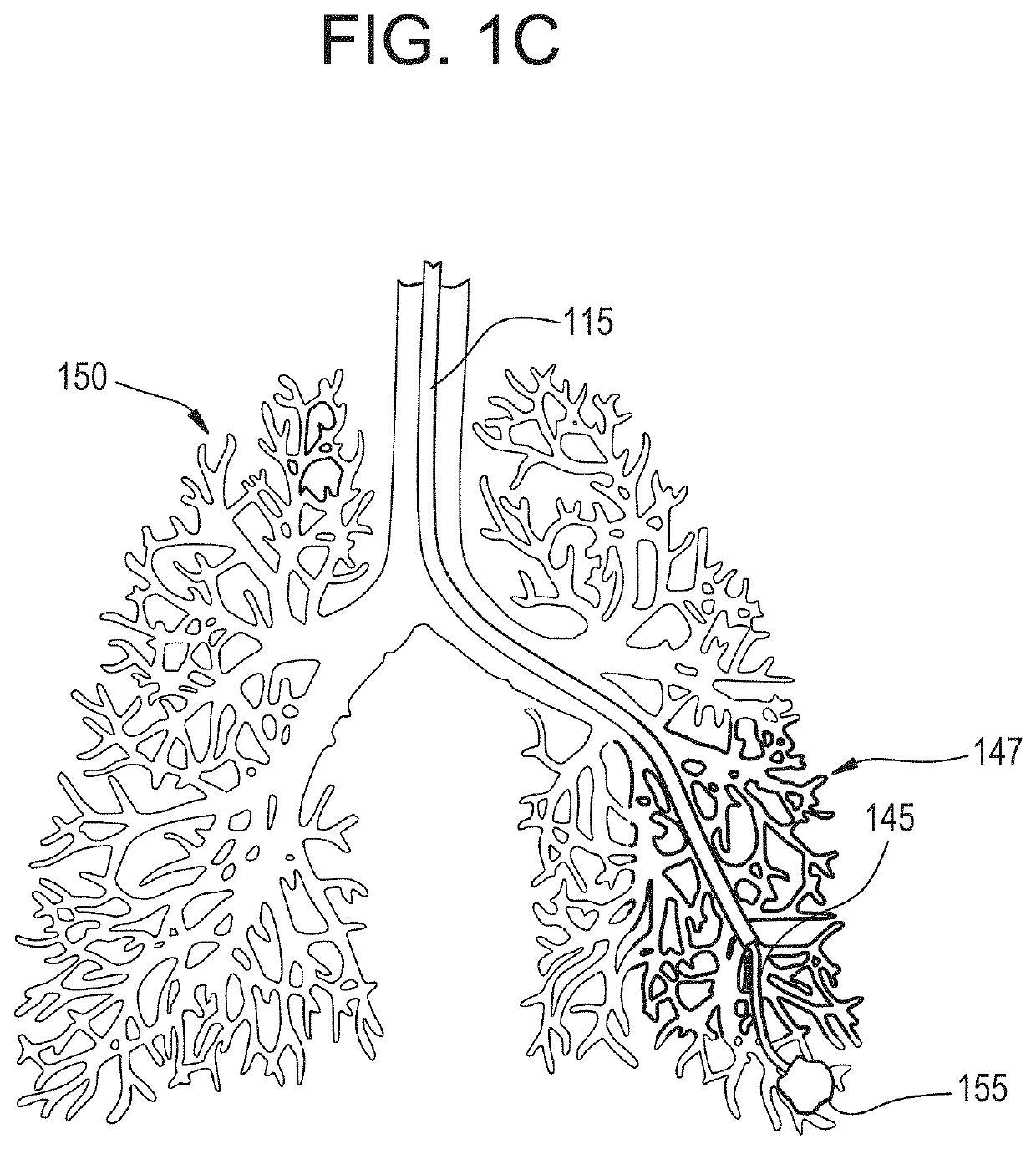
Figure 3
Abstract
Description
CROSS-REFERENCE TO RELATED APPLICATIONS
[0001] This application claims priority to and the benefit of U.S. Patent Application No. 63 / 132,512 filed Dec. 31, 2020, which is hereby incorporated by reference in their entirety.BACKGROUND OF THE DISCLOSURE1. Field of the Disclosure
[0002] The present disclosure relates to imaging of the lungs, and more particularly to an improved system and method of endobronchial imaging of lung nodules which comprises the introduction of an oxygen carrying liquid into pulmonary passages of the lungs, the introduction of which enables better coupling between an endobronchial ultrasonic imaging system and a target tissue site within the pulmonary passages of the lungs, the improved coupling between the ultrasonic imaging system and a target tissue site being imparted by the removal (at least in part) the air interface present between the ultrasonic imaging system and the surface of the target tissue site.2. Discussion of the Related Art
[0003] Ultrasound imagin...
Examples
Embodiment Construction
[0022]Perfluorocarbon liquids (PFCs) are clear, colorless, odorless, nonflammable, chemically inert liquids that are unique in their high affinity for respiratory gases. PFCs have an oxygen-carrying capacity up to fifty (50) times more than that of human plasma. PFCs are derived from common organic compounds by the replacement of all carbon-bound hydrogen atoms with fluorine atoms. They are denser than water and soft tissue, have low surface tension, and low viscosity. PFCs have the lowest sound speeds of all liquids.
[0023]Like other highly inert carbon fluorine materials, PFCs are extremely nontoxic and biocompatible. Numerous studies have shown that mammals can breathe oxygenated perfluorocarbon liquids for long periods (>3 hours) and return to gas breathing without untoward long-term effects. Additional studies have shown that no adverse morphological, biochemical, or histological effects are seen after perfluorocarbon ventilation. PFCs have also shown considerable therapeutic po...