Quantum Dot Stability in Metal-Oxide Semiconductor Heterostructures
SEP 28, 202510 MIN READ
Generate Your Research Report Instantly with AI Agent
PatSnap Eureka helps you evaluate technical feasibility & market potential.
Quantum Dot Evolution and Research Objectives
Quantum dots have evolved significantly since their initial discovery in the 1980s. Originally observed as semiconductor nanocrystals exhibiting quantum confinement effects, these nanoscale structures have progressed from laboratory curiosities to critical components in advanced electronic and optoelectronic devices. The evolution trajectory has been marked by breakthroughs in synthesis methods, from early colloidal chemistry approaches to sophisticated epitaxial growth techniques that enable precise control over size, shape, and composition.
The integration of quantum dots with metal-oxide semiconductor (MOS) heterostructures represents a pivotal advancement in this technological journey. This integration began gaining momentum in the early 2000s, driven by the semiconductor industry's pursuit of novel materials to overcome scaling limitations in traditional silicon-based devices. The convergence of these technologies has opened new possibilities for quantum computing, advanced sensing, and next-generation display technologies.
Stability issues have emerged as a fundamental challenge throughout this evolution. Early quantum dot implementations suffered from rapid degradation due to oxidation, photobleaching, and structural defects at interfaces. The scientific community has responded with progressive improvements in passivation techniques, core-shell architectures, and surface functionalization methods, each representing significant milestones in addressing stability concerns.
Recent developments have focused on understanding the complex interactions at quantum dot-metal oxide interfaces, where phenomena such as charge transfer, trap state formation, and interfacial reconstruction critically influence long-term stability. Advanced characterization techniques, including in-situ transmission electron microscopy and synchrotron-based spectroscopy, have provided unprecedented insights into degradation mechanisms at atomic scales.
The research objectives in this field now center on several key priorities. First, developing robust passivation strategies that can withstand operational conditions in commercial devices without compromising quantum confinement properties. Second, understanding and mitigating the effects of thermal cycling and electrical stress on quantum dot stability within MOS architectures. Third, establishing standardized accelerated aging protocols that can reliably predict quantum dot lifetimes in various application environments.
Additionally, research aims to explore novel material combinations and interface engineering approaches that could fundamentally enhance stability. This includes investigating alternative oxide materials with more favorable band alignments, developing gradient interface structures to reduce lattice mismatch stress, and exploring two-dimensional materials as protective encapsulation layers for quantum dots in semiconductor heterostructures.
The ultimate objective is to achieve quantum dot-MOS systems with operational stability measured in years rather than months, thereby enabling their widespread commercial adoption in applications ranging from quantum information processing to energy-efficient lighting and display technologies.
The integration of quantum dots with metal-oxide semiconductor (MOS) heterostructures represents a pivotal advancement in this technological journey. This integration began gaining momentum in the early 2000s, driven by the semiconductor industry's pursuit of novel materials to overcome scaling limitations in traditional silicon-based devices. The convergence of these technologies has opened new possibilities for quantum computing, advanced sensing, and next-generation display technologies.
Stability issues have emerged as a fundamental challenge throughout this evolution. Early quantum dot implementations suffered from rapid degradation due to oxidation, photobleaching, and structural defects at interfaces. The scientific community has responded with progressive improvements in passivation techniques, core-shell architectures, and surface functionalization methods, each representing significant milestones in addressing stability concerns.
Recent developments have focused on understanding the complex interactions at quantum dot-metal oxide interfaces, where phenomena such as charge transfer, trap state formation, and interfacial reconstruction critically influence long-term stability. Advanced characterization techniques, including in-situ transmission electron microscopy and synchrotron-based spectroscopy, have provided unprecedented insights into degradation mechanisms at atomic scales.
The research objectives in this field now center on several key priorities. First, developing robust passivation strategies that can withstand operational conditions in commercial devices without compromising quantum confinement properties. Second, understanding and mitigating the effects of thermal cycling and electrical stress on quantum dot stability within MOS architectures. Third, establishing standardized accelerated aging protocols that can reliably predict quantum dot lifetimes in various application environments.
Additionally, research aims to explore novel material combinations and interface engineering approaches that could fundamentally enhance stability. This includes investigating alternative oxide materials with more favorable band alignments, developing gradient interface structures to reduce lattice mismatch stress, and exploring two-dimensional materials as protective encapsulation layers for quantum dots in semiconductor heterostructures.
The ultimate objective is to achieve quantum dot-MOS systems with operational stability measured in years rather than months, thereby enabling their widespread commercial adoption in applications ranging from quantum information processing to energy-efficient lighting and display technologies.
Market Applications of QD-MOS Heterostructures
Quantum dot-metal oxide semiconductor (QD-MOS) heterostructures represent a significant technological advancement with diverse market applications across multiple industries. The integration of quantum dots with traditional semiconductor architectures has opened new possibilities in optoelectronics, particularly where stability of quantum dots is crucial for commercial viability.
In display technology, QD-MOS heterostructures have revolutionized the market with quantum dot light-emitting diodes (QLEDs) offering superior color gamut, brightness, and energy efficiency compared to conventional displays. The global QLED market is projected to grow substantially as manufacturers like Samsung and LG incorporate this technology into premium television and monitor product lines. The enhanced stability of quantum dots in MOS environments has extended device lifetimes, addressing a critical barrier to widespread commercial adoption.
The photovoltaic sector has embraced QD-MOS heterostructures for next-generation solar cells. These materials enable multi-junction architectures that can theoretically exceed the Shockley-Queisser limit, capturing a broader spectrum of solar energy. Companies like Quantum Materials Corp and Solterra Renewable Technologies are developing commercial applications, with particular focus on improving quantum dot stability to ensure long-term performance under environmental stressors.
Biomedical imaging represents another significant market application, where QD-MOS sensors offer unprecedented sensitivity for diagnostic equipment. The superior optical properties of quantum dots, combined with the signal processing capabilities of MOS structures, enable advanced in vivo imaging with reduced toxicity concerns. The medical imaging equipment market has begun incorporating these technologies, particularly in specialized diagnostic tools requiring high resolution and sensitivity.
In quantum computing, stable QD-MOS architectures serve as potential qubit platforms, offering advantages in scalability compared to other quantum computing approaches. While still primarily in research phases, companies like Intel and IBM have invested in developing quantum computing technologies based on semiconductor quantum dots, recognizing their potential for room-temperature operation and integration with existing semiconductor manufacturing infrastructure.
Sensor applications constitute a rapidly growing market segment, with QD-MOS heterostructures enabling highly sensitive photodetectors, gas sensors, and biosensors. The enhanced stability of quantum dots in these structures allows for deployment in harsh environments, expanding their application in industrial monitoring, environmental sensing, and security systems. The global sensor market has seen specialized segments emerge specifically for quantum dot-based detection technologies.
Telecommunications infrastructure increasingly utilizes QD-MOS technology in optical signal processing components, where the precise emission wavelengths of quantum dots enable wavelength division multiplexing and other advanced data transmission techniques. The stability improvements in QD-MOS structures have made these components viable for long-term deployment in critical communication networks.
In display technology, QD-MOS heterostructures have revolutionized the market with quantum dot light-emitting diodes (QLEDs) offering superior color gamut, brightness, and energy efficiency compared to conventional displays. The global QLED market is projected to grow substantially as manufacturers like Samsung and LG incorporate this technology into premium television and monitor product lines. The enhanced stability of quantum dots in MOS environments has extended device lifetimes, addressing a critical barrier to widespread commercial adoption.
The photovoltaic sector has embraced QD-MOS heterostructures for next-generation solar cells. These materials enable multi-junction architectures that can theoretically exceed the Shockley-Queisser limit, capturing a broader spectrum of solar energy. Companies like Quantum Materials Corp and Solterra Renewable Technologies are developing commercial applications, with particular focus on improving quantum dot stability to ensure long-term performance under environmental stressors.
Biomedical imaging represents another significant market application, where QD-MOS sensors offer unprecedented sensitivity for diagnostic equipment. The superior optical properties of quantum dots, combined with the signal processing capabilities of MOS structures, enable advanced in vivo imaging with reduced toxicity concerns. The medical imaging equipment market has begun incorporating these technologies, particularly in specialized diagnostic tools requiring high resolution and sensitivity.
In quantum computing, stable QD-MOS architectures serve as potential qubit platforms, offering advantages in scalability compared to other quantum computing approaches. While still primarily in research phases, companies like Intel and IBM have invested in developing quantum computing technologies based on semiconductor quantum dots, recognizing their potential for room-temperature operation and integration with existing semiconductor manufacturing infrastructure.
Sensor applications constitute a rapidly growing market segment, with QD-MOS heterostructures enabling highly sensitive photodetectors, gas sensors, and biosensors. The enhanced stability of quantum dots in these structures allows for deployment in harsh environments, expanding their application in industrial monitoring, environmental sensing, and security systems. The global sensor market has seen specialized segments emerge specifically for quantum dot-based detection technologies.
Telecommunications infrastructure increasingly utilizes QD-MOS technology in optical signal processing components, where the precise emission wavelengths of quantum dots enable wavelength division multiplexing and other advanced data transmission techniques. The stability improvements in QD-MOS structures have made these components viable for long-term deployment in critical communication networks.
Current Stability Challenges in QD-MOS Integration
The integration of quantum dots (QDs) into metal-oxide semiconductor (MOS) heterostructures presents significant stability challenges that impede widespread commercial adoption. Foremost among these is the issue of photostability, where QDs exhibit photobleaching and blinking phenomena under continuous illumination. This degradation manifests as reduced luminescence efficiency over time, particularly problematic for display and lighting applications where consistent performance is essential. The underlying mechanisms involve complex photochemical reactions, including oxidation of the QD surface and formation of non-radiative recombination centers.
Thermal stability represents another critical challenge, as QDs typically demonstrate performance degradation at elevated temperatures encountered during device operation and manufacturing processes. The thermal expansion coefficient mismatch between QDs and surrounding semiconductor materials induces mechanical stress, potentially leading to interface delamination and defect formation. Additionally, high temperatures accelerate diffusion processes that can compromise the carefully engineered QD composition and structure.
Chemical stability issues arise from interactions between QDs and their surrounding environment within MOS structures. The presence of oxygen, moisture, and reactive species from adjacent layers can trigger surface oxidation and ligand detachment. These chemical alterations modify the electronic properties of QDs, affecting band alignment and charge transfer efficiency at the QD-semiconductor interface. Particularly challenging is maintaining stability during the various wet and dry processing steps required for device fabrication.
Electrical stability concerns emerge during device operation, where QDs are subjected to electric fields and charge injection. Charge trapping at QD surfaces and interfaces leads to threshold voltage shifts and hysteresis effects in MOS devices. Moreover, the accumulation of trapped charges can establish internal electric fields that modify QD optical properties through the quantum-confined Stark effect, resulting in emission wavelength shifts and efficiency reduction over operational lifetimes.
Long-term aging effects present perhaps the most significant barrier to commercial viability. QD-MOS devices often exhibit gradual performance deterioration even under normal operating conditions. This aging manifests as decreased luminescence efficiency, spectral shifts, and increased leakage currents. The complex interplay between multiple degradation mechanisms—including ligand decomposition, interdiffusion of elements, and gradual oxidation—makes prediction and mitigation of aging effects particularly challenging.
Encapsulation strategies currently employed to address these stability issues introduce their own complications. While protective layers can shield QDs from environmental factors, they often impede charge transport and increase device complexity. Finding encapsulation materials that simultaneously provide effective protection while maintaining desired electronic and optical properties remains an ongoing challenge in QD-MOS integration.
Thermal stability represents another critical challenge, as QDs typically demonstrate performance degradation at elevated temperatures encountered during device operation and manufacturing processes. The thermal expansion coefficient mismatch between QDs and surrounding semiconductor materials induces mechanical stress, potentially leading to interface delamination and defect formation. Additionally, high temperatures accelerate diffusion processes that can compromise the carefully engineered QD composition and structure.
Chemical stability issues arise from interactions between QDs and their surrounding environment within MOS structures. The presence of oxygen, moisture, and reactive species from adjacent layers can trigger surface oxidation and ligand detachment. These chemical alterations modify the electronic properties of QDs, affecting band alignment and charge transfer efficiency at the QD-semiconductor interface. Particularly challenging is maintaining stability during the various wet and dry processing steps required for device fabrication.
Electrical stability concerns emerge during device operation, where QDs are subjected to electric fields and charge injection. Charge trapping at QD surfaces and interfaces leads to threshold voltage shifts and hysteresis effects in MOS devices. Moreover, the accumulation of trapped charges can establish internal electric fields that modify QD optical properties through the quantum-confined Stark effect, resulting in emission wavelength shifts and efficiency reduction over operational lifetimes.
Long-term aging effects present perhaps the most significant barrier to commercial viability. QD-MOS devices often exhibit gradual performance deterioration even under normal operating conditions. This aging manifests as decreased luminescence efficiency, spectral shifts, and increased leakage currents. The complex interplay between multiple degradation mechanisms—including ligand decomposition, interdiffusion of elements, and gradual oxidation—makes prediction and mitigation of aging effects particularly challenging.
Encapsulation strategies currently employed to address these stability issues introduce their own complications. While protective layers can shield QDs from environmental factors, they often impede charge transport and increase device complexity. Finding encapsulation materials that simultaneously provide effective protection while maintaining desired electronic and optical properties remains an ongoing challenge in QD-MOS integration.
Contemporary Stabilization Techniques for QD-MOS Systems
01 Surface passivation techniques for quantum dot stability
Various surface passivation techniques can be employed to enhance the stability of quantum dots in metal-oxide semiconductor heterostructures. These include the use of core-shell structures, ligand exchange processes, and surface functionalization with organic or inorganic materials. Proper passivation reduces surface defects and prevents oxidation, thereby improving the long-term stability and optical properties of quantum dots when integrated with metal-oxide semiconductors.- Surface passivation techniques for quantum dot stability: Various surface passivation techniques can be employed to enhance the stability of quantum dots in metal-oxide semiconductor heterostructures. These techniques include coating quantum dots with inorganic shells, using ligand exchange processes, and applying surface treatments that reduce defect states. Proper passivation prevents oxidation and degradation of quantum dots, maintains their optical properties, and improves their integration with metal-oxide semiconductors for long-term device stability.
- Interface engineering for improved heterostructure stability: Interface engineering plays a crucial role in enhancing the stability of quantum dot-metal oxide semiconductor heterostructures. By carefully designing the interface between quantum dots and metal oxide layers, charge transfer efficiency can be improved while reducing interfacial defects. Techniques include the use of buffer layers, gradient composition interfaces, and atomic layer deposition methods that minimize lattice mismatch and strain, resulting in more stable and efficient heterostructures for optoelectronic applications.
- Thermal and environmental stability enhancement methods: Improving the thermal and environmental stability of quantum dots in metal-oxide semiconductor heterostructures is essential for practical applications. This can be achieved through encapsulation techniques, incorporation of stabilizing additives, and development of core-shell structures that protect quantum dots from oxygen, moisture, and temperature fluctuations. Advanced annealing processes and thermally resistant matrix materials can also be employed to maintain structural integrity and optical properties under varying environmental conditions.
- Doping strategies for enhanced quantum dot stability: Strategic doping of quantum dots and/or the surrounding metal-oxide semiconductor matrix can significantly improve the stability of these heterostructures. Introducing specific dopants can passivate surface defects, modify band alignment, and enhance charge carrier dynamics. Controlled doping can reduce photobleaching, prevent agglomeration, and improve resistance to degradation mechanisms, resulting in quantum dot-metal oxide semiconductor heterostructures with extended operational lifetimes and consistent performance characteristics.
- Size and composition control for optimized stability: Precise control over quantum dot size, composition, and morphology is critical for achieving optimal stability in metal-oxide semiconductor heterostructures. Tailoring the quantum dot core and shell materials, adjusting size distributions, and engineering composition gradients can minimize strain and defects at interfaces. Advanced synthesis methods that enable atomic-level precision in quantum dot formation result in more uniform integration with metal-oxide semiconductors, reducing degradation pathways and enhancing long-term operational stability of devices.
02 Interface engineering for enhanced quantum dot-semiconductor integration
Engineering the interface between quantum dots and metal-oxide semiconductors is crucial for maintaining stability in heterostructures. This involves controlling the band alignment, reducing lattice mismatch, and minimizing interfacial strain. Advanced deposition techniques and buffer layers can be utilized to create gradual transitions between materials, preventing degradation mechanisms such as ion diffusion and phase separation that compromise the stability of the integrated structure.Expand Specific Solutions03 Thermal and environmental stability enhancement methods
Improving the thermal and environmental stability of quantum dots in metal-oxide semiconductor heterostructures involves specialized encapsulation techniques, doping strategies, and compositional engineering. These methods protect quantum dots from oxygen, moisture, and temperature fluctuations that can cause degradation. Incorporating stabilizing agents and creating protective barrier layers helps maintain the structural integrity and optoelectronic properties of quantum dots under various operating conditions.Expand Specific Solutions04 Novel fabrication processes for stable quantum dot integration
Advanced fabrication processes have been developed to enhance the stability of quantum dots in metal-oxide semiconductor heterostructures. These include atomic layer deposition, solution-phase synthesis with controlled nucleation and growth, and low-temperature processing techniques. Such methods enable precise control over quantum dot size, distribution, and embedding within the semiconductor matrix, resulting in more stable and uniform heterostructures with improved performance characteristics.Expand Specific Solutions05 Characterization and stability testing methodologies
Specialized characterization and testing methodologies have been developed to evaluate and predict the stability of quantum dots in metal-oxide semiconductor heterostructures. These include accelerated aging tests, in-situ monitoring techniques, and advanced spectroscopic methods that can detect early signs of degradation. Computational modeling approaches are also employed to understand degradation mechanisms and design more stable quantum dot-semiconductor systems with enhanced reliability for various applications.Expand Specific Solutions
Leading Research Institutions and Industrial Players
The quantum dot stability in metal-oxide semiconductor heterostructures market is currently in a growth phase, with increasing applications in display technologies, solar cells, and quantum computing. The global market size is projected to reach several billion dollars by 2025, driven by demand for higher performance electronic devices. Technologically, the field is advancing rapidly but still faces challenges in long-term stability and manufacturing scalability. Leading players include Samsung Electronics and BOE Technology Group, who are integrating quantum dots into commercial display products, while specialized companies like Nanosys and Qustomdot focus on material innovation. Research institutions such as The Regents of the University of California and semiconductor manufacturers like GLOBALFOUNDRIES are advancing fundamental understanding and fabrication techniques, creating a competitive landscape balanced between established electronics giants and specialized quantum dot technology providers.
Samsung Electronics Co., Ltd.
Technical Solution: Samsung has pioneered quantum dot integration with metal-oxide semiconductor structures through their QLED technology platform. Their approach focuses on enhancing quantum dot stability through a combination of materials engineering and device architecture innovations. Samsung employs metal halide perovskite quantum dots with specially designed barrier layers that prevent ion migration between the quantum dots and surrounding metal-oxide matrices[3]. Their technology incorporates gradient alloy interfaces that reduce lattice strain and minimize defect formation at quantum dot boundaries. Samsung has developed a proprietary encapsulation technique using atomic layer deposition of Al2O3 and other metal oxides that creates conformal protective shells around quantum dots, enabling their integration with oxide semiconductor transistors while maintaining photoluminescence quantum yields above 80% after extended operation[4]. The company has also implemented self-assembled monolayer treatments that passivate interface states between quantum dots and metal-oxide layers, significantly reducing non-radiative recombination pathways.
Strengths: Extensive manufacturing infrastructure allowing rapid scaling of new technologies; comprehensive intellectual property portfolio covering quantum dot-semiconductor integration; demonstrated reliability in commercial products. Weaknesses: Higher implementation costs compared to conventional display technologies; some approaches require precise control of processing conditions that may limit manufacturing yield; potential thermal management challenges in high-brightness applications.
Semiconductor Energy Laboratory Co., Ltd.
Technical Solution: Semiconductor Energy Laboratory (SEL) has developed sophisticated approaches to quantum dot integration with their proprietary oxide semiconductor technologies. Their research focuses on creating stable interfaces between quantum dots and metal-oxide semiconductors through advanced materials engineering. SEL employs crystalline oxide semiconductor matrices with precisely controlled stoichiometry to create compatible hosting environments for quantum dots that minimize strain and defect formation[9]. Their technology incorporates specialized surface modification techniques that create strong chemical bonds between quantum dots and surrounding oxide materials, preventing aggregation and maintaining quantum confinement effects. SEL has pioneered the use of buffer layers with intermediate band gaps that facilitate efficient energy transfer while providing physical separation between quantum dots and active semiconductor regions. Their manufacturing approach includes low-temperature solution processing methods compatible with temperature-sensitive quantum dot materials, followed by optimized annealing procedures that enhance interface quality without degrading quantum dot properties[10]. SEL's heterostructures demonstrate remarkable stability under electrical stress, maintaining consistent electroluminescence characteristics after thousands of operating hours.
Strengths: Extensive experience with oxide semiconductor physics and device engineering; proprietary crystalline oxide semiconductor technology providing superior electron mobility; advanced characterization capabilities for interface analysis. Weaknesses: Complex fabrication processes potentially limiting mass production scalability; higher implementation costs compared to conventional semiconductor approaches; some technologies require specialized equipment not widely available in standard manufacturing facilities.
Critical Patents in QD Stability Enhancement
Metal oxide/silicon dioxide-coated quantum dot and method for preparing same
PatentActiveUS10696900B2
Innovation
- A metal oxide/silicon dioxide-coated quantum dot is developed using methods like sol-gel and pyrolysis, with metal oxides such as aluminum oxide, zirconium dioxide, titanium dioxide, or zinc oxide, providing a double protective layer that enhances photo-stability without damaging the quantum dots.
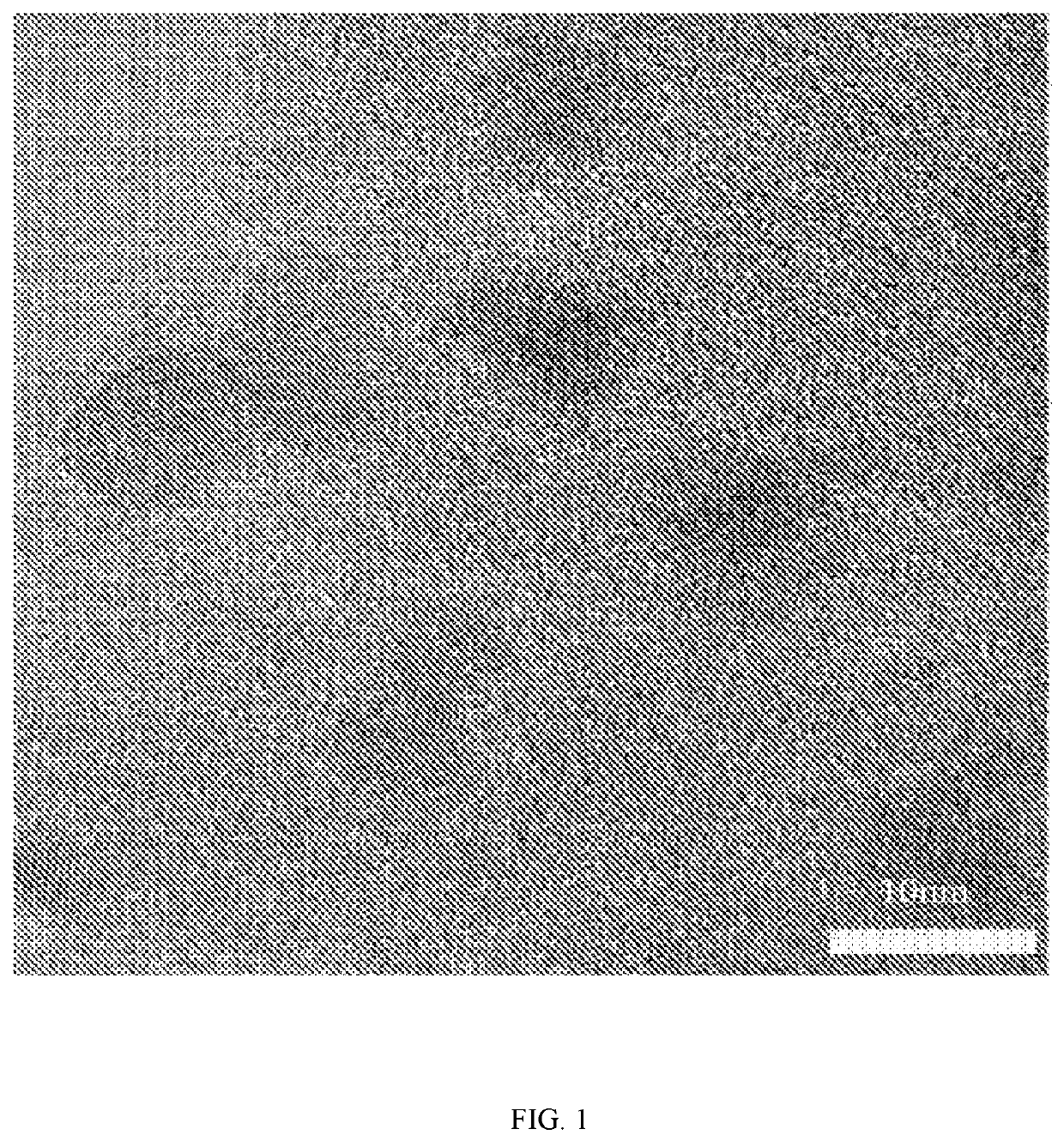
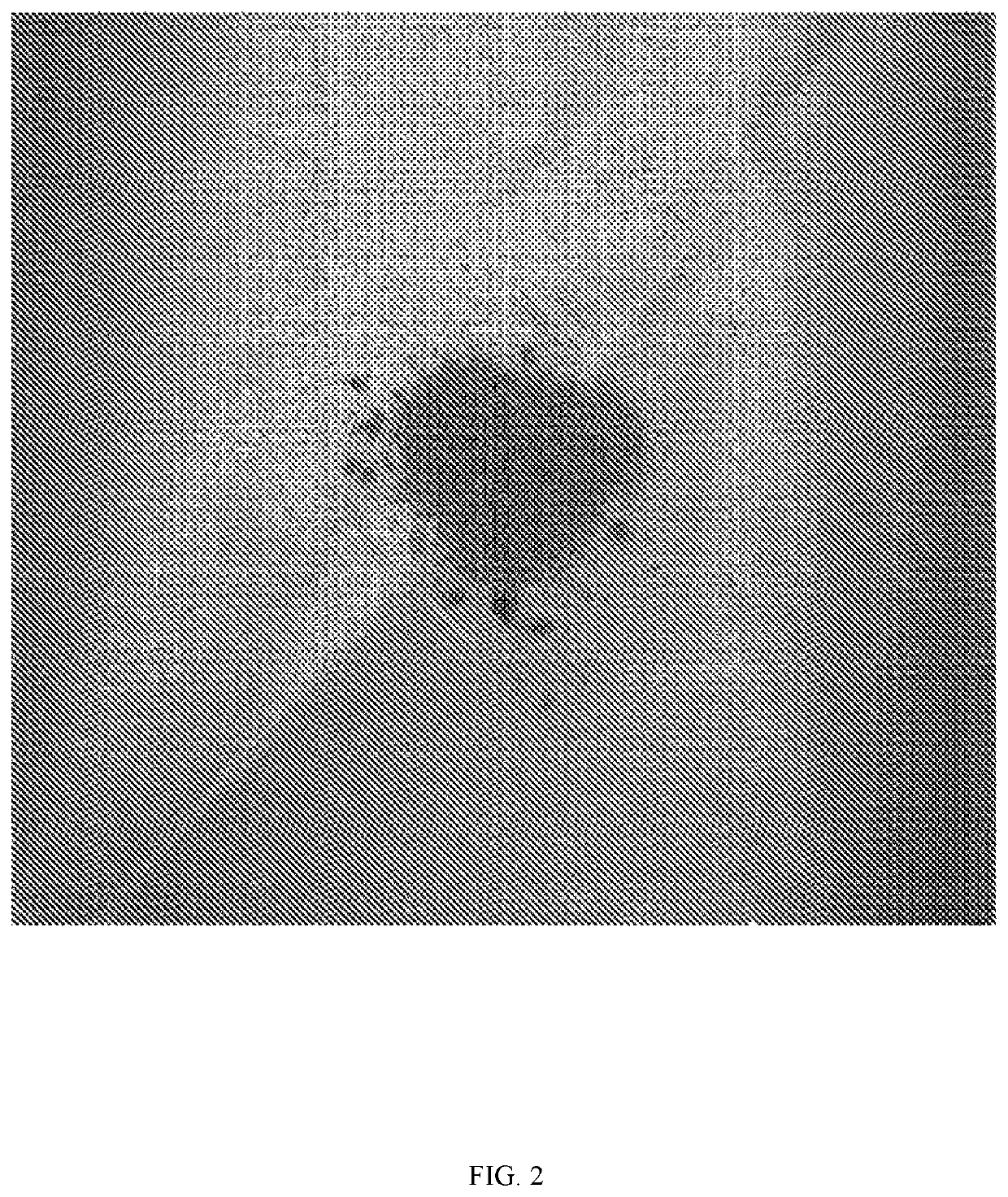
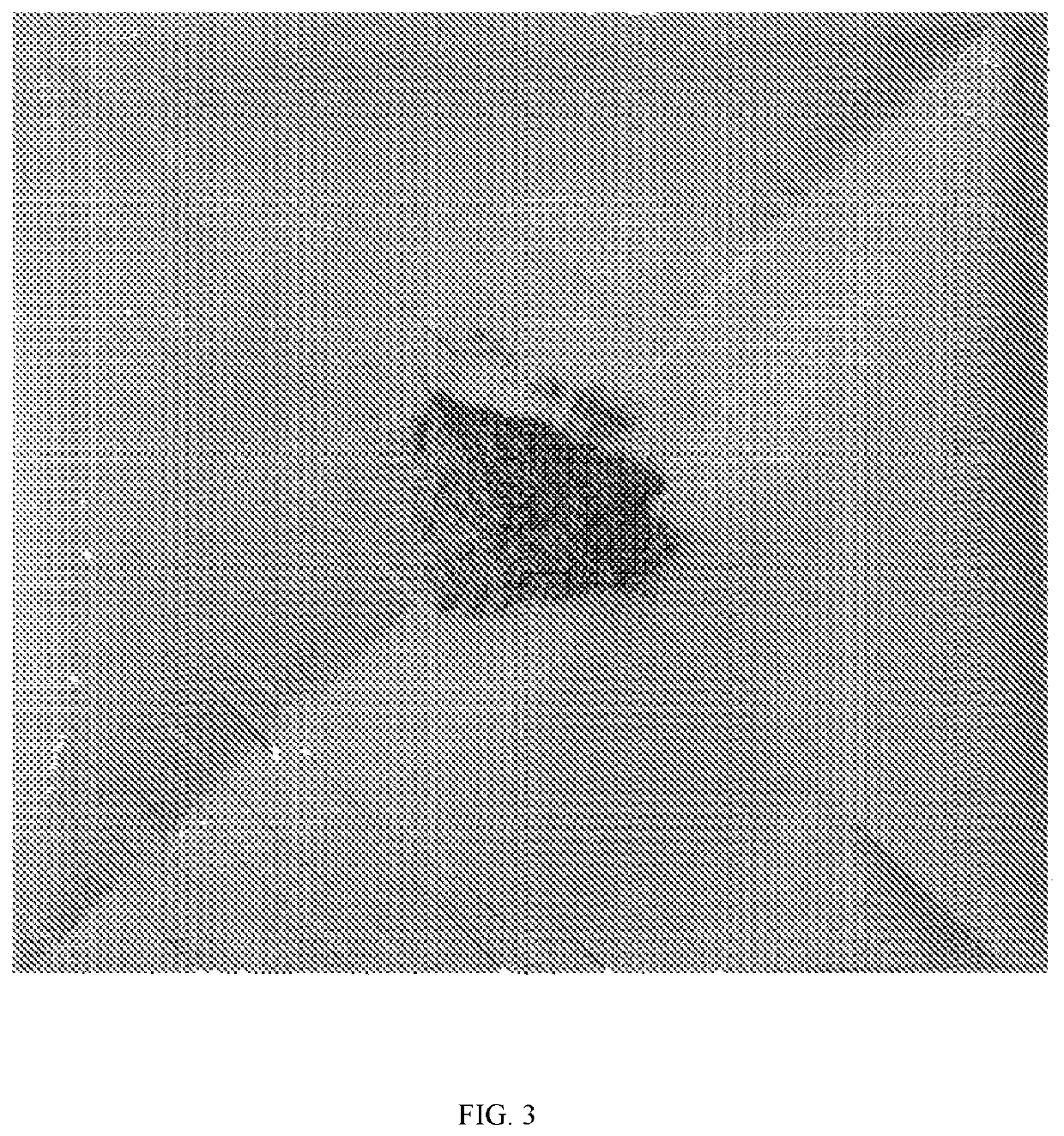

Quantum dot precursor, preparation method thereof and quantum dot
PatentPendingUS20250215018A1
Innovation
- A quantum dot precursor is developed with a simplified preparation method involving room temperature mixing of compounds A and B, using a dispersion and solvent, which enhances stability and consistency.


Environmental Impact of Quantum Dot Materials
The environmental implications of quantum dot materials in semiconductor heterostructures represent a critical consideration for sustainable technology development. Quantum dots (QDs), particularly those containing heavy metals such as cadmium, lead, and selenium, pose significant environmental and health concerns throughout their lifecycle. The manufacturing processes for these nanomaterials often involve toxic precursors and solvents that can contaminate water systems if improperly managed. Additionally, the high energy consumption required for quantum dot synthesis contributes to their overall environmental footprint.
When integrated into metal-oxide semiconductor heterostructures, the potential for environmental exposure increases during device fabrication, use, and end-of-life disposal. Leaching of toxic elements from quantum dots can occur if devices are improperly disposed of or recycled, leading to soil and groundwater contamination. Research indicates that cadmium-based quantum dots are particularly problematic, as cadmium compounds are known carcinogens with high bioaccumulation potential in living organisms.
Recent regulatory frameworks, including the European Union's Restriction of Hazardous Substances (RoHS) directive, have begun to address these concerns by limiting the use of certain heavy metals in electronic devices. This has accelerated research into more environmentally benign alternatives, such as indium phosphide, copper indium sulfide, and carbon-based quantum dots, which demonstrate reduced toxicity profiles while maintaining desirable optoelectronic properties.
Life cycle assessment (LCA) studies of quantum dot-containing devices reveal that environmental impacts vary significantly based on synthesis methods, encapsulation techniques, and device integration approaches. Solution-processed quantum dots typically have lower manufacturing energy requirements compared to epitaxially grown structures, potentially reducing their carbon footprint. However, the stability challenges in metal-oxide semiconductor heterostructures often necessitate additional protective layers or encapsulation materials, which can complicate end-of-life recycling processes.
Emerging green chemistry approaches are addressing these environmental concerns through the development of aqueous synthesis routes, reduced-toxicity precursors, and improved recycling methodologies. Researchers are also exploring biologically derived quantum dots and environmentally responsive degradation pathways that could minimize long-term environmental persistence. These advancements are crucial as quantum dot applications expand beyond display technologies into solar cells, biomedical applications, and environmental sensing.
The industry is increasingly adopting circular economy principles for quantum dot technologies, focusing on material recovery and reuse strategies. Advanced recycling techniques, including selective chemical extraction and physical separation methods, are being developed specifically for nanomaterial recovery from electronic waste. These approaches aim to mitigate environmental impacts while reclaiming valuable materials from end-of-life devices containing quantum dot-semiconductor heterostructures.
When integrated into metal-oxide semiconductor heterostructures, the potential for environmental exposure increases during device fabrication, use, and end-of-life disposal. Leaching of toxic elements from quantum dots can occur if devices are improperly disposed of or recycled, leading to soil and groundwater contamination. Research indicates that cadmium-based quantum dots are particularly problematic, as cadmium compounds are known carcinogens with high bioaccumulation potential in living organisms.
Recent regulatory frameworks, including the European Union's Restriction of Hazardous Substances (RoHS) directive, have begun to address these concerns by limiting the use of certain heavy metals in electronic devices. This has accelerated research into more environmentally benign alternatives, such as indium phosphide, copper indium sulfide, and carbon-based quantum dots, which demonstrate reduced toxicity profiles while maintaining desirable optoelectronic properties.
Life cycle assessment (LCA) studies of quantum dot-containing devices reveal that environmental impacts vary significantly based on synthesis methods, encapsulation techniques, and device integration approaches. Solution-processed quantum dots typically have lower manufacturing energy requirements compared to epitaxially grown structures, potentially reducing their carbon footprint. However, the stability challenges in metal-oxide semiconductor heterostructures often necessitate additional protective layers or encapsulation materials, which can complicate end-of-life recycling processes.
Emerging green chemistry approaches are addressing these environmental concerns through the development of aqueous synthesis routes, reduced-toxicity precursors, and improved recycling methodologies. Researchers are also exploring biologically derived quantum dots and environmentally responsive degradation pathways that could minimize long-term environmental persistence. These advancements are crucial as quantum dot applications expand beyond display technologies into solar cells, biomedical applications, and environmental sensing.
The industry is increasingly adopting circular economy principles for quantum dot technologies, focusing on material recovery and reuse strategies. Advanced recycling techniques, including selective chemical extraction and physical separation methods, are being developed specifically for nanomaterial recovery from electronic waste. These approaches aim to mitigate environmental impacts while reclaiming valuable materials from end-of-life devices containing quantum dot-semiconductor heterostructures.
Scalability and Manufacturing Considerations
The scalability and manufacturing of quantum dot-based metal-oxide semiconductor heterostructures present significant challenges that must be addressed for commercial viability. Current laboratory-scale synthesis methods often struggle with reproducibility issues when scaled to industrial production levels. The primary challenge lies in maintaining uniform quantum dot size distribution and consistent surface properties across large-scale manufacturing processes, as these parameters directly impact stability and performance.
Manufacturing processes must balance precision with cost-effectiveness. Traditional colloidal synthesis methods offer good control over quantum dot properties but face throughput limitations. Conversely, continuous flow reactors show promise for industrial-scale production but require sophisticated monitoring systems to maintain quality control. Recent advancements in microfluidic platforms have demonstrated improved consistency in quantum dot synthesis, potentially offering a middle ground between quality and scalability.
Material selection also plays a crucial role in manufacturing considerations. While certain semiconductor materials offer superior optical and electronic properties, their toxicity, scarcity, or processing complexity may limit large-scale implementation. For instance, cadmium-based quantum dots face regulatory restrictions despite their excellent performance characteristics, driving research toward alternatives like indium phosphide or zinc-based systems that offer better environmental compatibility.
Integration of quantum dots into metal-oxide semiconductor architectures introduces additional manufacturing complexities. Conventional semiconductor fabrication techniques like atomic layer deposition (ALD) and chemical vapor deposition (CVD) must be adapted to accommodate quantum dot incorporation without compromising their unique properties. The interface engineering between quantum dots and metal-oxide layers remains particularly challenging, requiring precise control of surface chemistry and deposition parameters.
Cost analysis reveals that while raw materials contribute significantly to production expenses, specialized equipment and quality control measures represent substantial capital investments. Economic viability depends on achieving sufficient manufacturing yields and developing streamlined processes that minimize waste. Current estimates suggest that production costs must decrease by approximately 60-70% to compete with conventional semiconductor technologies in mainstream applications.
Standardization efforts are emerging as industry stakeholders recognize the need for consistent characterization methods and quality metrics. Organizations like IEEE and SEMI have begun developing frameworks for quantum dot manufacturing specifications, which will facilitate broader adoption and supply chain development. These standards will be essential for transitioning quantum dot-metal oxide semiconductor technologies from research laboratories to commercial production facilities.
Manufacturing processes must balance precision with cost-effectiveness. Traditional colloidal synthesis methods offer good control over quantum dot properties but face throughput limitations. Conversely, continuous flow reactors show promise for industrial-scale production but require sophisticated monitoring systems to maintain quality control. Recent advancements in microfluidic platforms have demonstrated improved consistency in quantum dot synthesis, potentially offering a middle ground between quality and scalability.
Material selection also plays a crucial role in manufacturing considerations. While certain semiconductor materials offer superior optical and electronic properties, their toxicity, scarcity, or processing complexity may limit large-scale implementation. For instance, cadmium-based quantum dots face regulatory restrictions despite their excellent performance characteristics, driving research toward alternatives like indium phosphide or zinc-based systems that offer better environmental compatibility.
Integration of quantum dots into metal-oxide semiconductor architectures introduces additional manufacturing complexities. Conventional semiconductor fabrication techniques like atomic layer deposition (ALD) and chemical vapor deposition (CVD) must be adapted to accommodate quantum dot incorporation without compromising their unique properties. The interface engineering between quantum dots and metal-oxide layers remains particularly challenging, requiring precise control of surface chemistry and deposition parameters.
Cost analysis reveals that while raw materials contribute significantly to production expenses, specialized equipment and quality control measures represent substantial capital investments. Economic viability depends on achieving sufficient manufacturing yields and developing streamlined processes that minimize waste. Current estimates suggest that production costs must decrease by approximately 60-70% to compete with conventional semiconductor technologies in mainstream applications.
Standardization efforts are emerging as industry stakeholders recognize the need for consistent characterization methods and quality metrics. Organizations like IEEE and SEMI have begun developing frameworks for quantum dot manufacturing specifications, which will facilitate broader adoption and supply chain development. These standards will be essential for transitioning quantum dot-metal oxide semiconductor technologies from research laboratories to commercial production facilities.
Unlock deeper insights with PatSnap Eureka Quick Research — get a full tech report to explore trends and direct your research. Try now!
Generate Your Research Report Instantly with AI Agent
Supercharge your innovation with PatSnap Eureka AI Agent Platform!