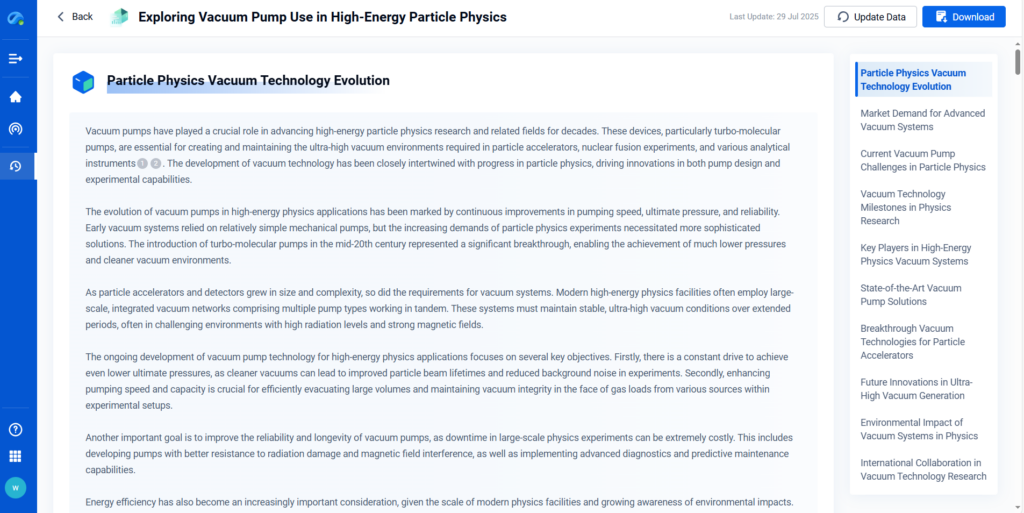
Vacuum pumps are critical fluid-handling components used to create and maintain vacuum environments by removing air and gas molecules from sealed systems. Originally developed for basic lab functions, their role has expanded into vital operations in advanced electronics, aerospace, pharmaceuticals, and environmental protection. As industries demand cleaner, more energy-efficient, and contamination-free processes, vacuum pumps offer a precise, scalable solution.
This article unpacks the construction and key traits of vacuum pumps, analyzes their multi-industry applications, compares their competitive advantages and limitations, and outlines where the future is headed—powered by insights from PatSnap’s Eureka AI Agent.

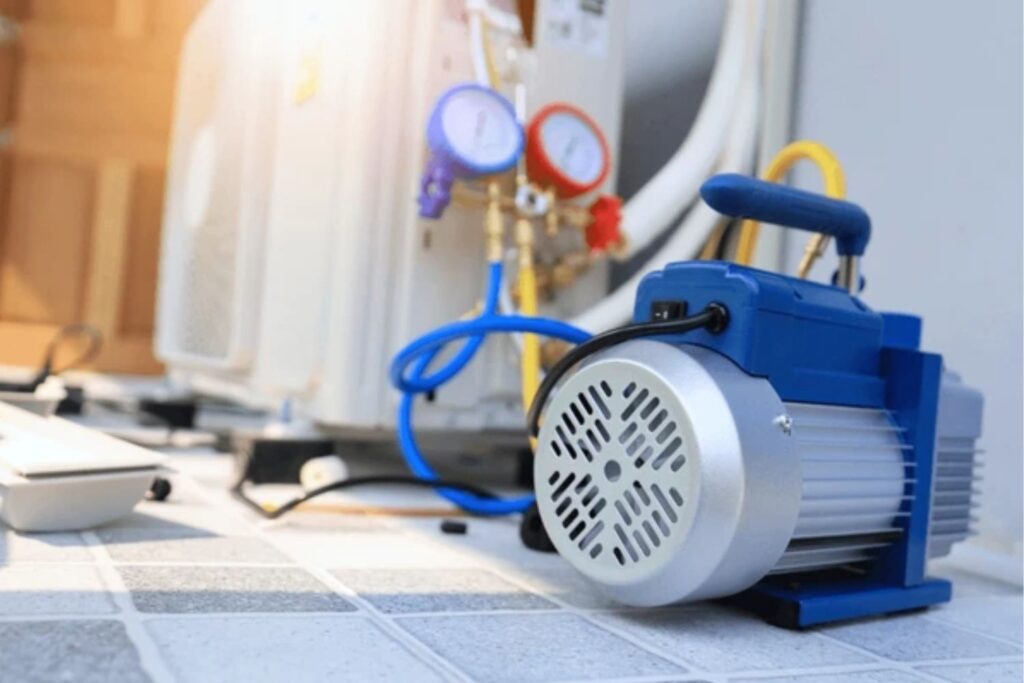
Material Composition & Key Properties
- Vacuum pumps operate on mechanical, diffusion, or molecular principles depending on the pressure range and application.
- Common types include rotary vane pumps, diaphragm pumps, turbomolecular pumps, scroll pumps, and cryogenic pumps.
- They are constructed using corrosion-resistant materials like stainless steel, ceramics, and PTFE for long-term durability under aggressive environments.
- Core performance traits include:
- High vacuum generation (up to 10⁻¹² Torr in UHV systems)
- Oil-free and contamination-free designs
- Modular scalability for multistage vacuum control
- Smart integration for predictive maintenance and energy optimization
Comparative Advantages & Limitations
✅ Advantages
1. Broad Operational Compatibility
Vacuum pumps are compatible with a wide range of processes—from semiconductor fabrication and pharmaceutical freeze-drying to high-energy physics. This universality stems from their modular configurations and material compatibility with reactive gases, solvents, and particulates.
2. High Precision Control
Modern vacuum systems offer micro-level pressure control (as low as 10⁻⁹ mbar), which is critical for thin film deposition, surface treatment, and leak detection. Integration with PID-regulated controllers and feedback systems ensures highly stable vacuum environments.
3. Energy-Efficient Designs
Recent models, especially dry scroll and magnetically levitated turbo pumps, offer significant energy savings over legacy oil-sealed systems. Smart on-demand operation modes reduce idle-time consumption in batch processes.
4. Contamination-Free Operation
Dry vacuum technologies eliminate the need for oil lubrication within the vacuum chamber, preventing backstreaming and ensuring cleanliness—crucial in food processing, medical device manufacturing, and analytical instrumentation.
5. Scalability Across Industries
Vacuum pumps are available across a wide throughput range—from compact diaphragm pumps for laboratory use to large screw pumps and roots blowers used in steel degassing or lithium battery cell assembly lines. Their modularity allows integration into multi-stage vacuum systems tailored to industry-specific demands.
6. Enhanced System Integration
With increasing digitization in manufacturing, many vacuum pumps now feature IoT-enabled diagnostics, predictive maintenance protocols, and programmable interfaces (Modbus, Profibus, Ethernet/IP), enabling seamless integration with factory automation systems.
Limitations
1. High Initial Capital Cost
Advanced dry vacuum pumps, cryogenic systems, and turbo-molecular configurations often require significant upfront investment. Total cost of ownership (TCO) must also consider required accessories such as chillers, traps, and vibration dampeners.
2. Thermal Load Management
High-speed pumps generate considerable heat, necessitating external cooling systems and careful thermal load balancing—especially in cleanrooms or vacuum coating chambers with sensitive thermal profiles.
3. Noise and Vibration
Despite improvements, some mechanical vacuum pumps (e.g., rotary vane, piston types) can produce disruptive noise and mechanical vibration. Acoustic enclosures and anti-vibration mounts are often required in laboratory and medical settings.
4. Maintenance & Downtime Risks
Oil-sealed and mechanical types require periodic maintenance—oil changes, seal replacement, and rotor inspections. In high-throughput lines, even short downtimes can lead to significant productivity loss or batch contamination.
5. Sensitivity to Process Contaminants
Some pump designs are vulnerable to dust, corrosive vapors, or condensable gases. Improper gas handling can lead to rotor fouling, corrosion, or catastrophic seal failure, particularly in chemical and pharmaceutical applications.
6. Environmental and Regulatory Constraints
Oil-lubricated pumps may pose challenges in terms of VOC emissions, oil disposal regulations, and environmental certification (RoHS, REACH). Dry alternatives reduce this burden but at a cost premium.
Application Domains for Vacuum Pump Technologies
📦 Semiconductor & Nanoelectronics
In the semiconductor and nanoelectronics sector, precision controlled vacuum environments are essential for deposition, etching, and ion implantation processes.
Related Reports:
- Optimizing Vacuum Pumps for Ion Implantation in Semiconductors
- How Vacuum Pumps Support Submicron Process Technologies
- Investigating Vacuum Pump Performance in Optical Fiber Production
- Vacuum Pump Utilization in Next-Generation Display Technologies
- Vacuum Pump Efficiency in High-Purity Silicon Manufacturing
- How Vacuum Pumps Aid Advanced Material Deposition Techniques

⚛️ Advanced Physics & Energy Applications
Vacuum pumps enable controlled environments vital for fusion research, superconducting materials, and clean energy innovations like hydrogen storage.
Related Reports:
- Vacuum Pump Usage in Fusion Reactor Development
- Vacuum Pump Design for Enhanced Cryogenics Systems
- Vacuum Pump Design for Enhanced Hydrogen Storage Systems
- Vacuum Pump Performance in Superconducting Material Synthesis
- How Vacuum Pumps Influence Laser Ablation Techniques
- Vacuum Pump Optimization for High-Capacity Lithium-Ion Battery Production

🧪 Materials Science, Coating & Additive Manufacturing
Vacuum-driven deposition and fabrication processes are widely used to create advanced composites, clean coatings, and high-performance materials.
Related Reports:
- Vacuum Pump Roles in Additive Manufacturing of Metals
- Vacuum Pumps in Advanced Surface Coating Technologies
- Investigating Vacuum Pump Techniques in Space Exploration Equipment
- Vacuum Pump Applications in Advanced Waveguide Manufacturing
- How Vacuum Pumps Aid Advanced Material Deposition Techniques
- How Vacuum Pumps Influence Advanced Composite Material Curing
- Investigating Vacuum Pump Impact in Nanofiltration Membrane Production
🧬 Biomedical & Life Sciences
Vacuum pumps are essential for sterile processing, microfluidics, biomedical sensors, and pharmaceutical manufacturing units.
Related Reports:
- Vacuum Pump Applications in Biomedical Device Sterilization
- How Vacuum Pumps Enhance Microfluidic Device Fabrication
- Vacuum Pump Roles in Ultrafast Spectroscopy Experiments
- The Role of Vacuum Pumps in Nanoparticle Dispersion Techniques
- How Vacuum Pumps Aid the Synthesis of Biodegradable Polymers
🚗 Aerospace, Space & Environmental Science
Vacuum pumps support extreme testing environments, planetary simulation chambers, space instrumentation, and environmental monitoring systems.
Related Reports:
- Exploring Vacuum Pump Integration in Quantum Computing Hardware
- How Vacuum Pumps Support Atmospheric Simulation Chambers
- Investigating Vacuum Pump Techniques in Space Exploration Equipment
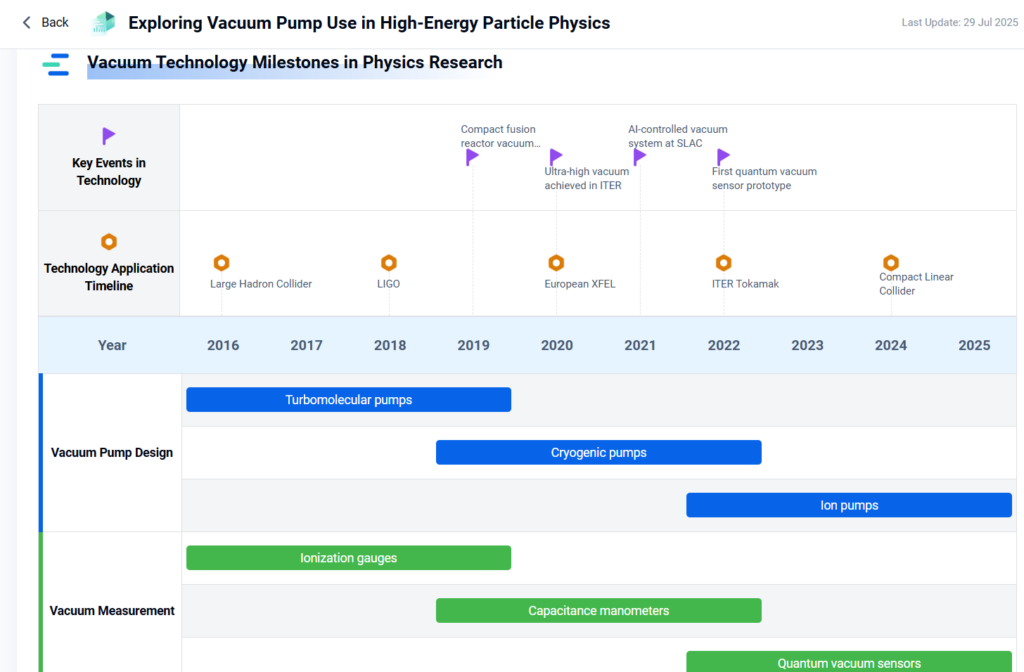
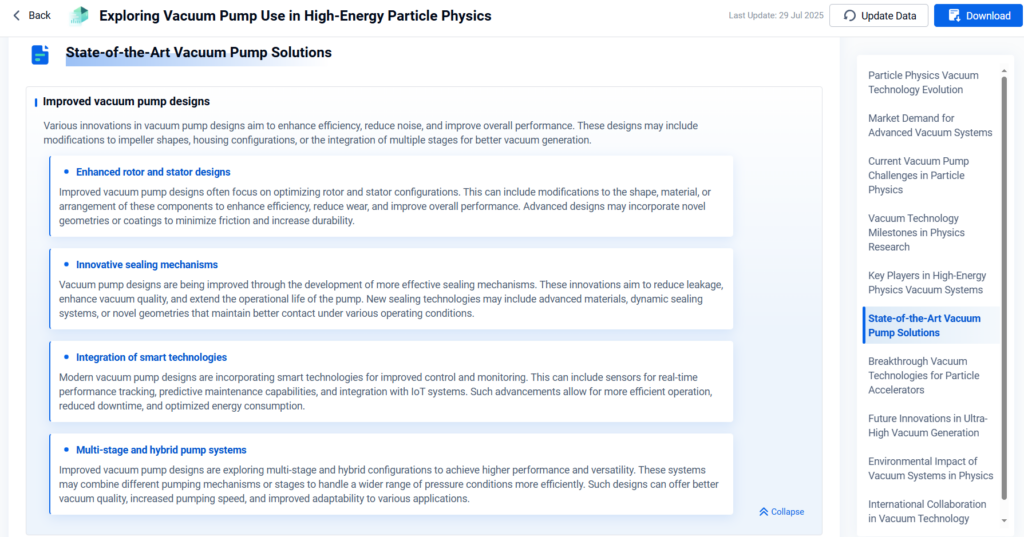
- Exploring Vacuum Pump Use in High-Energy Particle Physics
- Exploring Vacuum Pump Use in High-Precision Meteorological Instruments
- Exploring Vacuum Pump Use in Environmental Monitoring Devices
- Vacuum Pump Reliability in Extreme Conditions
📦 Emerging Frontiers in Vacuum Pump Technologies
From next-gen photonics to semiconductor-grade nanomanufacturing, vacuum pumps are silently powering some of the world’s most advanced systems. But what about their role in:
- Ultra-high vacuum in quantum optics experiments?
- Inert gas management in space manufacturing?
- Contamination-free packaging of biologics?
- Cleanroom filtration in hybrid bioelectronics?
- And beyond?
These are not just edge cases—they’re future-defining challenges.
👉 Curious how vacuum pumps are being engineered to meet extreme precision, contamination control, and system integration needs across novel fields?
Discover what’s shaping tomorrow’s vacuum-enabled industries—today. Unlock deeper insights, technical mechanisms, and report-backed use cases with PatSnap Eureka AI Agent.


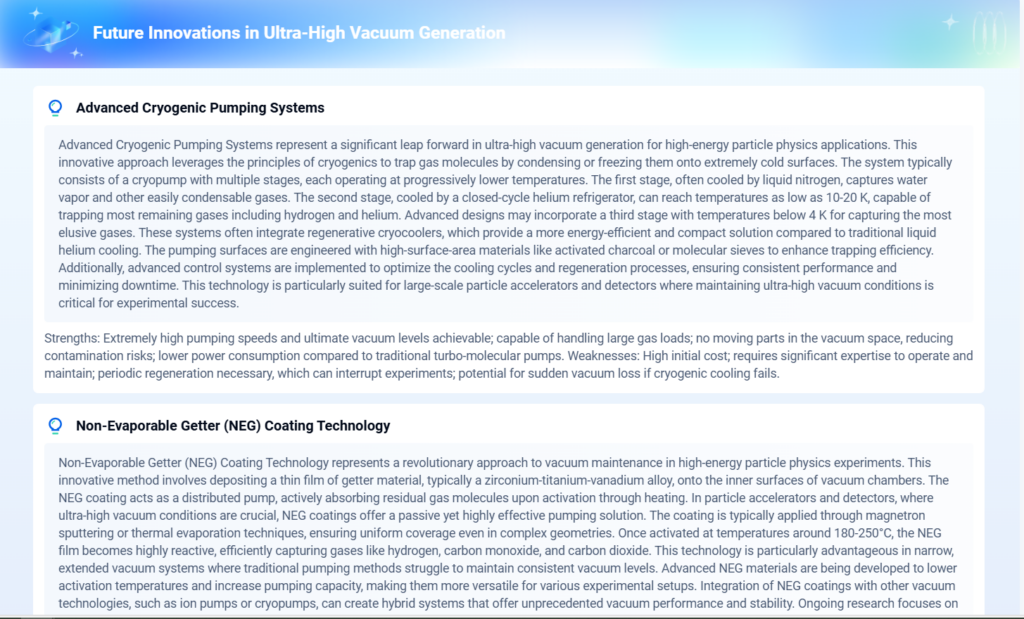
Future Outlook
In the next decade, vacuum pumps will evolve from passive utility components to active smart systems. Integration with AI diagnostics, edge computing, and green energy initiatives will reshape their role across industries. Key directions include:
- Smart vacuum ecosystems with autonomous feedback loops
- Sustainable, oil-free, and low-noise pumps
- Hybrid vacuum–pressure systems for flexible manufacturing
- Ultra-compact pumps for wearable or portable devices
- Vacuum solutions for solid-state battery and hydrogen energy production
Conclusion & Strategic Takeaways
Vacuum pumps are no longer niche tools—they’re foundational to the clean, precise, and efficient operation of tomorrow’s manufacturing, healthcare, and energy systems. Their ability to support high-purity processes makes them indispensable across sectors from semiconductor fabs to biotech labs. As demands rise for sustainability and intelligence, vacuum technologies will become even more central to competitive advantage.
As vacuum pump innovation accelerates, fragmented R&D data and rapid competitor advances create growing challenges. PatSnap Eureka AI Agent helps you stay ahead by:
● Mapping emerging trends across thousands of patents and studies
● Uncovering unmet market needs via white space analysis
● Identifying key players, materials, and technological bottlenecks👉 Explore the vacuum tech frontier with Eureka and transform R&D insights into market impact.