World Wide Telecom Web Voice Applications

a voice application and web application technology, applied in the field of information technology, can solve problems such as the difficulty of systematic application developmen

US20110051911A1Active Publication Date: 2011-03-03IBM CORP
6 Cites 12 Cited by

Patent Information

Authority / Receiving Office
US · United States
Current Assignee / Owner
Publication Date
2011-03-03

Smart Images

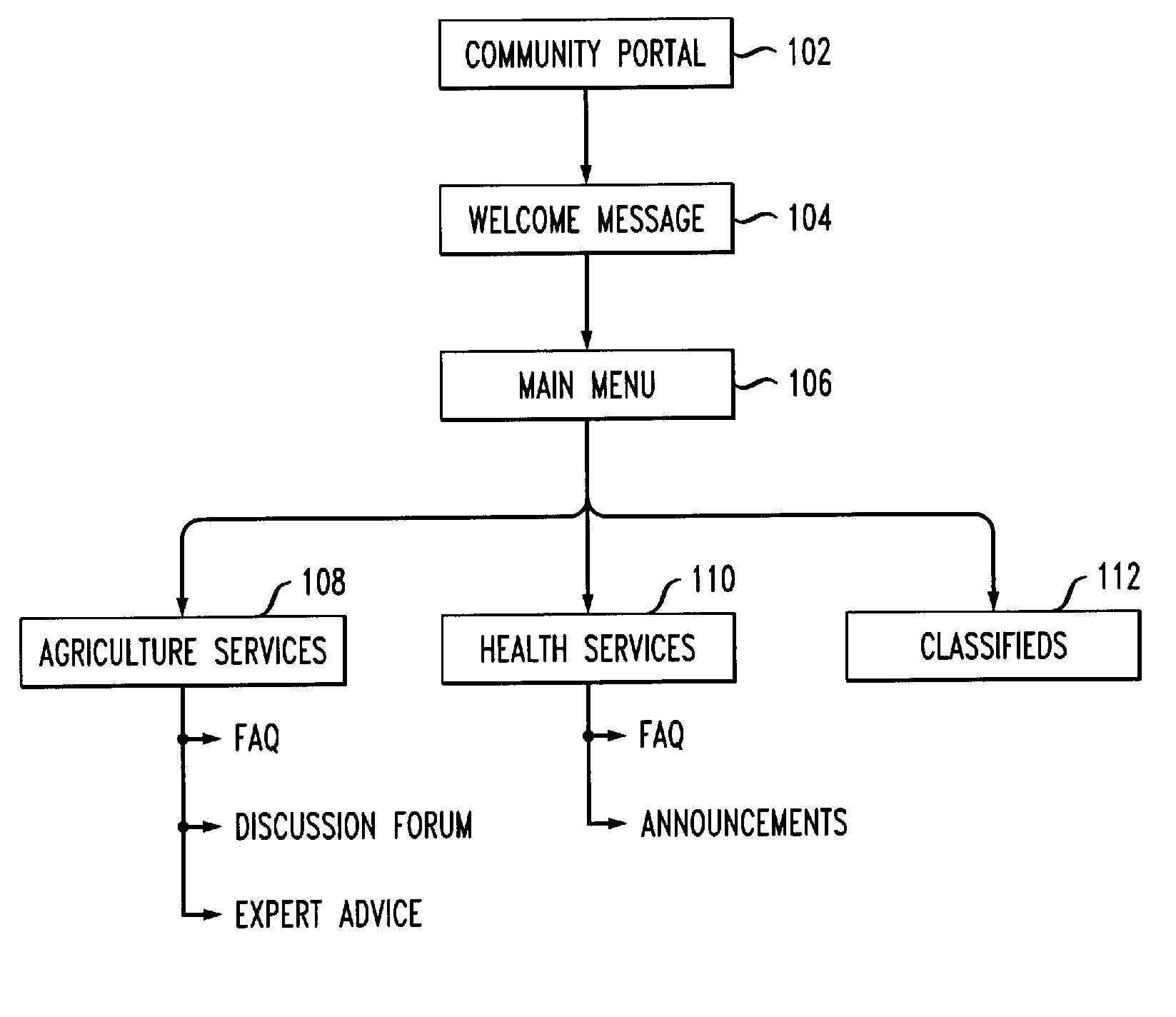
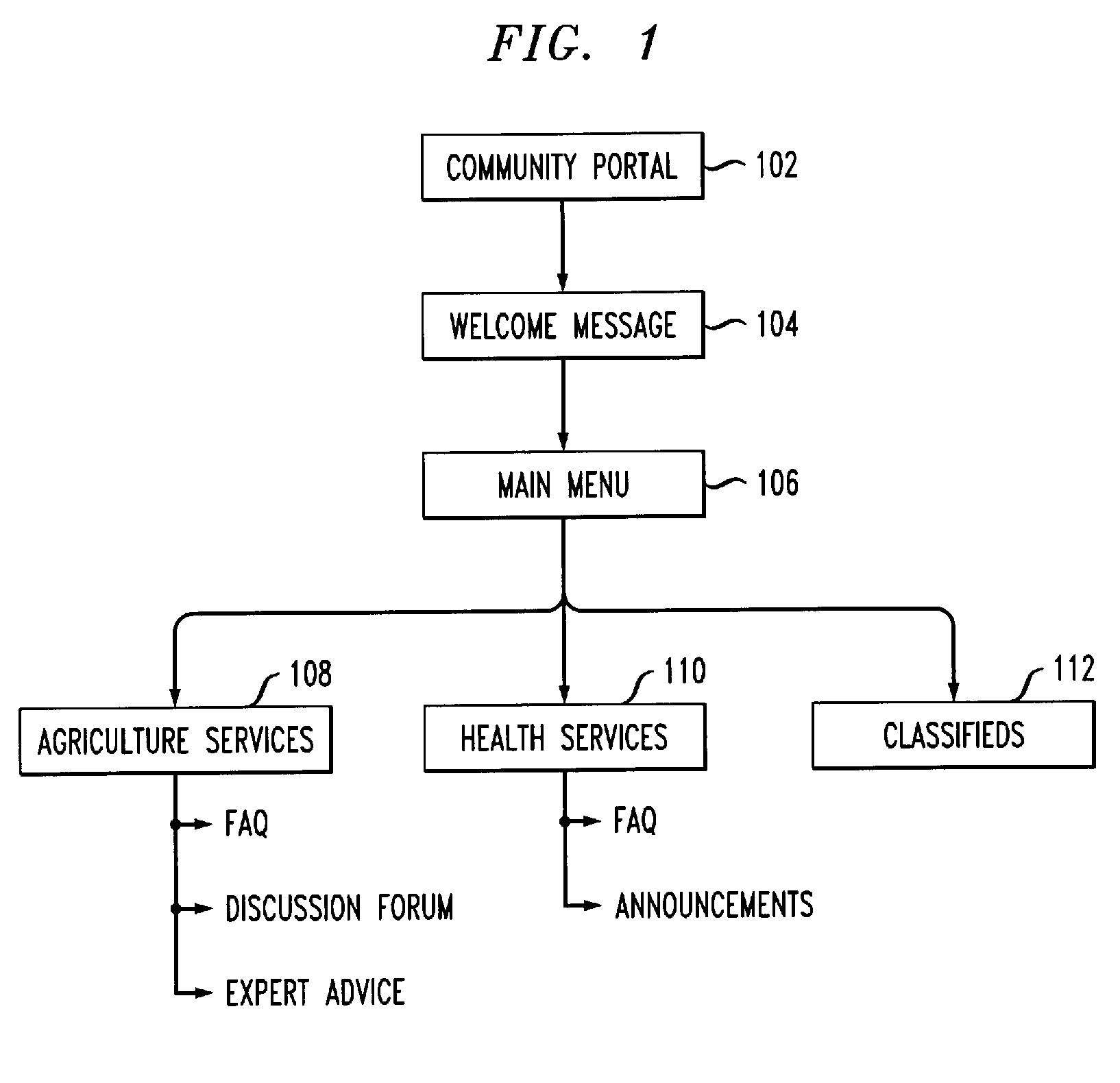
  • Figure 1
    Figure 1
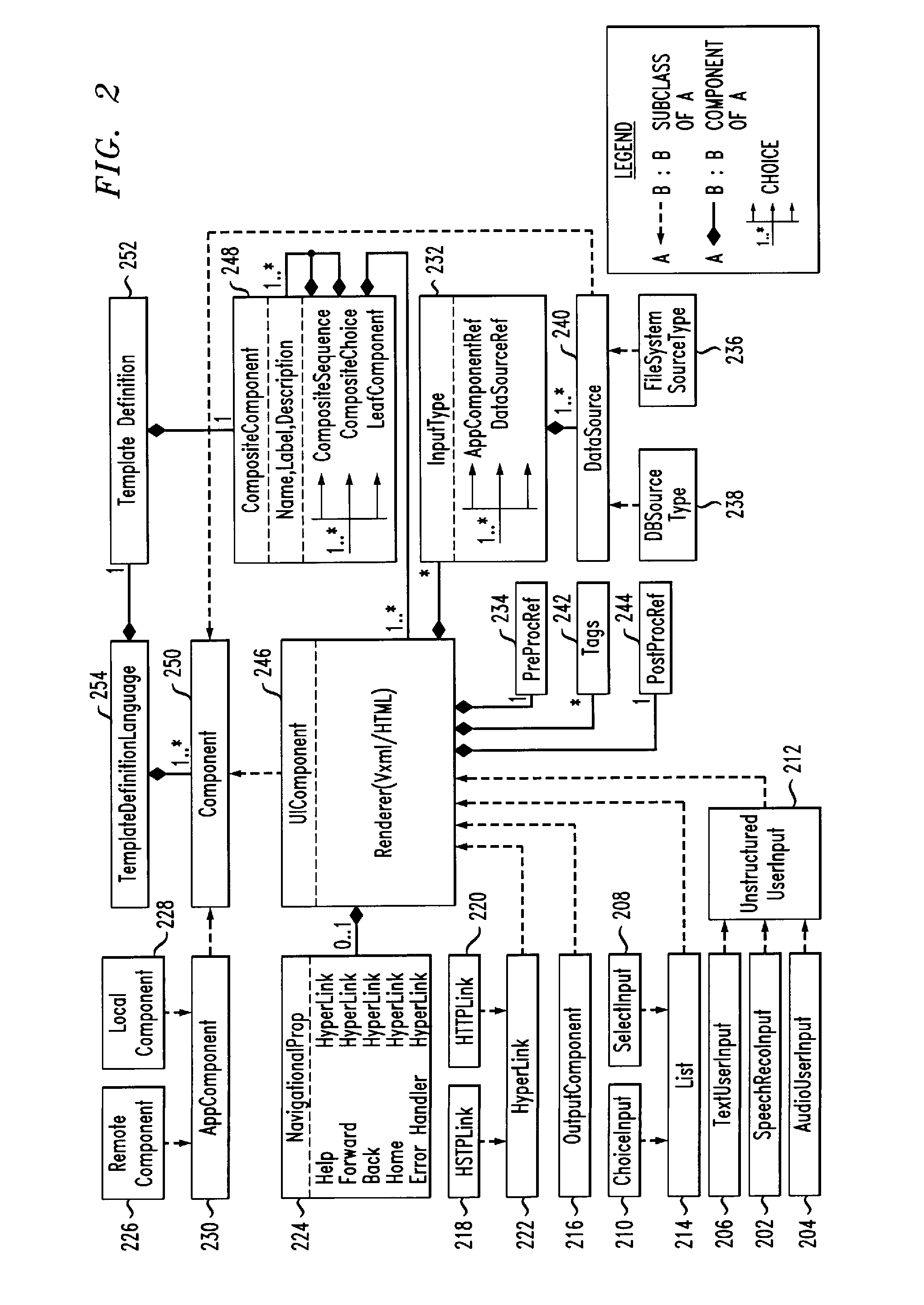
  • Figure 2
    Figure 2
  • Figure 3
    Figure 3
Patent Text Reader

Abstract

A framework for creating a voice application in a world wide telecom web (WWTW) is provided. The techniques include using a pre-defined schema to create one or more voice application templates, using the one or more voice application templates to generate a first version of the voice application, using the first version of the voice application and a library of one or more components to generate a deployable version of the voice application and deploying the deployable version of the voice application onto a run-time execution engine.
Need to check novelty before this filing date? Find Prior Art

Description

FIELD OF THE INVENTION

[0001] Embodiments of the invention generally relate to information technology (IT), and, more particularly, to telecom web applications.BACKGROUND OF THE INVENTION

[0002] The World Wide Telecom Web (WWTW) (also known as Spoken Web) is emerging as an alternate web for the under-privileged, navigable entirely through a voice based interface using an ordinary telephone. A node in the WWTW graph is a voice application called a VoiceSite and is accessible over a simple phone call. VoiceSites may be hyperlinked through Hyperspeech Transfer Protocol (HSTP) or through an ordinary call transfer facility of telephony networks.

[0003] A VoiceSite is formed by one or more VoicePages (for example, VoiceXML files) that are hosted and co-located in the network. VoiceSites contain information or the application flow with which a user can interact by spoken language. Subscribers can expose custom information and services through VoiceSites. Individual users and enterprises can also...

Examples

Embodiment Construction

[0025]Principles of the invention include a telecom web application framework (TWAF), an application framework for creating, deploying and managing interactive telecom web applications (that is, VoiceSites) as well as meta-VoiceSites or meta websites that are used to configure and instantiate templates into VoiceSites or websites. As detailed herein, a meta-VoiceSite is a telecom web application that enables the end-user to create another telecom web application (for example, a VoiceSite) through a voice based interface, in addition to a graphical user interface (GUI) or application programming interface (API) as supported by traditional web application frameworks. Further, TWAF also enables third parties to plug-in their extended templates.

[0026]In one or more embodiments of the invention, TWAF supports voice over telephony as a primary interface for creation of VoiceSites to support non IT-literate users, in addition to supporting APIs and GUIs for the developers. Additionally, th...