
Waveguide power sensor structures free of optical coherence effects in a hamr drive
a waveguide power sensor and optical coherence effect technology, applied in the field of data storage systems, can solve the problems of fluctuation of optical power of laser diodes (ld), data stored within magnetic bits may not be thermally stable, and may not always be practical when lowering the temperatur
- Summary
- Abstract
- Description
- Claims
- Application Information
AI Technical Summary
Benefits of technology
Problems solved by technology
Method used
Image

Examples
Embodiment Construction
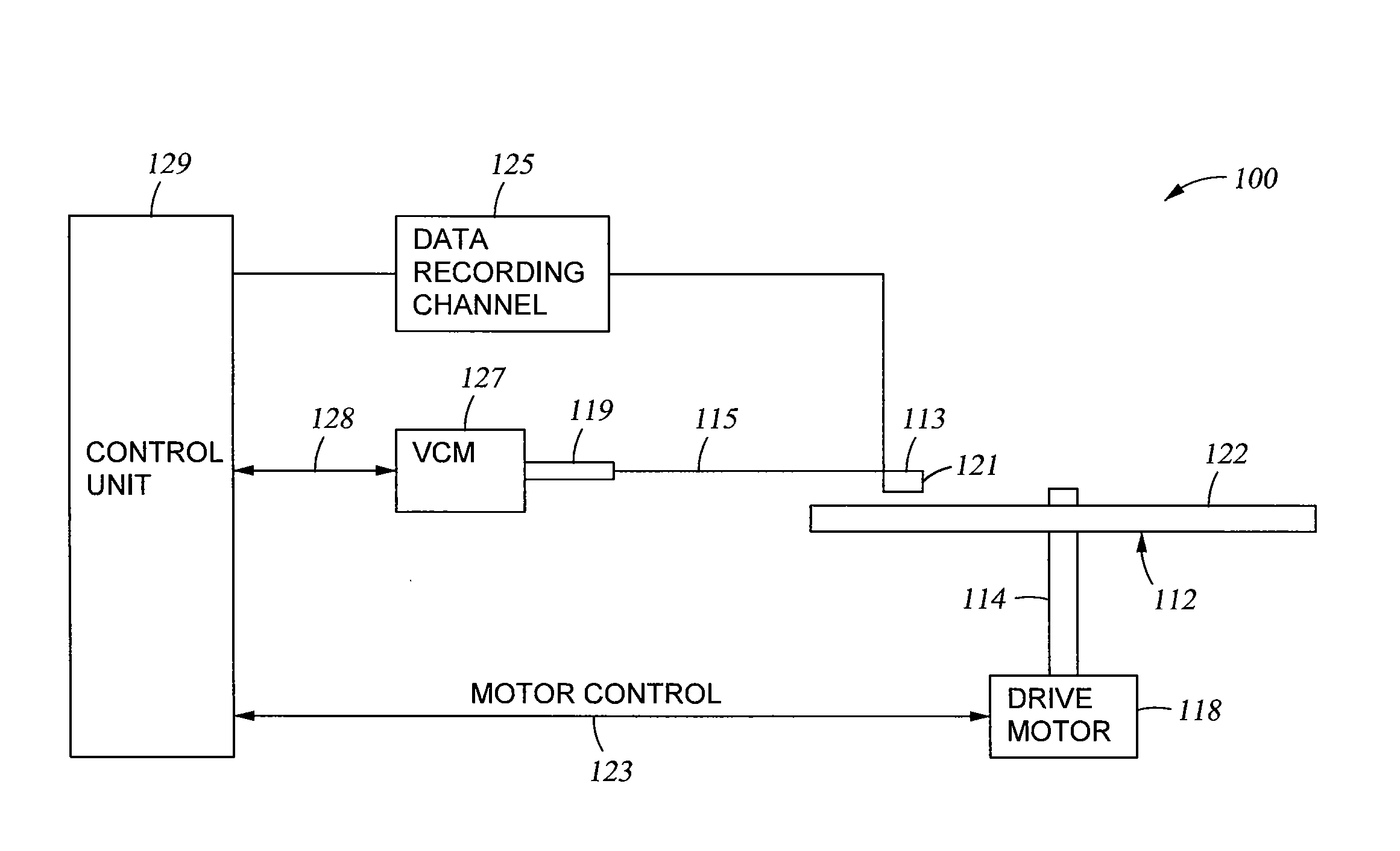
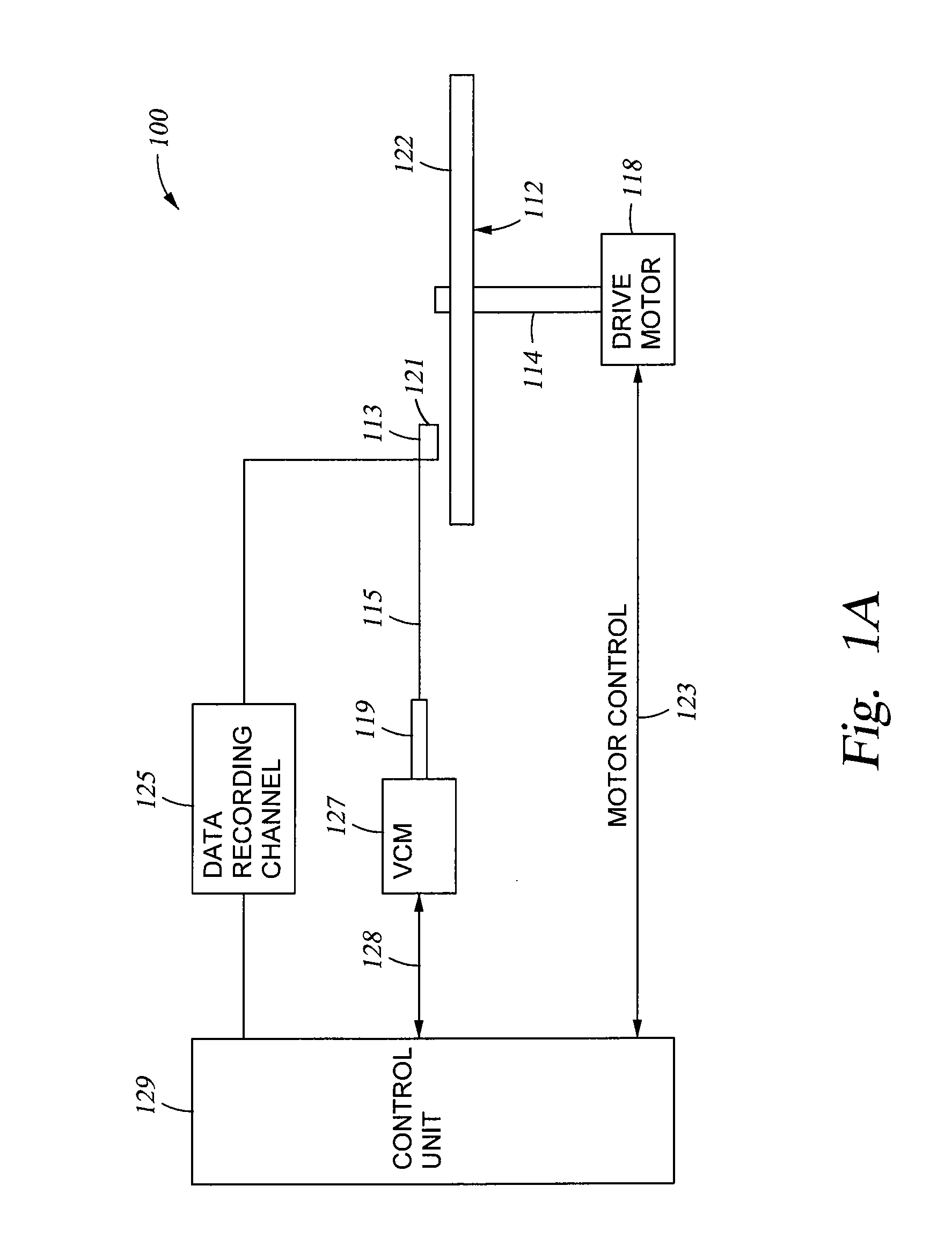
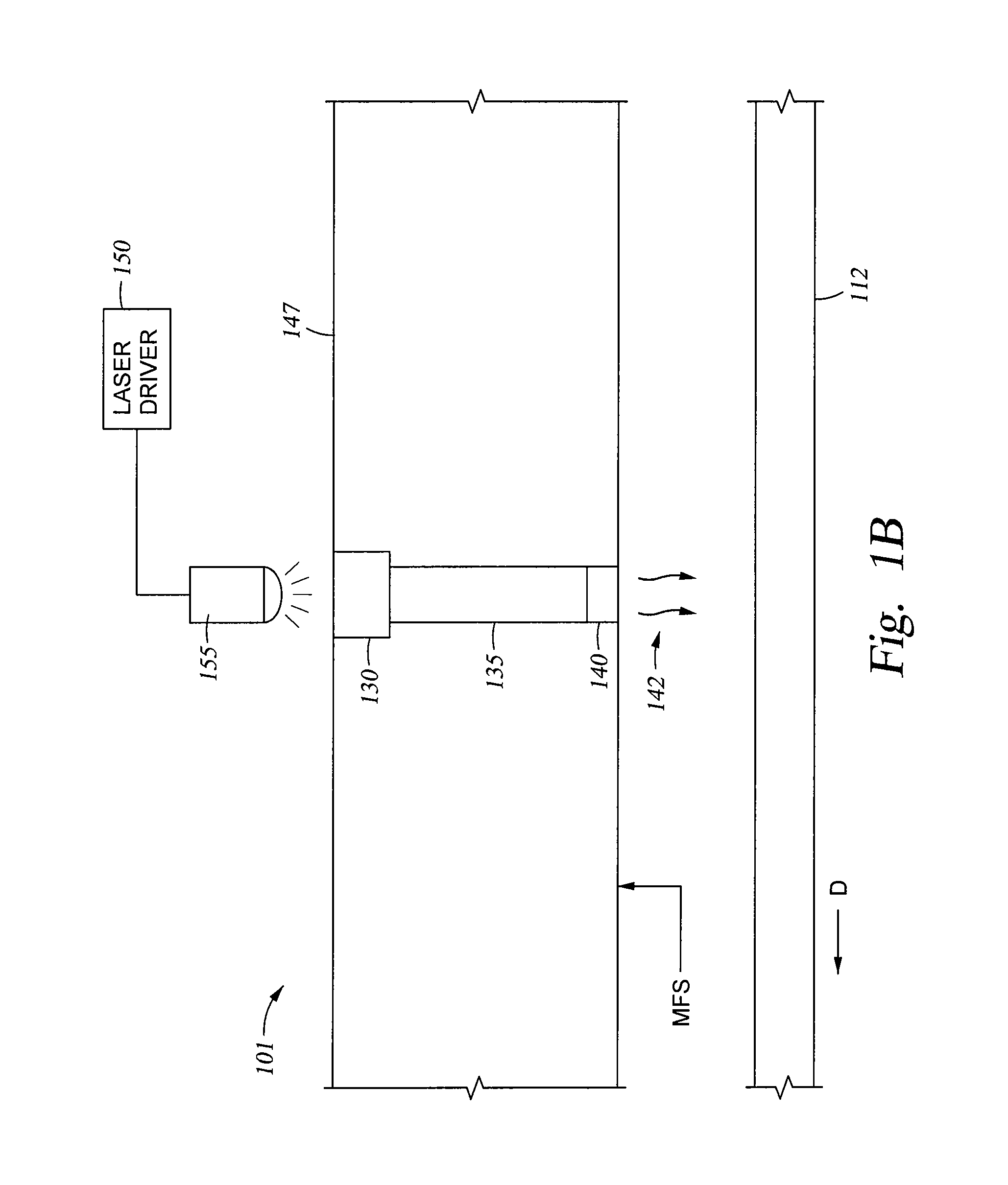
[0017]In the following, reference is made to embodiments. However, it should be understood that the invention is not limited to specific described embodiments. Instead, any combination of the following features and elements, whether related to different embodiments or not, is contemplated to implement and practice the invention. Furthermore, although embodiments of the invention may achieve advantages over other possible solutions and / or over the prior art, whether or not a particular advantage is achieved by a given embodiment is not limiting of the invention. Thus, the following aspects, features, embodiments and advantages are merely illustrative and are not considered elements or limitations of the appended claims except where explicitly recited in a claim(s). Likewise, reference to “the invention” shall not be construed as a generalization of any inventive subject matter disclosed herein and shall not be considered to be an element or limitation of the appended claims except wh...
PUM
 Login to View More
 Abstract
Description
Claims
Application Information
 Login to View More