
Liquid crystal orientating agent and liquid crystal display element
A technology of liquid crystal orientation and vertical orientation, which is applied in the direction of liquid crystal materials, chemical instruments and methods, instruments, etc., can solve the problems of uneven orientation and moisture absorption, and achieve the effect of excellent voltage retention rate
Patent Information
- Authority / Receiving Office
- CN · China
- Patent Type
- Patents(China)
- Current Assignee / Owner
- Publication Date
- 2009-12-16
Smart Images
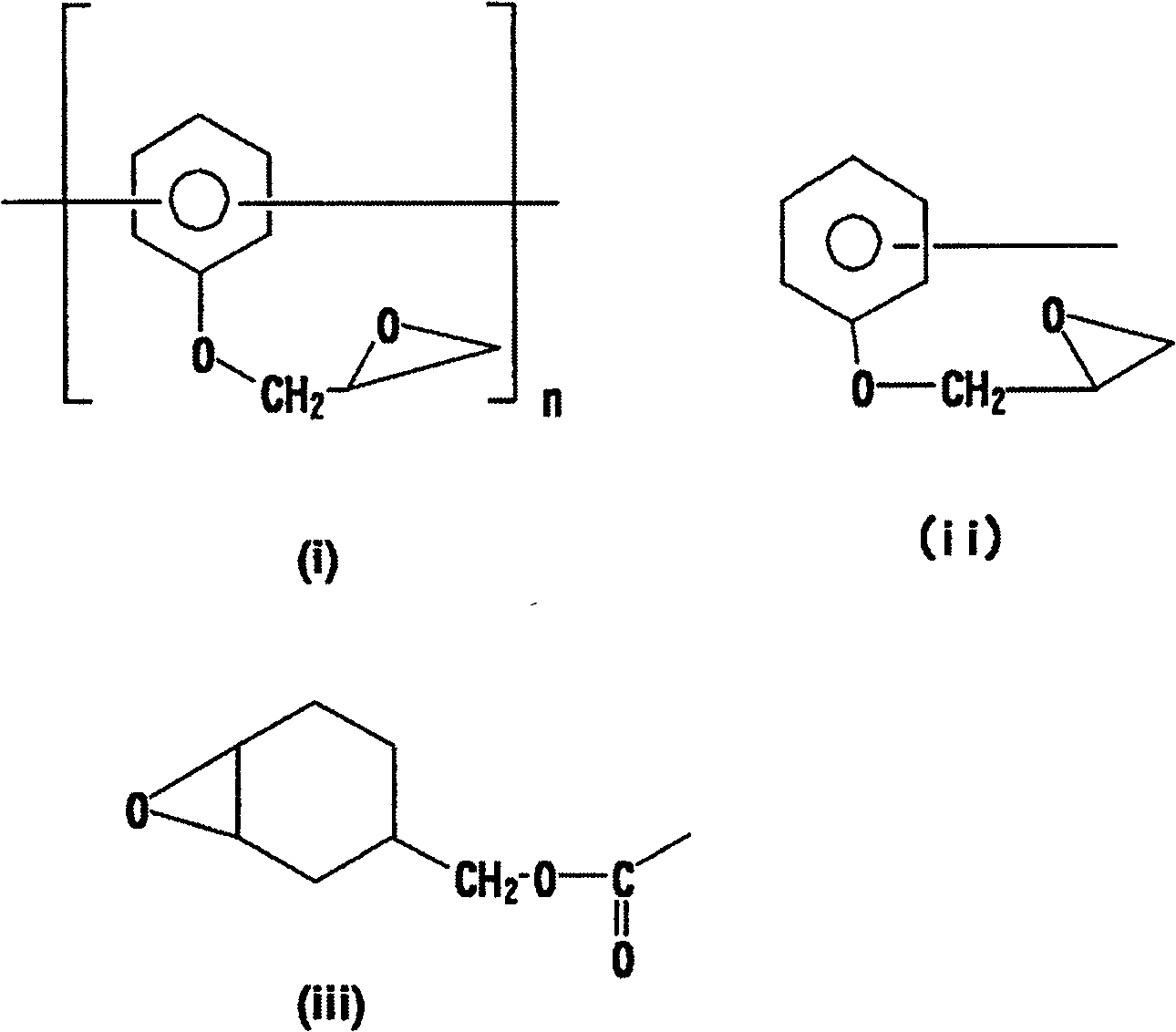
Figure 1 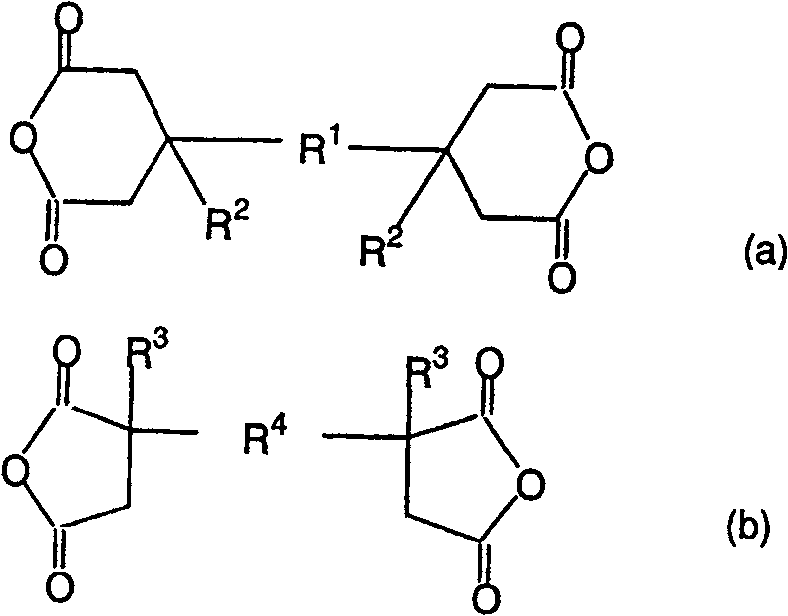
Figure 2 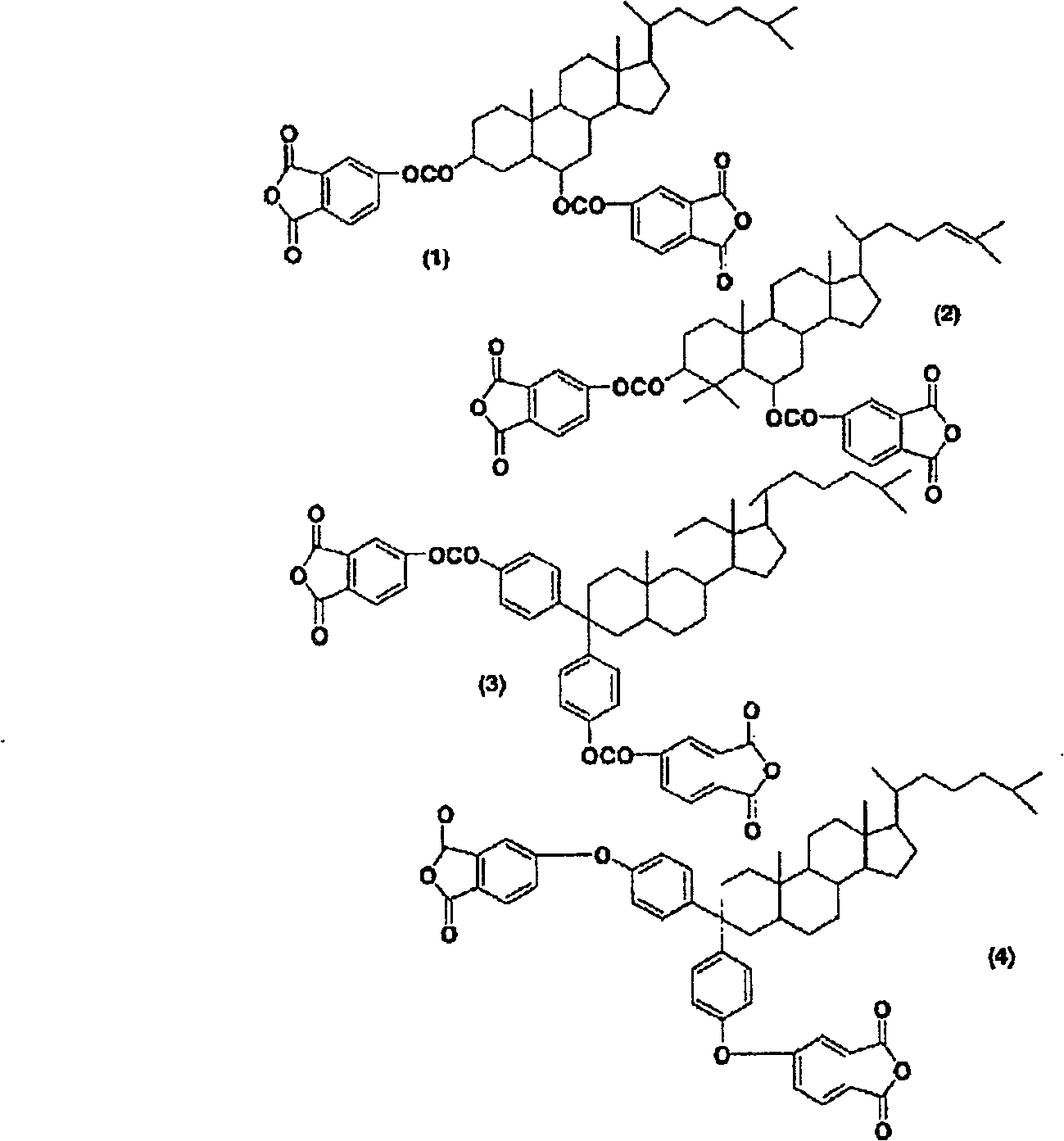
Figure 3
Abstract
Description
Technical field
[0001] The present invention relates to a liquid crystal aligning agent and a liquid crystal display element. In more detail, it relates to a liquid crystal aligning agent capable of realizing a liquid crystal alignment film excellent in vertical alignment, voltage retention, and moisture resistance, and a liquid crystal display element having the liquid crystal alignment film and high reliability. Background technique
[0002] At present, as a liquid crystal display element, it is known that a liquid crystal alignment film composed of polyamic acid, polyimide, etc., is formed on the surface of a substrate provided with a transparent conductive film, and used as a substrate for liquid crystal display elements. The sheets are arranged in opposite directions, and a layer of nematic liquid crystal with positive dielectric anisotropy is formed in the gap to form a liquid crystal cell with a sandwich structure. The long axis of the liquid crystal molecule is continuous...
Examples
Embodiment
[0078] Hereinafter, the present invention will be explained more specifically through examples, but the present invention is not limited by these examples. The evaluation items and evaluation methods of the liquid crystal aligning agents prepared in the following examples and comparative examples are as follows.
[0079] (Vertical orientation of liquid crystal molecules)
[0080] Regarding the vertical orientation of the vertical orientation type liquid crystal display element, when the voltage is OFF and the liquid crystal display element under AC 12V (peak-to-peak) is observed, it is judged as "good" without abnormal magnetic regions.
[0081] (Moisture resistance test of liquid crystal display element)
[0082] Regarding the humidity resistance of the vertical alignment type liquid crystal display element, it was placed in a room temperature and high humidity environment (90% RH), and when the voltage was turned on and off, no abnormal magnetic area occurred in the liquid cryst...
Synthetic example 1
[0088]2.3g of 2,3,5-tricarboxycyclopentaacetic acid dianhydride, 0.88g of p-phenylenediamine and 1.1g of the diamine compound represented by the above formula (9) were dissolved in 16.8g of N-methyl-2 -In pyrrolidone, react at 60°C for 5 hours. Then, the reaction mixture was poured into a large excess of methanol, and the reaction product was precipitated. Then it was washed with methanol and dried at 40°C under reduced pressure for 15 hours to obtain 55.6 g of specific polymer Ia.
[0089] The specific polymer Ia obtained in Synthesis Example 1 was dissolved in 39.0 g of N-methyl-2-pyrrolidone, 0.88 g of pyridine and 1.13 g of acetic anhydride were added, and imidization was performed at 110°C for 4 hours. Then, the reaction product liquid was precipitated in the same manner as in Synthesis Example 1, and 53.0 g of a specific polymer IIa having an intrinsic viscosity of 0.63 dL / g was obtained. The imidization rate of the obtained specific polymer IIa is shown in Table 1.
Synthetic example 2
[0091] Except that 1.89g of 2,3,5-tricarboxycyclopentaacetic acid dianhydride, 0.55g of p-phenylenediamine and 1.76g of the diamine compound represented by the above formula (9) are dissolved in 16.8g of N-methyl Except for the -2-pyrrolidone, 55.7 g of the specific polymer Ib was obtained in the same manner as in Synthesis Example 1.
[0092] The specific polymer Ib obtained in Synthesis Example 2 was dissolved in 39.0 g of N-methyl-2-pyrrolidone, 0.73 g of pyridine and 0.95 g of acetic anhydride were added, and imidization was performed at 110°C for 4 hours. Then, the reaction product liquid was precipitated in the same manner as in Synthesis Example 1, and 52.1 g of a specific polymer IIb having an intrinsic viscosity of 0.5 dL / g was obtained.