
Detection method for identifying material static mechanical property parameters in different areas of solder joints
A technology of static mechanics and detection methods, applied in the direction of testing the hardness of materials, etc., can solve problems such as not found, and achieve the effect of overcoming technical bottlenecks, high practical value, and strong engineering use value
Patent Information
- Authority / Receiving Office
- CN · China
- Patent Type
- Patents(China)
- Current Assignee / Owner
- Publication Date
- 2013-01-02
- Estimated Expiration
- Not applicable · inactive patent
Smart Images
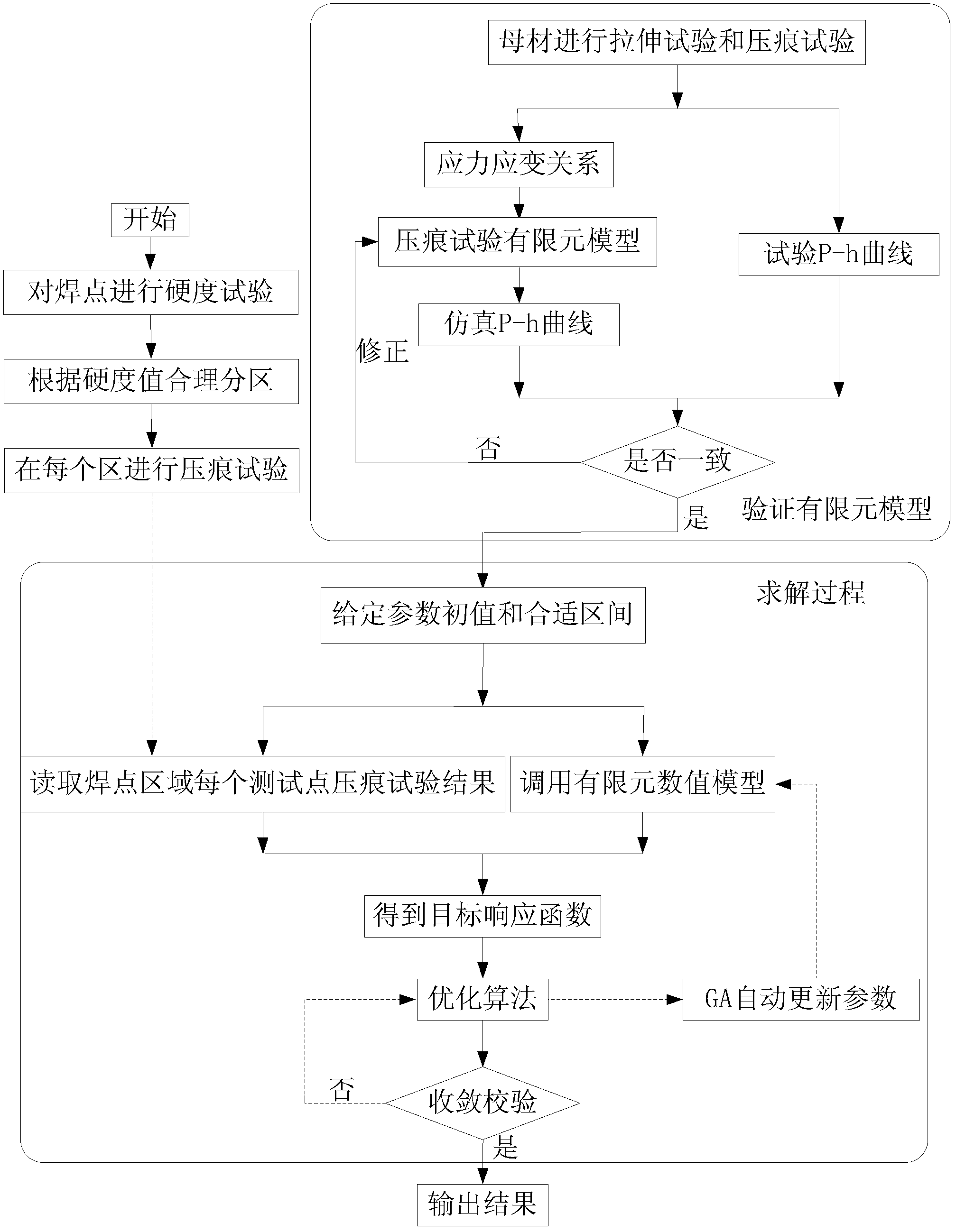
Figure 1 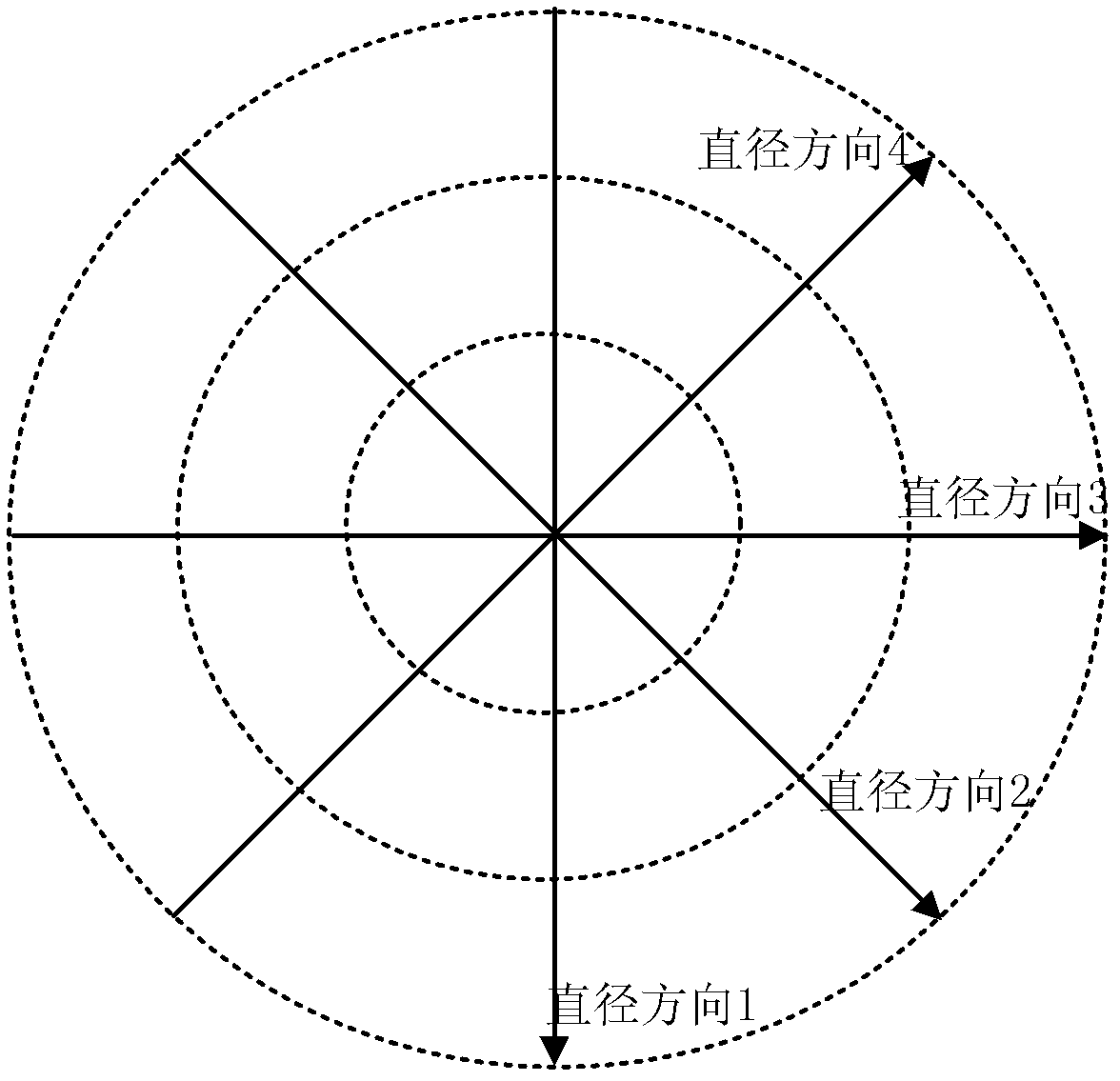
Figure 2 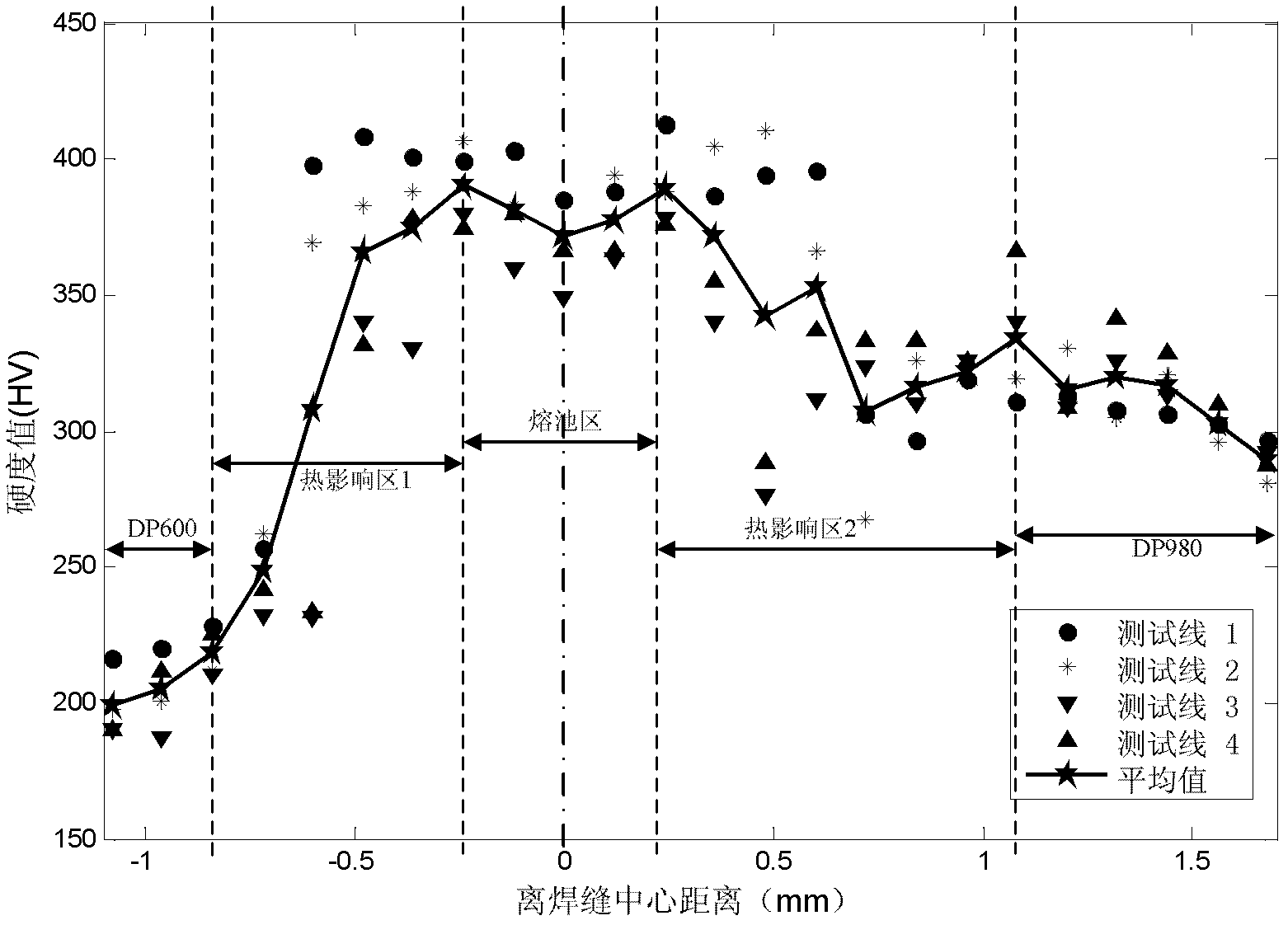
Figure 3
Abstract
Description
technical field
[0001] The invention mainly relates to the field of material detection in mechanical engineering manufacturing, in particular to a method for detecting mechanical property parameters of materials in solder joint regions. Background technique
[0002] In the process of welding metal sheets, due to the influence of resistance heat, the material properties of the welding area will change, which makes the performance of this area different from that of the base material. According to the characteristics of hardness, the welding area can be divided into three sub-areas: Base metal zone, heat affected zone, solder joint zone. Since the size of the base metal is generally large enough compared with the heat-affected zone, the material properties of the heat-affected zone were ignored in the previous research on this aspect, that is, the base metal was directly used in the finite element numerical modeling of the welding area. Nodal connection or rigid connection, i...
Examples
Embodiment Construction
[0029] The present invention will be further described in detail below in conjunction with the accompanying drawings and specific embodiments.
[0030] Since the constitutive relationship of most engineering polycrystalline metal materials conforms to the power exponential relationship, that is, the hardening curve approximates a parabolic shape. Similarly, for engineering structures formed by a sharp annealing process of cubic lattice metals (steel plates and aluminum alloys, etc.) like solder joints, there is also a parabolic tensile change curve in the plastic deformation stage, so the calculation used in the embodiments of the present invention The elastoplastic constitutive model of the material is represented by the Hollomon power exponent hardening equation, as shown in formula (1):
[0031] σ = K ϵ n = σ y ϵ y ...