
Virus infection detection method
A detection method and virus infection technology, applied in measurement devices, instruments, scientific instruments, etc., can solve the problems of affecting the binding of peptides and target antibodies, low sensitivity of peptide ELISA, and high non-specific background readings, so as to reduce non-specific background readings. The effect of improving detection sensitivity and wide application prospects
Patent Information
- Authority / Receiving Office
- CN · China
- Patent Type
- Applications(China)
- Current Assignee / Owner
- Publication Date
- 2012-01-18
- Estimated Expiration
- Not applicable · inactive patent
Smart Images
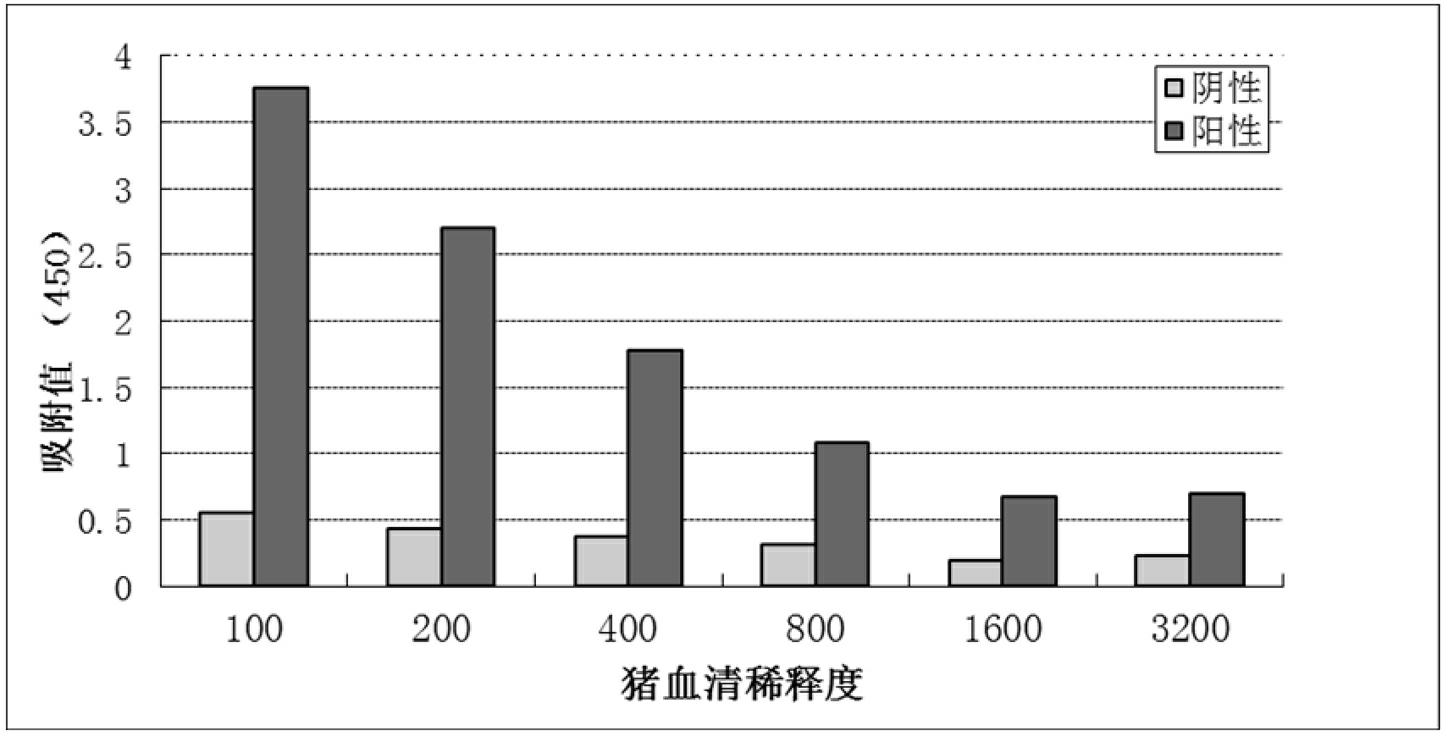
Figure 1 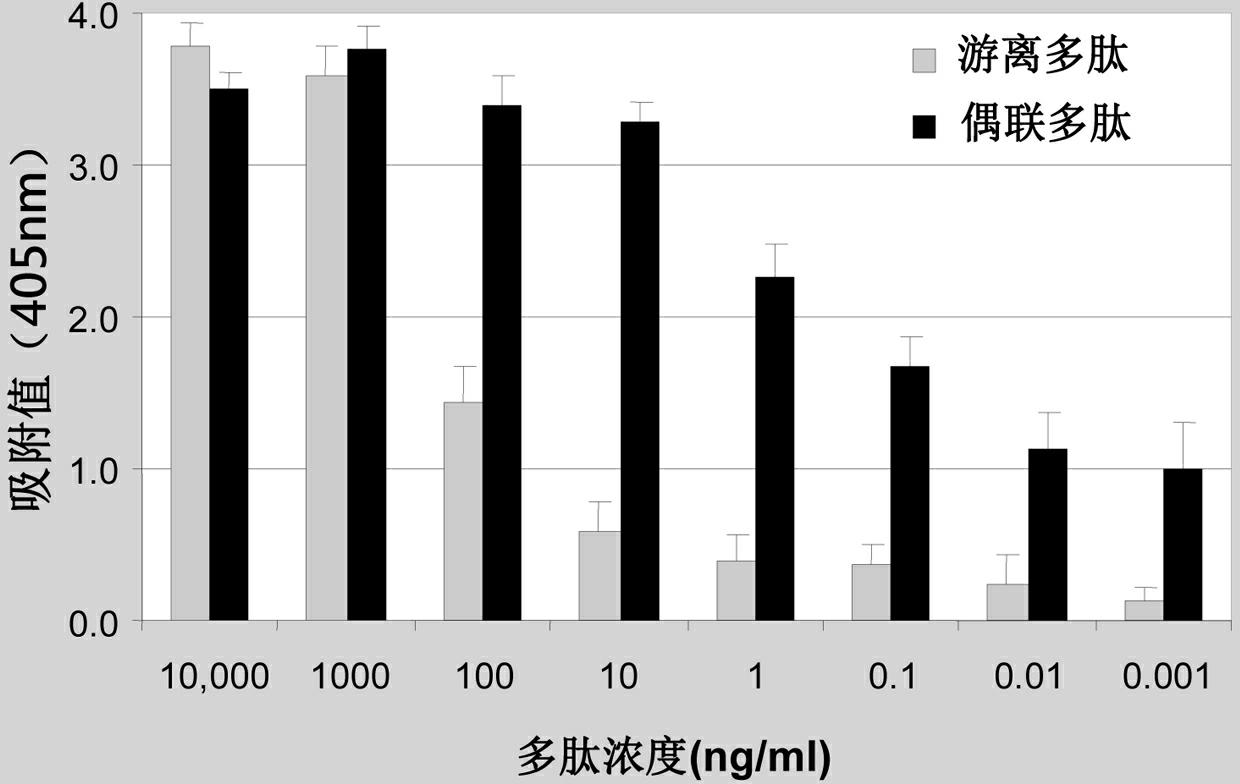
Figure 2 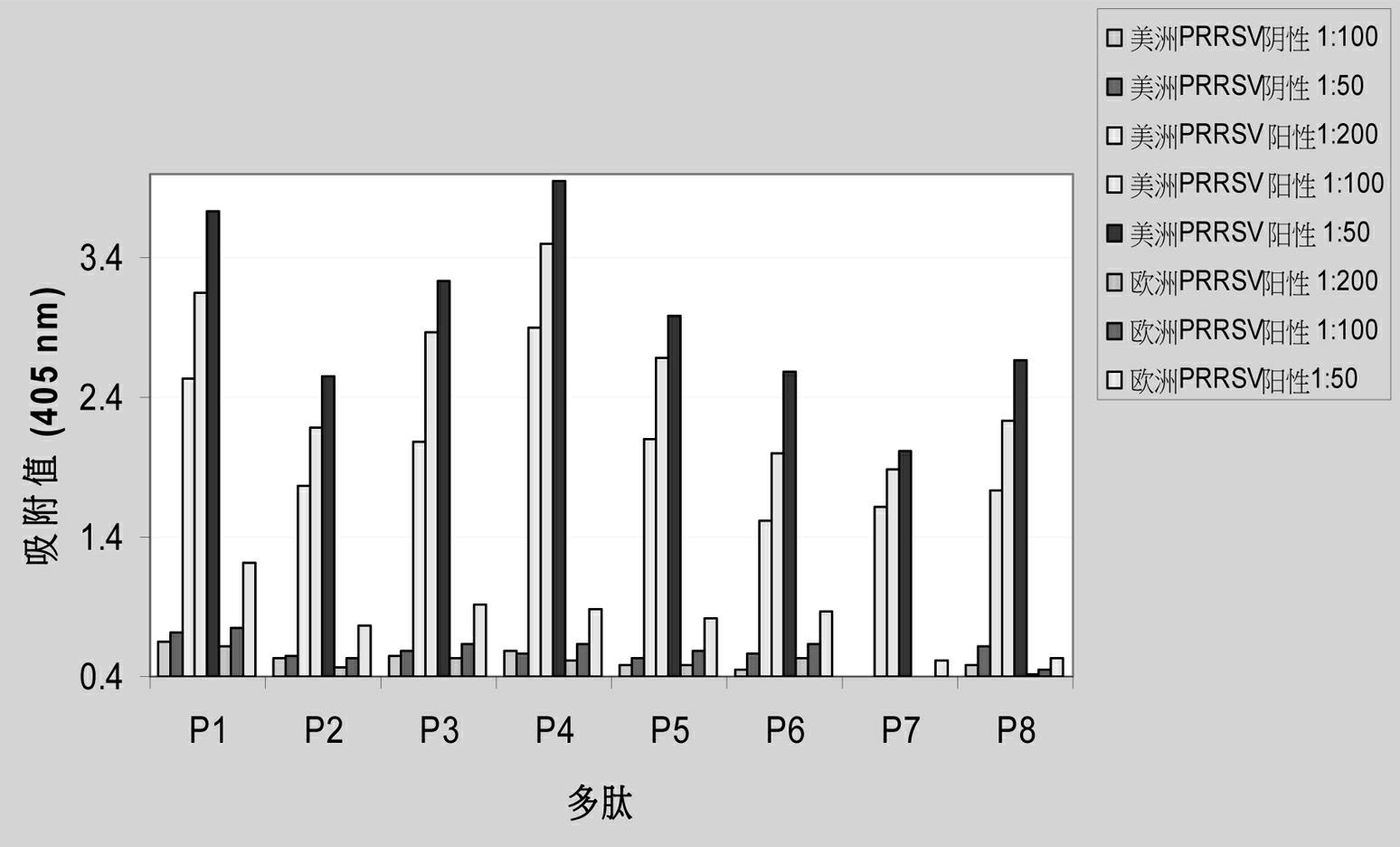
Figure 3
Abstract
Description
technical field
[0001] The invention relates to a method for detecting virus infection, in particular to a method for detecting virus infection using a polypeptide as an antigen. Background technique
[0002] At present, the diagnostic methods for viral diseases around the world mainly include virus isolation, molecular biology diagnosis (RT-PCR), immunoperoxidase cell monolayer assay (IPMA) based on serological tests, and neutralization test (SN). , indirect immunofluorescence test (ILFT), and enzyme-linked immunosorbent assay (ELISA) and so on. Compared with other methods, ELISA detection is easy to operate, easy to standardize, fast and sensitive, and is very suitable for large-scale epidemic investigation and disease surveillance. ELISA detection is divided into indirect ELISA and competition ELISA. In traditional ELISA detection, the amount of coated antigen is large, generally 5-10 μg / ml. Due to the large amount of antigen used, the detection cost is relatively high...
Examples
preparation example Construction
[0034] Preferably, the preparation method of the conjugated polypeptide comprises the following operations:
[0035] 1) Dissolving the reactogenic polypeptide to obtain a polypeptide solution;
[0036] 2) Take the non-protein polymer and dissolve it to obtain the non-protein polymer solution;
[0037] 3) Add coupling agent to the polypeptide solution or non-protein polymer solution and mix well;
[0038] 4) Mix the polypeptide solution and the non-protein polymer solution evenly, stir and react, so that the polypeptide is coupled to the non-protein polymer;
[0039] 5) Use a dialysis bag to remove the coupling agent not involved in the binding, purify, and lyophilize to obtain the coupled polypeptide.
[0040] Preferably, the coupling agent is 1-ethyl-3-(3-dimethylaminopropyl)-carbodiimide (EDC), N,N'-dicyclohexylcarbodiimide (DCC) , 1-ethyl-3-(3-dimethylaminopropyl) carbodiimide hydrochloride (EEDQ), glutaraldehyde at least one.
[0041] Preferably, the non-protein multim...
Embodiment 1
[0045] 1. Screening of peptides
[0046] The selection and determination of the effective polypeptide segment is to predict the epitope of the porcine PRRS virus protein by general computer analysis software, determine the amino acid sequence of the natural antigen, and then search for the epitopes targeted by the peptide segment. ELISA was used to detect the reaction of different polypeptides with porcine PRRS antiserum, and finally the polypeptides with good reactogenicity were selected.
[0047] In this example, according to the protein sequence of the American / Chinese type PRRSV (PRRSV), 8 polypeptides with good reactogenicity were screened out, and the sequences are as follows:
[0048] P1: KKEKKKTKSVKSLPGNKPVPC (SEQ ID NO: 1);
[0049] P2: KKCQPVKDSWMSSRGFDE (SEQ ID NO: 2);
[0050] P3: CSAGTGGADLPTDLPPKK (SEQ ID NO: 3);
[0051] P4: KRCSEDDHDDLGFMVPK (SEQ ID NO: 4);
[0052] P5: CGFMVPPGLSSEGHLTKK (SEQ ID NO: 5);
[0053] P6: CLKSLVLGGRKAVKQGKK (SEQ ID NO: 6);
[...