
Potential of hydrogen (pH) response random copolymer based on poly-beta amino ester and preparation method and application thereof
A technology of random copolymers and amino esters, which is applied in the direction of medical preparations of non-active ingredients, drug combinations, antineoplastic drugs, etc., can solve the problems of drug side effects, slow process, and aggravated burst release, and achieve high load The effect of the dose
Patent Information
- Authority / Receiving Office
- CN · China
- Current Assignee / Owner
- Publication Date
- 2012-08-08
- Estimated Expiration
- Not applicable · inactive patent
Smart Images
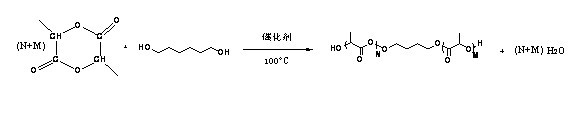
Figure 1 
Figure 2 
Figure 3
Abstract
Description
technical field
[0001] The invention relates to the field of high molecular polymer materials for biomedicine, in particular to a poly-based β pH-responsive random copolymers of amino esters and their preparation and applications. Background technique
[0002] Cancer has increasingly become the main killer that endangers human life and health, and chemotherapy is the most important and effective treatment method except surgery. However, there are two major problems: one is the toxic and side effects of drugs; the other is the drug resistance of tumors (cancer cells). Although many anticancer drugs can treat cancer pharmacologically, however, due to the hydrophobicity or poor water solubility of the drugs (such as doxorubicin, camptothecin, paclitaxel, etc.), the clinical therapeutic effect is affected, so for this kind of anticancer drugs application still faces great challenges.
[0003] The nano-core-shell micelles formed by the amphiphilic copolymer are used as the car...
Examples
Embodiment 1
[0092] (1) Synthesis of HO-PLA-OH (A:B:C=100:5:1, A represents the monomer lactide, B represents the initiator 1,4-butanediol, C represents the catalyst Sn(Oct) 2 , the ratio is mass percentage, the same below). Add a stirring bar and monomeric lactide (20 g, 93.9 parts) into a 100 mL reaction bottle with a stirring bar, seal it and pump-ventilate three times, under the protection of argon, add the solvent toluene (40 mL ) and catalyst Sn(Oct) 2 (0.3 mg, 1.41 parts) and the initiator 1,4-butanediol (1 g, 4.69 parts). After freezing with liquid nitrogen, vacuumize-heat-inflate three times, and react in an oil bath at 100 °C for 24 h under the protection of argon. After the reaction was completed, the obtained solution was evaporated under reduced pressure to remove toluene, and then the polymer was dissolved in chloroform to obtain a solution, which was slowly added to 300 mL (equivalent to 10 times the volume of the solution) of refrigerated methanol / water (1:1, v / v), wash...
Embodiment 2
[0098] (1) Synthesis of HO-PLA-OH (A:B:C=100:15:3, A represents the monomer lactide, B represents the initiator 1,4-butanediol, C represents the catalyst Sn(Oct) 2 , the ratio is mass percentage, the same below). Add a stirrer and monomeric lactide (10 g, 91.32 parts) into a 100 mL reaction bottle with a stirrer, seal it and pump-ventilate three times, under the protection of argon, add the solvent toluene (40 mL ) and catalyst Sn(Oct) 2 (0.15 mg, 1.37 parts) and the initiator 1,4-butanediol (0.8 g, 7.31 parts). After freezing with liquid nitrogen, vacuumize-heat-inflate three times, and react in an oil bath at 95 °C for 30 h under the protection of argon. After the reaction was completed, the obtained solution was evaporated under reduced pressure to remove toluene, and then the polymer was dissolved in chloroform to obtain a solution, which was slowly added to 300 mL (equivalent to 10 times the volume of the solution) of refrigerated methanol / water (1:1, v / v), washed twi...
Embodiment 3
[0103] (1) Synthesis of HO-PLA-OH (A:B:C=300:5:1, A represents the monomer lactide, B represents the initiator 1,4-butanediol, C represents the catalyst Sn(Oct) 2 , the ratio is mass percentage, the same below). Add a stirrer and monomeric lactide (30 g, 98.04 parts) into a 100 mL reaction bottle with a stirrer, seal it and pump-ventilate three times, under the protection of argon, add the solvent toluene (40 mL ) and catalyst Sn(Oct) 2 (0.1 mg, 0.33 parts) and the initiator 1,4-butanediol (0.5 g, 1.63 parts). After freezing with liquid nitrogen, vacuumize-heat-inflate three times, and react in an oil bath at 105 °C for 20 h under the protection of argon. After the reaction was completed, the obtained solution was evaporated under reduced pressure to remove toluene, and then the polymer was dissolved in chloroform to obtain a solution, which was slowly added to 300 mL (equivalent to 10 times the volume of the solution) of refrigerated methanol / water (1:1, v / v), washed twic...