
Preparation method and application of dexamethasone sodium phosphate-sodium alga acid composite slow-release coating
A technology of dexamethasone sodium phosphate and sodium alginate, which can be applied in the directions of coatings, packaging items, special packaging items, etc., can solve the problems of poor biocompatibility, poor anticoagulation activity, and systemic inflammatory response, and achieve improved degradation. Performance, anti-shock effect, good biocompatibility
Patent Information
- Authority / Receiving Office
- CN · China
- Patent Type
- Applications(China)
- Current Assignee / Owner
- Publication Date
- 2013-01-09
- Estimated Expiration
- Not applicable · inactive patent
Smart Images
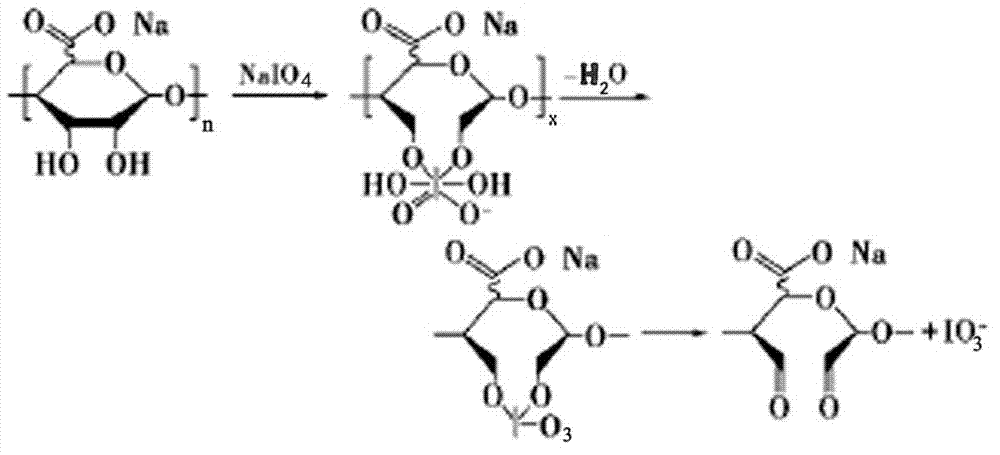
Figure 1 
Figure 2 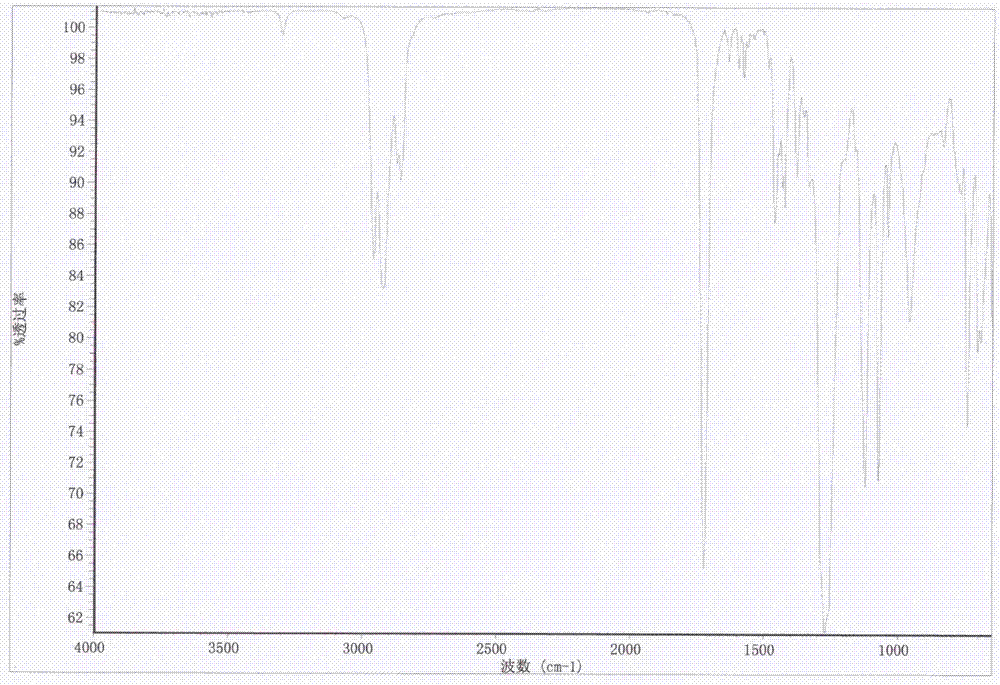
Figure 3
Abstract
Description
technical field
[0001] The invention relates to the technical field of surface coating of polymer materials, and more specifically relates to a preparation method for modifying the surface of polymer materials by using dexamethasone sodium phosphate and polyaldehyde sodium alginate. Background technique
[0002] The application of biomedical materials faces two major problems: biocompatibility and blood compatibility. Coating technology improves the biocompatibility and anticoagulant activity of the surface of biomedical materials by pre-modifying the surface of the material. One example is heparin, which is a mucopolysaccharide with a molecular weight of 5000-40000 and is a mixture of negatively charged linear polysaccharides. The most important property of heparin is its anticoagulant properties. A variety of coagulation inhibitors in organisms interact to achieve the purpose of anticoagulation by accelerating or improving the anticoagulant activity of these inhibitors, b...
Examples
Embodiment 1
[0029] In the first step, 0.344 g of potassium permanganate was dissolved in 162 ml of deionized water, and 10 ml of 95 wt % concentrated sulfuric acid was slowly added to mix the concentrated sulfuric acid and potassium permanganate evenly.
[0030] In the second step, the polymer material PVC is added to the solution obtained in the first step, and the reaction is fully carried out by mechanical stirring for 10 minutes at a temperature of 20°C; after the reaction, the material is cleaned with deionized water.
[0031] In the third step, the polymer material pretreated in the second step is immersed in a 0.01wt% polyethyleneimine aqueous solution, and reacted at room temperature at 20° C. for 60 minutes to obtain an amination-modified surface.
[0032] The fourth step is to oxidize the alginic acid according to the molar ratio of sodium periodate to sodium alginate unit of 1:10, so that the end of the alginic acid fragment is exposed to aldehyde groups, ethylene glycol terminate...
Embodiment 2
[0036] In the first step, dissolve 0.328 g of potassium permanganate in 144 ml of deionized water, slowly add 20 ml of 95% concentrated sulfuric acid, so that the concentrated sulfuric acid and potassium permanganate are well mixed.
[0037] In the second step, the polymer material was added to the solution obtained in step 1, and ultrasonically stirred for 1 min to fully react at a temperature of 25°C; after the reaction, the material was cleaned with deionized water.
[0038] In the third step, the polymer material pretreated in the second step is immersed in a 0.5wt% polyethyleneimine aqueous solution, and reacted at room temperature at 25° C. for 10 minutes to obtain an amination-modified surface.
[0039] The fourth step is to oxidize the alginic acid according to the molar ratio of sodium periodate to sodium alginate unit 3:10, so that the end of the alginic acid fragment is exposed to aldehyde groups, ethylene glycol terminates the reaction, 96wt% ethanol aqueous solutio...
Embodiment 3
[0043] In the first step, dissolve 0.328 g of potassium permanganate in 144 ml of deionized water, slowly add 20 ml of 95% concentrated sulfuric acid, so that the concentrated sulfuric acid and potassium permanganate are well mixed.
[0044] In the second step, the polymer material was added to the solution obtained in the first step, and the reaction was fully performed by ultrasonic stirring for 8 minutes at a temperature of 25°C; after the reaction, the material was cleaned with deionized water.
[0045] In the third step, the polymer material pretreated in the second step is immersed in a 0.05wt% polyethyleneimine aqueous solution, and reacted at room temperature at 25° C. for 30 minutes to obtain an amination-modified surface.
[0046] The fourth step is to oxidize the alginic acid according to the molar ratio of sodium periodate to sodium alginate unit of 1:10, so that the end of the alginic acid fragment is exposed to aldehyde groups, ethylene glycol terminates the react...