
Preparation method of novel lead removal agent
A technology for removing lead and lead ions, which is applied in chemical instruments and methods, water/sludge/sewage treatment, adsorption water/sewage treatment, etc. Chitosan's small adsorption capacity and other problems, to achieve excellent chelation and adsorption performance, excellent adsorption and chelation performance, to achieve the effect of treatment and resource utilization
Patent Information
- Authority / Receiving Office
- CN · China
- Patent Type
- Patents(China)
- Current Assignee / Owner
- Publication Date
- 2014-11-05
- Estimated Expiration
- Not applicable · inactive patent
Smart Images
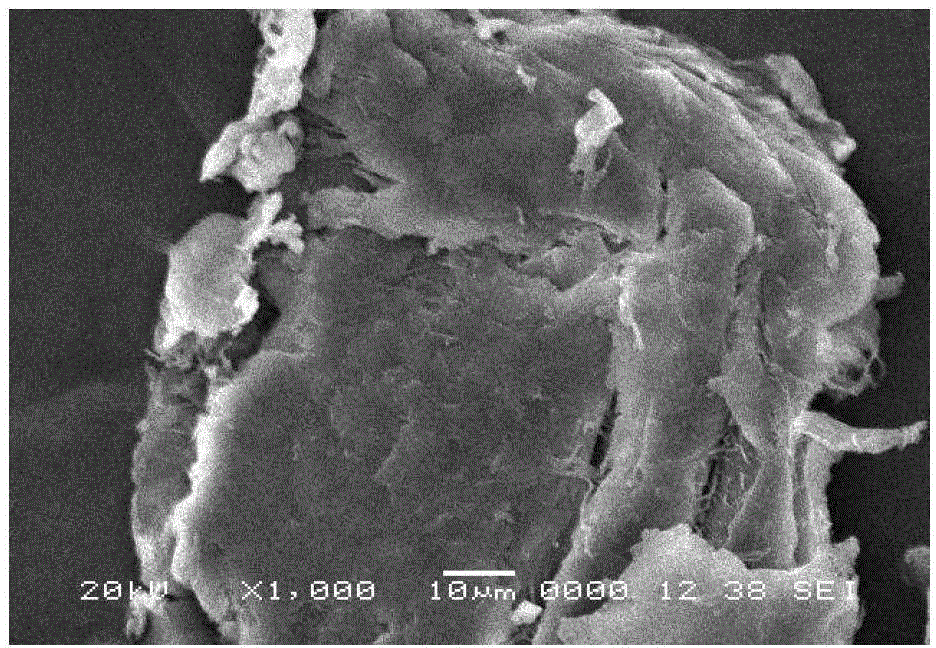
Figure 1 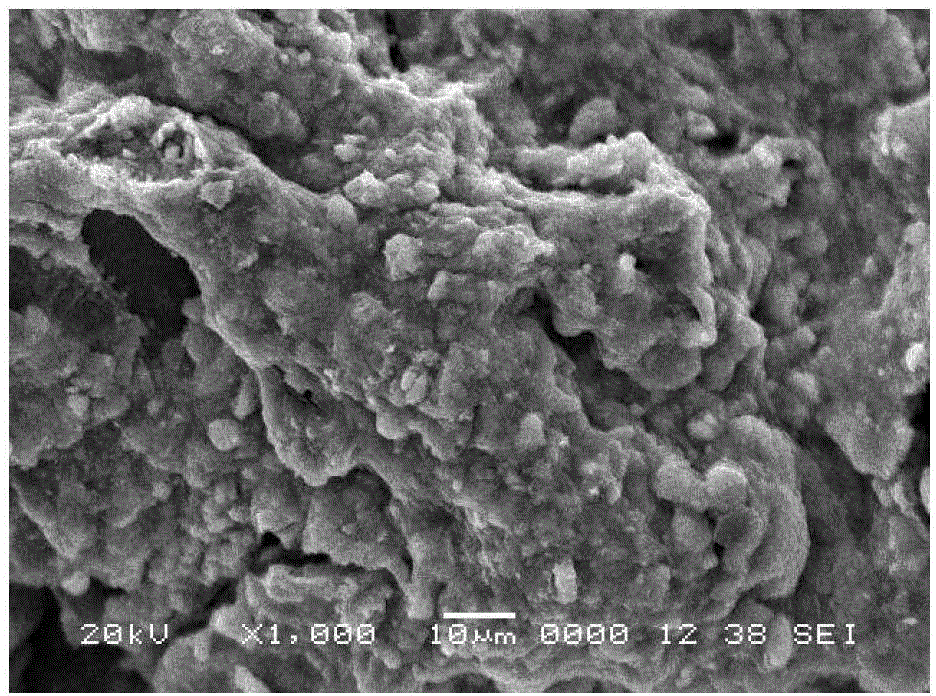
Figure 2 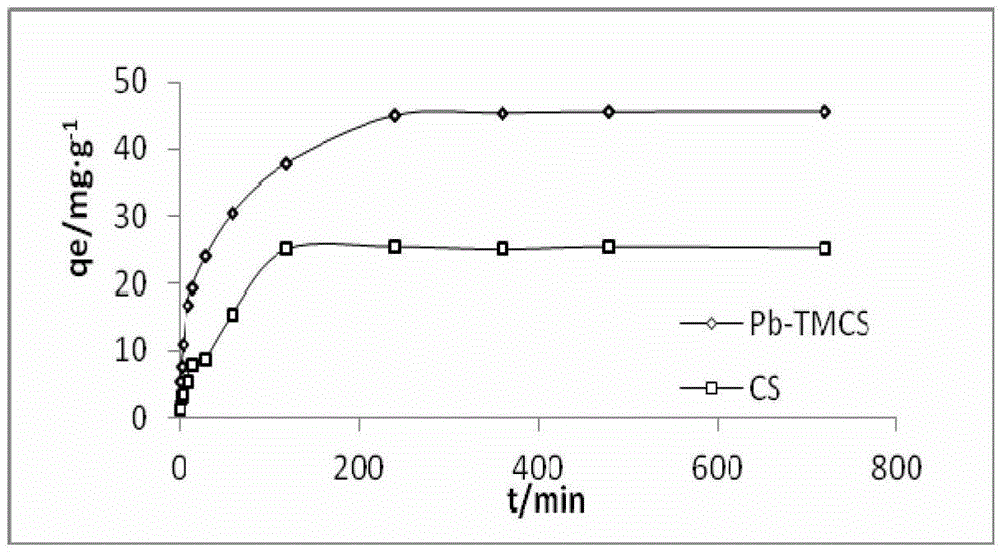
Figure 3
Abstract
Description
technical field
[0001] The invention relates to a novel chitosan-based chelating adsorbent, in particular to a preparation method of a novel lead removing agent. Background technique
[0002] Lead, mercury, cadmium, chromium and arsenic are collectively known as the "five poisons" among heavy metals, which are seriously harmful to the ecological environment and human health. Since lead ions can only be transformed, transferred, and diluted in nature and cannot be biodegraded, all countries have listed lead as a priority pollutant in water. Lead and its compounds can enter the human body through the food chain and accumulate in the liver and kidneys, leading to hemoglobin synthesis disorders and anemia, which will have long-term adverse effects on human health. In addition, excessive intake of lead by the human body will harm the nerves, heart and respiratory system, leading to different degrees of lead poisoning, and the chance of lead poisoning in children far exceeds that...
Examples
Embodiment 1
[0026] (1) Adsorb lead ions with chitosan, mechanically stir at room temperature for 12 hours, wash with water until neutral, desorb with nitric acid for 1-24 hours, wash with water until there is no Pb in the washing solution 2+ Detected, alkalized for 1-24h, then washed successively with absolute ethanol and anhydrous ether, and vacuum-dried at room temperature to obtain lead ion-imprinted chitosan.
[0027] (2) Add 1.0 g of lead ion-imprinted chitosan into 50 mL, 2% acetic acid solution to dissolve to make 2% lead ion-imprinted chitosan solution, and then add 50% pentamethylene glycol in a mass ratio of 1:2 Aldehyde was used as a cross-linking agent, mechanically stirred at room temperature for 2 hours, then the solid was treated with 0.1mol / L HCl solution, then soaked in 0.1mol / L NaOH solution, filtered and washed until neutral, washed with absolute ethanol, anhydrous Washed with ether successively, dried under vacuum at room temperature, and ground into powder to obtain c...
Embodiment 2
[0032] (1) Adsorb lead nitrate solution with chitosan, mechanically stir at room temperature for 12 hours, wash with water until neutral, desorb with nitric acid for 1-24 hours, wash with water until there is no Pb in the washing solution 2+ Detected, alkalized for 1-24h, then washed successively with absolute ethanol and anhydrous ether, and vacuum-dried at room temperature to obtain lead ion-imprinted chitosan.
[0033](2) Add 2.0 g of lead ion-imprinted chitosan to 100 mL, 2% acetic acid solution to dissolve, and make 2% lead ion-imprinted chitosan solution, and then add 50% pentamethylene glycol in a mass ratio of 1:2 Aldehyde was used as a cross-linking agent, mechanically stirred at room temperature for 2 hours, then the solid was treated with 0.1mol / L HCl solution, then soaked in 0.1mol / L NaOH solution, filtered and washed until neutral, washed with absolute ethanol, anhydrous Washed with ether in turn, dried in vacuum at room temperature to obtain cross-linked imprinte...