
Method for catalytically synthesizing mono-butyl itaconate at high selectivity
A high-selectivity technology for synthesizing monobutyl itaconate, which is applied in chemical instruments and methods, preparation of organic compounds, preparation of carboxylate, etc., can solve problems that have not been reported in the application, and achieve low catalytic reaction temperature, Good recyclability, less pollution effect
Patent Information
- Authority / Receiving Office
- CN · China
- Current Assignee / Owner
- Publication Date
- 2013-10-23
- Estimated Expiration
- Not applicable · inactive patent
Smart Images
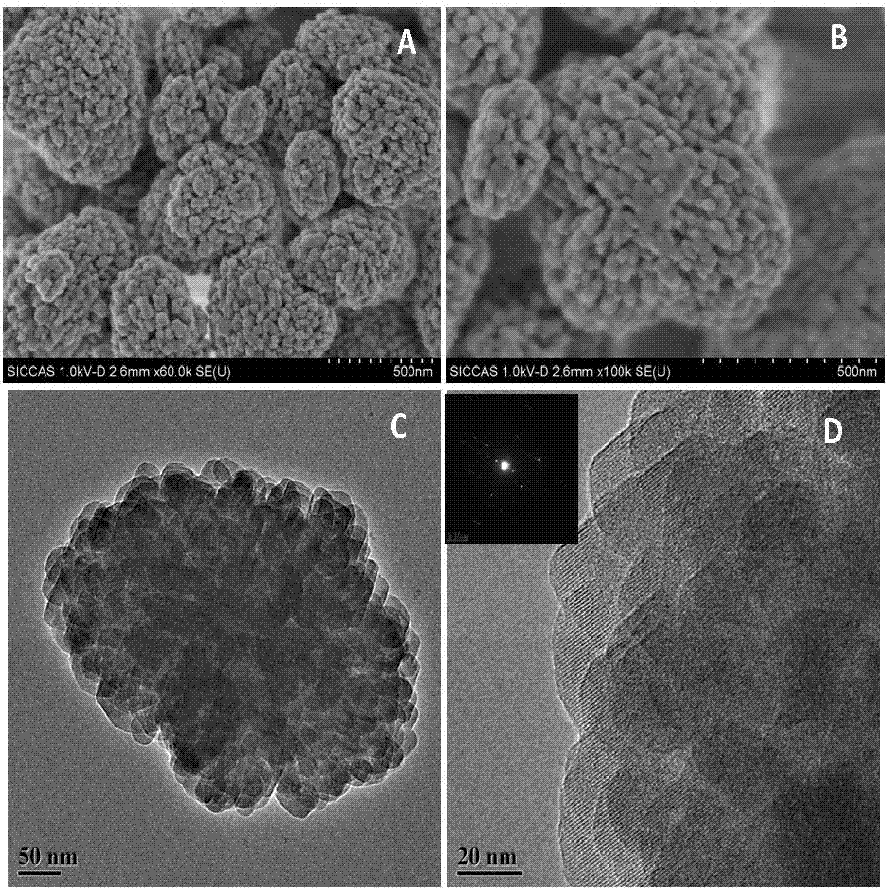
Figure 1 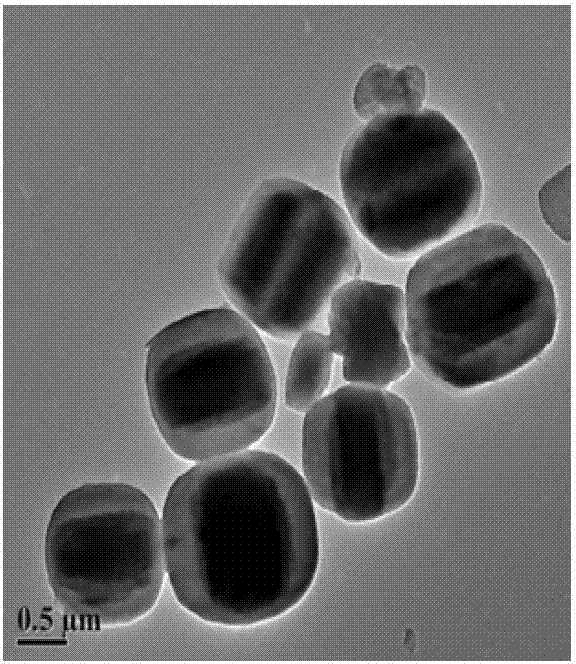
Figure 2 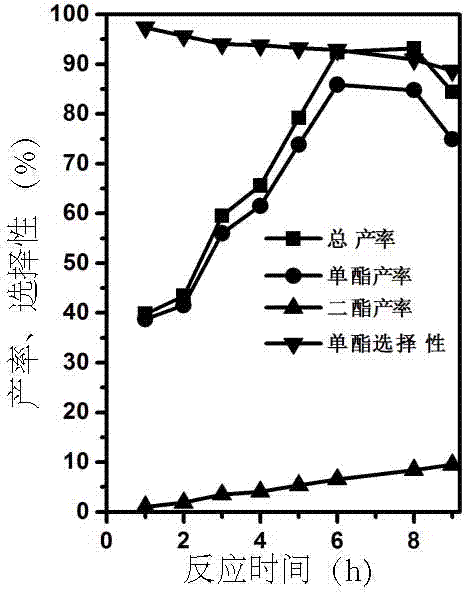
Figure 3
Abstract
Description
technical field
[0001] The invention belongs to the field of inorganic catalysis and organic synthesis. It specifically relates to the use of nanometer ZSM-5 zeolite as a catalyst, which can selectively synthesize monobutyl itaconate with high yield in the catalytic reaction of itaconic acid and n-butanol. Background technique
[0002] Itaconic acid, also known as methylene succinic acid, is an important active monomer in the field of polymer chemical industry because it contains a C=C unsaturated double bond. It can undergo esterification reaction with alcohol to form monoester or diester, in which the carboxyl group at the α position has a conjugated double bond, and its activity is lower than that of the carboxyl group at the β position, so the monoester is mainly esterified with the carboxyl group at the β position, such as itaconic acid monobutyl ester. At present, itaconate esters reported in the literature mainly include methyl itaconate, ethyl itaconate, propyl ita...
Examples
Embodiment 1
[0038] 13g of itaconic acid and 22.2g of n-butanol were weighed and heated and stirred in a three-necked flask, and the reaction temperature was controlled at 105°C. After stirring evenly, 0.26g of nanometer ZSM-5 clusters were added as a catalyst, and the reaction was carried out for 9 hours. Monobutyl itaconate was separated by centrifugation and crystallized at low temperature at 10°C as the initial product. During the reaction, it was quantified by GC-MS, and n-dodecane was used as internal standard.
[0039] figure 1 It can be seen that the nanocrystalline clusters are small crystal grains of 30-80 nm in a certain orientation to form irregular spheres with a size of about 500 nm. The corresponding TEM images and electron diffraction patterns confirm that the arrangement of small crystal grains has a certain orientation, which is not a traditional polycrystalline structure.
[0040] see image 3 , in the present embodiment, the nanometer ZSM-5 cluster is used as a cataly...
Embodiment 2
[0042] The catalyst is large particle ZSM-5 zeolite, see figure 2 , the particle size is about 1500nm, and the specific surface area is 370m 2 g -1 , the pore volume is 0.15cm 3 g -1 . According to the method of Example 1, the corresponding catalytic performance test and cycle test were carried out.
[0043] see Figure 4 , the traditional large zeolite in the butyl esterification reaction of itaconic acid, the generation rate of 6h monobutyl ester is 70%, the generation rate of dibutyl ester is 11%, and the selectivity of monobutyl ester is 86%. After the esterification of the carboxyl group at the β position of itaconic acid is completed, the diffusion distance from the pores is long, so part of the monoester continues to be esterified to form a diester, which reduces the reaction selectivity. On the other hand, the higher reactivity of nanocrystalline clusters was confirmed by the total ester yield of 81% for conventional zeolites relative to nanoclusters (93%).
Embodiment 3~5
[0045] The nano-ZSM-5 cluster catalyst in Example 1 was separated from the reaction system by centrifugation at 10000r / min for 10min, dried in an oven at 100°C for 2h, and then the mass ratio of the catalyst to itaconic acid was 2%, and the cycle test was carried out 3 times to verify The deactivation performance of the catalyst, the reaction temperature is about 105°C, and the catalytic reaction time is 6h.