
Process for making confections
A sweet food and composition technology, applied in the confectionary industry, confectionery, application, etc., can solve the problem of time-consuming
Patent Information
- Authority / Receiving Office
- CN · China
- Patent Type
- Applications(China)
- Current Assignee / Owner
- Publication Date
- 2016-06-15
- Estimated Expiration
- Not applicable · inactive patent
Smart Images
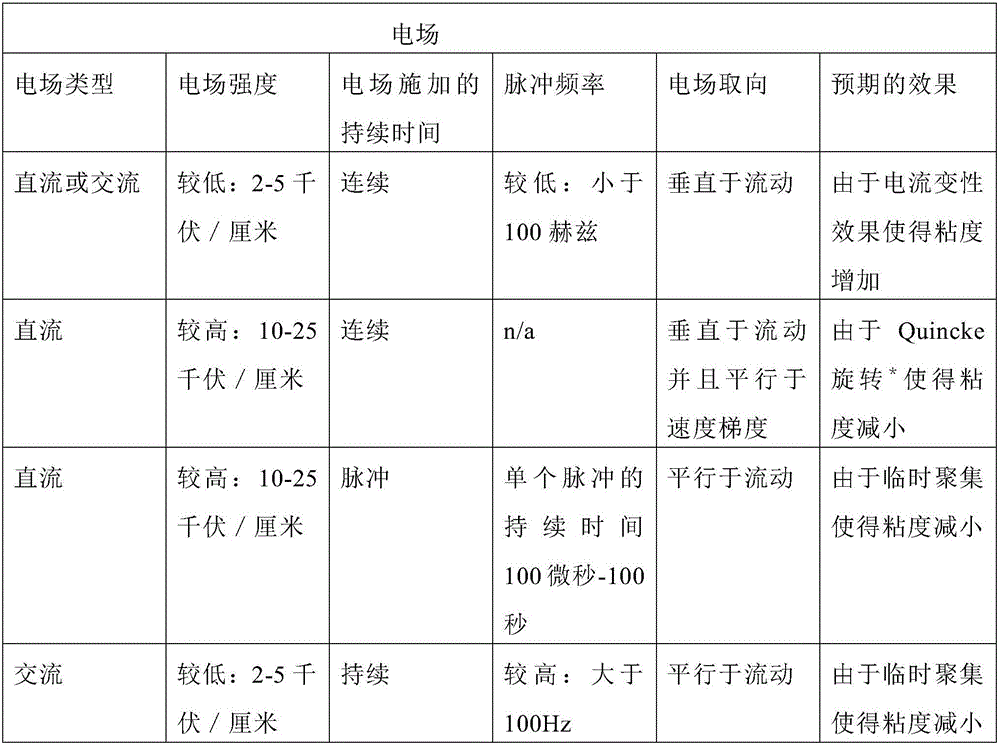
Figure 1 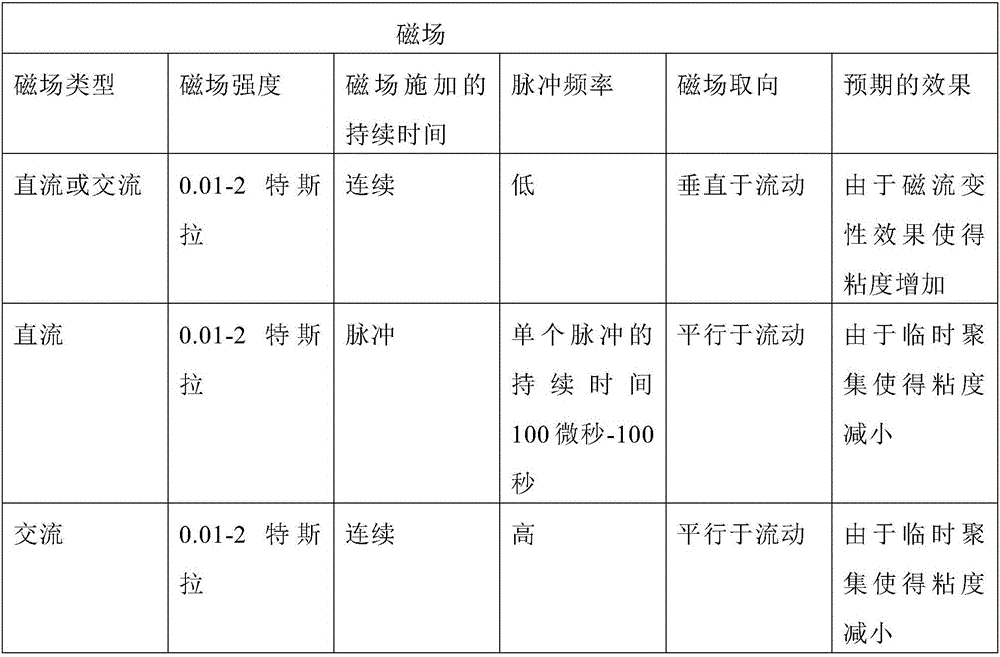
Figure 2
Abstract
Description
technical field
[0001] The present invention relates to systems and processes for preparing or processing confectionery. Background technique
[0002] The preparation of confectionery can be a complex and expensive procedure at least because many of the ingredients used are sensitive to the processing conditions required to manipulate them into their desired form. For example, in some processing steps it may be desirable for the confection and / or its ingredients to be fluid, while in other processing steps it may be desirable to be gelled or even solidified. Indeed, viscosity and / or rheology manipulation is critical in many steps of the manufacturing process.
[0003] Conventional methods of controlling or manipulating viscosity include applying or removing heat, changing the confectionery composition or mechanically changing the rheology of the composition by pumping or stirring. Each of these approaches can be undesirable in certain applications.
[0004] For example, a...
Examples
Embodiment 1
[0066] A DC current electric field of 1 kV / cm was applied parallel to the flow direction to the melted chocolate for 60 s. Melted chocolate is obtained by melting commercial chocolate bars on a double boiler. The melted chocolate had an average particle size of 0.1 to 100 microns and a total protein content between 5% and 9% by weight, and an initial viscosity at ambient temperature (70°F, 21°C). After exposure to an electric field, the viscosity of the melted chocolate will decrease to about 20% of its initial value. After the electric field is removed, the viscosity will increase to its original viscosity over time. After about 30 minutes, the viscosity of the melted chocolate will increase to within about 5% of the original viscosity. The rate of viscosity increase is expected to drop substantially after the first 30 minute application period.
Embodiment 2
[0068] A DC current electric field of 1 kV / cm was applied perpendicular to the direction of flow to the melted chocolate for 60 s. Melted chocolate is obtained by melting commercial chocolate bars on a double boiler. The melted chocolate had an average particle size of 0.1 microns to 100 microns and a total protein content of between 2% and 9% by weight, and an initial viscosity at ambient temperature (70°F, 21°C). After exposure to an electric field, the viscosity of the melted chocolate will increase by about 20% of its initial value. After the electric field is removed, the viscosity will decrease to its original viscosity over time. After about 30 minutes, the viscosity of the melted chocolate will drop to within about 5% of the original viscosity. The rate of viscosity loss is expected to drop substantially after the first 30 minute application period.
example 3
[0070]A DC current electric field of 1 kV / cm was applied parallel to the direction of flow to the melted caramel for 60 s. Melted caramel is obtained by melting commercial caramel on a double boiler. The melted caramel had an average particle size of 0.1 microns to 100 microns and a total protein content between 2 weight percent and 9 weight percent, and an initial viscosity at ambient temperature (70°F, 21°C). After exposure to an electric field, the viscosity of the melted caramel will decrease to about 20% of its initial value. After the electric field is removed, the viscosity will increase to its original viscosity over time. After about 30 minutes, the viscosity of the melted caramel will increase to within about 5% of the original viscosity. The rate of viscosity increase is expected to drop substantially after the first 30 minute application period.