
Experiment method for realizing in-situ observation on inclusion in bearing steel liquid
An experimental method and bearing steel technology, applied in the field of steel inclusion control, can solve the problems of unresolved, high electron beam temperature, deformation, etc., and achieve the effects of convenient and uniform heating, reliable observation results, and simple experimental methods.
Patent Information
- Authority / Receiving Office
- CN · China
- Current Assignee / Owner
- Publication Date
- 2016-07-06
- Estimated Expiration
- Not applicable · inactive patent
Smart Images
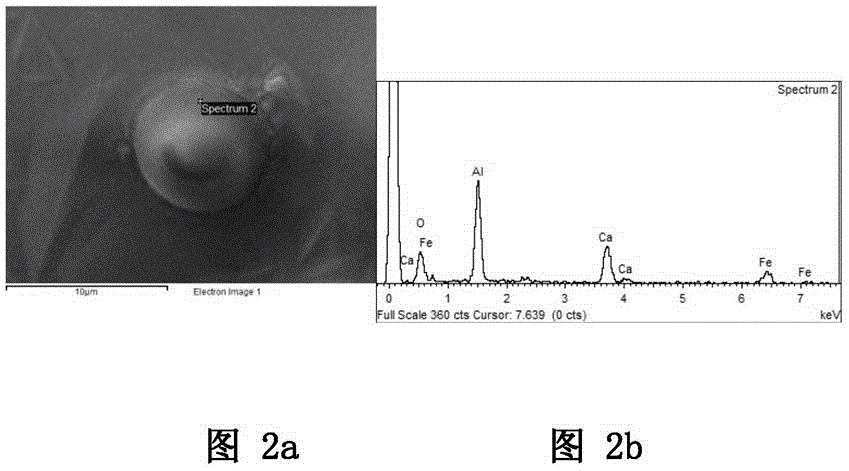
Figure 1 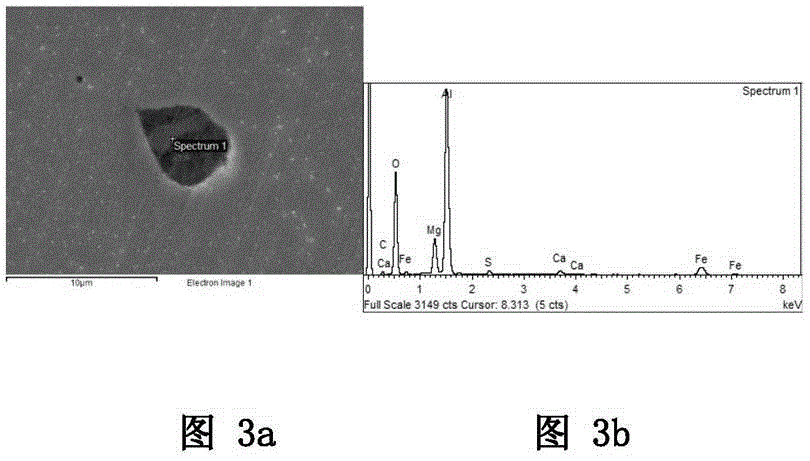
Figure 2 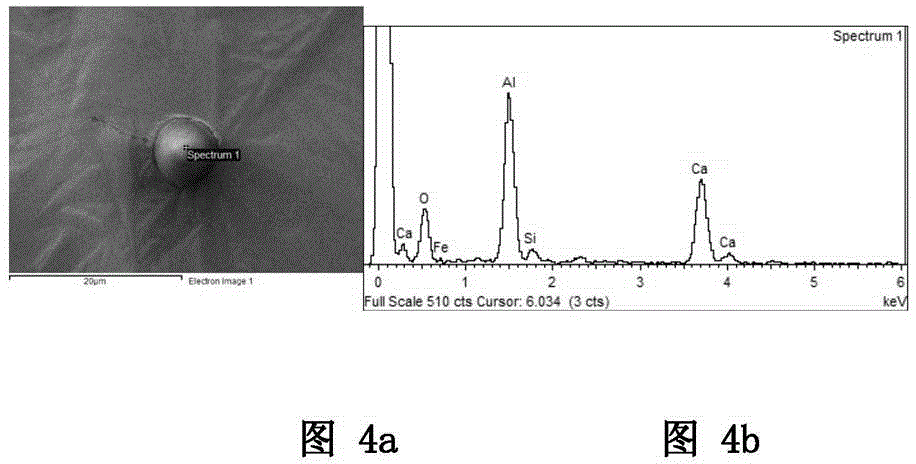
Figure 3
Abstract
Description
technical field
[0001] The invention relates to the field of iron and steel inclusion control. Specifically, the invention relates to an experimental method for in-situ observation of inclusions in bearing steel molten steel. Including how to keep the sample from being polluted during melting, how to keep the sample from deforming, how to control the temperature, comprehensively observe the movement behavior of the inclusions in the high temperature molten steel, and keep the inclusions basically unchanged through extreme cold, and then under the electron microscope Observing the overall appearance of the inclusions and obtaining its composition through energy spectrum analysis realizes the in-situ observation of the behavior, overall appearance and composition of the inclusions. Background technique
[0002] Harmful inclusions in steel have seriously affected the quality of steel. Controlling and removing harmful inclusions in steel to achieve clean steel smelting has becom...
Examples
Embodiment 1
[0052] After sampling from the high-end bearing steel finished product, the steps of this embodiment are as follows:
[0053] 1) A cylindrical sample processed by wire cutting of the bearing steel sample, the sample diameter is 5mm, and the height is 3mm. After the sample is polished by sandpaper, it is placed in the heating chamber of a high-temperature confocal laser microscope, and the sample is placed in an alumina crucible. Inside, the chamber is evacuated and fed with a pure argon flow to protect the sample from oxidation.
[0054] 1) Heat the sample to 1250°C at a heating rate of 120°C / min, then slowly heat the sample at a heating rate of 25°C / min until the upper surface is completely melted, and then rise to the highest temperature at a rate of 25°C / min 1500°C, heat preservation at the highest temperature for 20 seconds, observe the inclusion movement and collision behavior at a 200-fold magnification during the heat preservation process, and then rapidly cool to 950°C...
Embodiment 2
[0058] After sampling from the high-end bearing steel finished product, the steps of this embodiment are as follows:
[0059] 1) A cylindrical sample processed by wire cutting of the bearing steel sample, the sample diameter is 6 mm, and the height is 4 mm. After the sample is polished by sandpaper, it is placed in the heating chamber of a high-temperature confocal laser microscope, and the sample is placed in an alumina crucible. Inside, the chamber is evacuated and fed with a pure argon flow to protect the sample from oxidation.
[0060] Heat the sample to 1200°C at a heating rate of 140°C / min, then slowly heat the sample at a heating rate of 30°C / min until the upper surface is completely melted, and then rise to a maximum temperature of 1420°C at a rate of 30°C / min , hold at the highest temperature for 40 seconds, observe the inclusion movement and collision behavior at a 50-fold magnification during the holding process, and then rapidly cool to 1000°C at a cooling rate of ...
Embodiment 3
[0064] After sampling from the high-end bearing steel finished product, the steps of this embodiment are as follows:
[0065] 1) A cylindrical sample processed by wire cutting of the bearing steel sample, the sample diameter is 4mm, and the height is 3mm. After the sample is polished by sandpaper, it is placed in the heating chamber of a high-temperature confocal laser microscope, and the sample is placed in a magnesium oxide crucible. Inside, the chamber is evacuated and fed with a pure argon flow to protect the sample from oxidation.
[0066] Heat the sample to 1250°C at a heating rate of 100°C / min, then slowly heat the sample at a heating rate of 20°C / min until the upper surface is completely melted, and then rise to a maximum temperature of 1450°C at a rate of 20°C / min , hold at the highest temperature for 30 seconds, observe the inclusion movement and collision behavior at a 500-fold magnification during the holding process, and then rapidly cool to 950°C at a cooling rat...