
A kind of preparation method of compound microbial bacterial fertilizer for root irrigation of peony
A technology of compound microbial bacteria and root irrigation, applied in fertilization methods, fertilizer mixtures, applications, etc., can solve the problems of soil and groundwater resource pollution, pathogenic microorganism resistance, affecting the absorption of mineral elements, etc., so as to enhance soil fertility and improve soil circulation. The effect of permeability and promoting vegetative growth
Patent Information
- Authority / Receiving Office
- CN · China
- Patent Type
- Patents(China)
- Current Assignee / Owner
- Publication Date
- 2019-08-02
Smart Images
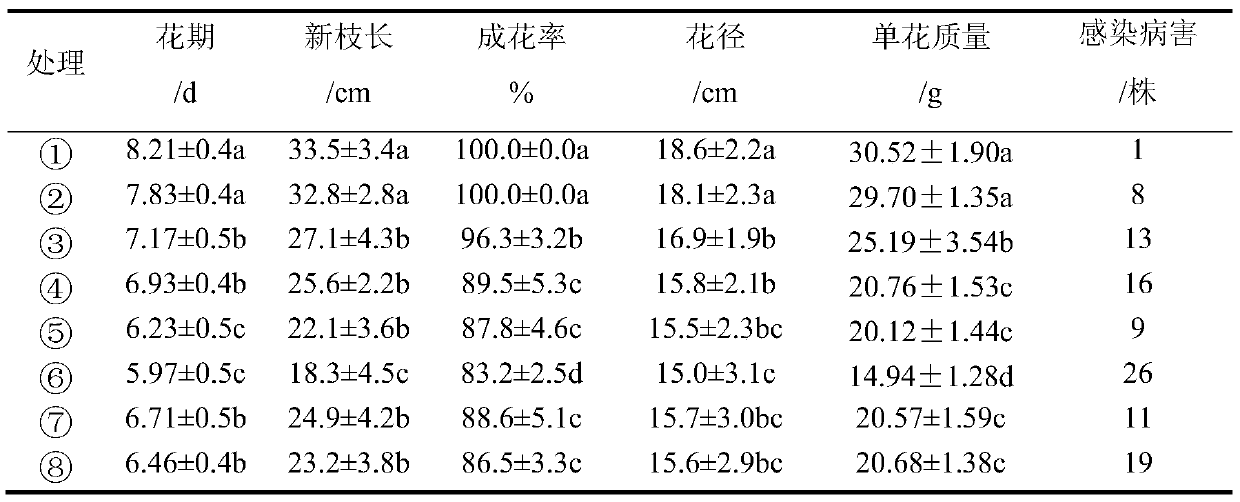
Figure 1 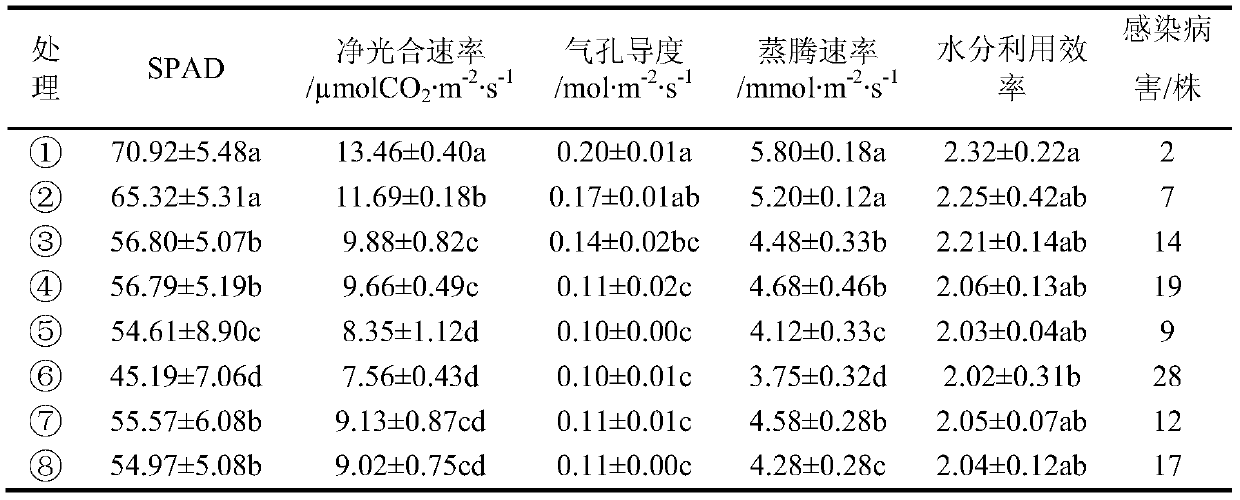
Figure 2
Abstract
Description
technical field
[0001] The invention relates to the field of preparation methods of microbial bacterial fertilizer, in particular to a preparation method of compound microbial bacterial fertilizer for peony root irrigation. Background technique
[0002] Peony is a famous ornamental flower in my country. Its flowers are huge, graceful and luxurious, and are deeply loved by people. Peony grows in neutral or slightly alkaline soil, and it is not resistant to acid and heavy soil. Peony likes fertilizers, especially fertilizers with relatively complete elements such as nitrogen, phosphorus, and potassium. At present, the commonly used fertilizers are inorganic compound fertilizers or organic fertilizers such as livestock and poultry manure. Peony is a fleshy root, and the application of inorganic compound fertilizer must be applied far away from the main root. If the fertilization is too close to the main root, it will easily cause water loss in the peony root, which will affect...
Examples
preparation example Construction
[0028] A preparation method for compound microbial bacterial fertilizer for root irrigation of peony, comprising the following steps:
[0029] Step 1. Activate Candida tropicalis in wort medium (add 130 g of malt extract powder and 0.1 g of chloramphenicol for every 1000 ml of water; adjust the pH to 6.0), and cultivate it to the logarithmic growth phase to obtain mixture A, mixture A contains wort medium and rapidly growing Candida tropicalis and its metabolites; the growth of Candida tropicalis with logarithmic growth is inserted into the new medium, which can make Candida tropicalis adapt faster The new growth environment shortens the lag period, thereby shortening the fermentation time;
[0030] According to the mass ratio of 1:4, sweet potato residue and fruit waste are taken, crushed to less than 1.5cm, based on the total mass of sweet potato residue and fruit waste, 1% urea is added, and the mixture is evenly stirred to obtain a mixture B; the mixture B is essentially ...
Embodiment 1
[0048] A preparation method for compound microbial bacterial fertilizer for root irrigation of peony, comprising the following steps:
[0049] Step 1: Take Candida tropicalis and activate it in the wort medium (add 130 g of malt extract powder and 0.1 g of chloramphenicol for every 1000 ml of water; adjust the pH to 6.0), cultivate it to the logarithmic growth phase, and obtain Candida tropicalis-containing Yeast mixture A; according to the mass ratio of 1:1:3, take sweet potato dregs, fresh apple dregs and fallen apples, crush them to less than 0.8cm, and add 1% urea based on the total mass of sweet potato dregs, fresh apple dregs and fallen apples , stir evenly to obtain mixture B; inoculate mixture A into mixture B, the inoculum amount is 1% of the mass of mixture B, stir and ferment at room temperature for 5 days, and obtain fermented product I;
[0050] Step 2. Take chicken manure, cow dung, biogas residue and wheat straw crushed to less than 1cm according to the mass rat...
Embodiment 2
[0059] A preparation method for compound microbial bacterial fertilizer for root irrigation of peony, comprising the following steps:
[0060] Step 1: Take Candida tropicalis and activate it in the wort medium (add 130 g of malt extract powder and 0.1 g of chloramphenicol for every 1000 ml of water; adjust the pH to 6.0), cultivate it to the logarithmic growth phase, and obtain Candida tropicalis-containing Yeast mixture A; according to the mass ratio of 1:1:3, take sweet potato dregs, fresh apple dregs and fallen apples, crush them to less than 0.8cm, and add 1% urea based on the total mass of sweet potato dregs, fresh apple dregs and fallen apples , stir evenly to obtain mixture B; inoculate mixture A into mixture B, the inoculum amount is 1% of the mass of mixture B, stir and ferment at room temperature for 4 days, and obtain fermented product I;
[0061] Step 2. Take chicken manure, cow dung, biogas residue and wheat straw crushed to less than 1cm according to the mass rat...