
Method for synthesizing cationic polycarboxylate superplasticizer based on Hoffmann rearrangement reaction
A Hoffmann rearrangement, cationic technology, applied in the field of cationic side chain polycarboxylate water reducer, can solve problems such as limiting the application effect of concrete, achieve application performance improvement, mild and stable polymerization process, and broad application prospects Effect
Patent Information
- Authority / Receiving Office
- CN · China
- Patent Type
- Applications(China)
- Current Assignee / Owner
- Publication Date
- 2016-11-16
Smart Images
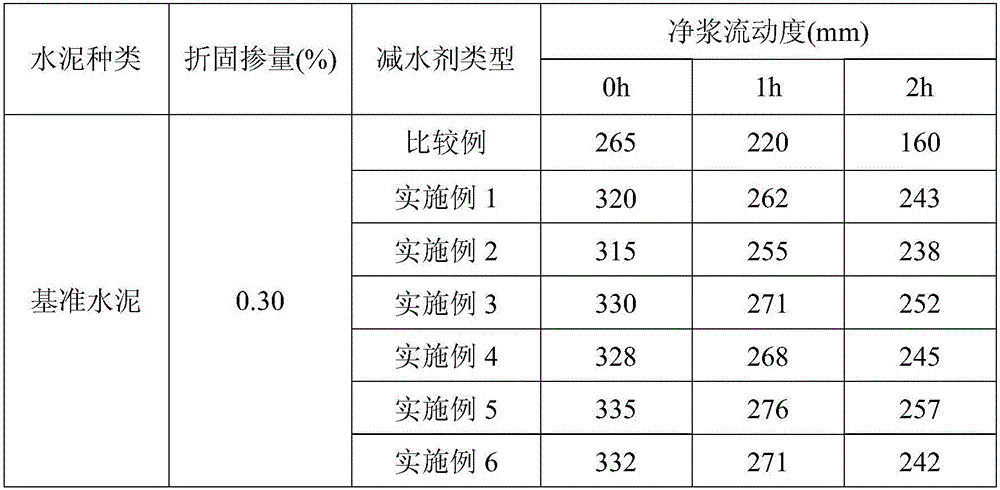
Figure 1 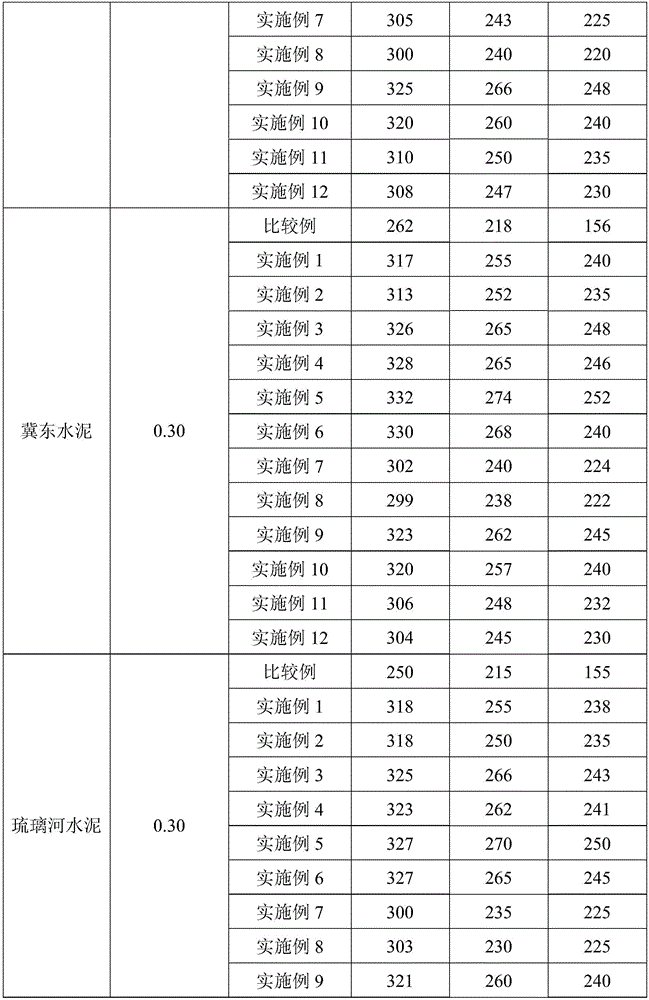
Figure 2 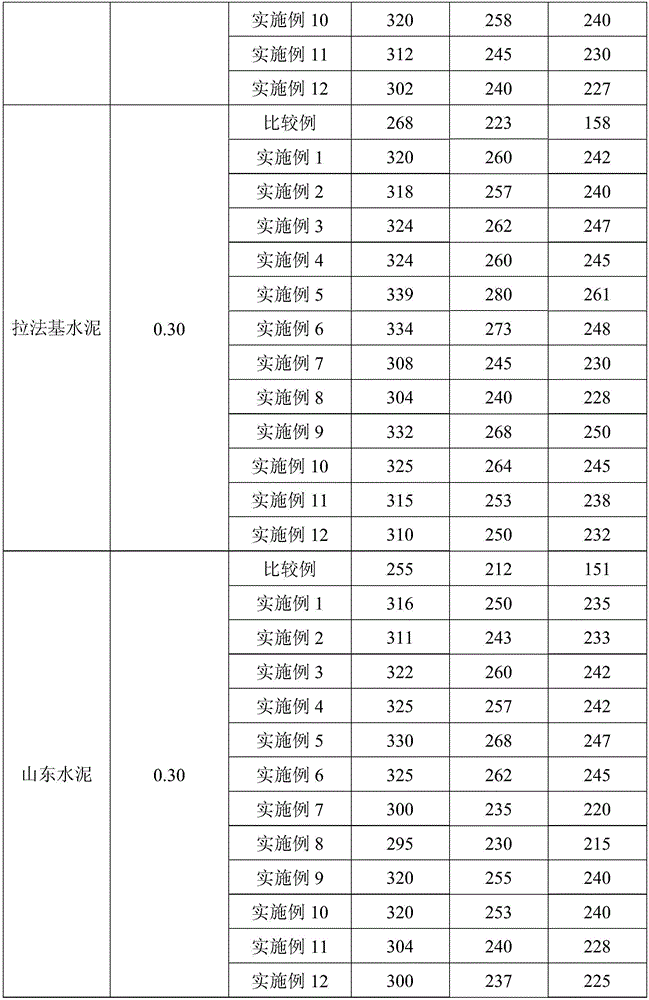
Figure 3
Abstract
Description
technical field
[0001] The present invention relates to the technical field of a cationic side chain type polycarboxylate water reducer for concrete, in particular to a cationic side chain polymerized by Hoffman rearrangement reaction of unsaturated amide monomers first to modify isocyanate groups And react to generate a macromonomer and then copolymerize with a small carboxylic acid monomer to form a specific preparation method of a cationic polycarboxylate water reducer. Background technique
[0002] Polycarboxylate superplasticizer is an important part of concrete, which can improve the workability, strength and durability of concrete. It is a high-performance superplasticizer at the forefront of technology in the world. The characteristics of high water-reducing enhancement rate, good adaptability of cement, and diversity of molecular design have become the research hotspots at home and abroad. However, concrete raw materials have an important impact on the application ...
Examples
Embodiment 1
[0029] First, add 1.7g of methacrylamide, 2.98g of sodium hypochlorite and 0.8g of sodium hydroxide to the reactor in turn, stir for 8 minutes, and react at a constant temperature of 45°C for 1.5 hours to obtain unsaturated isocyanate; Acryloyloxyethyl dimethyl butyl ammonium bromide and 0.3g of isobutanol were added to another reactor, and then 591.17g of water was added to prepare an aqueous solution with a mass concentration of 2%, and the reactor was filled with nitrogen repeatedly 4 times to remove Seal after 20 minutes of oxygenation, add 2.19g of cerium ammonium nitrate, stir for 18 minutes until it is mixed evenly, continue to heat up to 60°C for polymerization reaction, and react for 6 hours to obtain an aqueous solution of hydroxyl-terminated cation side chains; The chain aqueous solution was vacuumed to remove the water in the system, and the obtained product unsaturated isocyanate, 21.6g polyethylene glycol monomethyl ether (molecular weight = 1800), and 3.37g water...
Embodiment 2
[0031] After the polycarboxylate superplasticizer solution with a mass fraction of 40% obtained in Example 1 was stored at 6° C. for 30 days, its implementation effect was measured.
Embodiment 3
[0033] First, add 1.7g of methacrylamide, 3.28g of sodium hypochlorite and 0.8g of sodium hydroxide to the reactor in sequence, stir for 10 minutes, and react at a constant temperature of 35°C for 2.5 hours to obtain unsaturated isocyanate; Methyl allyl ammonium chloride and 0.36g isopropanol are added in another reactor, then add 706.08g water and be mixed with the aqueous solution that mass concentration is 8%, the reactor is filled with nitrogen repeatedly 3 times and deoxygenates after sealing for 30 minutes, Add 1.64g of ammonium cerium nitrate, stir for 10 minutes until it is evenly mixed, continue to heat up to 50°C for polymerization reaction, and react for 8 hours to obtain an aqueous solution of hydroxyl-terminated cation side chains; vacuumize the obtained aqueous solution of hydroxyl-terminated cations and side chains to remove the system Inner water, add the obtained product unsaturated isocyanate, 28g polyethylene glycol monomethyl ether (molecular weight = 2000),...