
Control method for compartment intelligent service robot travelling based on neural network
A technology of intelligent service and neural network, which is applied in the field of control of intelligent service robots in the car, can solve the problems of long operation cycle, high delay, slow network convergence speed, etc., and achieve the effect of short operation cycle, high precision and fast convergence speed
Patent Information
- Authority / Receiving Office
- CN · China
- Patent Type
- Applications(China)
- Current Assignee / Owner
- Publication Date
- 2018-08-21
- Estimated Expiration
- Not applicable · inactive patent
Smart Images
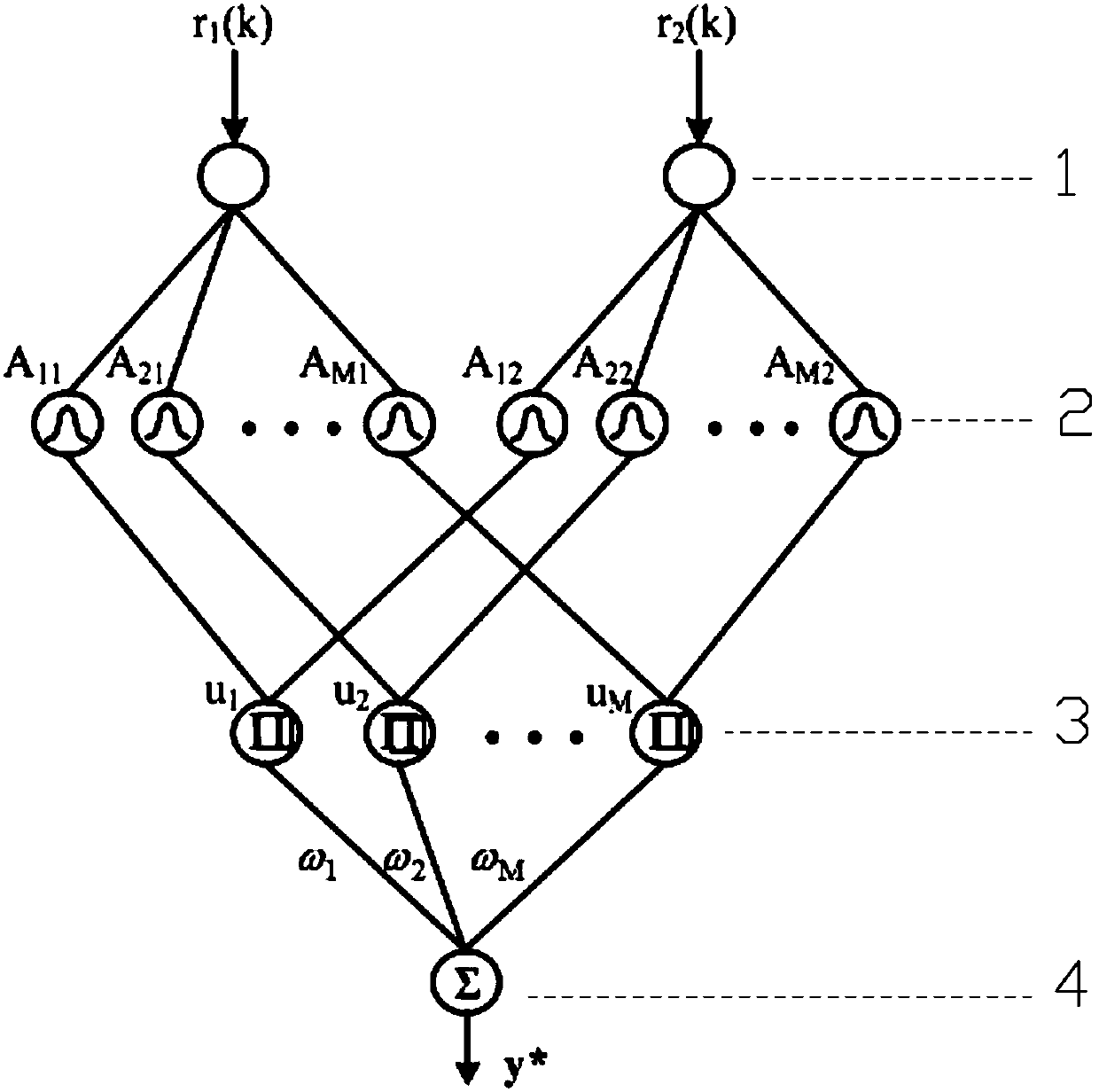
Figure 1 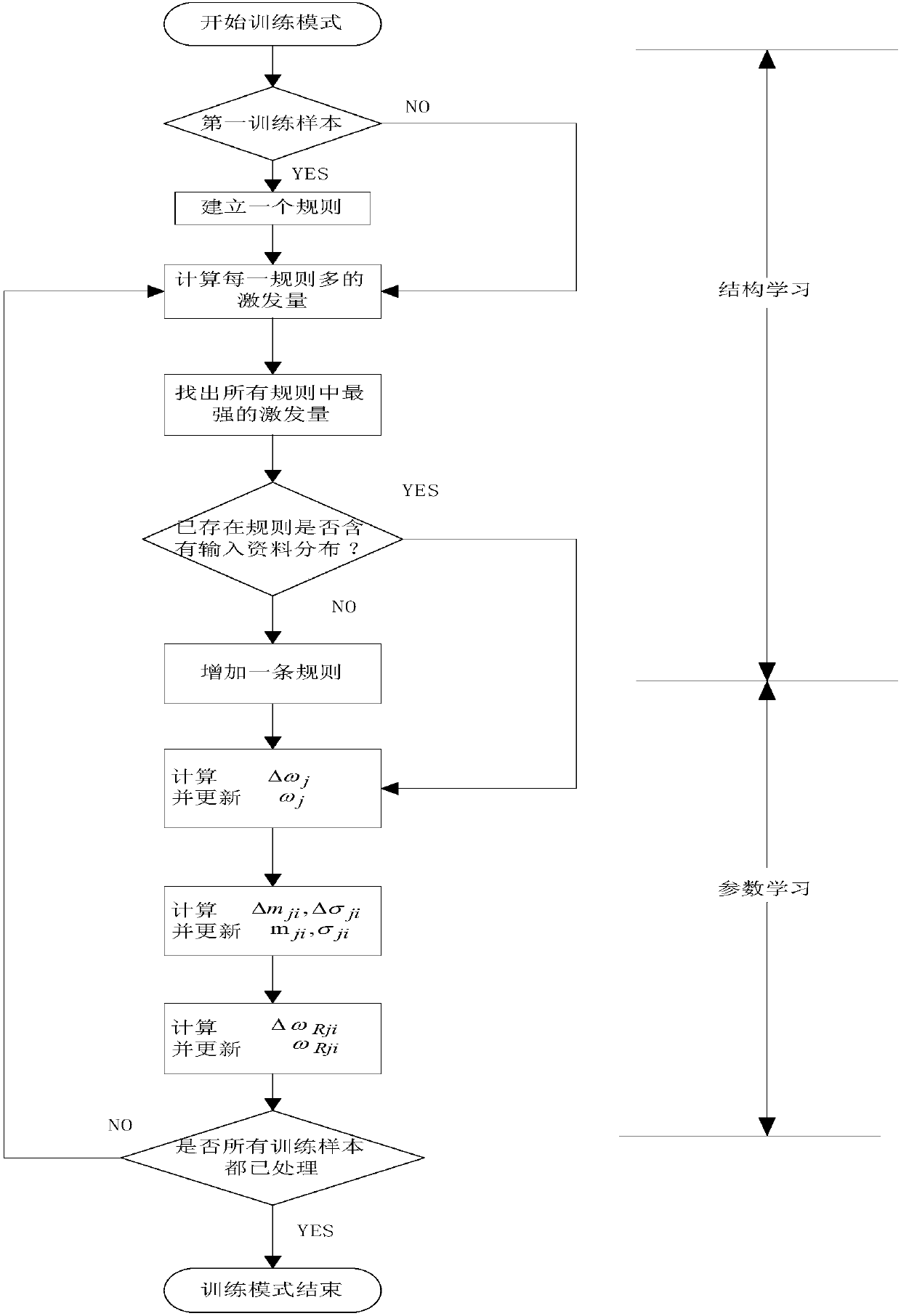
Figure 2 
Figure 3
Abstract
Description
Technical field
[0001] The invention relates to the learning field of robots, in particular to a method for controlling the travel of an intelligent service robot based on a neural network. Background technique
[0002] The application of robots is becoming more and more widespread, permeating almost all fields. Mobile robots are an important branch of robotics. As early as the 1960s, research on mobile robots has begun. The research on mobile robots involves many aspects. Among them, the path planning technology of mobile robots is in a pivotal position. The so-called path planning technology is that the robot uses its own sensors to respond to the environment. It can plan a safe operation route by itself, and complete the task efficiently. At the same time, under the premise that the robot completes the task, the trajectory of the robot should be optimized as much as possible.
[0003] Traditional path planning methods for mobile robots are template matching path planning techn...
Examples
Embodiment Construction
[0044] The present invention will be further described in detail below with reference to the accompanying drawings.
[0045] reference figure 1 with figure 2 , A method for controlling the travel of intelligent service robots based on neural network, divided into training phase and learning phase, including the following steps:
[0046] 1) Training stage; the specific steps are as follows:
[0047] 1-1) Positioning base station sensors are set in the carriage, cameras and infrared detectors are set in the robot body, and the position parameters of the robot body are collected as input variables;
[0048] 1-2) Identify input variables, and establish SCFNN model architecture in the form of at least two input nodes and one output node;
[0049] 1-3) The SCFNN model includes four layers of operations. After the input node passes through the first layer 1, it enters the second layer 2 attribution function node and the third layer 3 product operation node, and gradually adjusts each of the...