
Cat appeasing pheromone and application thereof
A technology of pheromones and fatty acids, which is applied in the field of cat pacification pheromones and its application scenarios, can solve the problems of increased tolerance, reduced drug efficacy, pets' dependence on drugs, etc., to achieve increased flash point, strong dispersion, and reduced fire hazards dangerous effect
Patent Information
- Authority / Receiving Office
- CN · China
- Patent Type
- Applications(China)
- Current Assignee / Owner
- Publication Date
- 2020-03-27
- Estimated Expiration
- Not applicable · inactive patent
Smart Images
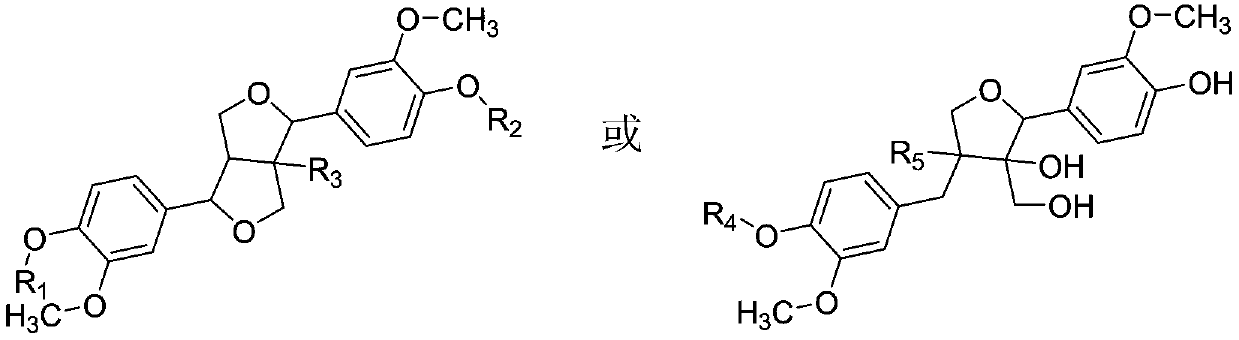
Figure 1 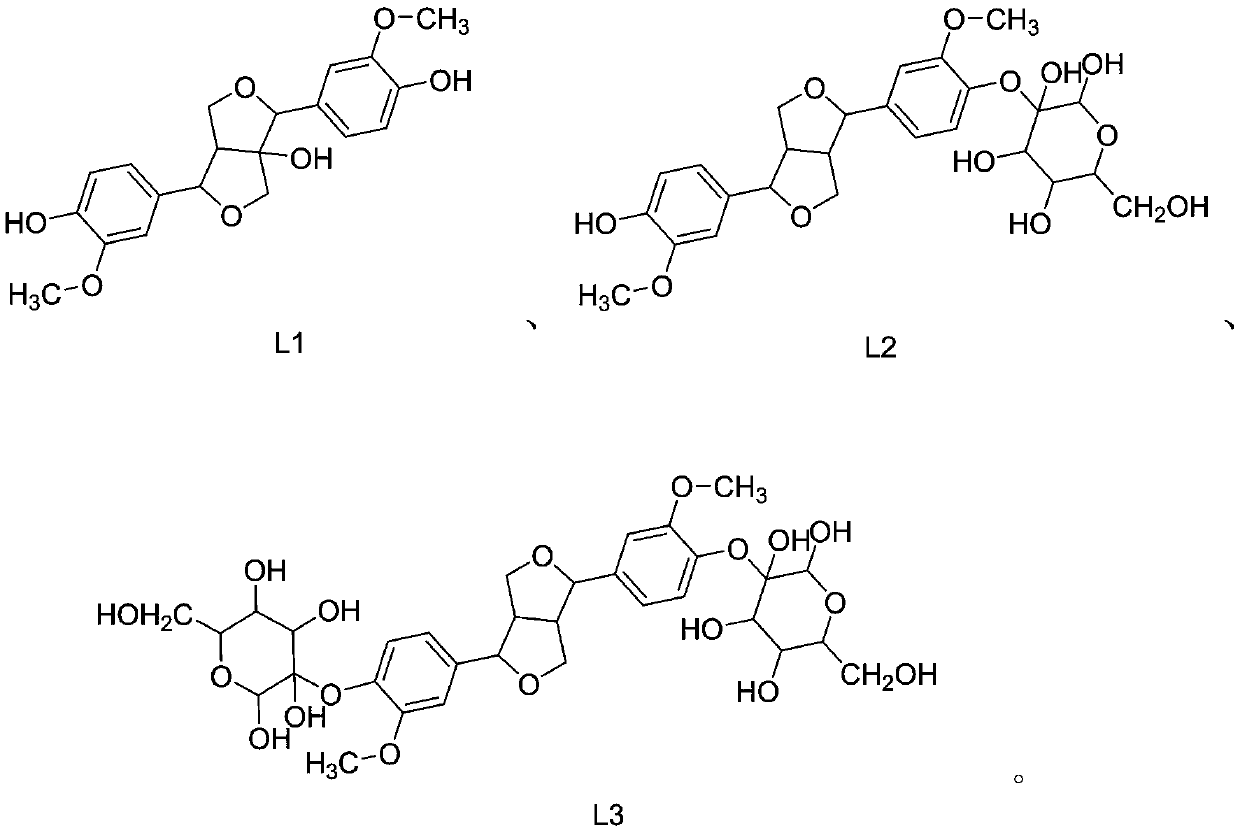
Figure 2 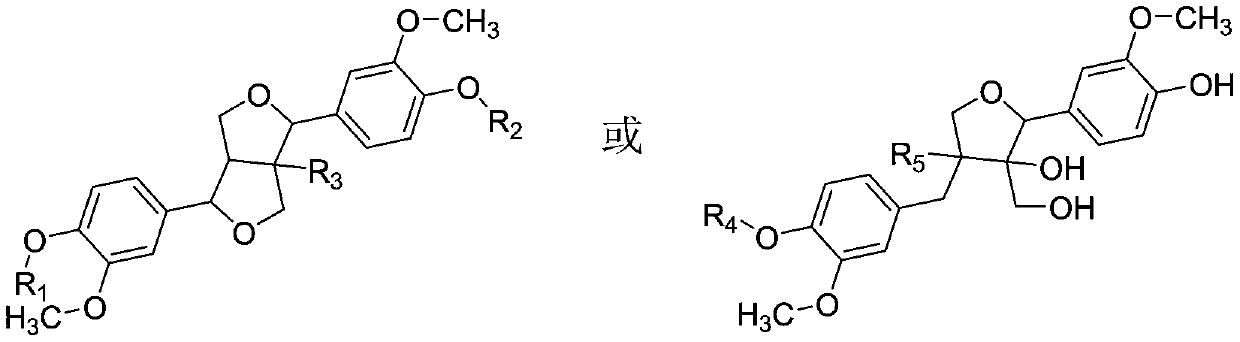
Figure 3
Abstract
Description
technical field
[0001] The invention relates to the field of pet products, in particular to a cat soothing pheromone and its application scene. Background technique
[0002] Pheromones are natural chemical messages that exist in humans and animals, can be emitted into the external environment, and can also be composed of some volatile components. Both humans and animals can secrete, accept and respond to pheromones. For different animals, pheromones play an important role in the communication and social behavior between individuals. At present, in the study of pheromones, gas chromatography-mass spectrometry analysis technology has become the standard analysis method for its research. This technology has deepened people's understanding of pheromones in the communication and social behavior of mammals.
[0003] U.S. Patent No. 5709863 simulates the facial gland secretion of cats, and discloses a pheromone emulsion, which contains fatty acids and plant-derived compounds. The ...
Examples
Embodiment 1
[0041] Embodiment 1. Preparation of pheromone
[0042] In this embodiment, the mixed solvent is a glycol liquid, including ethanol and n-butanol components, and the proportioning ratio is X1, X2 (ml) respectively, and the experimental scheme design is as shown in Table 1,
[0043] Table 1 glycol solvent component distribution ratio
[0044]
[0045] According to the principle requirements of the empirical calculation formula of flash point and ignition point of binary mixed liquid, calculate the flash point and spontaneous ignition point of each component in the table, and fill in the above table.
[0046]Prepared as follows: palmitic acid 15.5g (14.8%), stearic acid 8.38g (4%), azelaic acid 1.78g (1.7%), malonic acid 1.32g (1.26%), myristic acid 1.257g (1.2%), pimelic acid 1.257 g (1.2%), sebacic acid 0.7857g (0.75%), attractant L10.010476g (0.01%) is placed in 200mL beaker, mix well; Then add successively mL of geranium essential oil, Lavender essential oil 0.1mL, rosem...
Embodiment 2
[0048] Embodiment 2. Preparation of pheromone
[0049] Prepared according to the following method: 18.29g (13.8%) of palmitic acid, 3.97g (3.0%) of stearic acid, 0.92771g (0.7%) of azelaic acid, 1.39g (1.05%) of malonic acid, 0.265g of tetradecanoic acid (0.2%), 0.689g (0.52%) of pimelic acid, 0.0663g (0.05%) of sebacic acid, and 0.0265g (0.02%) of attractant L are placed in a 200mL beaker and mixed uniformly; then add geranium essential oil 0.45mL , 0.15mL of lavender essential oil, 0.15mL of rosemary essential oil, 15.62mL of oleic acid (10.5%) liquid and stir evenly; Stir and slowly cool down at room temperature to form a yellow mixture.
Embodiment 3
[0050] Embodiment 3. Preparation of pheromone
[0051] Prepared as follows: palmitic acid 21.873g (15.0%), stearic acid 7.5826g (5.2%), azelaic acid 5.104g (3.5%), malonic acid 5.104g (3.50%), myristic acid 3.645g (2.5%), pimelic acid 2.99g (2.05%), sebacic acid 1.823g (1.25%), attractant L5g (0.03%) is placed in 200 mL beaker, mixes; Then add geranium essential oil 0.35mL successively, Lavender essential oil 0.25mL, rosemary essential oil 0.1mL, oleic acid 20.62mL (12.6%) liquid and stir evenly; Then add the mixed solvent 100mL (55%) of proportioning such as serial number 5; In the process, the temperature is lowered according to a certain slow cooling procedure, and the mixture is fully stirred to form an oily mixture.
[0052] The pheromones described in the above examples are also added with antioxidants to reduce the oxygen content in and around the product, avoid the oxidation of fatty acids, and prolong the storage period and shelf life of the product, such as sulfate ...