
Modified diaphragm for lithium-sulfur battery and preparation method thereof
A lithium-sulfur battery and modification technology, which is applied in the direction of lithium batteries, battery pack components, non-aqueous electrolyte batteries, etc., can solve the problems of sulfur positive electrode volume change, large polarization resistance, and low utilization rate of positive electrode materials, so as to promote Transmission, the effect of reducing interface resistance
Patent Information
- Authority / Receiving Office
- CN · China
- Patent Type
- Applications(China)
- Current Assignee / Owner
- Publication Date
- 2020-12-08
- Estimated Expiration
- Not applicable · inactive patent
Smart Images
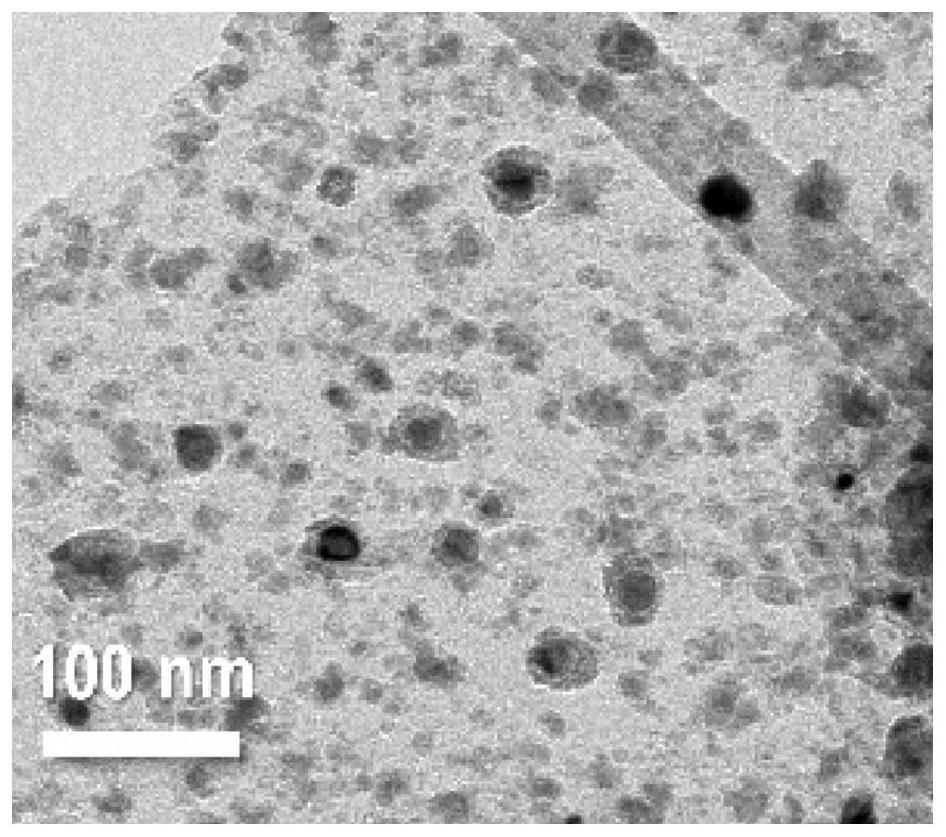
Figure 1 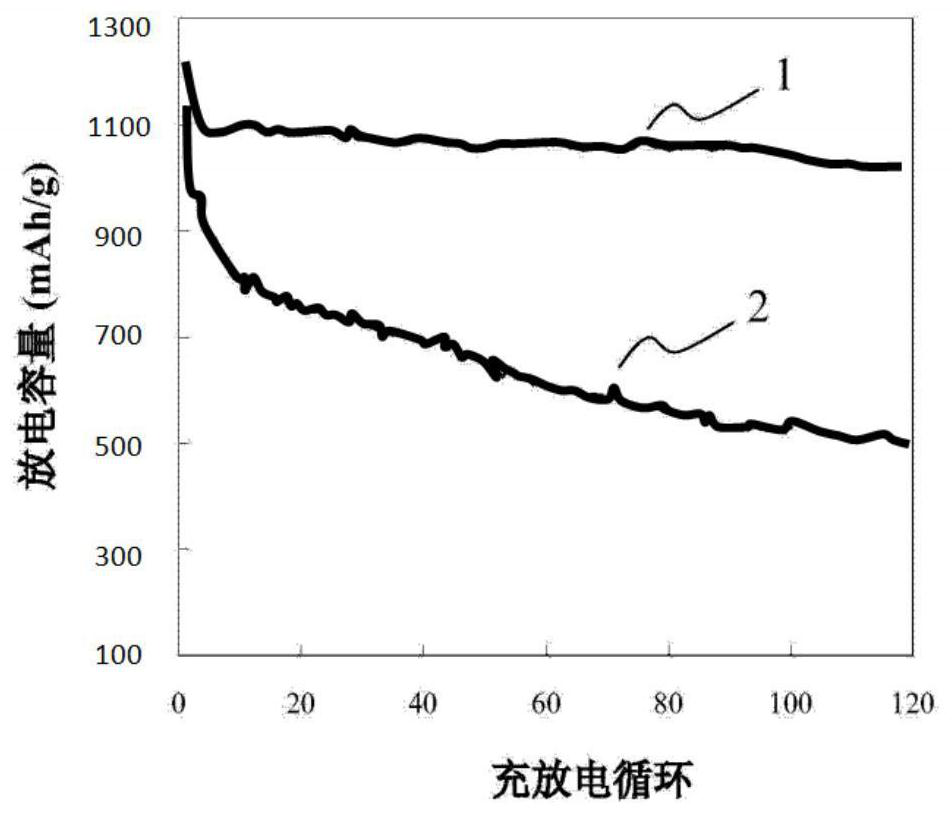
Figure 2
Abstract
Description
technical field
[0001] The application relates to a preparation method of a modified diaphragm for lithium-sulfur batteries and a preparation method of an intermediate layer material, belonging to the field of battery materials. Background technique
[0002] In 1992, Sony Corporation of Japan successfully realized the commercial application of lithium-ion batteries, and then lithium-ion batteries developed rapidly. However, the theoretical specific capacity and energy density of lithium-ion batteries limit its further development, so it is urgent to develop new electrochemical energy storage devices with high energy density, long cycle life, and low cost. Lithium-sulfur batteries have the advantages of high theoretical specific capacity, high energy density, and abundant resources, and have strong competitiveness in many new-generation energy storage systems. However, the current lithium-sulfur batteries still have some fatal shortcomings: ① low conductivity of sulfur and d...
Examples
Embodiment 1
[0036] The present invention also provides a preparation method of the modified diaphragm for the lithium-sulfur battery, comprising the following steps:
[0037] (1) Preparation of porous carbon materials:
[0038] Clean 10 g of melamine sponge with absolute ethanol and deionized water, after drying, carbonize the melamine sponge at 500° C. for 6 hours under a nitrogen protective atmosphere, and obtain a carbon sponge after cooling;
[0039] (2) Preparation of porous graphene oxide:
[0040] Graphene oxide was ultrasonically dispersed in a 10M sodium hydroxide solution, and then refluxed at 100°C for 10 hours; the obtained samples were washed with absolute ethanol and deionized water, filtered three times, and then dried;
[0041] (3) Preparation of titanium cobalt oxide / porous graphene / porous carbon composite material:
[0042] A 2mol / L mixed solution of titanium salt and cobalt salt was prepared, the titanium salt was titanium tetrachloride, the cobalt salt was cobalt ace...
Embodiment 2
[0048] The present invention also provides a preparation method of the modified diaphragm for the lithium-sulfur battery, comprising the following steps:
[0049] (1) Preparation of porous carbon materials:
[0050] Clean 10 g of melamine sponge with absolute ethanol and deionized water, after drying, carbonize the melamine sponge at 500° C. for 6 hours under a nitrogen protective atmosphere, and obtain a carbon sponge after cooling;
[0051] (2) Preparation of porous graphene oxide:
[0052] Graphene oxide was ultrasonically dispersed in a 15M sodium hydroxide solution, and then refluxed at 100°C for 10 hours; the obtained samples were washed with absolute ethanol and deionized water, filtered three times, and then dried;
[0053] (3) Preparation of titanium cobalt oxide / porous graphene / porous carbon composite material:
[0054] A 2mol / L mixed solution of titanium salt and cobalt salt was prepared, the titanium salt was titanium tetrachloride, the cobalt salt was cobalt ace...