
Composite resin aerogel in sewage treatment and application thereof
A composite resin and aerogel technology, used in flocculation/sedimentation water/sewage treatment, water/sewage treatment, special compound water treatment, etc., can solve the problems of complex structure, poor desorption and regeneration performance, corrosion, etc. The effect of expanding the photoresponse range, improving the photocatalytic activity, and improving the photocatalytic efficiency
Patent Information
- Authority / Receiving Office
- CN · China
- Patent Type
- Applications(China)
- Current Assignee / Owner
- Publication Date
- 2021-04-06
Smart Images
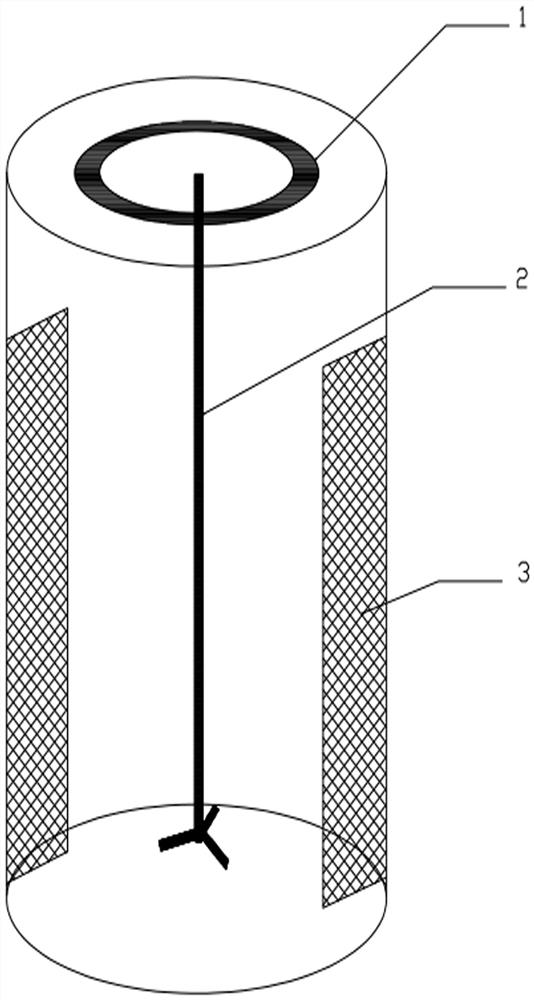
Figure 1 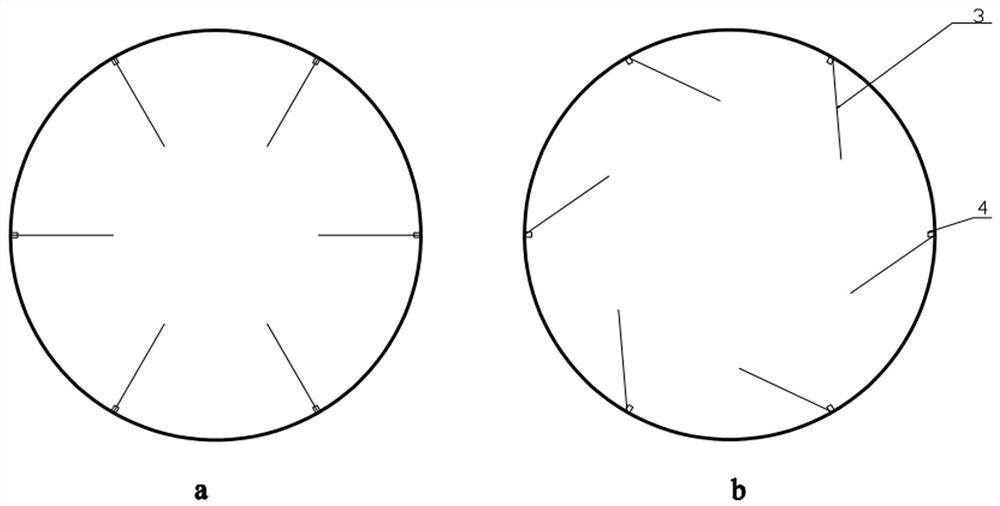
Figure 2 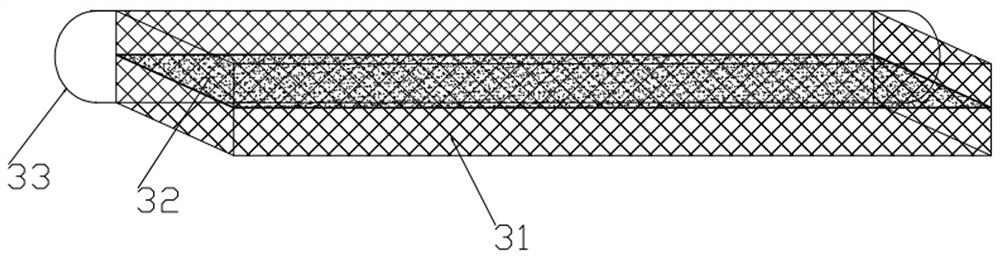
Figure 3
Abstract
Description
technical field
[0001] The invention belongs to the technical field of wastewater treatment, and in particular relates to a composite resin airgel and its application in sewage treatment. Background technique
[0002] With the rapid development of social economy, cities, and industries, the amount of various domestic sewage and industrial wastewater has also increased rapidly, resulting in serious water pollution. At the same time, human beings are also facing the problem of water shortage. Therefore, the treatment and reuse of sewage become more and more important. Among the water pollution caused by artificial production activities, the water pollution caused by industry is the most serious, and the development of society is inseparable from industrial production. And the amount is also different, making industrial sewage treatment very difficult.
[0003] For some enterprises that require zero discharge of wastewater, the wastewater can only be treated and reused, but t...
Examples
Embodiment 1
[0042] A kind of composite resin airgel, its preparation method comprises the following steps:
[0043] 1. Take by weighing 28g glycidyl methacrylate, 13g divinylbenzene and 40g ethylene glycol dimethacrylate at a molar mass ratio of 2:1:2 and dissolve them in 200mL toluene and deionized water mixed solvent (volume ratio 10:1), stir and slowly add 0.8g of azobisisobutyronitrile, gradually raise the temperature to 70°C and keep the reaction for 7 hours, so that free radical polymerization occurs to obtain a polymer, the polymer is cooled to room temperature, concentrated and dried to obtain an organic resin ,spare;
[0044] 2. Dissolve 100g of cellulose in glacial acetic acid for activating treatment for 6 hours, suction filter, wash with deionized water, and dry, weigh 80g of activated cellulose and 20g of organic resin and dissolve in 4L of deionized water, add 3g of N, N-Methylenebisacrylamide and 1.5g of potassium persulfate prepared a solution with a concentration of 0.2g...
Embodiment 2
[0058] A kind of composite resin airgel, its preparation method comprises the following steps:
[0059] 1. Take by weighing 43g glycidyl methacrylate, 26g divinylbenzene and 40g ethylene glycol dimethacrylate at a molar mass ratio of 3:2:2 and dissolve them in 200mL toluene and deionized water mixed solvent (volume ratio 15:1), stir and slowly add 1.6g of azobisisobutyronitrile, gradually raise the temperature to 80°C and keep the reaction for 5 hours, so that free radical polymerization occurs to obtain a polymer, the polymer is cooled to room temperature, concentrated and dried to obtain an organic resin ,spare;
[0060]2. Dissolve 100g of cellulose in glacial acetic acid and activate it for 6 hours, filter it with suction, wash with deionized water, and dry it. Weigh 60g of activated cellulose and 10g of organic resin and dissolve it in 3L of ethanol. Add 2g of N,N -Methylenebisacrylamide and 1.0g of potassium persulfate prepared a solution with a concentration of 0.15g / mL...
Embodiment 3
[0074] A kind of composite resin airgel, its preparation method comprises the following steps:
[0075] 1. Take by weighing 36g glycidyl methacrylate, 20g divinylbenzene and 50g ethylene glycol dimethacrylate at a molar mass ratio of 5:3:5 and dissolve them in 250mL toluene and deionized water mixed solvent (volume ratio 10:1), stir and slowly add 2.4g of azobisisobutyronitrile, gradually raise the temperature to 80°C and keep the reaction for 6 hours, so that free radical polymerization occurs to obtain a polymer, the polymer is cooled to room temperature, concentrated and dried to obtain an organic resin ,spare;
[0076] 2. Dissolve 100g of cellulose in glacial acetic acid for activating treatment for 6 hours, suction filter, wash with deionized water, and dry, weigh 50g of activated cellulose and 20g of organic resin and dissolve in 3L of ethanol, add 1.5g of N, N-Methylenebisacrylamide and 0.75g of potassium persulfate prepared a solution with a concentration of 0.1g / mL, ...