

Preparation method of comb-shaped organic silicon modified waterborne polyurethane, obtained polyurethane and application of comb-shaped organic silicon modified waterborne polyurethane
A technology of water-based polyurethane and silicone, which is applied in the direction of improved hand-feeling fibers, wear-resistant fibers, textiles and papermaking, etc. It can solve the problems of affecting the appearance, reducing the hydrophilicity of fabrics, and poor hygroscopicity.
Patent Information
- Authority / Receiving Office
- CN · China
- Current Assignee / Owner
- Publication Date
- 2021-09-10
Smart Images
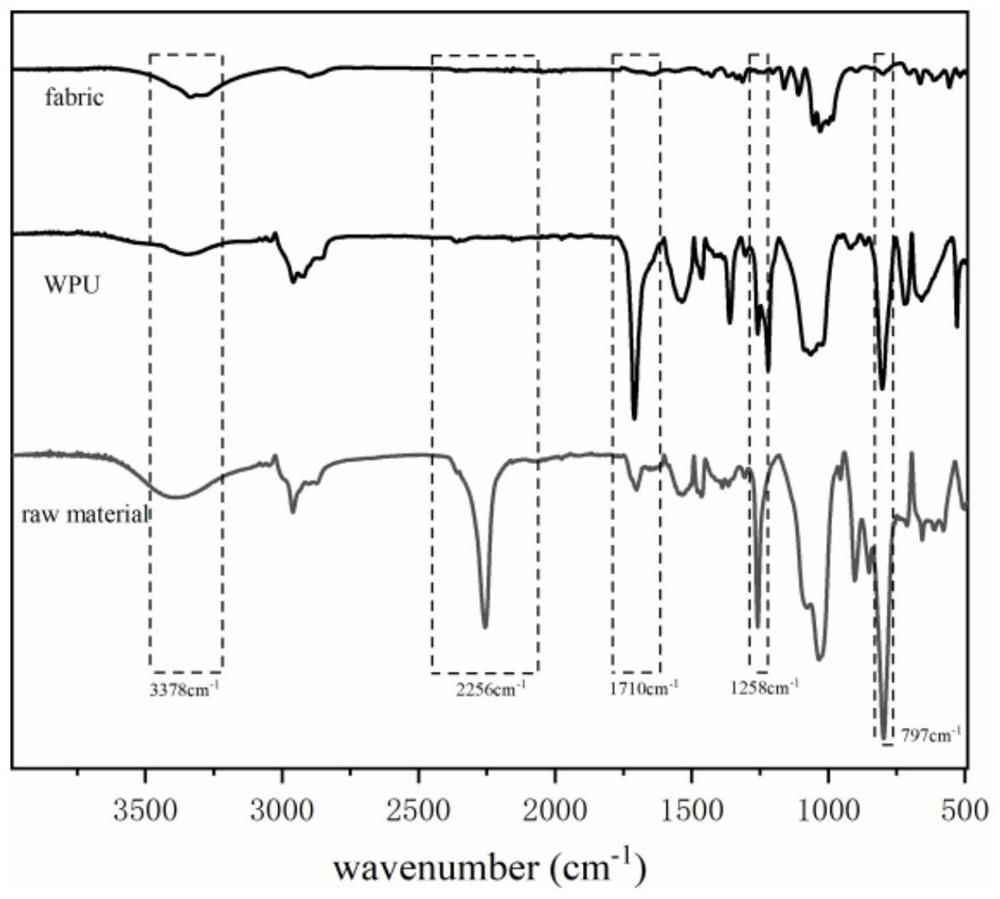
Figure 1 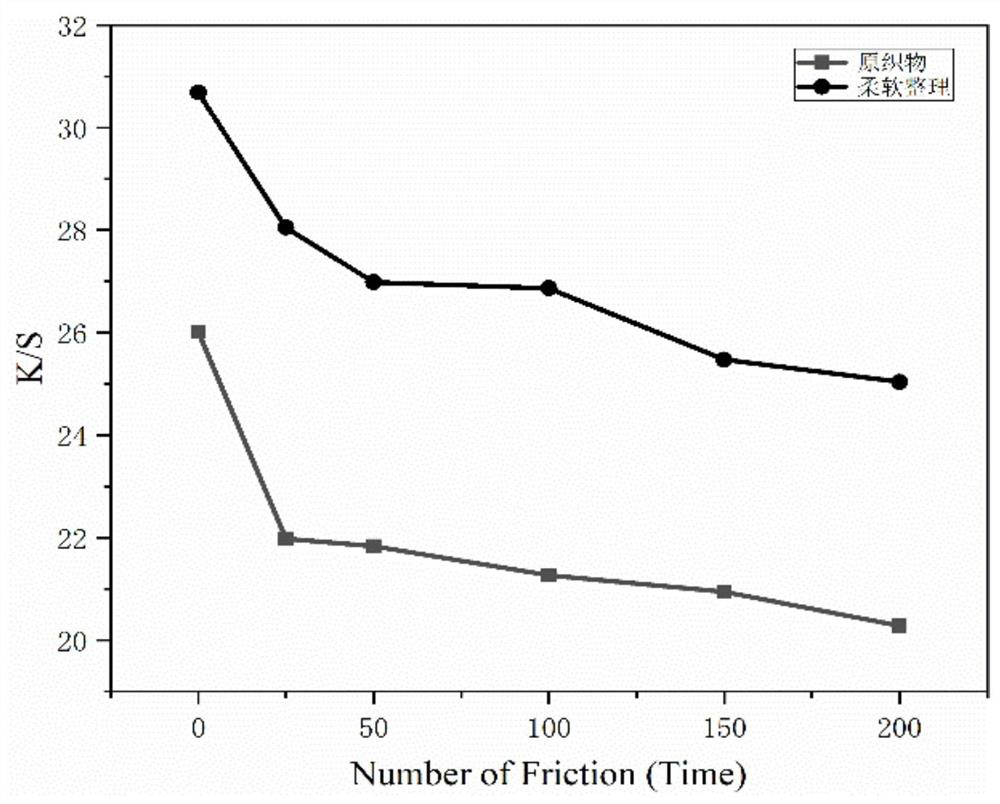
Figure 2 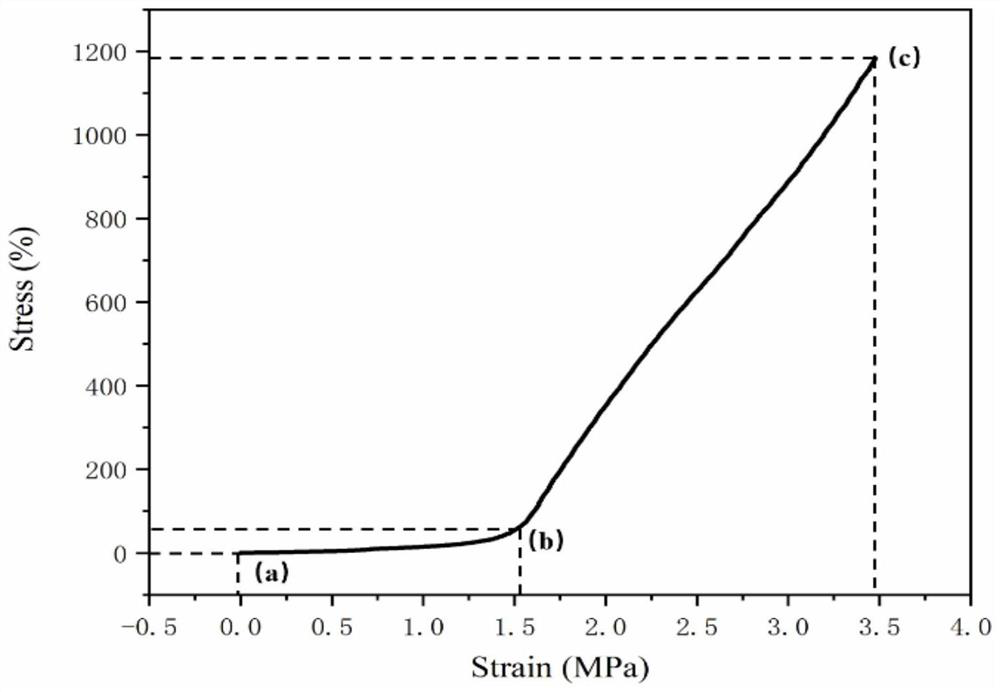
Figure 3
Abstract
Description
technical field
[0001] The invention belongs to a polymer material, in particular to a comb-shaped organosilicon-modified water-based polyurethane soft style finishing agent and its preparation method and application. Background technique
[0002] With the continuous progress and development of the textile industry, people have higher and higher requirements for the performance of textiles. It not only meets the comfort, softness and fluffy feel required for daily wear, but also requires fabrics to have unique properties such as moisture absorption, breathability, and antistatic properties. And easy decontamination etc. However, the analysis of textile raw materials and the printing and dyeing process, the difference between synthetic fibers and natural fibers, and the damage to the original superior style and hand feel of textiles in the printing and dyeing process make various types of finishing auxiliaries necessary for printing and dyeing processing, especially for For ...
Examples
Embodiment 1
[0027] (1) Put polyether diol N120 with a molecular weight of 1000, hydroxyl silicone oil with a molecular weight of 400, and 2,2-dimethylolpropionic acid in a vacuum drying oven and heat at 80°C for 11 h to remove the moisture in the reaction raw materials ; Use a vacuum tube type high-temperature sintering furnace to heat the 4A molecular sieve at 600 ° C for 6 h for activation, then put it in tetrahydrofuran to absorb water, and use it after one week of treatment.
[0028] (2) Use oil bath heating and mechanical stirring to build a reaction device. Add 0.8 mol of hydroxyl silicone oil 400 to a three-necked flask with a condenser tube, then add 2 mol of IPDI and 0.5 mol of tetrahydrofuran, and react at 70°C for 2 h. Hydroxyl silicone oil 400 was added dropwise using a constant pressure funnel at a rate of 2 drops / s.
[0029] (3) Then add 0.8 mol of 2,2-dimethylolpropionic acid as a chain extender, and at the same time add 2 drops of dibutyltin dilaurate as a catalyst, and us...
Embodiment 2
[0035] (1) Put polyether diol N120 with a molecular weight of 1000, hydroxyl silicone oil with a molecular weight of 400, and 2,2-dimethylolpropionic acid in a vacuum drying oven and heat at 85°C for 10 h to remove the moisture in the reaction raw materials ; Use a vacuum tube type high-temperature sintering furnace to heat the 4A molecular sieve at 650 ° C for 5 h for activation, then put it in tetrahydrofuran to absorb water, and use it after one week of treatment.
[0036] (2) Use oil bath heating and mechanical stirring to build a reaction device. Add 0.6 mol of hydroxyl silicone oil 400 to a three-necked flask with a condenser tube, then add 2 mol of IPDI and 0.6 mol of tetrahydrofuran, and react at 75°C for 3 h. Hydroxyl silicone oil 400 was added dropwise using a constant pressure funnel at a rate of 2 drops / s.
[0037] (3) Then add 1.6mol of 2,2-dimethylolpropionic acid as a chain extender, and at the same time add 3 drops of dibutyltin dilaurate as a catalyst, and use...
Embodiment 3
[0043] (1) Put polyether diol N120 with a molecular weight of 1000, hydroxyl silicone oil with a molecular weight of 1000 and 2,2-dimethylol propionic acid in a vacuum drying oven and heat at 85°C for 10 h to remove the moisture in the reaction raw materials ; Use a vacuum tube type high-temperature sintering furnace to heat the 4A molecular sieve at 600 ° C for 5 h for activation, then put it in tetrahydrofuran to absorb water, and use it after one week of treatment.
[0044] (2) Use oil bath heating and mechanical stirring to build a reaction device. Add 0.6 mol of hydroxyl silicone oil 400 to a three-necked flask with a condenser tube, then add 2 mol of IPDI and 0.5 mol of tetrahydrofuran, and react at 75°C for 3 h. Hydroxyl silicone oil 400 was added dropwise using a constant pressure funnel at a rate of 2 drops / s.
[0045] (3) Then add 0.8 mol of 2,2-dimethylolpropionic acid as a chain extender, and at the same time add 2 drops of dibutyltin dilaurate as a catalyst, and u...