

Surface processed plastic product and surface processing method
A plastic product and surface treatment technology, which is applied in thin material processing, transportation and packaging, application, etc., can solve the problems of wettability change, plastic product material quality deterioration, etc.
Patent Information
- Authority / Receiving Office
- CN · China
- Patent Type
- Patents(China)
- Current Assignee / Owner
- Publication Date
- 2005-02-23
- Estimated Expiration
- Not applicable · inactive patent
Smart Images
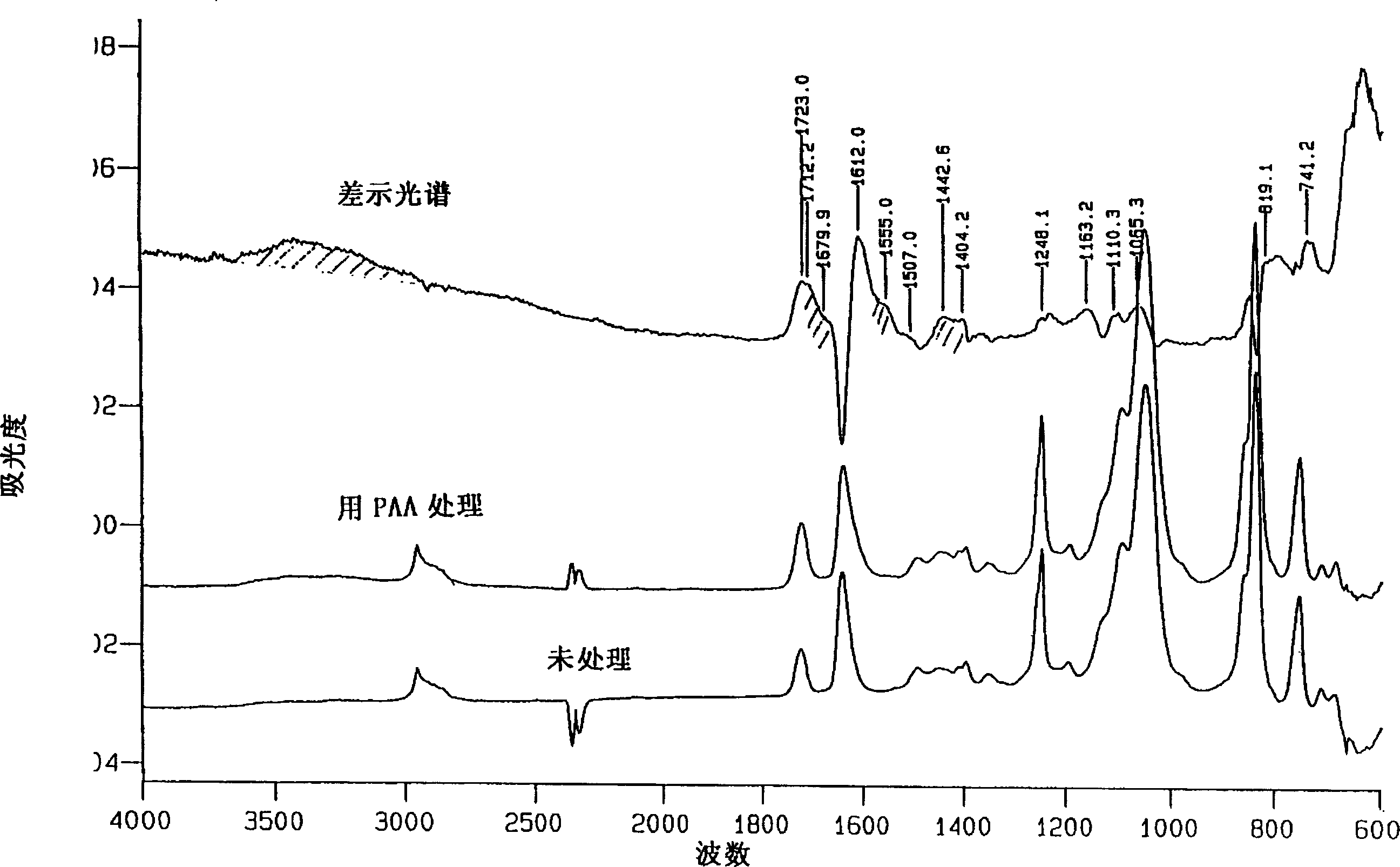
Figure 1 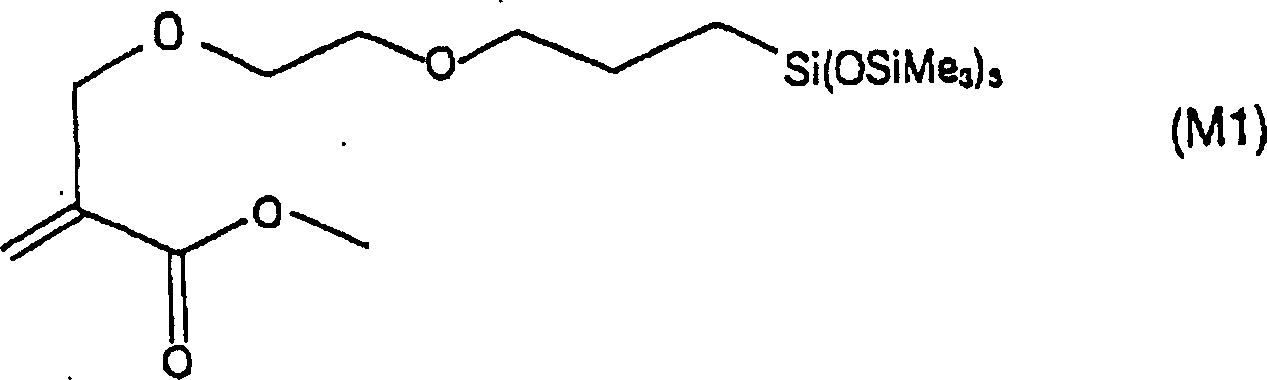
Figure 2 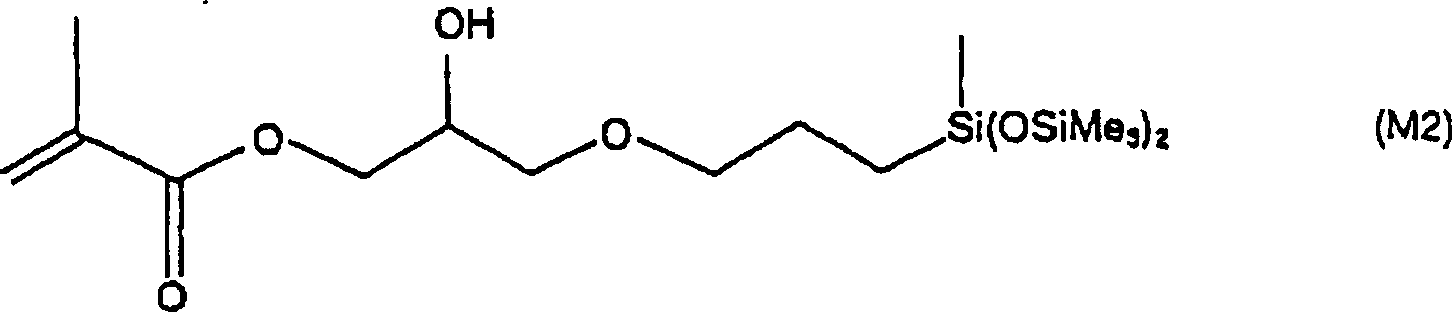
Figure 3
Abstract
Description
technical field
[0001] The invention relates to a method for surface treatment of plastic products and a surface-treated plastic product. In particular, the present invention relates to a surface-treated plastic product having excellent hydrophilicity, i.e. wettability, and excellent anti-sedimentation property, i.e. lipid fouling resistance, etc., which is subjected to surface treatment. Disposal without reducing its performance as a plastic product. In particular, the plastic articles surface-treated according to the invention are suitable for contact lenses and intraocular lenses, or medical components such as catheters and artificial kidneys. Background technique
[0002] In recent years, plastic products have been used for a variety of purposes. Among them, plastic products containing silicon or fluorine are used for contact lenses due to their excellent oxygen permeability.
[0003] However, plastic products containing silicon or fluorine are insufficient in wettabi...
Examples
Embodiment 1
[0056] 60 parts by weight of tris(trimethylsiloxy) silyl propyl methacrylate (abbreviated as TRIS), 40 parts by weight of N,N-dimethylacrylamide (abbreviated as DMAA), 1 weight part 10 parts by weight of triethylene glycol dimethacrylate (abbreviated as 3G) and 10 parts by weight of diglyme (abbreviated as Diglyme) were uniformly mixed. After adding thereto 0.2 parts by weight of "Darocur 1173" manufactured by Ciba Specialty Chemicals as a polymerization initiator, the resulting monomer mixture was degassed in an argon atmosphere. The degassed monomer mixture was injected between plastic molds and sealed in a dry box under nitrogen atmosphere. Then, use the insect-catching lamp to illuminate at an illumination of 1mW / cm 2 irradiated for 30 minutes to carry out polymerization. Subsequently, the mold including the obtained plastic was immersed in diglyme for 30 minutes at 40° C., and in addition, it was immersed at 60° C. for 60 minutes, and then, the obtained plastic product ...
Embodiment 2
[0058] A surface-treated plastic product was prepared in the same manner as in Example 1, except that the aqueous solution containing polyacrylic acid in Example 1 was changed to an aqueous solution containing 20% by weight of polyacrylic acid having an average molecular weight of 5,000 at pH 2.0. The water content, dynamic contact angle, wettability, modulus and elongation at break of the obtained plastic products are shown in Table 1.
Embodiment 3
[0060] A surface-treated plastic product was prepared in the same manner as in Example 1, except that the aqueous solution containing polyacrylic acid in Example 1 was changed to an aqueous solution containing 1.2% by weight of polyacrylic acid having an average molecular weight of 250,000 at pH 3.1. The water content, dynamic contact angle, wettability, modulus and elongation at break of the obtained plastic products are shown in Table 1.