
Polymeric concrete for wind generator towers or other large structural applicatons
Patent Information
- Authority / Receiving Office
- US · United States
- Current Assignee / Owner
- Publication Date
- 2009-12-24
- Estimated Expiration
- Not applicable · inactive patent
Smart Images
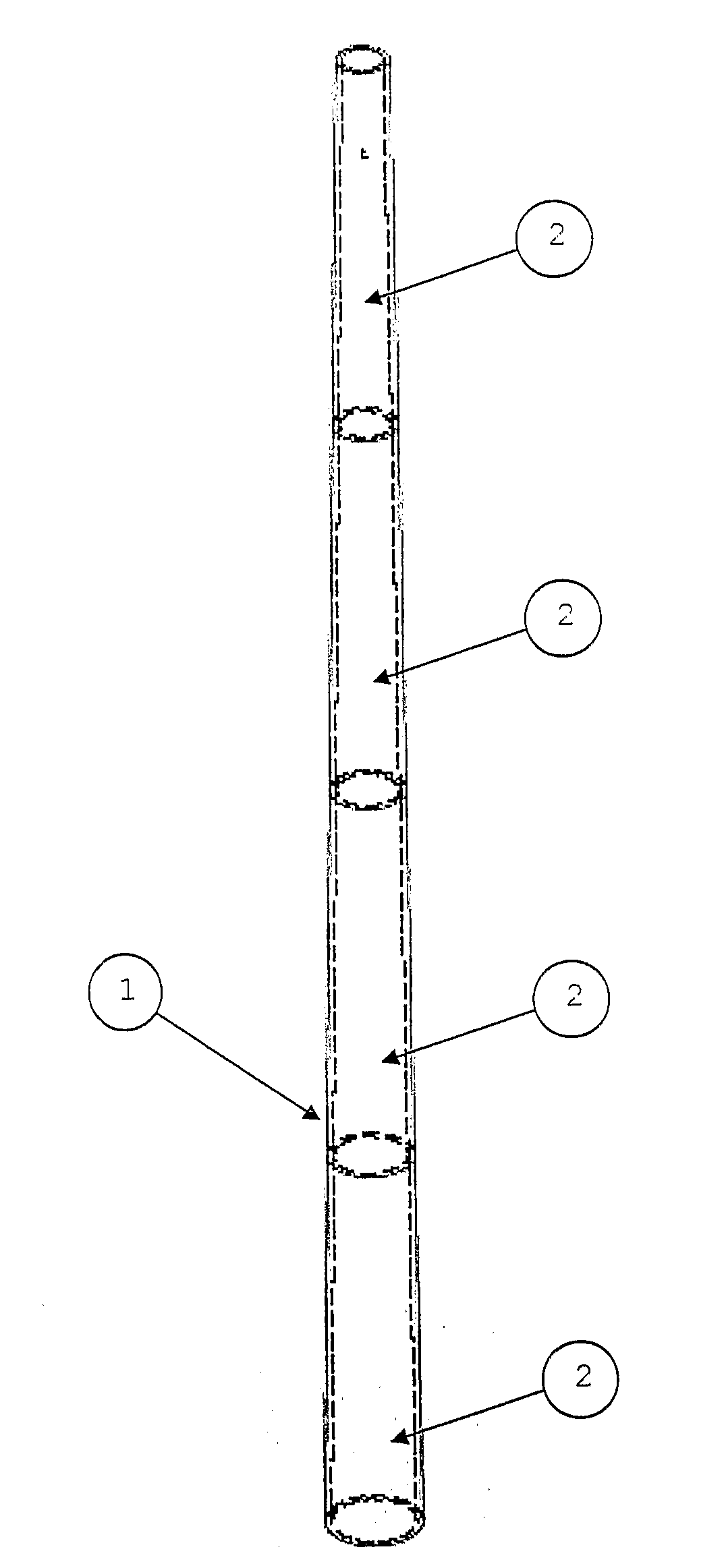
Figure 1 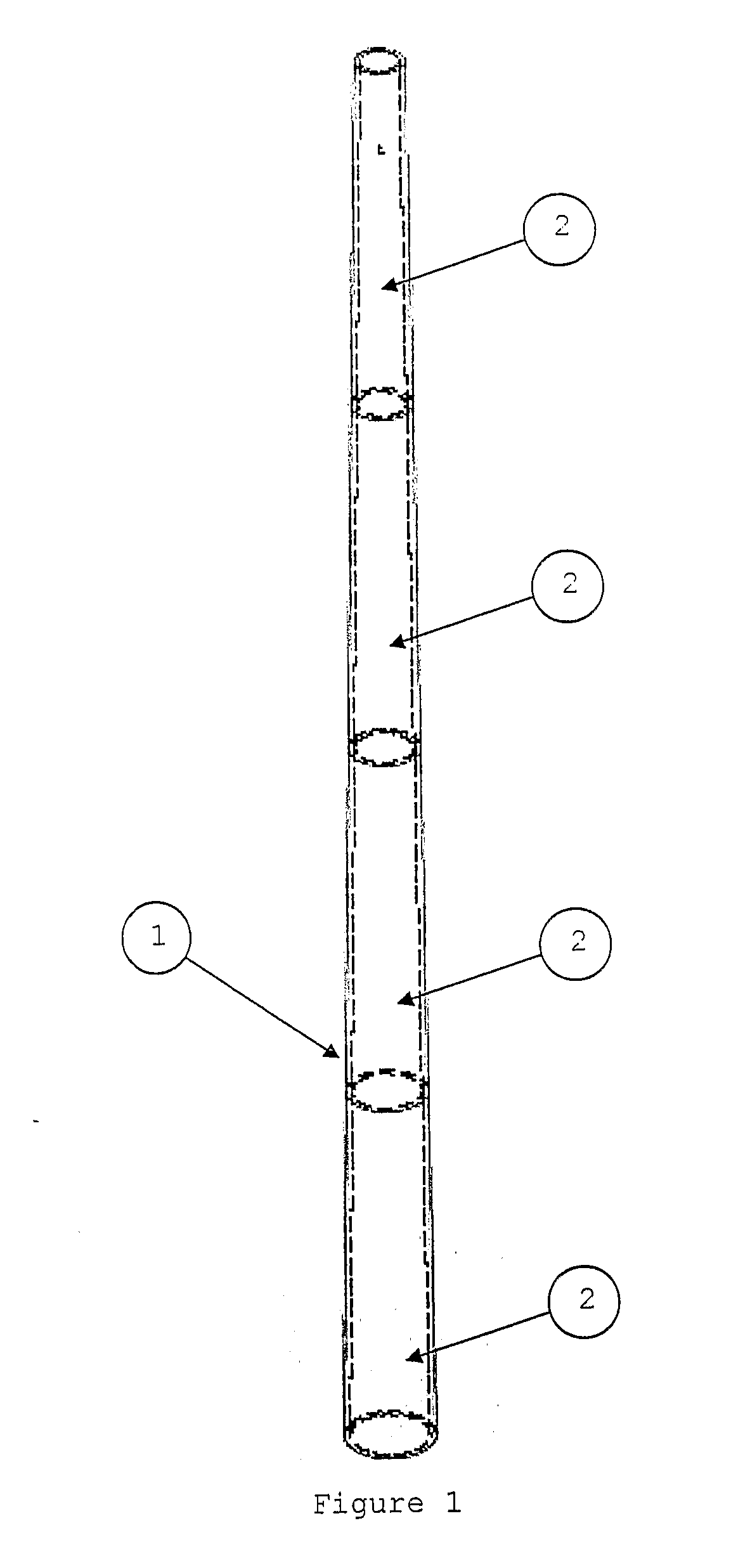
Figure 2 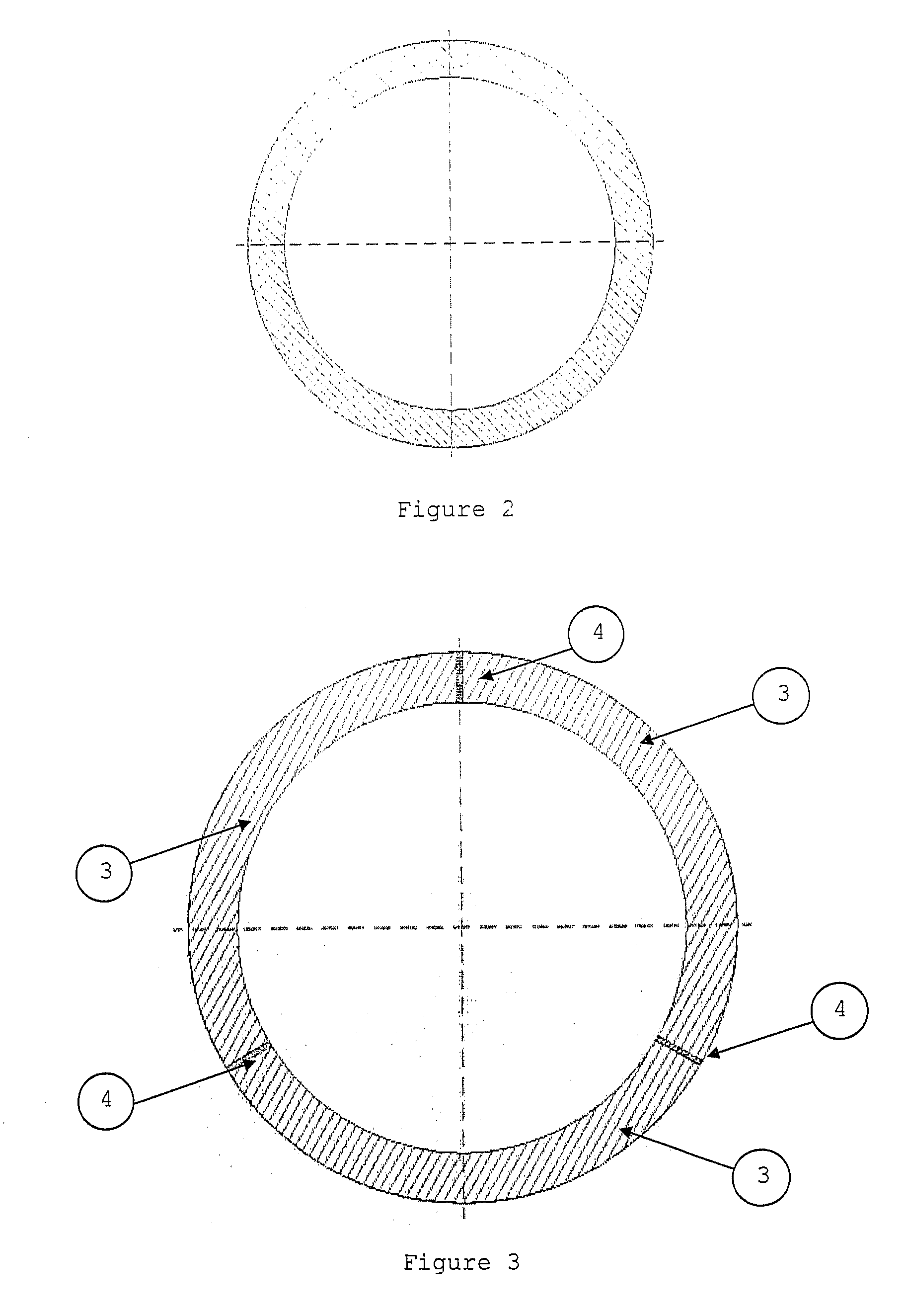
Figure 3
Abstract
Description
TECHNICAL DOMAIN
[0001] The present invention relates to towers for wind generators or other large structural applications and applies a new construction concept, based on polymeric concrete.STATE OF THE ART
[0002] Wind generators have gained wide acceptance as an alternative source for the production of renewable and clean energy. In recent years, state of the art wind energy converters had a dramatic development in energy output / production, by using longer blades and more powerful generators. Rotor diameter of state of the art units has reached 120 m and generator power has reached 5 MW. Wind generators are supported to a convenient height by towers, in order to expose them to a convenient wind flow and prevent interaction between the rotor blades and the ground. The towers themselves are adequately attached to the foundations. The development trend described above requires increased hub height, and tower height for the same state of the art unit has reached 120 m.
[0003] These towers m...
Examples
Embodiment Construction
[0022]The tower, according to the invention, is built of two or more superimposed ring sections in conical or cylindrical form, each ring being built of one or more shell segments, these segments are joined by means of mechanical and / or chemical bonding and made of pre-cast polymeric concrete.
[0023]The segments are moulded after mixture of the binder and filler materials, as described above. The binder is a thermosetting resin like polyester resin, epoxy resin, phenolic resin, vinyl ester resin or others. Before filling the moulds with polymer concrete, chopped fibres mixed with the thermosetting resin can be sprayed onto the mould external wall, to enhance the tensile resistance of the segment.
[0024]The rings have specially designed ends in order to assemble into each other when building a tower. Between two superimposed rings, as seen in FIG. 4, the one in the bottom has the top end shaped like a step with, from the interior to the exterior, first a bottom horizontal surface (12),...