
Microfluidic apparatuses and methods of use thereof in mixing
Patent Information
- Authority / Receiving Office
- US · United States
- Current Assignee / Owner
- Publication Date
- 2021-10-21
Smart Images
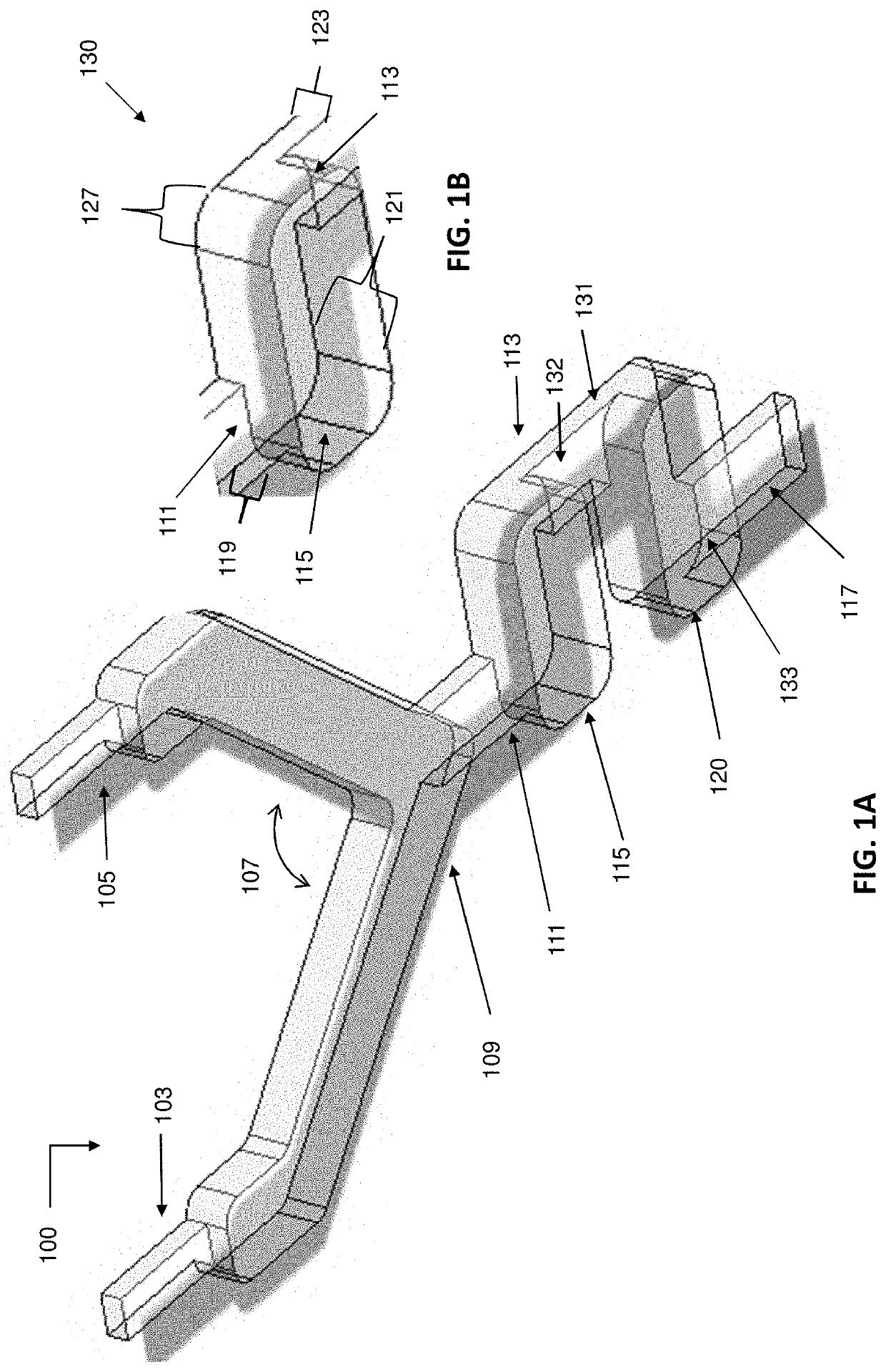
Figure 1 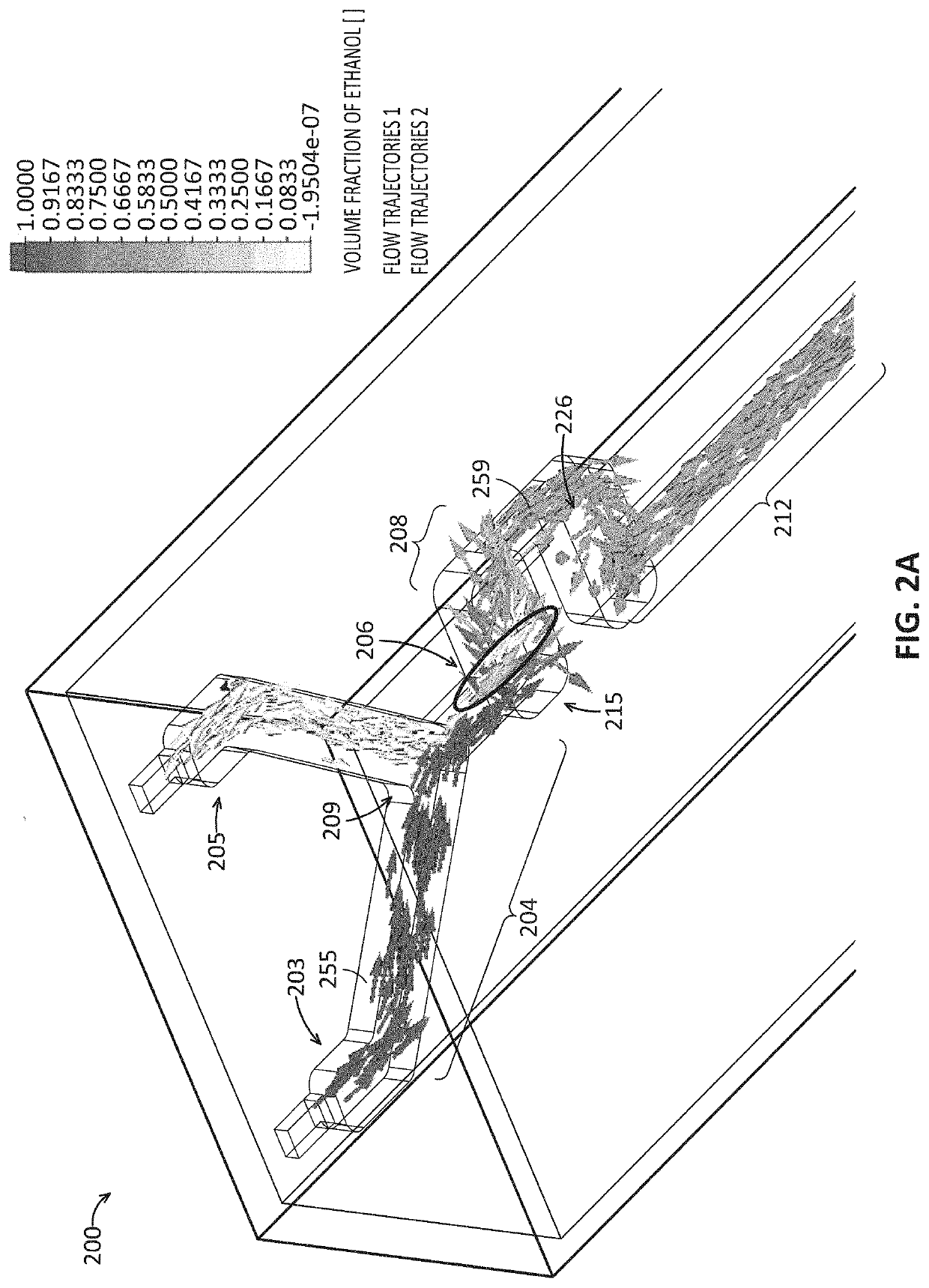
Figure 2 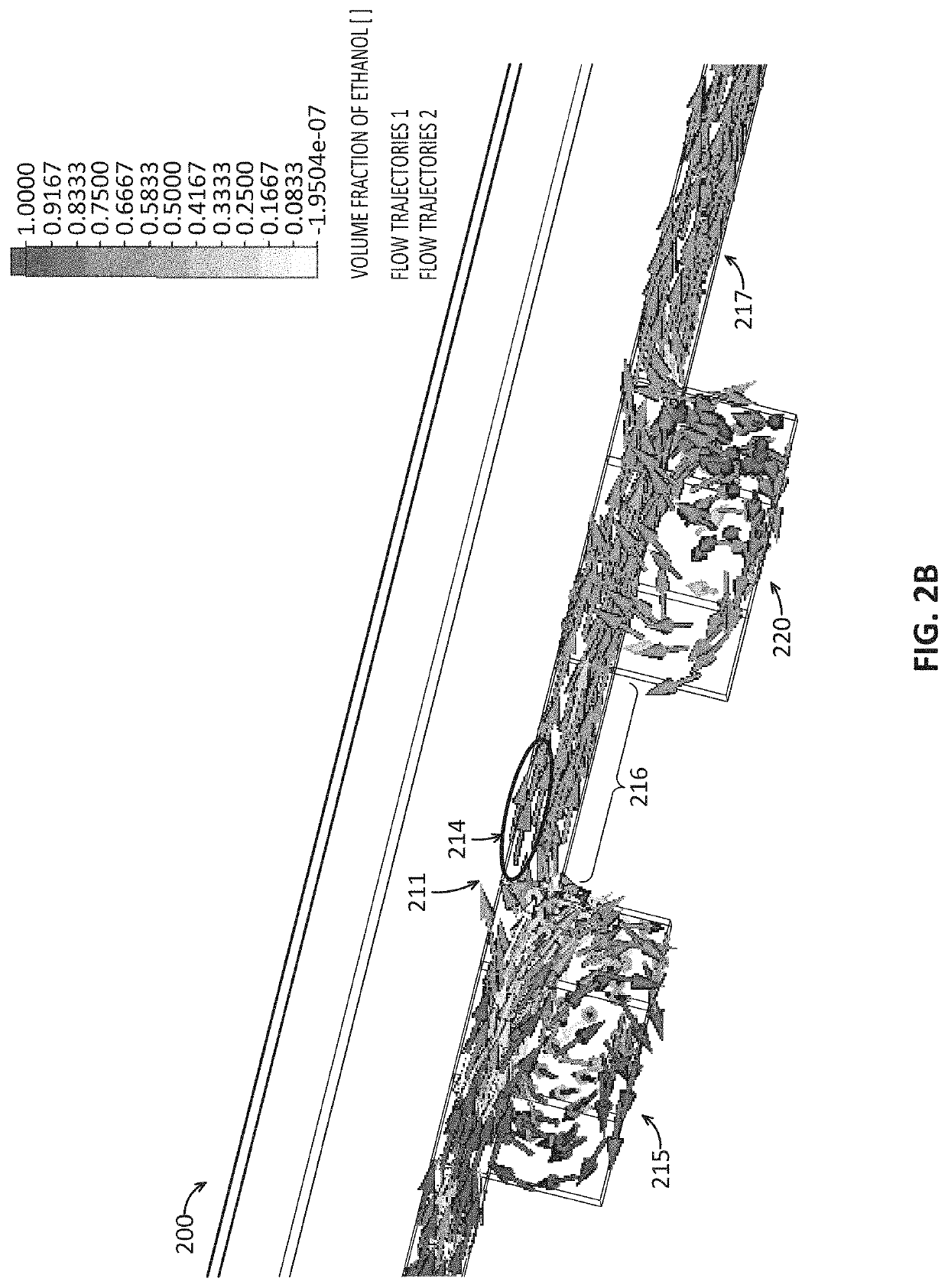
Figure 3
Abstract
Description
CROSS REFERENCE TO RELATED APPLICATIONS
[0001] This application claims priority to U.S. provisional patent application No. 62 / 953,102, filed, Dec. 23, 2019, and titled “MICROFLUIDIC APPARATUS AND METHODS OF USE THEREOF,” which is herein incorporated by reference in its entirety.INCORPORATION BY REFERENCE
[0002] All publications and patent applications mentioned in this specification are herein incorporated by reference in their entirety to the same extent as if each individual publication or patent application was specifically and individually indicated to be incorporated by reference.BACKGROUND
[0003] Currently available technologies for manufacturing and formulating polynucleotide therapeutics, particularly mRNA therapeutics, often expose the products to contamination and degradation. Currently available centralized production can be too costly, too slow, and susceptible to contamination for use in therapeutic formulations possibly including multiple polynucleotide species. Development ...
Examples
Embodiment Construction
[0133]In general, described herein are apparatuses (e.g., systems, devices, etc.) and methods for processing fluid mixtures, including but not limited to therapeutic polynucleotides. In particular, described herein are mixing apparatuses that may mix materials in a microfluidic apparatus more quickly and efficiently, using less microfluidic space, than previously described microfluidic mixers. Any of the mixing apparatuses described herein may include one or more mixers, which may be referred to as box mixers or vortex mixers; which may be connected in series and may be included as part of a microfluidic apparatus. For example, any of these apparatuses and methods may be used as part of a closed path microfluidic apparatus and method that may be configured to minimize, and in some instances even eliminate, manual handling. A closed path apparatus and method may provide a substantially aseptic environment and may form a sterile path for processing from initial input (e.g., template) ...