
Photothermographic material
a technology of photothermographic materials and materials, applied in the field of photothermographic materials, to achieve the effect of preventing abrasion marks
Patent Information
- Authority / Receiving Office
- US · United States
- Patent Type
- Patents(United States)
- Current Assignee / Owner
- Publication Date
- 2009-03-17
- Estimated Expiration
- Not applicable · inactive patent
Smart Images
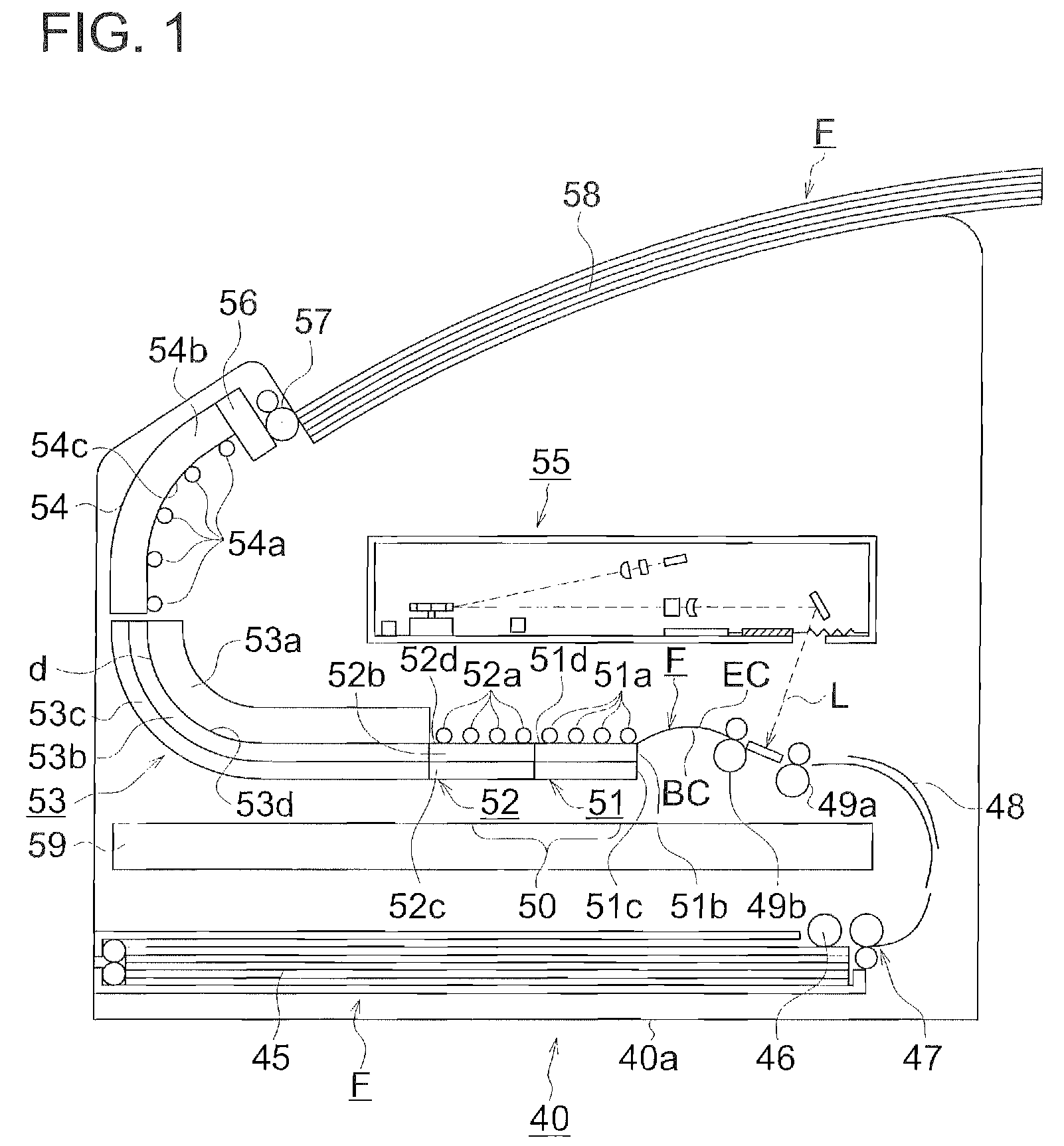
Figure 1 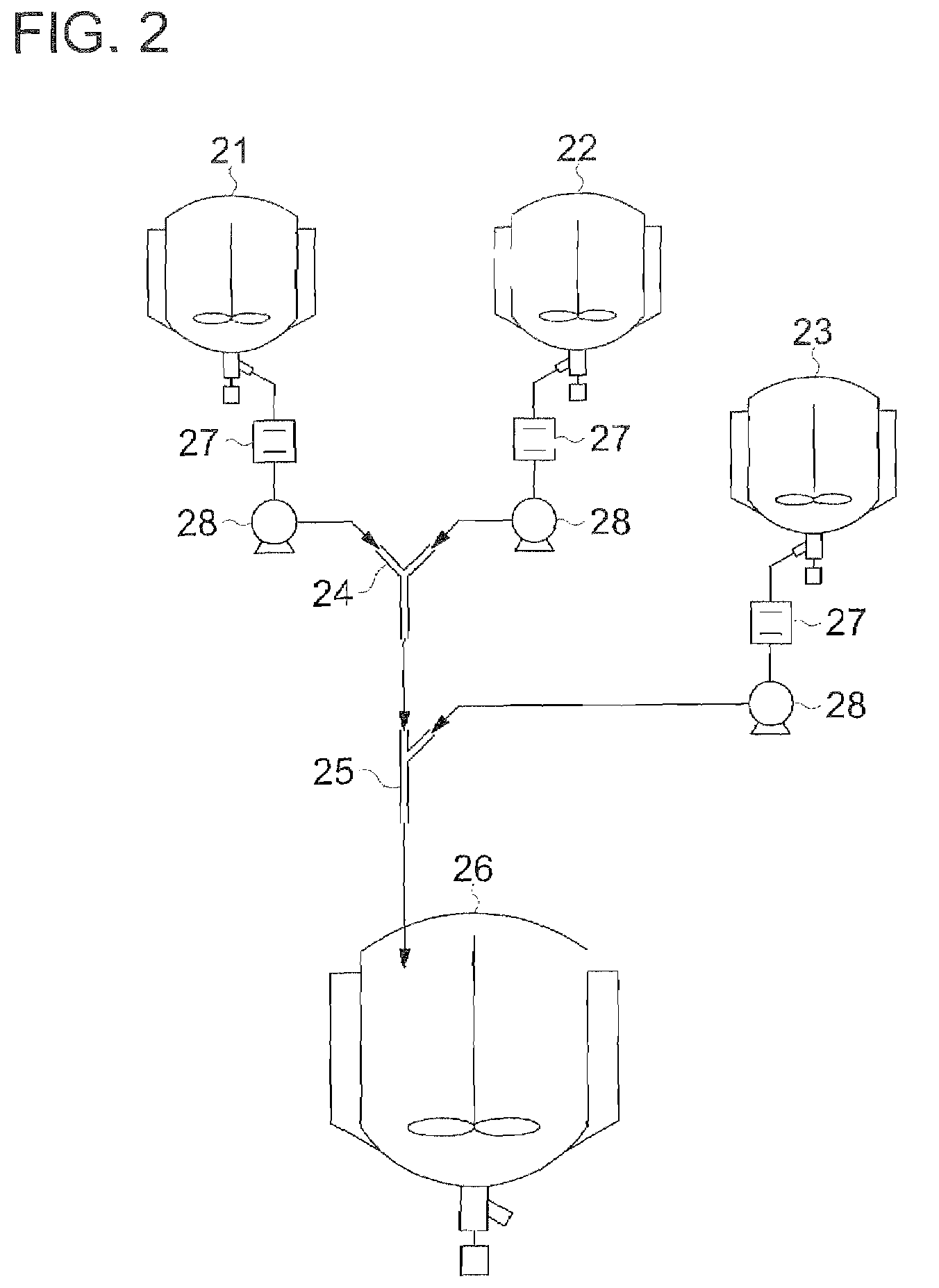
Figure 2 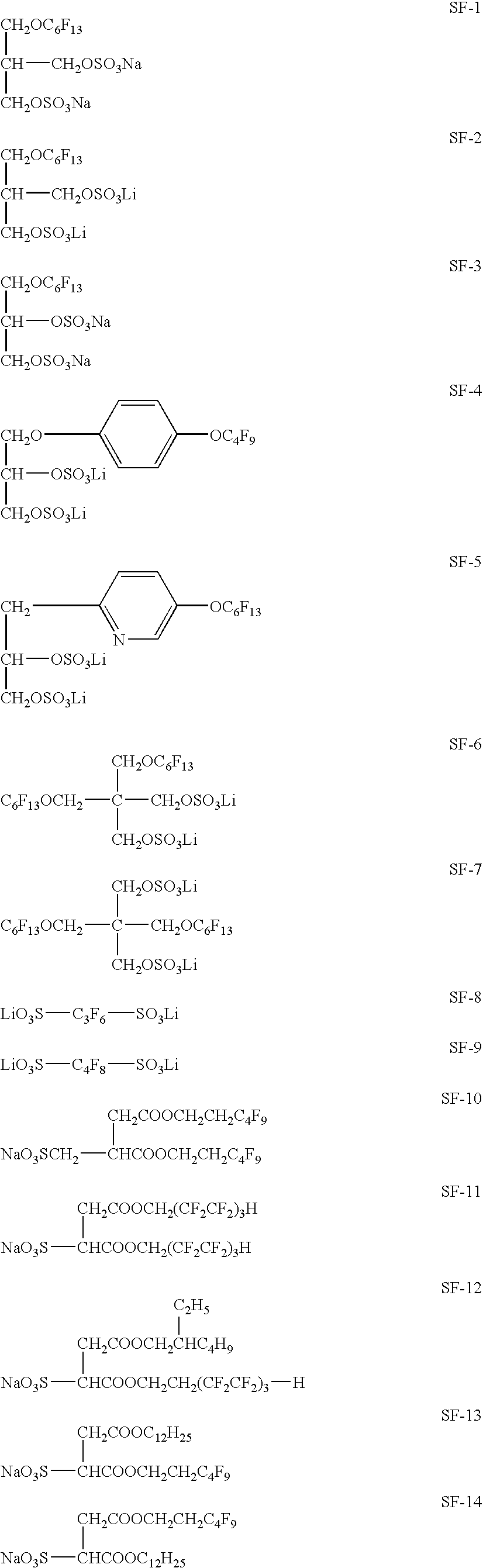
Figure 3
Abstract
Description
[0001] This application claims priority from Japanese Patent Application No. JP2007-023895 filed on Feb. 2, 2007, which is incorporated hereinto by reference.FIELD OF THE INVENTION
[0002] The present invention relates to a photothermographic material and in particular to a photothermographic material comprising on one side of a support a light-sensitive layer comprising a light-sensitive silver halide, a light-insensitive aliphatic carboxylic acid silver salt, a reducing agent and a binder and on both sides of the support light-insensitive layers.FIELD OF THE INVENTION
[0003] In the fields of medical diagnosis and graphic arts, there have been concerns in processing of photographic film with respect to effluent produced from wet-processing of image forming materials, and recently, reduction of the processing effluent has been strongly demanded in terms of environmental protection and space saving. Accordingly, thermally developable photothermographic materials which can form images only ...
Examples
example 1
[0428]A photothermographic material was prepared according to the following procedure.
Preparation of Subbed Photographic Support:
[0429]A photographic support comprised of a 175 μm thick biaxially oriented polyethylene terephthalate film blue tinted at an optical density of 0.170 (determined by Densitometer PDA-65, manufactured by Konica Corp.) which had been subjected to corona discharge treatment of 8 W·minute / m2 on both sides, was subjected to subbing. Namely, subbing liquid coating composition a-1 was applied onto one side f the above photographic support at 22° C. and 100 m / minute to result in a dried layer thickness of 0.2 μm and dried at 140° C., whereby a subbing layer on the light-sensitive layer side (designated as Subbing Layer A-1) was formed. Further, subbing liquid coating composition b-1 described below was applied, as a backing layer subbing layer, onto the opposite side at 22° C. and 100 m / minute to result in a dry layer thickness of 0.12 μm and dried at 140° C. An e...