
Hybrid technique for the conversion/removal of contaminants in alcohol-water or like medium
a technology of alcohol-water or like medium and hybrid technology, which is applied in the field of surface interaction purification of liquids, can solve the problems of limiting the utility of distillation, affecting the efficiency of distillation, and affecting the quality of alcohol,
Patent Information
- Authority / Receiving Office
- US · United States
- Patent Type
- Patents(United States)
- Current Assignee / Owner
- Publication Date
- 2015-12-01
Smart Images
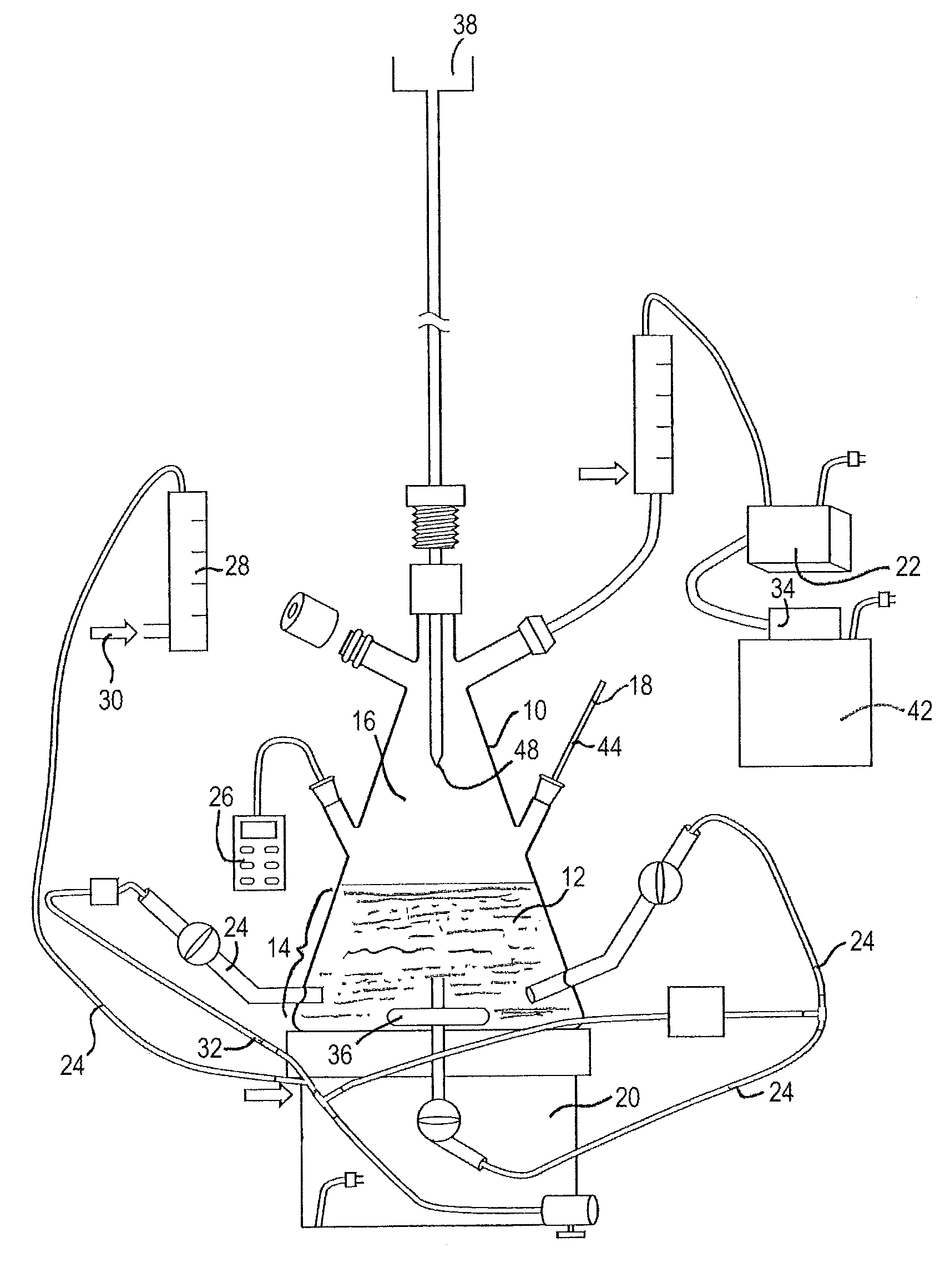
Figure 1 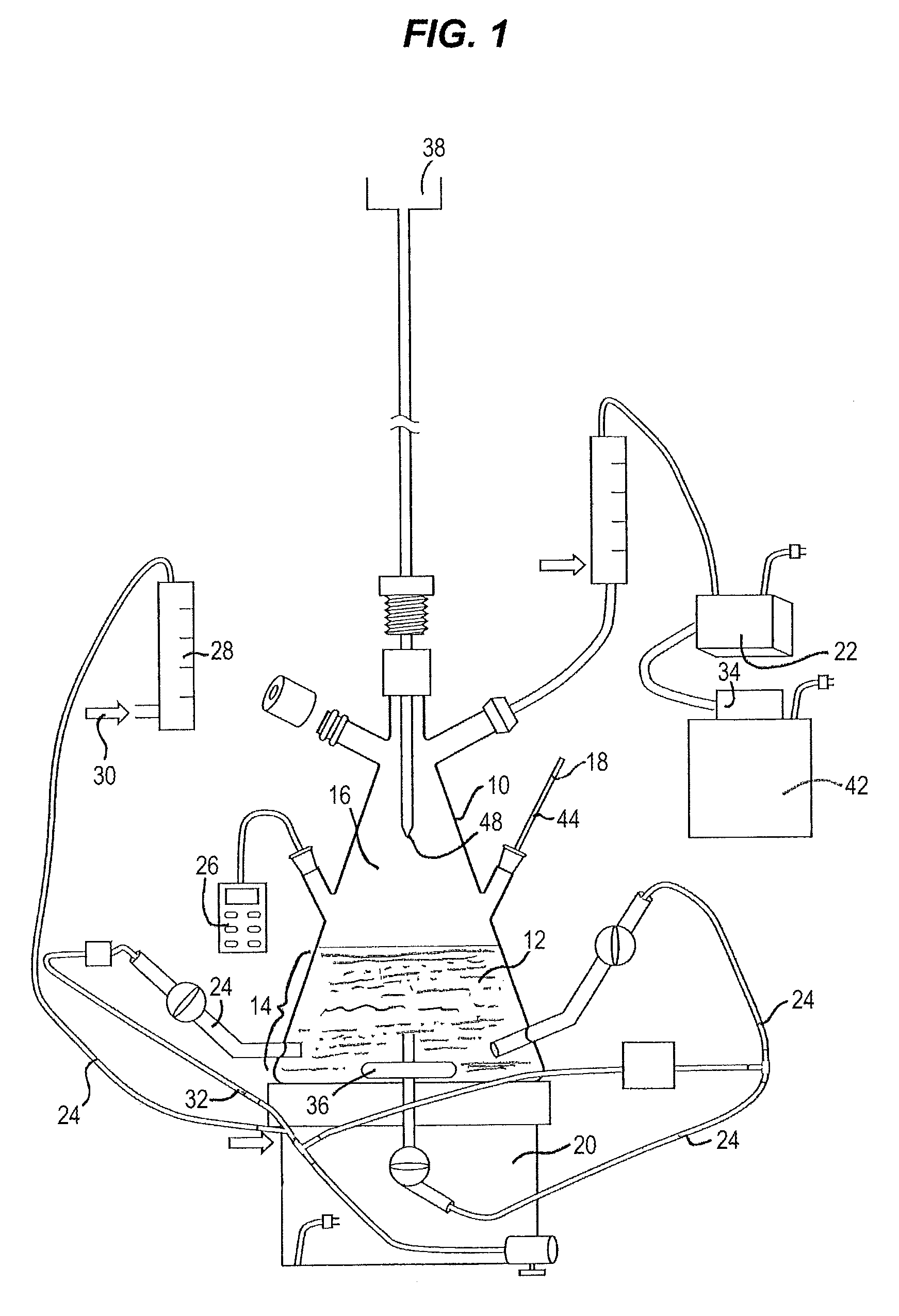
Figure 2 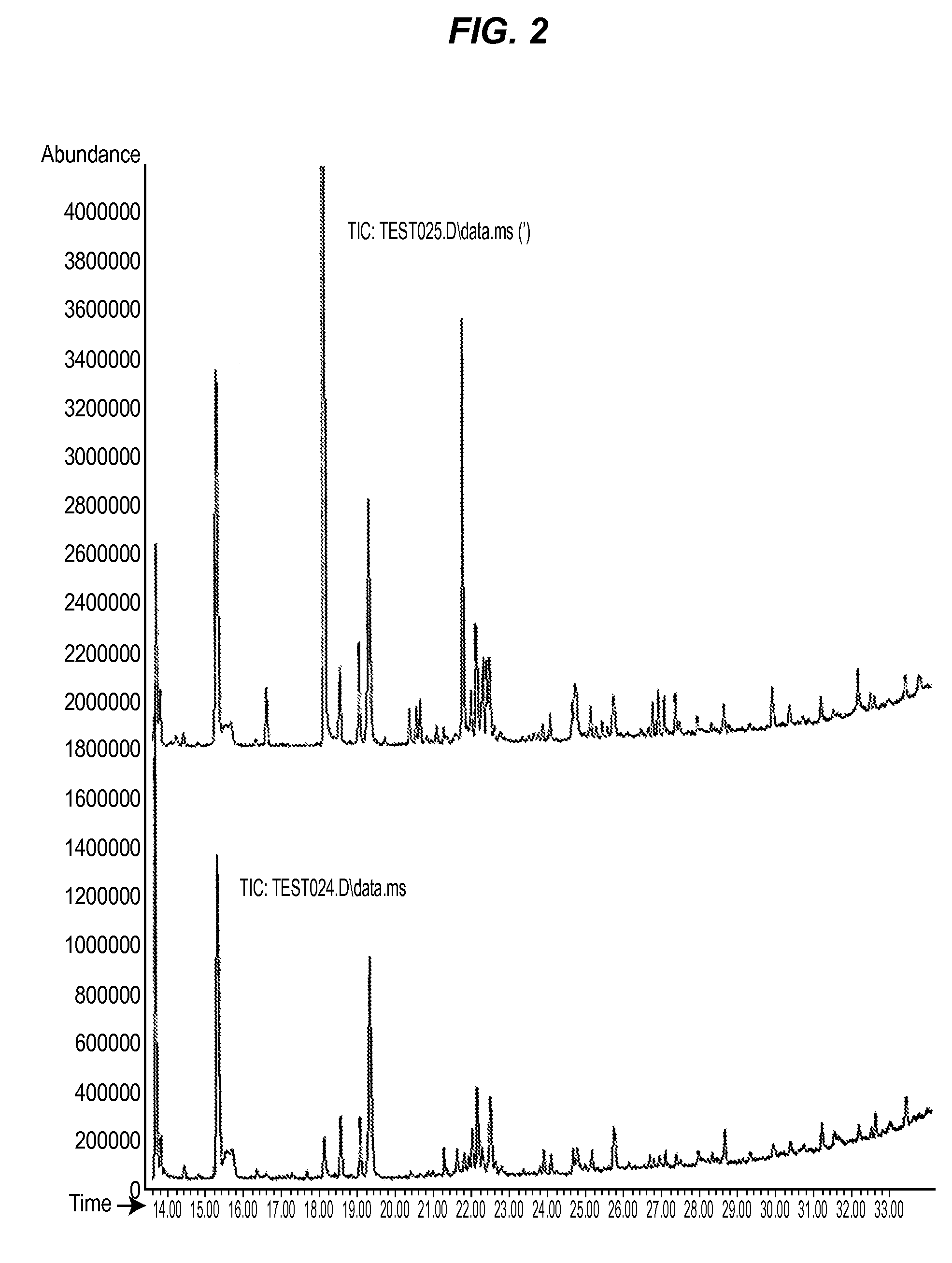
Figure 3
Abstract
Description
FIELD OF THE DISCLOSURE
[0001] This disclosure relates generally to the purification of liquids by surface interaction effects and, more specifically, to an apparatus and process of treating for converting contaminants in alcohols to forms less objectionable to humans. One use of this apparatus and process is to remove from drinking alcohol contaminants, including congeners, which cause hangovers and illness in humans; the removal of contaminants from drinking alcohol also modifies its taste to humans. Another application is in the production of ethanol, with reduced levels of co-distilling fermentation-by products, for use as an oxygenate in fuels. Not only can this apparatus and process remove objectionable fermentation by-, but it can also minimize, eliminate or supplement the costly processes of distillation, azeotropic distillation using added solvents, reverse osmosis and molecular-sieve adsorption, as well as other industrial separation techniques. After treatment, the proof of...
Examples
example 1
[0061]TAAKA™, an inexpensive, commercial retail vodka produced by Sazerec Company with a broad class of congeners, understood from the Sazerec Company's Internet website to be four-times distilled, generally regarded to be of “bottom-shelf” quality, was treated using the apparatus and method of the present disclosure.
[0062]TAAKA™ vodka (which typically receives less favorable placement on retail shelf and has a relatively low retail cost when compared to so-called “top-shelf” vodkas) was effectively treated in 20 minutes using the process described herein in two stages.
[0063]Initially, 25 mL of an untreated 1.75 L bottle of TAAKA™ vodka was set aside for comparative purposes. This sample was subjected to SPME (Solid Phase Micro-Extraction) GC-MS (gas chromatography / mass spectrometry) analysis in order to characterize the presence and abundance of certain contaminants, such as congeners. The data obtained was interpreted in quantifiable terms and is presented in Table 1 under the lab...
example 2
[0074]A grain-derived ethanol manufactured at the Bushmills Ethanol Distillery, Atwater, Mn and intended for use as a fuel oxygenate, as received from the plant at the final distillation stage for the production at 190 proof prior to drying was treated using the process of the preferred embodiment. Three phases of treatment were employed, an oxidative phase B, an energetic phase C and a reactive / extractive phase D. Samples were taken from the apparatus after the completion of each phase and were analyzed by SPME GC-MS. One hundred and nine compounds were identified by SPME GC-MS, showing a very high level of contamination for this industrial alcohol. Compounds appearing unexpectedly at high concentrations were confirmed to include contaminants of laboratory air used in the process, readily removed in a production implementation. Exemplary congeners identified in 190 proof corn ethanol are disclosed in Table 2.
[0075]
TABLE 21-butanol1-butanol, 3-methyl, acetate1,1-diethoxy hexane1,3-b...
example 3
[0079]JOSE CUERVO GOLD™, a popular but low- to middle-grade tequila, was treated with the process of the preferred embodiment of the present disclosure. This beverage is unlike more expensive tequilas which are more completely aged, distilled and filtered, and which are understood to contain less metabolically impactful, “hangover” producing congeners. Tequilas like JOSE CUERVO GOLD™ can be highly chemically variable depending on the source of fermented agave. Certain compounds which appear to increase were verified to be contaminants of laboratory air used in the process and were excluded from consideration, which contaminants would be readily removed in a production application. Compounds below the limit of detection are shown as zero peak area. A substantial reduction in many congeners results in the treatment process. The flavor of these amber Reposado (“rested” or wood aged) tequilas was also found in taste tests to benefit from application of this process of the preferred embo...