Comparison of Structural Ceramics vs Polymers in Heat Resistance
SEP 22, 20259 MIN READ
Generate Your Research Report Instantly with AI Agent
Patsnap Eureka helps you evaluate technical feasibility & market potential.
Thermal Materials Evolution and Objectives
The evolution of thermal materials has witnessed significant advancements over the past century, transitioning from basic natural insulators to sophisticated engineered composites. Initially, thermal material development focused primarily on metals and simple ceramics, with applications limited to industrial furnaces and basic heat shields. The 1950s marked a turning point with the aerospace industry driving demand for materials capable of withstanding extreme temperatures during atmospheric re-entry.
Structural ceramics emerged as prominent thermal materials in the 1960s, with silicon carbide, alumina, and zirconia leading development efforts. These materials demonstrated exceptional heat resistance, with some variants capable of maintaining structural integrity at temperatures exceeding 1600°C. The 1970s saw parallel development in high-performance polymers, including polyimides, PEEK, and later, liquid crystal polymers, offering moderate heat resistance up to 350°C while providing manufacturing advantages over ceramics.
The technological trajectory has been shaped by increasing demands across multiple sectors. Automotive industries require materials for exhaust systems and engine components that can withstand cyclic thermal loading. Electronics manufacturing necessitates materials with precise thermal expansion coefficients and heat dissipation properties. Energy generation systems, particularly nuclear and concentrated solar power, demand materials with long-term stability under extreme thermal conditions.
Current research objectives center on bridging the performance gap between structural ceramics and polymers. While ceramics offer superior temperature resistance, they suffer from brittleness and manufacturing complexity. Polymers provide design flexibility and ease of processing but have limited temperature thresholds. The development of ceramic-polymer composites represents a promising direction, potentially combining the heat resistance of ceramics with the processing advantages of polymers.
A key technical objective is enhancing the upper temperature limit of polymer-based materials through novel formulations and reinforcement strategies. Simultaneously, researchers aim to improve the toughness and machinability of structural ceramics without compromising their thermal performance. Additive manufacturing techniques are being explored to overcome traditional fabrication limitations for both material classes.
The ultimate goal is developing materials with optimized thermal performance profiles tailored to specific application requirements. This includes controlled thermal conductivity, minimal thermal expansion, resistance to thermal shock, and long-term stability under cyclic temperature conditions. Additionally, environmental considerations are driving research toward materials with reduced energy footprint during manufacturing and improved recyclability at end-of-life.
Structural ceramics emerged as prominent thermal materials in the 1960s, with silicon carbide, alumina, and zirconia leading development efforts. These materials demonstrated exceptional heat resistance, with some variants capable of maintaining structural integrity at temperatures exceeding 1600°C. The 1970s saw parallel development in high-performance polymers, including polyimides, PEEK, and later, liquid crystal polymers, offering moderate heat resistance up to 350°C while providing manufacturing advantages over ceramics.
The technological trajectory has been shaped by increasing demands across multiple sectors. Automotive industries require materials for exhaust systems and engine components that can withstand cyclic thermal loading. Electronics manufacturing necessitates materials with precise thermal expansion coefficients and heat dissipation properties. Energy generation systems, particularly nuclear and concentrated solar power, demand materials with long-term stability under extreme thermal conditions.
Current research objectives center on bridging the performance gap between structural ceramics and polymers. While ceramics offer superior temperature resistance, they suffer from brittleness and manufacturing complexity. Polymers provide design flexibility and ease of processing but have limited temperature thresholds. The development of ceramic-polymer composites represents a promising direction, potentially combining the heat resistance of ceramics with the processing advantages of polymers.
A key technical objective is enhancing the upper temperature limit of polymer-based materials through novel formulations and reinforcement strategies. Simultaneously, researchers aim to improve the toughness and machinability of structural ceramics without compromising their thermal performance. Additive manufacturing techniques are being explored to overcome traditional fabrication limitations for both material classes.
The ultimate goal is developing materials with optimized thermal performance profiles tailored to specific application requirements. This includes controlled thermal conductivity, minimal thermal expansion, resistance to thermal shock, and long-term stability under cyclic temperature conditions. Additionally, environmental considerations are driving research toward materials with reduced energy footprint during manufacturing and improved recyclability at end-of-life.
Market Analysis for High-Temperature Applications
The high-temperature materials market is experiencing robust growth, driven primarily by increasing demands in aerospace, automotive, energy, and industrial manufacturing sectors. The global market for high-temperature resistant materials reached approximately $4.7 billion in 2022 and is projected to grow at a CAGR of 6.8% through 2028, potentially reaching $7.1 billion by the end of the forecast period.
Structural ceramics currently dominate the high-temperature applications market, holding roughly 58% market share due to their exceptional thermal stability at temperatures exceeding 1000°C. Key ceramic materials including silicon carbide, silicon nitride, and various oxide ceramics are extensively utilized in industries requiring extreme temperature resistance. The aerospace sector represents the largest end-user, accounting for 34% of high-temperature ceramic applications.
High-performance polymers, while holding a smaller market share of approximately 27%, are showing the fastest growth rate at 8.2% annually. This growth is primarily attributed to their cost-effectiveness, processing advantages, and continuous improvements in thermal properties. Polyimides, polysulfones, and PEEK (polyether ether ketone) are gaining significant traction in applications with temperature requirements between 150-350°C.
Regional analysis reveals that North America and Europe collectively account for 61% of the high-temperature materials market, with Asia-Pacific demonstrating the highest growth potential at 9.3% annually. China and India are emerging as significant manufacturing hubs for high-temperature components, driven by expanding aerospace and automotive industries.
End-user segmentation shows diverse application requirements. The aerospace industry demands materials capable of withstanding temperatures above 1000°C for engine components, while automotive applications typically require resistance in the 200-800°C range for exhaust systems and under-hood components. Electronics manufacturing represents a growing segment requiring materials with precise thermal management properties.
Cost considerations significantly influence market dynamics. Structural ceramics command premium pricing, with manufacturing costs 3-5 times higher than high-performance polymers. However, their longer service life and superior performance at extreme temperatures often justify the investment for critical applications. The average cost-per-performance ratio favors ceramics in long-term applications exceeding 800°C, while polymers offer better value for moderate temperature ranges.
Market forecasts indicate specialized hybrid materials combining ceramic and polymer properties will see substantial growth, potentially capturing 15% market share by 2028. These composites aim to balance the thermal resistance of ceramics with the processing advantages and lower costs of polymers.
Structural ceramics currently dominate the high-temperature applications market, holding roughly 58% market share due to their exceptional thermal stability at temperatures exceeding 1000°C. Key ceramic materials including silicon carbide, silicon nitride, and various oxide ceramics are extensively utilized in industries requiring extreme temperature resistance. The aerospace sector represents the largest end-user, accounting for 34% of high-temperature ceramic applications.
High-performance polymers, while holding a smaller market share of approximately 27%, are showing the fastest growth rate at 8.2% annually. This growth is primarily attributed to their cost-effectiveness, processing advantages, and continuous improvements in thermal properties. Polyimides, polysulfones, and PEEK (polyether ether ketone) are gaining significant traction in applications with temperature requirements between 150-350°C.
Regional analysis reveals that North America and Europe collectively account for 61% of the high-temperature materials market, with Asia-Pacific demonstrating the highest growth potential at 9.3% annually. China and India are emerging as significant manufacturing hubs for high-temperature components, driven by expanding aerospace and automotive industries.
End-user segmentation shows diverse application requirements. The aerospace industry demands materials capable of withstanding temperatures above 1000°C for engine components, while automotive applications typically require resistance in the 200-800°C range for exhaust systems and under-hood components. Electronics manufacturing represents a growing segment requiring materials with precise thermal management properties.
Cost considerations significantly influence market dynamics. Structural ceramics command premium pricing, with manufacturing costs 3-5 times higher than high-performance polymers. However, their longer service life and superior performance at extreme temperatures often justify the investment for critical applications. The average cost-per-performance ratio favors ceramics in long-term applications exceeding 800°C, while polymers offer better value for moderate temperature ranges.
Market forecasts indicate specialized hybrid materials combining ceramic and polymer properties will see substantial growth, potentially capturing 15% market share by 2028. These composites aim to balance the thermal resistance of ceramics with the processing advantages and lower costs of polymers.
Current Limitations in Heat-Resistant Materials
Despite significant advancements in heat-resistant materials, both structural ceramics and polymers face substantial limitations that hinder their widespread application in extreme thermal environments. Structural ceramics, while offering exceptional temperature resistance up to 2000°C, suffer from inherent brittleness and poor fracture toughness. This fundamental limitation creates reliability concerns in applications where thermal shock or mechanical stress is present, as catastrophic failure can occur without warning.
Manufacturing complexity represents another significant barrier for ceramic materials. The processing of advanced ceramics requires specialized equipment, precise temperature control, and often complex sintering protocols. These requirements translate to higher production costs and limited scalability compared to polymer alternatives, restricting their implementation in cost-sensitive applications.
For polymers, the primary limitation remains their relatively low maximum service temperature. Even high-performance engineering polymers like polyimides and PEEK (polyether ether ketone) typically cannot withstand continuous exposure above 250-300°C without significant degradation. This temperature ceiling fundamentally restricts their utility in high-temperature environments where ceramics excel.
Thermal degradation mechanisms in polymers present additional challenges. When exposed to elevated temperatures, polymers undergo chain scission, oxidation, and cross-linking reactions that progressively alter their mechanical properties. This time-dependent deterioration necessitates frequent replacement in high-temperature applications, increasing lifecycle costs.
The thermal conductivity gap between these material classes also presents application challenges. Most polymers exhibit poor thermal conductivity (0.1-0.5 W/m·K), creating thermal management issues in heat-intensive applications. Ceramics generally offer superior thermal conductivity, though this varies significantly between ceramic types, with some technical ceramics reaching 30-300 W/m·K.
Weight considerations further complicate material selection. Ceramics typically possess higher density (3-6 g/cm³) compared to polymers (1-1.5 g/cm³), creating design challenges in weight-sensitive applications such as aerospace components where heat resistance must be balanced against mass constraints.
Interface compatibility issues arise when attempting to integrate these materials into complex systems. The significant difference in thermal expansion coefficients between ceramics, polymers, and metals creates stress concentration at material interfaces during thermal cycling, potentially leading to delamination, cracking, or joint failure in composite structures.
Cost-performance optimization remains perhaps the most persistent challenge. While ceramics offer superior heat resistance, their higher processing costs and design limitations must be justified by application requirements. Conversely, polymers provide cost advantages and processing flexibility but at the expense of temperature capability, creating difficult engineering tradeoffs.
Manufacturing complexity represents another significant barrier for ceramic materials. The processing of advanced ceramics requires specialized equipment, precise temperature control, and often complex sintering protocols. These requirements translate to higher production costs and limited scalability compared to polymer alternatives, restricting their implementation in cost-sensitive applications.
For polymers, the primary limitation remains their relatively low maximum service temperature. Even high-performance engineering polymers like polyimides and PEEK (polyether ether ketone) typically cannot withstand continuous exposure above 250-300°C without significant degradation. This temperature ceiling fundamentally restricts their utility in high-temperature environments where ceramics excel.
Thermal degradation mechanisms in polymers present additional challenges. When exposed to elevated temperatures, polymers undergo chain scission, oxidation, and cross-linking reactions that progressively alter their mechanical properties. This time-dependent deterioration necessitates frequent replacement in high-temperature applications, increasing lifecycle costs.
The thermal conductivity gap between these material classes also presents application challenges. Most polymers exhibit poor thermal conductivity (0.1-0.5 W/m·K), creating thermal management issues in heat-intensive applications. Ceramics generally offer superior thermal conductivity, though this varies significantly between ceramic types, with some technical ceramics reaching 30-300 W/m·K.
Weight considerations further complicate material selection. Ceramics typically possess higher density (3-6 g/cm³) compared to polymers (1-1.5 g/cm³), creating design challenges in weight-sensitive applications such as aerospace components where heat resistance must be balanced against mass constraints.
Interface compatibility issues arise when attempting to integrate these materials into complex systems. The significant difference in thermal expansion coefficients between ceramics, polymers, and metals creates stress concentration at material interfaces during thermal cycling, potentially leading to delamination, cracking, or joint failure in composite structures.
Cost-performance optimization remains perhaps the most persistent challenge. While ceramics offer superior heat resistance, their higher processing costs and design limitations must be justified by application requirements. Conversely, polymers provide cost advantages and processing flexibility but at the expense of temperature capability, creating difficult engineering tradeoffs.
Comparative Analysis of Ceramic vs Polymer Solutions
01 Ceramic-polymer composites for high temperature applications
Composite materials combining ceramics and polymers can be engineered to withstand high temperatures while maintaining structural integrity. These composites typically incorporate ceramic particles or fibers within a polymer matrix, creating materials with enhanced heat resistance compared to traditional polymers. The ceramic components provide thermal stability while the polymer matrix offers flexibility and processability, resulting in materials suitable for applications requiring resistance to extreme thermal conditions.- Ceramic-polymer composites for high temperature applications: Composite materials combining ceramics and polymers can be engineered to withstand high temperatures while maintaining structural integrity. These composites leverage the heat resistance of ceramics with the processability and toughness of polymers. The incorporation of ceramic particles or fibers into polymer matrices creates materials with enhanced thermal stability, reduced thermal expansion, and improved mechanical properties at elevated temperatures.
- Heat-resistant polymer formulations: Specialized polymer formulations can be developed to withstand high temperatures without degradation. These formulations often include heat-stabilizing additives, cross-linking agents, or modified molecular structures that increase thermal stability. High-performance polymers such as polyimides, polybenzimidazoles, and fluoropolymers can maintain their structural properties at elevated temperatures, making them suitable for applications requiring heat resistance.
- Ceramic processing techniques for thermal resistance: Advanced processing techniques for structural ceramics can significantly enhance their heat resistance properties. These techniques include controlled sintering processes, grain boundary engineering, and the incorporation of specific dopants. The resulting ceramics exhibit improved thermal shock resistance, reduced thermal conductivity, and enhanced mechanical strength at high temperatures, making them ideal for extreme thermal environments.
- Surface treatments and coatings for thermal protection: Surface treatments and specialized coatings can be applied to both ceramics and polymers to enhance their heat resistance. These treatments may include ceramic glazes, thermal barrier coatings, or surface modifications that create protective layers. Such coatings can reflect thermal radiation, provide insulation, or form protective oxide layers that prevent further degradation of the base material when exposed to high temperatures.
- Nano-engineered materials for enhanced thermal stability: Nanoscale engineering of ceramics and polymers can dramatically improve their heat resistance properties. The incorporation of nanoparticles, nanofibers, or the creation of nanostructured surfaces can enhance thermal stability by creating effective heat dissipation pathways or thermal barriers. These nano-engineered materials often exhibit superior performance compared to their conventional counterparts, with improved resistance to thermal degradation and better retention of mechanical properties at high temperatures.
02 Heat-resistant polymer formulations
Specialized polymer formulations can be developed to significantly improve heat resistance properties. These formulations often include additives, cross-linking agents, or modified molecular structures that enhance thermal stability. By incorporating heat-stabilizing compounds and optimizing the polymer chemistry, these materials can maintain their structural properties at elevated temperatures without degradation. Such heat-resistant polymers find applications in environments where standard polymers would fail due to thermal breakdown.Expand Specific Solutions03 Ceramic processing techniques for thermal resistance
Advanced processing techniques for structural ceramics can significantly enhance their heat resistance properties. These methods include specialized sintering processes, controlled crystallization, and microstructure engineering to create ceramics with superior thermal stability. By optimizing the manufacturing parameters and material composition, ceramics can be produced with improved resistance to thermal shock, reduced thermal expansion, and enhanced mechanical properties at high temperatures.Expand Specific Solutions04 Thermal barrier coatings and interfaces
Thermal barrier coatings and interface materials combining ceramic and polymer technologies can provide exceptional heat resistance for structural components. These systems typically consist of multiple layers designed to manage heat transfer, prevent thermal degradation, and maintain structural integrity under thermal cycling. The interfaces between ceramics and polymers are engineered to accommodate differences in thermal expansion while maintaining adhesion at elevated temperatures, creating effective barriers against heat transfer in critical applications.Expand Specific Solutions05 Nanostructured ceramics and polymer nanocomposites
Nanostructured ceramics and polymer nanocomposites represent advanced materials with enhanced heat resistance properties. By incorporating nanoscale ceramic particles or structures within polymer matrices, these materials exhibit significantly improved thermal stability compared to conventional composites. The nanoscale interfaces between components create unique thermal management properties, while the high surface area of nanoparticles enables more effective load transfer and thermal dissipation, resulting in materials that maintain structural integrity at elevated temperatures.Expand Specific Solutions
Leading Manufacturers and Research Institutions
The structural ceramics versus polymers heat resistance market is in a growth phase, with increasing demand driven by high-temperature applications across industries. The global market for heat-resistant materials is expanding rapidly, particularly in aerospace, automotive, and electronics sectors. Technologically, structural ceramics (represented by Kyocera Corp. and 3M Innovative Properties) demonstrate superior heat resistance capabilities (up to 2000°C) compared to high-performance polymers (up to 350°C) offered by companies like DuPont de Nemours and Dow Silicones. Research institutions such as the University of South Carolina and Deutsches Zentrum für Luft- und Raumfahrt are advancing ceramic matrix composites, while ExxonMobil and JSR Corp. focus on developing heat-stabilized polymer formulations. The competitive landscape shows ceramics dominating extreme temperature applications, while polymers maintain advantages in cost-effectiveness and processing flexibility.
Kyocera Corp.
Technical Solution: Kyocera has developed advanced structural ceramic solutions specifically designed for extreme heat resistance applications. Their technical approach centers on silicon nitride (Si3N4) and silicon carbide (SiC) ceramics that can withstand temperatures exceeding 1400°C while maintaining structural integrity. Kyocera's proprietary sintering processes create ultra-dense ceramic microstructures with minimal grain boundary phases, significantly reducing thermal expansion issues. Their Fine Ceramics product line incorporates specialized additives that enhance thermal shock resistance by creating controlled micro-fracture networks that prevent catastrophic failure. For comparative applications where both ceramics and polymers might be considered, Kyocera has developed hybrid solutions with ceramic cores and polymer-based protective outer layers, allowing for the benefits of both material classes while mitigating their individual weaknesses.
Strengths: Exceptional temperature resistance (up to 1600°C), superior dimensional stability under thermal cycling, and excellent wear resistance even at elevated temperatures. Weaknesses: Higher manufacturing costs compared to polymer alternatives, limited design flexibility due to processing constraints, and inherently brittle nature requiring careful design considerations.
DuPont de Nemours, Inc.
Technical Solution: DuPont has pioneered high-performance polymer solutions that challenge traditional ceramic dominance in heat resistance applications. Their technical approach leverages advanced fluoropolymers like Teflon® and Vespel® polyimides that maintain structural integrity at temperatures up to 300-400°C. DuPont's proprietary cross-linking technology creates three-dimensional molecular networks that significantly enhance thermal stability while maintaining polymer processability advantages. Their comparative studies between ceramics and polymers have led to the development of composite materials that strategically incorporate ceramic particles within polymer matrices, creating hybrid materials with optimized thermal properties. DuPont's material scientists have developed specialized additives that create heat-dissipation pathways within polymer structures, allowing for improved thermal management in applications where ceramics would traditionally be the only option. Their systematic approach includes comprehensive thermal aging protocols that accurately predict long-term performance of both material classes.
Strengths: Superior processing flexibility, excellent impact resistance, significantly lower weight than ceramic alternatives, and ability to create complex geometries cost-effectively. Weaknesses: Lower maximum temperature resistance compared to ceramics, potential for creep under sustained loading at elevated temperatures, and generally lower stiffness values.
Key Patents in High-Temperature Material Science
Electric heating element and method for the production thereof
PatentInactiveEP1252800A1
Innovation
- A heating element made from semiconducting ceramic materials with a foamy or skeletal structure, featuring a high porosity level (10-50 ppi) and silicon content, which allows for efficient heat dissipation and stable electrical resistance across temperature ranges, along with a negative temperature coefficient of resistance for rapid heating control.
Polymer, resin composition and resin molded body
PatentWO2016143447A1
Innovation
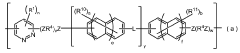
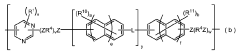
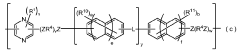
- A polymer with specific structural units, including a first structural unit represented by formulas (1-1), (1-2), or (1-3) and a second structural unit represented by formulas (2) or (3), which enhance heat resistance and solubility by adjusting polymer chain polarization and rigidity, allowing for improved solubility in various organic solvents.
Manufacturing Processes and Scalability Challenges
The manufacturing processes for structural ceramics and polymers differ significantly, impacting their heat resistance properties and commercial viability. Ceramic manufacturing typically involves powder processing, forming, and high-temperature sintering. Advanced ceramics require temperatures between 1400°C and 1700°C for sintering, creating energy-intensive production cycles that contribute to higher costs. The precision required during these processes also introduces scalability challenges, as minor defects can significantly compromise heat resistance properties.
Polymer manufacturing, conversely, employs techniques such as injection molding, extrusion, and compression molding at much lower processing temperatures (typically 150-350°C). This temperature advantage translates to lower energy consumption and faster production cycles, making polymers more economically scalable for mass production. High-performance polymers like PEEK or polyimides require more sophisticated processing controls but remain less energy-intensive than ceramic production.
Surface finishing represents another critical manufacturing consideration. Ceramics often require post-sintering grinding and polishing to achieve desired surface characteristics, adding production time and cost. These secondary operations can introduce microcracks that potentially compromise heat resistance. Polymers generally require minimal post-processing, contributing to their manufacturing efficiency despite their inferior heat resistance.
Recent advancements in additive manufacturing have begun reshaping production paradigms for both materials. Ceramic 3D printing technologies like stereolithography and direct ink writing enable complex geometries previously unattainable through traditional methods. However, these processes still require post-printing sintering and face challenges in achieving full density. Polymer additive manufacturing has progressed further in terms of commercial readiness, with high-temperature polymers increasingly printable with acceptable mechanical properties.
Quality control presents distinct challenges for each material class. Ceramics require sophisticated non-destructive testing methods like ultrasonic inspection and X-ray tomography to detect internal defects that could lead to catastrophic failure under thermal stress. Polymers allow for more straightforward quality assessment but require careful monitoring of crystallinity and molecular weight distribution to ensure consistent heat resistance properties.
From a supply chain perspective, ceramic raw materials often involve specialized powders with limited suppliers, creating potential bottlenecks in production scaling. Polymer supply chains are generally more robust, with multiple suppliers for most base resins, though specialty high-temperature polymers may face similar supply constraints as advanced ceramics.
Polymer manufacturing, conversely, employs techniques such as injection molding, extrusion, and compression molding at much lower processing temperatures (typically 150-350°C). This temperature advantage translates to lower energy consumption and faster production cycles, making polymers more economically scalable for mass production. High-performance polymers like PEEK or polyimides require more sophisticated processing controls but remain less energy-intensive than ceramic production.
Surface finishing represents another critical manufacturing consideration. Ceramics often require post-sintering grinding and polishing to achieve desired surface characteristics, adding production time and cost. These secondary operations can introduce microcracks that potentially compromise heat resistance. Polymers generally require minimal post-processing, contributing to their manufacturing efficiency despite their inferior heat resistance.
Recent advancements in additive manufacturing have begun reshaping production paradigms for both materials. Ceramic 3D printing technologies like stereolithography and direct ink writing enable complex geometries previously unattainable through traditional methods. However, these processes still require post-printing sintering and face challenges in achieving full density. Polymer additive manufacturing has progressed further in terms of commercial readiness, with high-temperature polymers increasingly printable with acceptable mechanical properties.
Quality control presents distinct challenges for each material class. Ceramics require sophisticated non-destructive testing methods like ultrasonic inspection and X-ray tomography to detect internal defects that could lead to catastrophic failure under thermal stress. Polymers allow for more straightforward quality assessment but require careful monitoring of crystallinity and molecular weight distribution to ensure consistent heat resistance properties.
From a supply chain perspective, ceramic raw materials often involve specialized powders with limited suppliers, creating potential bottlenecks in production scaling. Polymer supply chains are generally more robust, with multiple suppliers for most base resins, though specialty high-temperature polymers may face similar supply constraints as advanced ceramics.
Sustainability and Lifecycle Assessment
The sustainability assessment of structural ceramics and polymers in heat-resistant applications reveals significant differences in environmental impact throughout their lifecycles. Ceramics typically require higher energy inputs during manufacturing, with temperatures often exceeding 1400°C for sintering processes, resulting in substantial carbon emissions. However, this initial environmental cost is offset by ceramics' exceptional longevity, with service lifespans frequently exceeding 20-30 years in high-temperature environments without significant degradation.
Polymers present a contrasting profile, with lower energy requirements during production but considerably shorter functional lifespans when exposed to elevated temperatures. The degradation of heat-resistant polymers often necessitates more frequent replacement, multiplying the cumulative environmental impact despite lower initial production emissions. This replacement cycle creates additional waste streams that must be managed appropriately.
Raw material extraction represents another critical sustainability factor. Advanced ceramics often utilize minerals like alumina, zirconia, and silicon carbide, which have varying degrees of abundance and extraction impacts. The mining operations associated with these materials can lead to habitat disruption and water quality concerns. Conversely, many high-performance polymers derive from petroleum resources, linking their production directly to fossil fuel consumption and associated environmental challenges.
End-of-life considerations further differentiate these materials. Ceramics remain largely non-biodegradable but are generally inert in landfill environments, posing minimal leaching risks. Some ceramic materials can be crushed and repurposed as aggregates in construction applications, though full recycling remains challenging. Heat-resistant polymers face similar recycling limitations, as their specialized formulations often complicate conventional recycling streams.
Water consumption patterns also differ significantly between these material classes. Ceramic production typically requires substantial water for processing and cooling, while polymer manufacturing generally has lower water intensity but may involve more problematic chemical effluents requiring specialized treatment.
Recent lifecycle assessments indicate that in applications where temperatures consistently exceed 250°C for extended periods, ceramics generally demonstrate superior sustainability metrics when total lifecycle emissions are calculated. However, for intermittent heat exposure or moderate temperature applications (150-250°C), certain high-performance polymers may offer more favorable overall environmental profiles, particularly when transportation impacts are considered due to ceramics' greater weight and associated fuel consumption during distribution.
Polymers present a contrasting profile, with lower energy requirements during production but considerably shorter functional lifespans when exposed to elevated temperatures. The degradation of heat-resistant polymers often necessitates more frequent replacement, multiplying the cumulative environmental impact despite lower initial production emissions. This replacement cycle creates additional waste streams that must be managed appropriately.
Raw material extraction represents another critical sustainability factor. Advanced ceramics often utilize minerals like alumina, zirconia, and silicon carbide, which have varying degrees of abundance and extraction impacts. The mining operations associated with these materials can lead to habitat disruption and water quality concerns. Conversely, many high-performance polymers derive from petroleum resources, linking their production directly to fossil fuel consumption and associated environmental challenges.
End-of-life considerations further differentiate these materials. Ceramics remain largely non-biodegradable but are generally inert in landfill environments, posing minimal leaching risks. Some ceramic materials can be crushed and repurposed as aggregates in construction applications, though full recycling remains challenging. Heat-resistant polymers face similar recycling limitations, as their specialized formulations often complicate conventional recycling streams.
Water consumption patterns also differ significantly between these material classes. Ceramic production typically requires substantial water for processing and cooling, while polymer manufacturing generally has lower water intensity but may involve more problematic chemical effluents requiring specialized treatment.
Recent lifecycle assessments indicate that in applications where temperatures consistently exceed 250°C for extended periods, ceramics generally demonstrate superior sustainability metrics when total lifecycle emissions are calculated. However, for intermittent heat exposure or moderate temperature applications (150-250°C), certain high-performance polymers may offer more favorable overall environmental profiles, particularly when transportation impacts are considered due to ceramics' greater weight and associated fuel consumption during distribution.
Unlock deeper insights with Patsnap Eureka Quick Research — get a full tech report to explore trends and direct your research. Try now!
Generate Your Research Report Instantly with AI Agent
Supercharge your innovation with Patsnap Eureka AI Agent Platform!