Energy-Efficient Substrate Utilization in Cell-free Protein Synthesis
OCT 13, 20259 MIN READ
Generate Your Research Report Instantly with AI Agent
Patsnap Eureka helps you evaluate technical feasibility & market potential.
CFPS Energy Efficiency Background and Objectives
Cell-free protein synthesis (CFPS) has emerged as a transformative biotechnology platform over the past several decades, evolving from a research tool for understanding fundamental translation mechanisms to a versatile technology with applications spanning from diagnostics to biomanufacturing. The energy efficiency of CFPS systems represents a critical bottleneck that has historically limited its broader industrial adoption and commercial viability.
Traditional CFPS systems have relied on high-energy phosphate compounds such as phosphoenolpyruvate (PEP), creatine phosphate, or acetyl phosphate to regenerate ATP. However, these energy sources are rapidly depleted, leading to short-lived protein synthesis reactions and relatively low protein yields. The cost of these energy substrates also contributes significantly to the overall expense of CFPS processes, making large-scale applications economically challenging.
The evolution of energy regeneration systems in CFPS has progressed through several generations. Early systems utilized simple ATP additions, which were quickly consumed. Second-generation systems incorporated secondary energy sources and regeneration enzymes, while third-generation systems introduced metabolic pathways for more sustained energy production. Recent advances have focused on implementing complete glycolytic pathways and oxidative phosphorylation components to maximize ATP regeneration efficiency.
Current research trends are moving toward more integrated and sustainable energy solutions, including the utilization of cheaper and renewable substrates such as glucose, glycerol, or even cellulosic materials. These approaches aim to extend reaction durations from hours to days while maintaining high protein synthesis rates, thereby increasing volumetric productivity and economic feasibility.
The primary technical objectives for improving energy efficiency in CFPS include: optimizing the stoichiometric balance between energy consumption and protein production; developing more stable and long-lasting energy regeneration systems; reducing the cost of energy substrates; and minimizing the accumulation of inhibitory byproducts that can prematurely terminate reactions.
Another critical goal is to enhance the coupling between energy generation and protein synthesis processes, ensuring that a higher percentage of consumed energy directly supports translation rather than being lost to competing cellular processes or degradation pathways. This requires a systems-level understanding of the complex interplay between metabolic pathways and translation machinery.
Achieving these objectives would significantly advance CFPS technology toward industrial relevance by addressing key limitations in current systems. Improved energy efficiency would not only reduce production costs but also enable new applications requiring sustained protein synthesis, such as continuous biomanufacturing processes, on-demand therapeutic production, and field-deployable biosensing systems.
Traditional CFPS systems have relied on high-energy phosphate compounds such as phosphoenolpyruvate (PEP), creatine phosphate, or acetyl phosphate to regenerate ATP. However, these energy sources are rapidly depleted, leading to short-lived protein synthesis reactions and relatively low protein yields. The cost of these energy substrates also contributes significantly to the overall expense of CFPS processes, making large-scale applications economically challenging.
The evolution of energy regeneration systems in CFPS has progressed through several generations. Early systems utilized simple ATP additions, which were quickly consumed. Second-generation systems incorporated secondary energy sources and regeneration enzymes, while third-generation systems introduced metabolic pathways for more sustained energy production. Recent advances have focused on implementing complete glycolytic pathways and oxidative phosphorylation components to maximize ATP regeneration efficiency.
Current research trends are moving toward more integrated and sustainable energy solutions, including the utilization of cheaper and renewable substrates such as glucose, glycerol, or even cellulosic materials. These approaches aim to extend reaction durations from hours to days while maintaining high protein synthesis rates, thereby increasing volumetric productivity and economic feasibility.
The primary technical objectives for improving energy efficiency in CFPS include: optimizing the stoichiometric balance between energy consumption and protein production; developing more stable and long-lasting energy regeneration systems; reducing the cost of energy substrates; and minimizing the accumulation of inhibitory byproducts that can prematurely terminate reactions.
Another critical goal is to enhance the coupling between energy generation and protein synthesis processes, ensuring that a higher percentage of consumed energy directly supports translation rather than being lost to competing cellular processes or degradation pathways. This requires a systems-level understanding of the complex interplay between metabolic pathways and translation machinery.
Achieving these objectives would significantly advance CFPS technology toward industrial relevance by addressing key limitations in current systems. Improved energy efficiency would not only reduce production costs but also enable new applications requiring sustained protein synthesis, such as continuous biomanufacturing processes, on-demand therapeutic production, and field-deployable biosensing systems.
Market Analysis for Cell-free Protein Production
The cell-free protein synthesis (CFPS) market is experiencing robust growth, driven by increasing demand for rapid protein production across pharmaceutical, biotechnology, and research sectors. Current market valuation stands at approximately 250 million USD, with projections indicating a compound annual growth rate of 8-10% over the next five years, potentially reaching 400 million USD by 2028.
Energy-efficient substrate utilization represents a critical factor influencing market dynamics, as it directly impacts production costs and scalability. Traditional CFPS systems suffer from high energy consumption and substrate inefficiency, creating a significant market opportunity for optimized solutions. Companies achieving breakthroughs in this area can expect to capture substantial market share due to the resulting cost advantages.
The pharmaceutical segment currently dominates market demand, accounting for roughly 45% of the total market value. This is primarily driven by applications in therapeutic protein production, vaccine development, and personalized medicine. The research reagent sector follows at approximately 30%, while diagnostic applications constitute about 15% of the market.
Geographically, North America leads with approximately 40% market share, followed by Europe (30%) and Asia-Pacific (20%). However, the Asia-Pacific region is demonstrating the fastest growth rate, particularly in China, Japan, and South Korea, where substantial investments in biotechnology infrastructure are occurring.
Key customer segments include pharmaceutical companies seeking rapid prototyping capabilities, research institutions requiring high-throughput protein expression systems, and diagnostic companies developing point-of-care testing solutions. Each segment values energy efficiency differently, with pharmaceutical companies most sensitive to production costs at scale.
Market barriers include high initial investment costs, technical complexity, and regulatory considerations for commercial applications. The energy efficiency challenge specifically represents both a barrier and opportunity, as companies that solve this problem gain significant competitive advantage through reduced production costs and improved scalability.
Customer willingness to pay demonstrates a clear correlation with energy efficiency improvements. Market research indicates that solutions offering 30% improvement in energy utilization can command premium pricing of 20-25% above standard systems, highlighting the economic value of advances in this area.
Emerging market trends include increasing demand for continuous production systems, integration with automation platforms, and growing interest in sustainable manufacturing practices. The energy-efficient substrate utilization aligns perfectly with these trends, positioning technologies that address this challenge favorably within the evolving market landscape.
Energy-efficient substrate utilization represents a critical factor influencing market dynamics, as it directly impacts production costs and scalability. Traditional CFPS systems suffer from high energy consumption and substrate inefficiency, creating a significant market opportunity for optimized solutions. Companies achieving breakthroughs in this area can expect to capture substantial market share due to the resulting cost advantages.
The pharmaceutical segment currently dominates market demand, accounting for roughly 45% of the total market value. This is primarily driven by applications in therapeutic protein production, vaccine development, and personalized medicine. The research reagent sector follows at approximately 30%, while diagnostic applications constitute about 15% of the market.
Geographically, North America leads with approximately 40% market share, followed by Europe (30%) and Asia-Pacific (20%). However, the Asia-Pacific region is demonstrating the fastest growth rate, particularly in China, Japan, and South Korea, where substantial investments in biotechnology infrastructure are occurring.
Key customer segments include pharmaceutical companies seeking rapid prototyping capabilities, research institutions requiring high-throughput protein expression systems, and diagnostic companies developing point-of-care testing solutions. Each segment values energy efficiency differently, with pharmaceutical companies most sensitive to production costs at scale.
Market barriers include high initial investment costs, technical complexity, and regulatory considerations for commercial applications. The energy efficiency challenge specifically represents both a barrier and opportunity, as companies that solve this problem gain significant competitive advantage through reduced production costs and improved scalability.
Customer willingness to pay demonstrates a clear correlation with energy efficiency improvements. Market research indicates that solutions offering 30% improvement in energy utilization can command premium pricing of 20-25% above standard systems, highlighting the economic value of advances in this area.
Emerging market trends include increasing demand for continuous production systems, integration with automation platforms, and growing interest in sustainable manufacturing practices. The energy-efficient substrate utilization aligns perfectly with these trends, positioning technologies that address this challenge favorably within the evolving market landscape.
Current Challenges in Energy-Efficient CFPS
Despite significant advancements in cell-free protein synthesis (CFPS) technology, energy efficiency remains a critical bottleneck limiting its widespread industrial application. Current CFPS systems face substantial challenges in maintaining optimal energy supply for protein production while minimizing resource wastage. The primary issue stems from the rapid depletion of ATP and other high-energy compounds during the reaction process, which significantly constrains the duration and yield of protein synthesis.
Traditional energy regeneration systems in CFPS, such as creatine phosphate/creatine kinase or phosphoenolpyruvate (PEP)/pyruvate kinase, suffer from inefficient ATP utilization ratios, often requiring 2-4 ATP equivalents per peptide bond formed. This represents a substantial energy overhead compared to in vivo systems, which operate at much higher efficiency levels.
Another significant challenge is the accumulation of inhibitory byproducts during energy regeneration processes. Phosphate buildup, in particular, has been identified as a major inhibitor of translation efficiency in prolonged CFPS reactions. Current methods to address this issue, such as continuous exchange systems, add complexity and cost to the production setup, limiting scalability.
The stability of energy substrates presents an additional hurdle. Many high-energy compounds used in CFPS systems are inherently unstable under reaction conditions, leading to non-productive hydrolysis and further reducing overall energy efficiency. This instability necessitates either continuous substrate addition or sophisticated reaction engineering approaches.
Temperature sensitivity compounds these challenges, as optimal conditions for enzyme activity in energy regeneration pathways often differ from those required for efficient translation. This creates a fundamental trade-off between energy production and protein synthesis rates that has proven difficult to resolve with current technologies.
Recent research has highlighted the importance of redox balance in maintaining energy efficiency. The regeneration of cofactors such as NAD+/NADH plays a crucial role in sustaining ATP production, yet current CFPS systems struggle to maintain this balance over extended reaction periods, leading to premature termination of protein synthesis.
The integration of multiple metabolic pathways for improved energy efficiency introduces additional complexity in terms of enzyme compatibility, reaction conditions, and kinetic balancing. While promising in theory, these integrated approaches often suffer from unpredictable interactions and diminishing returns as system complexity increases.
Scaling energy-efficient CFPS systems from laboratory to industrial scale presents further challenges related to oxygen transfer, mixing efficiency, and heat dissipation, all of which can significantly impact the performance of energy regeneration systems at larger volumes.
Traditional energy regeneration systems in CFPS, such as creatine phosphate/creatine kinase or phosphoenolpyruvate (PEP)/pyruvate kinase, suffer from inefficient ATP utilization ratios, often requiring 2-4 ATP equivalents per peptide bond formed. This represents a substantial energy overhead compared to in vivo systems, which operate at much higher efficiency levels.
Another significant challenge is the accumulation of inhibitory byproducts during energy regeneration processes. Phosphate buildup, in particular, has been identified as a major inhibitor of translation efficiency in prolonged CFPS reactions. Current methods to address this issue, such as continuous exchange systems, add complexity and cost to the production setup, limiting scalability.
The stability of energy substrates presents an additional hurdle. Many high-energy compounds used in CFPS systems are inherently unstable under reaction conditions, leading to non-productive hydrolysis and further reducing overall energy efficiency. This instability necessitates either continuous substrate addition or sophisticated reaction engineering approaches.
Temperature sensitivity compounds these challenges, as optimal conditions for enzyme activity in energy regeneration pathways often differ from those required for efficient translation. This creates a fundamental trade-off between energy production and protein synthesis rates that has proven difficult to resolve with current technologies.
Recent research has highlighted the importance of redox balance in maintaining energy efficiency. The regeneration of cofactors such as NAD+/NADH plays a crucial role in sustaining ATP production, yet current CFPS systems struggle to maintain this balance over extended reaction periods, leading to premature termination of protein synthesis.
The integration of multiple metabolic pathways for improved energy efficiency introduces additional complexity in terms of enzyme compatibility, reaction conditions, and kinetic balancing. While promising in theory, these integrated approaches often suffer from unpredictable interactions and diminishing returns as system complexity increases.
Scaling energy-efficient CFPS systems from laboratory to industrial scale presents further challenges related to oxygen transfer, mixing efficiency, and heat dissipation, all of which can significantly impact the performance of energy regeneration systems at larger volumes.
Current Energy Regeneration Systems
01 Energy regeneration systems for CFPS
Cell-free protein synthesis (CFPS) systems can be enhanced through energy regeneration mechanisms that efficiently recycle and replenish ATP. These systems typically incorporate phosphoenolpyruvate (PEP), creatine phosphate, or similar high-energy compounds as primary energy sources. By continuously regenerating ATP during the protein synthesis process, these systems maintain optimal energy levels for extended periods, significantly improving protein yield while reducing substrate consumption.- Energy regeneration systems for CFPS: Energy regeneration systems are crucial for enhancing the efficiency of cell-free protein synthesis (CFPS). These systems typically involve the regeneration of ATP, which is the primary energy source for protein synthesis. By incorporating enzymes and substrates that can continuously regenerate ATP during the synthesis process, the energy efficiency of CFPS can be significantly improved, leading to higher protein yields and longer reaction durations.
- Alternative energy substrates for CFPS: Various alternative energy substrates can be utilized in cell-free protein synthesis to improve energy efficiency. These include glucose, pyruvate, glutamate, and other metabolic intermediates that can be converted to ATP through glycolysis or other metabolic pathways. The selection of appropriate energy substrates can significantly impact the overall efficiency of the CFPS system, with some substrates providing more sustained energy release than others.
- Optimization of reaction components for energy efficiency: The optimization of reaction components, including buffer composition, ion concentrations, and cofactor levels, plays a critical role in enhancing energy efficiency in cell-free protein synthesis. By carefully balancing these components, researchers can create an optimal environment for protein synthesis while minimizing energy waste. This approach often involves systematic testing of different component concentrations to identify the most energy-efficient combination.
- Continuous-exchange cell-free systems: Continuous-exchange cell-free systems represent an advanced approach to improving energy efficiency in protein synthesis. These systems involve the continuous addition of energy substrates and removal of inhibitory byproducts, allowing for sustained protein production over extended periods. By maintaining optimal conditions for protein synthesis and preventing the accumulation of waste products, these systems can achieve significantly higher energy efficiency compared to batch reactions.
- Engineered cell extracts for improved energy metabolism: Engineered cell extracts with modified metabolic pathways can significantly enhance energy efficiency in cell-free protein synthesis. These extracts are typically derived from cells that have been genetically modified to overexpress certain enzymes involved in energy metabolism or to eliminate pathways that compete for energy resources. By directing more energy toward protein synthesis and reducing energy consumption by competing processes, these engineered extracts can achieve higher protein yields with the same amount of input energy.
02 Secondary energy substrate utilization
Advanced CFPS systems can be designed to utilize secondary energy substrates when primary energy sources are depleted. These systems incorporate metabolic pathways that can process alternative carbon sources such as glucose, glycerol, or pyruvate. The strategic use of secondary substrates extends reaction duration and improves overall energy efficiency by maintaining ATP levels even after primary high-energy phosphate donors are consumed, resulting in more sustainable and cost-effective protein production.Expand Specific Solutions03 Engineered cell extracts for improved energy metabolism
Specially engineered cell extracts can be developed to optimize energy metabolism during cell-free protein synthesis. These extracts may be derived from modified organisms with enhanced ATP production capabilities or reduced energy-consuming side reactions. By genetically engineering the source cells to overexpress key enzymes involved in energy production or eliminating pathways that compete for energy resources, the resulting extracts demonstrate superior energy efficiency and sustained protein synthesis activity.Expand Specific Solutions04 Continuous-exchange CFPS systems
Continuous-exchange cell-free protein synthesis systems provide a method for sustained energy supply and byproduct removal. These systems utilize semi-permeable membranes or microfluidic devices to continuously supply fresh energy substrates while removing inhibitory byproducts. This approach prevents energy depletion and accumulation of waste products that typically limit conventional batch reactions, allowing for prolonged synthesis periods and significantly higher protein yields with improved energy substrate utilization efficiency.Expand Specific Solutions05 Coupled enzyme systems for ATP regeneration
Coupled enzyme systems can be integrated into cell-free protein synthesis reactions to efficiently regenerate ATP from ADP. These systems typically include enzymes such as pyruvate kinase, acetate kinase, or polyphosphate kinase that work in concert with their respective substrates to maintain ATP levels. By incorporating multiple enzyme-based energy regeneration pathways, these systems create redundant mechanisms for ATP production, ensuring stable energy supply throughout the protein synthesis process while minimizing substrate waste.Expand Specific Solutions
Leading Organizations in CFPS Research
The cell-free protein synthesis (CFPS) market is currently in a growth phase, with increasing focus on energy-efficient substrate utilization as a key technological challenge. The global market is projected to expand significantly due to applications in pharmaceuticals, diagnostics, and synthetic biology. Leading academic institutions like Northwestern University, Tsinghua University, and Cornell University are advancing fundamental research, while commercial players demonstrate varying levels of technological maturity. Companies like Cellfree Sciences and Swiftscale Biologics (acquired by National Resilience) have established specialized CFPS platforms, while Spiber and Nuprotein are applying the technology to sustainable protein production. Asian companies such as Kangma Biological Technology and Toyobo are increasingly active, indicating the technology's global relevance. The competitive landscape shows a mix of specialized biotechnology firms and larger corporations integrating CFPS into broader product portfolios.
Cellfree Sciences Co., Ltd.
Technical Solution: Cellfree Sciences has developed the WEPRO® system, an advanced wheat germ extract-based cell-free protein synthesis (CFPS) platform specifically optimized for energy-efficient substrate utilization. Their technology employs a bilayer translation reaction method that physically separates the translation and energy regeneration components, allowing for sustained protein synthesis over extended periods. The company has engineered their wheat germ extract to eliminate competing metabolic pathways that consume ATP, resulting in more efficient energy utilization with reported yields of up to 10 mg/ml of target protein. Their platform incorporates a proprietary energy regeneration system based on creatine phosphate and creatine kinase that maintains ATP levels while minimizing accumulation of inhibitory byproducts. Additionally, they've optimized amino acid consumption through selective supplementation strategies that monitor and replenish depleted amino acids during the synthesis process, significantly improving overall substrate conversion efficiency.
Strengths: The wheat germ-based system offers exceptional stability and longevity compared to bacterial extracts, with reaction times extending up to 72 hours. Their bilayer method effectively addresses energy substrate diffusion limitations. Weaknesses: The wheat germ extract preparation is more complex and costly than bacterial systems, and the translation rate is generally slower than E. coli-based CFPS systems, potentially limiting throughput for industrial applications.
Toyobo Co., Ltd.
Technical Solution: Toyobo has pioneered the PURE (Protein synthesis Using Recombinant Elements) system for energy-efficient cell-free protein synthesis, representing a significant advancement in substrate utilization efficiency. Unlike conventional extract-based systems, Toyobo's PURE technology utilizes only the essential components needed for transcription and translation, eliminating competing metabolic pathways that waste energy substrates. Their system incorporates precisely defined concentrations of purified translation factors, aminoacyl-tRNA synthetases, tRNAs, and ribosomes, allowing for optimal stoichiometric ratios that maximize energy efficiency. Toyobo has further enhanced their platform with an advanced ATP regeneration system using pyruvate oxidase and acetate kinase, which maintains ATP levels while recycling byproducts. This coupled enzymatic approach achieves nearly 70% theoretical maximum energy efficiency in ATP utilization. The company has also developed specialized formulations with optimized magnesium and potassium ion concentrations that enhance ribosome activity while minimizing energy consumption, resulting in up to 5-fold improvement in protein yield per unit of energy substrate compared to conventional extract-based systems.
Strengths: The defined nature of the PURE system eliminates unwanted side reactions and energy-wasting pathways, providing unprecedented control over reaction conditions and exceptional reproducibility. The system allows for production of proteins toxic to living cells. Weaknesses: The production of all components requires significant upfront investment and expertise, making the system considerably more expensive than extract-based alternatives. The overall protein yield is typically lower than optimized extract-based systems despite higher energy efficiency.
Key Innovations in Substrate Optimization
Cell-free protein synthesizing method by continuous energy supply system using intracellular component
PatentWO2005003341A1
Innovation
- A continuous energy supply system utilizing a fraction mainly composed of endoplasmic reticulum components, such as microsomal fractions from animal or yeast cells, where energy sources are separated from synthesis components using diffusion overlay or semipermeable membrane methods to maintain protein synthesis efficiency over extended periods.
Substrate replenishment and byproduct removal improve yeast cell-free protein synthesis
PatentActiveUS9951392B2
Innovation
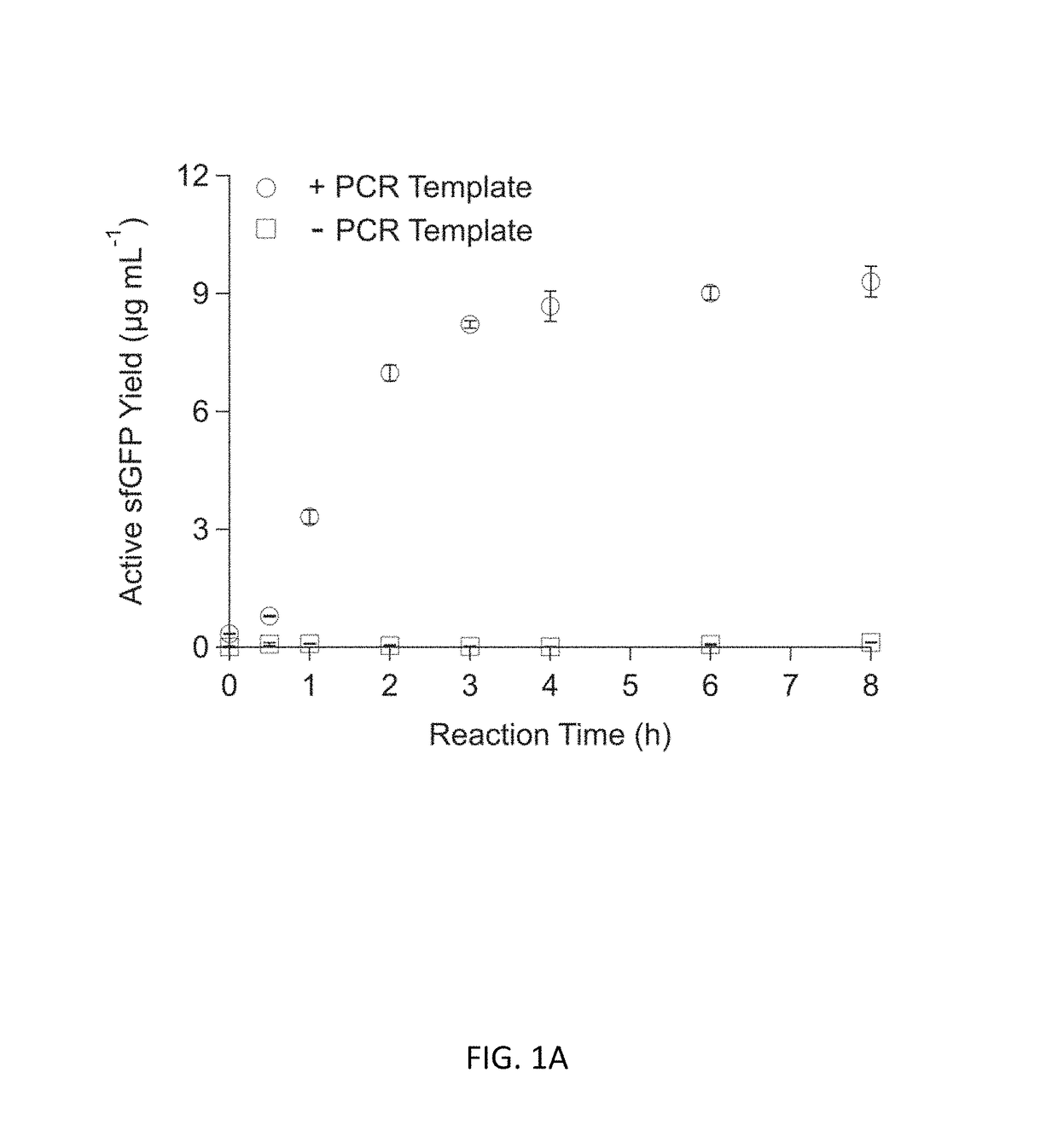
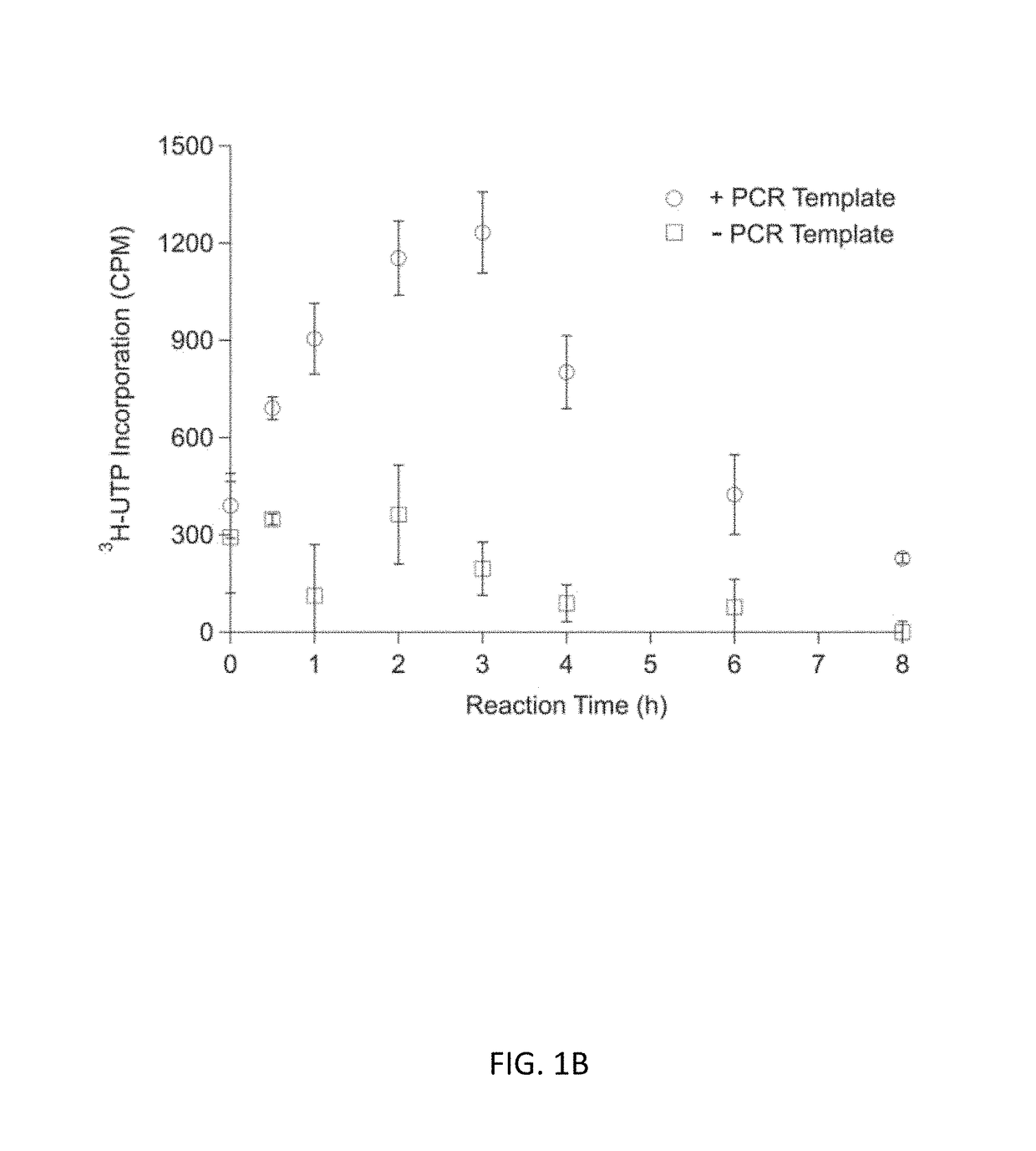
- A method and kit for calibrating cell-free protein synthesis reactions by adjusting the Energy Charge of the extract to optimal levels and using semi-continuous exchange reactions to replenish limiting substrates and remove toxic byproducts, such as inorganic phosphate, thereby extending reaction duration and increasing protein synthesis yields.
Scalability and Cost Analysis
The scalability of cell-free protein synthesis (CFPS) systems represents a critical challenge for industrial applications, particularly when considering energy-efficient substrate utilization. Current laboratory-scale CFPS reactions typically operate at volumes between 10μL to 100mL, but industrial implementation requires scaling to multi-liter or even cubic meter volumes while maintaining energy efficiency and productivity.
Economic analysis reveals that substrate costs constitute approximately 30-40% of total CFPS production expenses. ATP regeneration systems, which are essential for energy-efficient operations, account for a significant portion of these costs. Traditional energy systems using phosphoenolpyruvate (PEP) can represent up to 23% of the total reaction cost, highlighting the economic importance of developing alternative energy-efficient substrate utilization methods.
When scaling up CFPS processes, several technical challenges emerge that directly impact energy efficiency. Oxygen transfer limitations in larger reaction volumes can reduce the effectiveness of oxidative phosphorylation-based energy regeneration systems. Heat dissipation becomes increasingly problematic at scale, potentially leading to temperature gradients that affect enzyme kinetics and overall energy utilization efficiency.
Recent cost modeling studies indicate that implementing glucose-based energy regeneration systems can reduce substrate costs by 70% compared to PEP-based systems when scaled to industrial levels. However, this approach introduces new challenges in maintaining redox balance and managing byproduct accumulation in larger reaction volumes, which can adversely affect energy efficiency over extended reaction times.
Equipment and infrastructure requirements for large-scale CFPS operations present additional economic considerations. Continuous-flow CFPS systems, which show promise for industrial applications, require specialized bioreactors with precise temperature control and mixing capabilities to maintain optimal energy substrate utilization. Initial capital investment for such equipment ranges from $500,000 to several million dollars depending on production capacity.
The economic viability of scaled CFPS processes heavily depends on protein yield per unit of energy substrate consumed. Current benchmarks indicate that laboratory-scale systems achieve 0.8-1.2g protein per gram of glucose equivalent, but this efficiency typically decreases by 15-25% when scaled to pilot levels due to suboptimal mixing and substrate availability gradients.
Future scalability improvements will likely focus on developing more robust energy regeneration pathways that maintain efficiency at scale, implementing continuous substrate feeding strategies to optimize energy utilization, and designing novel bioreactor configurations specifically tailored to the unique requirements of cell-free systems. These advancements could potentially reduce energy-related production costs by 40-60%, significantly improving the commercial viability of CFPS technology.
Economic analysis reveals that substrate costs constitute approximately 30-40% of total CFPS production expenses. ATP regeneration systems, which are essential for energy-efficient operations, account for a significant portion of these costs. Traditional energy systems using phosphoenolpyruvate (PEP) can represent up to 23% of the total reaction cost, highlighting the economic importance of developing alternative energy-efficient substrate utilization methods.
When scaling up CFPS processes, several technical challenges emerge that directly impact energy efficiency. Oxygen transfer limitations in larger reaction volumes can reduce the effectiveness of oxidative phosphorylation-based energy regeneration systems. Heat dissipation becomes increasingly problematic at scale, potentially leading to temperature gradients that affect enzyme kinetics and overall energy utilization efficiency.
Recent cost modeling studies indicate that implementing glucose-based energy regeneration systems can reduce substrate costs by 70% compared to PEP-based systems when scaled to industrial levels. However, this approach introduces new challenges in maintaining redox balance and managing byproduct accumulation in larger reaction volumes, which can adversely affect energy efficiency over extended reaction times.
Equipment and infrastructure requirements for large-scale CFPS operations present additional economic considerations. Continuous-flow CFPS systems, which show promise for industrial applications, require specialized bioreactors with precise temperature control and mixing capabilities to maintain optimal energy substrate utilization. Initial capital investment for such equipment ranges from $500,000 to several million dollars depending on production capacity.
The economic viability of scaled CFPS processes heavily depends on protein yield per unit of energy substrate consumed. Current benchmarks indicate that laboratory-scale systems achieve 0.8-1.2g protein per gram of glucose equivalent, but this efficiency typically decreases by 15-25% when scaled to pilot levels due to suboptimal mixing and substrate availability gradients.
Future scalability improvements will likely focus on developing more robust energy regeneration pathways that maintain efficiency at scale, implementing continuous substrate feeding strategies to optimize energy utilization, and designing novel bioreactor configurations specifically tailored to the unique requirements of cell-free systems. These advancements could potentially reduce energy-related production costs by 40-60%, significantly improving the commercial viability of CFPS technology.
Regulatory Considerations for CFPS Products
Cell-free protein synthesis (CFPS) products are subject to a complex regulatory landscape that varies significantly across different regions and applications. The regulatory framework for CFPS-derived products must address both the unique aspects of cell-free technology and the intended use of the final products, whether for therapeutic, diagnostic, or industrial applications.
In the United States, the FDA's regulatory approach to CFPS products depends primarily on their intended use. Therapeutic proteins produced via CFPS would typically fall under the Center for Biologics Evaluation and Research (CBER) or Center for Drug Evaluation and Research (CDER), requiring extensive clinical trials and manufacturing process validation. Of particular concern is the demonstration of consistent energy-efficient substrate utilization across production batches, as this directly impacts product quality and safety profiles.
The European Medicines Agency (EMA) has established guidelines for biological products that would encompass CFPS-derived therapeutics, with additional emphasis on environmental risk assessments when genetically modified components are utilized in the cell-free reaction mixtures. The energy efficiency aspects of CFPS must be documented as part of the Chemistry, Manufacturing, and Controls (CMC) section of regulatory submissions.
For industrial applications, regulatory requirements are generally less stringent but still require compliance with good manufacturing practices (GMP) and may involve environmental protection regulations, particularly regarding the disposal of reaction components. The energy-efficient nature of optimized CFPS systems can be a positive factor in environmental impact assessments.
Diagnostic applications of CFPS face a different regulatory pathway, focusing on analytical validation, clinical validity, and clinical utility. The FDA's approach to in vitro diagnostics would apply to CFPS-based diagnostic tools, with particular attention to reproducibility of results, which is directly influenced by the efficiency of substrate utilization in the cell-free system.
Emerging regulatory considerations include the need for standardized methods to assess the energy efficiency of CFPS systems, guidelines for the sourcing and quality control of cell-free extract components, and frameworks for evaluating the safety of novel energy regeneration systems incorporated into CFPS reactions.
Companies developing CFPS products should engage early with regulatory authorities through programs like the FDA's Pre-Submission Program or the EMA's Scientific Advice procedure to address these complex regulatory considerations. This proactive approach can help identify potential regulatory hurdles related to the energy-efficient aspects of their CFPS technology and develop appropriate strategies to address them during product development.
In the United States, the FDA's regulatory approach to CFPS products depends primarily on their intended use. Therapeutic proteins produced via CFPS would typically fall under the Center for Biologics Evaluation and Research (CBER) or Center for Drug Evaluation and Research (CDER), requiring extensive clinical trials and manufacturing process validation. Of particular concern is the demonstration of consistent energy-efficient substrate utilization across production batches, as this directly impacts product quality and safety profiles.
The European Medicines Agency (EMA) has established guidelines for biological products that would encompass CFPS-derived therapeutics, with additional emphasis on environmental risk assessments when genetically modified components are utilized in the cell-free reaction mixtures. The energy efficiency aspects of CFPS must be documented as part of the Chemistry, Manufacturing, and Controls (CMC) section of regulatory submissions.
For industrial applications, regulatory requirements are generally less stringent but still require compliance with good manufacturing practices (GMP) and may involve environmental protection regulations, particularly regarding the disposal of reaction components. The energy-efficient nature of optimized CFPS systems can be a positive factor in environmental impact assessments.
Diagnostic applications of CFPS face a different regulatory pathway, focusing on analytical validation, clinical validity, and clinical utility. The FDA's approach to in vitro diagnostics would apply to CFPS-based diagnostic tools, with particular attention to reproducibility of results, which is directly influenced by the efficiency of substrate utilization in the cell-free system.
Emerging regulatory considerations include the need for standardized methods to assess the energy efficiency of CFPS systems, guidelines for the sourcing and quality control of cell-free extract components, and frameworks for evaluating the safety of novel energy regeneration systems incorporated into CFPS reactions.
Companies developing CFPS products should engage early with regulatory authorities through programs like the FDA's Pre-Submission Program or the EMA's Scientific Advice procedure to address these complex regulatory considerations. This proactive approach can help identify potential regulatory hurdles related to the energy-efficient aspects of their CFPS technology and develop appropriate strategies to address them during product development.
Unlock deeper insights with Patsnap Eureka Quick Research — get a full tech report to explore trends and direct your research. Try now!
Generate Your Research Report Instantly with AI Agent
Supercharge your innovation with Patsnap Eureka AI Agent Platform!