A Method for Uplink Interference Coordination in Irregular Networking

An interference coordination and irregular technology, applied in network planning, electrical components, wireless communication, etc., can solve problems such as single omnidirectional antenna networking or directional antenna networking, complex interference situations, and no interference coordination scheme

An interference coordination and irregular technology, applied in network planning, electrical components, wireless communication, etc., can solve problems such as single omnidirectional antenna networking or directional antenna networking, complex interference situations, and no interference coordination scheme

CN104284338BInactive Publication Date: 2018-06-22POTEVIO INFORMATION TECH CO LTD

Image

Smart Image Click on the blue labels to locate them in the text.
Viewing Examples
Smart Image
  • A Method for Uplink Interference Coordination in Irregular Networking
  • A Method for Uplink Interference Coordination in Irregular Networking
  • A Method for Uplink Interference Coordination in Irregular Networking

Examples

Experimental program
Comparison scheme
Effect test

Embodiment Construction

[0023] In order to make the technical principles, features and technical effects of the technical solution of the present application clearer, the technical solution of the present application will be described in detail below in conjunction with specific embodiments.

[0024] In the embodiment of the present application, different user type determination methods are adopted according to whether there is a co-located base station in the serving cell where the user is located.

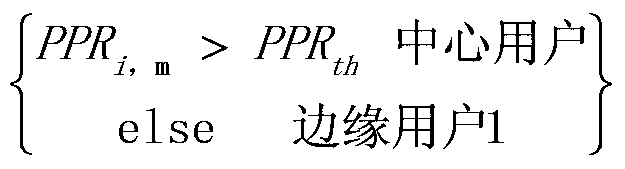
[0025] If there is no co-located base station in the serving cell, the user type is defined as:

[0026]

[0027] Among them, PPR i,m =RSRP(i)-RSRP(i) m Indicates the difference between the reference signal received power (RSRP) of user i to the serving cell and the RSRP to the neighboring cell m, PPR th is the threshold of the pilot power ratio (PPR).

[0028] If there are co-located base stations in the serving cell, the user type is defined as

[0029]

[0030] Among them, PPR i,m =RSRP(i)...

the structure of the environmentally friendly knitted fabric provided by the present invention; figure 2 Flow chart of the yarn wrapping machine for environmentally friendly knitted fabrics and storage devices; image 3 Is the parameter map of the yarn covering machine
Login to View More

PUM

No PUM Login to View More

Abstract

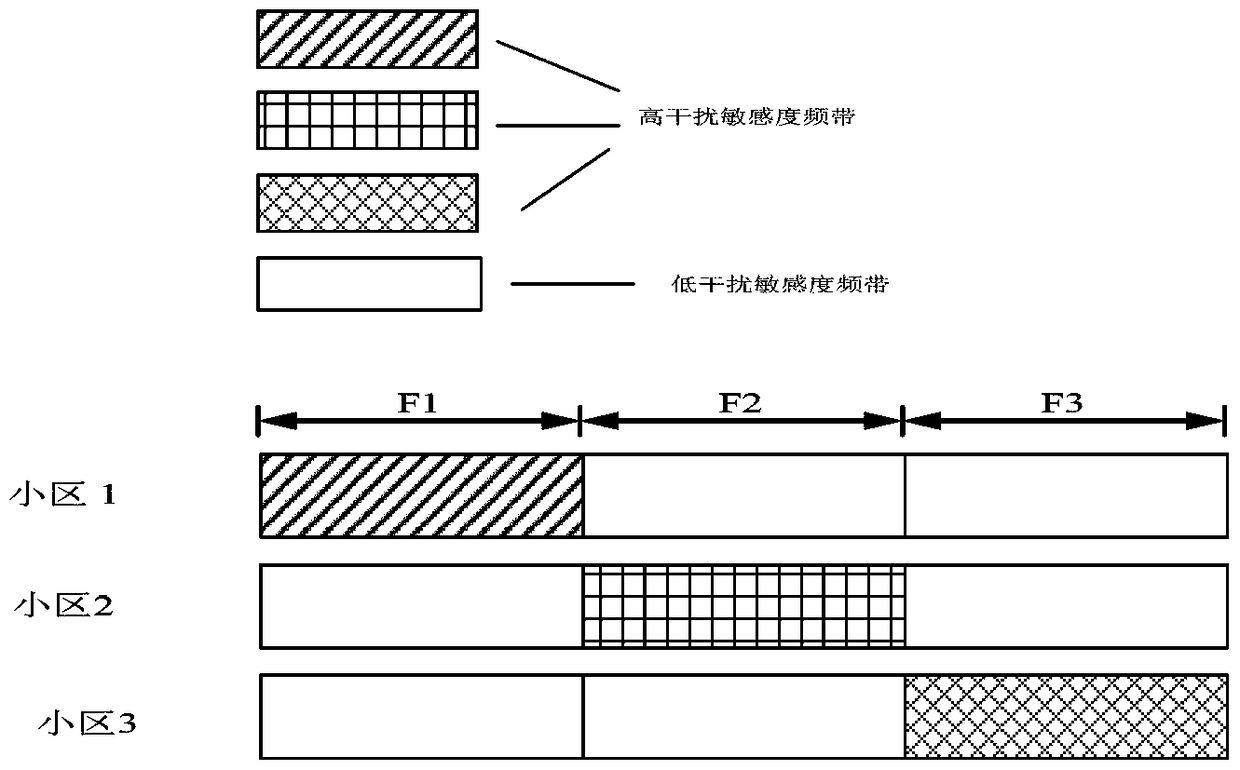
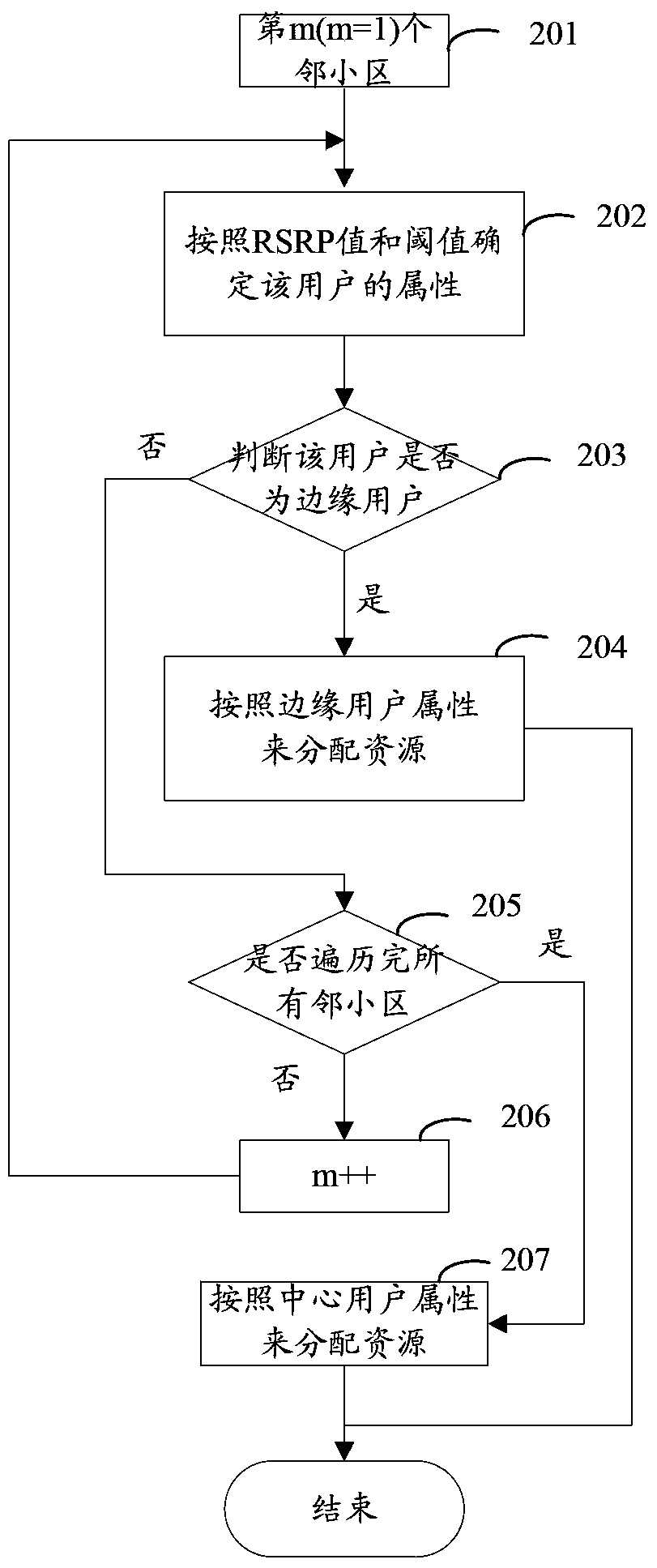
The invention discloses an uplink interference coordinating method applied to irregular networking. The method comprises the steps of A, setting the pilot power ratio (PPR) threshold value (PPR[th]) and reference signal receiving power (RSRP) threshold value (RSRP[th]) of each cell; B, taking the m neighbor cell as the current neighbor cell for a user in a service cell; C, determining the type of the user according to the RSRP of the service cell, the RSRP of the current neighbor cell and the corresponding threshold values; D, if the user is an edge user, allocating the resources on the edge frequency band to the user, and if the user is a center user, allocating resources to the user according to the type of the center user, wherein the resources on the whole frequency band can be used by the user. The technical scheme can be applied to hybrid networking according to which a network contains both an omnidirectional antenna and a directional antenna.

Description

technical field [0001] The present application relates to the technical field of mobile communication, in particular to a method for coordinating uplink interference in irregular networking. Background technique [0002] The system resources allocated in each cell in the LTE system are orthogonal subcarrier resources. This orthogonal sub-carrier resource allocation method can distinguish between users to ensure that the interference between users in the same cell is so small that it can be ignored. Therefore, the interference suffered by users in a cell mainly comes from adjacent cells. Therefore, in an Orthogonal Frequency Division Multiplexing (OFDM) system, co-channel interference between adjacent cells is a problem that cannot be ignored. [0003] In the actual multi-base station network for continuous coverage of a large area, different frequency networking or same frequency networking can be used. The advantage of different frequency networking is that adjacent cells ...

Claims

the structure of the environmentally friendly knitted fabric provided by the present invention; figure 2 Flow chart of the yarn wrapping machine for environmentally friendly knitted fabrics and storage devices; image 3 Is the parameter map of the yarn covering machine
Login to View More

Application Information

Patent Timeline
22 Jun 2018
Publication
CN104284338B
IPC
H04W16/10; H04W72/04
CPC
H04W16/10; H04W72/0453
Inventors
姜春霞; 朱颖