Nasal septum retainer

A retainer and nasal septum technology, applied in the field of nasal septum retainers, can solve the problems of high pressure in the head area and damage to the nasal mucosa, and achieve the effect of reducing the impact and reliable nasal hemostasis

CN105342661AActive Publication Date: 2016-02-24常州英维瑞特医疗器械科技有限公司 +1
5 Cites 6 Cited by

Patent Information

Authority / Receiving Office
CN · China
Current Assignee / Owner
Publication Date
2016-02-24

Smart Images

  • Figure 1
    Figure 1
  • Figure 2
    Figure 2
  • Figure 3
    Figure 3
Patent Text Reader

Abstract

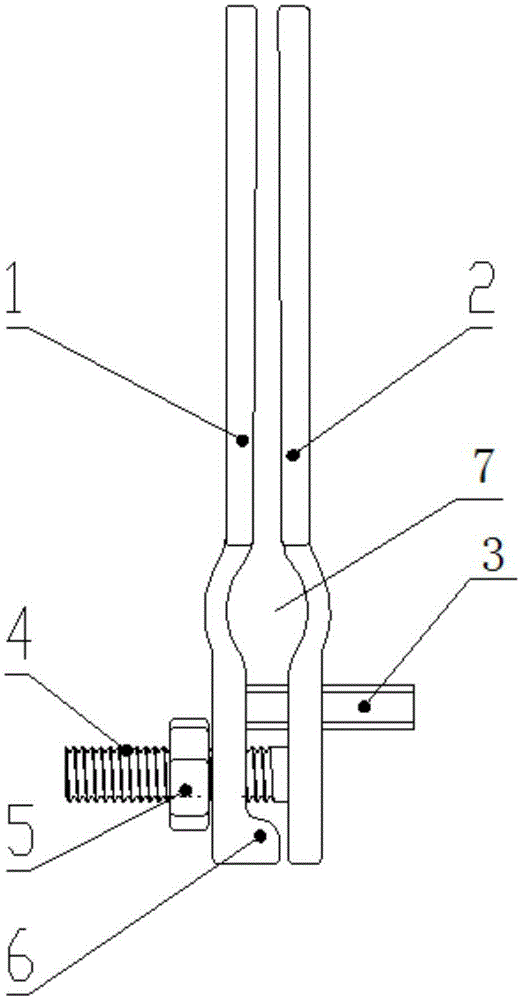
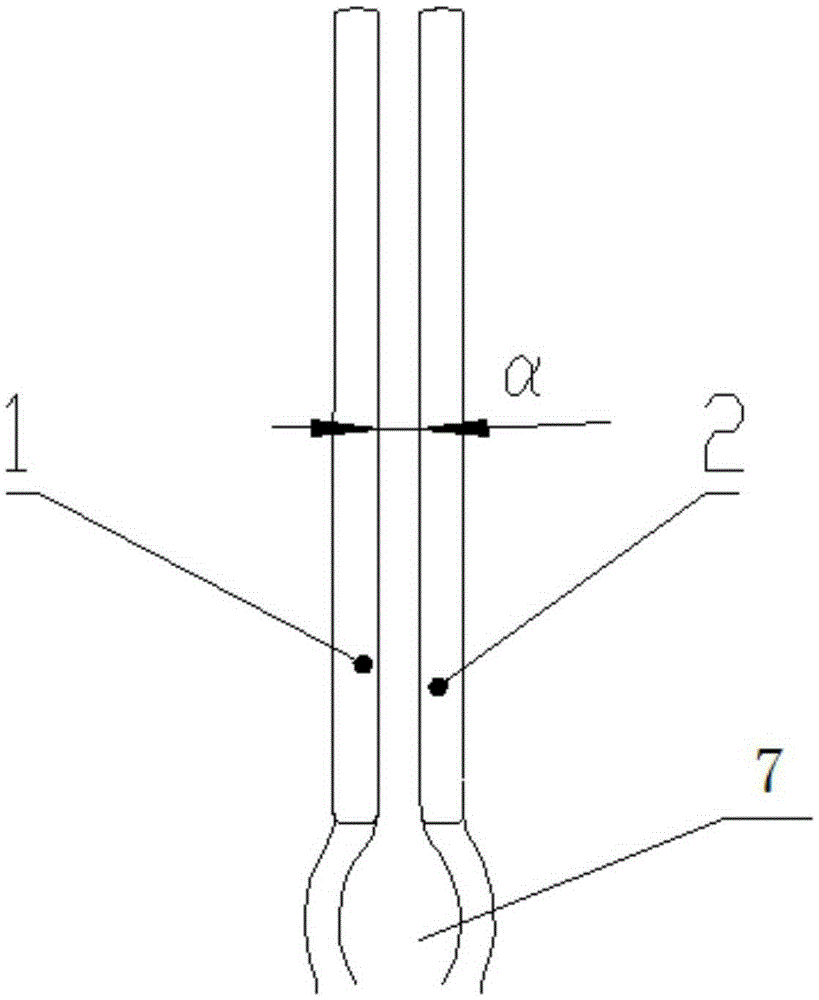
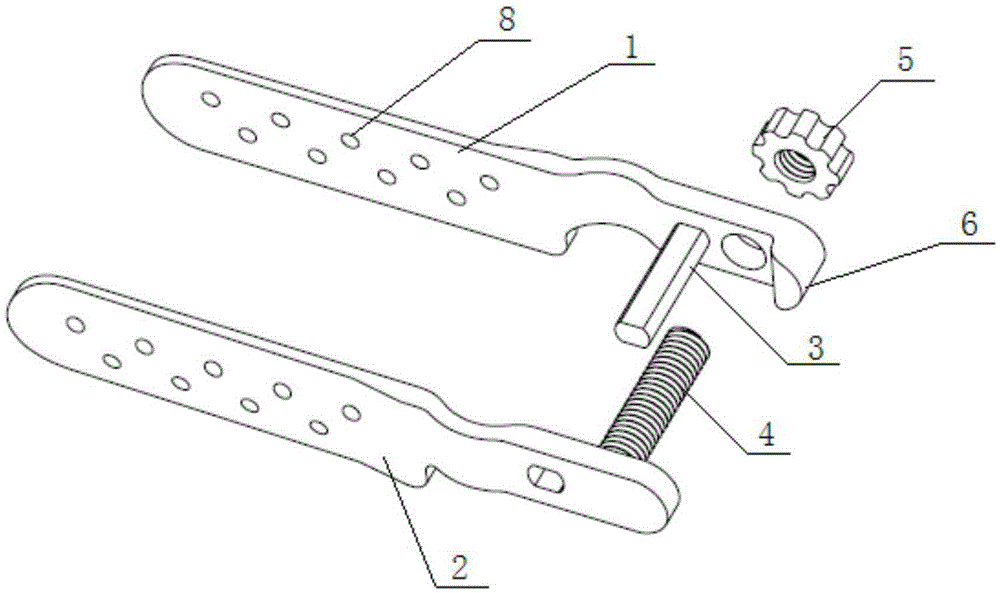
The invention discloses a nasal septum retainer. The nasal septum retainer comprises a first blade (2), a second blade (1) corresponding to the first blade (2), a locking screw (4) arranged at the tail of the first blade (2), a positioning column (3) arranged at the tail of the second blade (1), a pressing table (6) formed integrally with the second blade (1) and a locking nut (5) used for locking the locking screw (4); the pressing table (6) is located at the inner side of the bottom end of the second blade (1), and a positioning hole and a locking hole are formed in the tail of the first blade (2) and the tail of the second blade (1) respectively and are used for inserting the positioning column (3) and the locking screw (4); the middle of the first blade (2) and the middle of the second blade (1) protrude outwards to form a nasal trabecula protecting region (7), and the included angle between the inner surface of the first blade (2) and the inner surface of the second blade (1) is 0.5-3 degrees. The nasal septum retainer can meet the requirements that nasal cavity bleeding is stopped reliably, a good ventilation effect is created, the foreign body sensation in the nasal cavity of a patient is reduced, and bleeding of the Little area of the nasal septum is effectively stopped.
Need to check novelty before this filing date? Find Prior Art

Description

technical field

[0001] The invention relates to a device for pressurizing hemostasis after nasal surgery, in particular to a nasal septum retainer. Background technique

[0002] Epistaxis is a common clinical disease that can occur in children, adults, and the elderly. Because there are rich blood vessels in the Lai's area in front of the nasal septum, about 80% of nasal bleeding occurs in this area. At present, the main treatment method for nasal cavity bleeding in the family is to use stuffing such as cotton balls to stuff the nasal cavity to stop bleeding, while the nasal cavity bleeding caused during the operation needs to use swelling sponges to stop bleeding. However, whether it is a cotton ball or an inflatable sponge, it will inevitably seriously affect the normal breathing of the patient, and because the huge stuffing is left in the nasal cavity, it will cause headaches, nausea, and loss of appetite in the patient, delaying the patient's recovery. Recovery time af...

Examples

Embodiment Construction

[0018] In order to make the technical means, creative features, goals and effects achieved by the present invention easy to understand, the present invention will be further described below in conjunction with specific embodiments.

[0019] see figure 1 and figure 2 , A nasal septum retainer of the present invention includes a first blade 2, a second blade 1, a pressurized platform 6, a positioning column 3, a locking screw 4 and a locking nut 5.

[0020] The first vane 2 and the second vane 1 are elongated sheet-like structures, and each of the heads of the first vane 2 and the second vane 1 has a plurality of small holes distributed in a staggered manner. The locking screw 4 is mounted on the tail of the first blade 2 , and the locking screw 4 can also be integrally formed with the first blade 2 according to different molding processes. The positioning column 3 is installed at the tail of the second blade 1 , and the positioning column 3 can also be integrally formed with...