
Method for preparing non-noble metal molybdenum carbide catalyst by cold plasma
A precious metal molybdenum carbide, cold plasma technology, applied in physical/chemical process catalysts, non-metallic elements, chemical instruments and methods, etc., can solve the problems of agglomeration of molybdenum carbide materials, complex preparation process, difficult to control, etc., to achieve crystal perfection , the operation process is simple, the effect of low price
Patent Information
- Authority / Receiving Office
- CN · China
- Patent Type
- Patents(China)
- Current Assignee / Owner
- Publication Date
- 2019-03-08
Smart Images
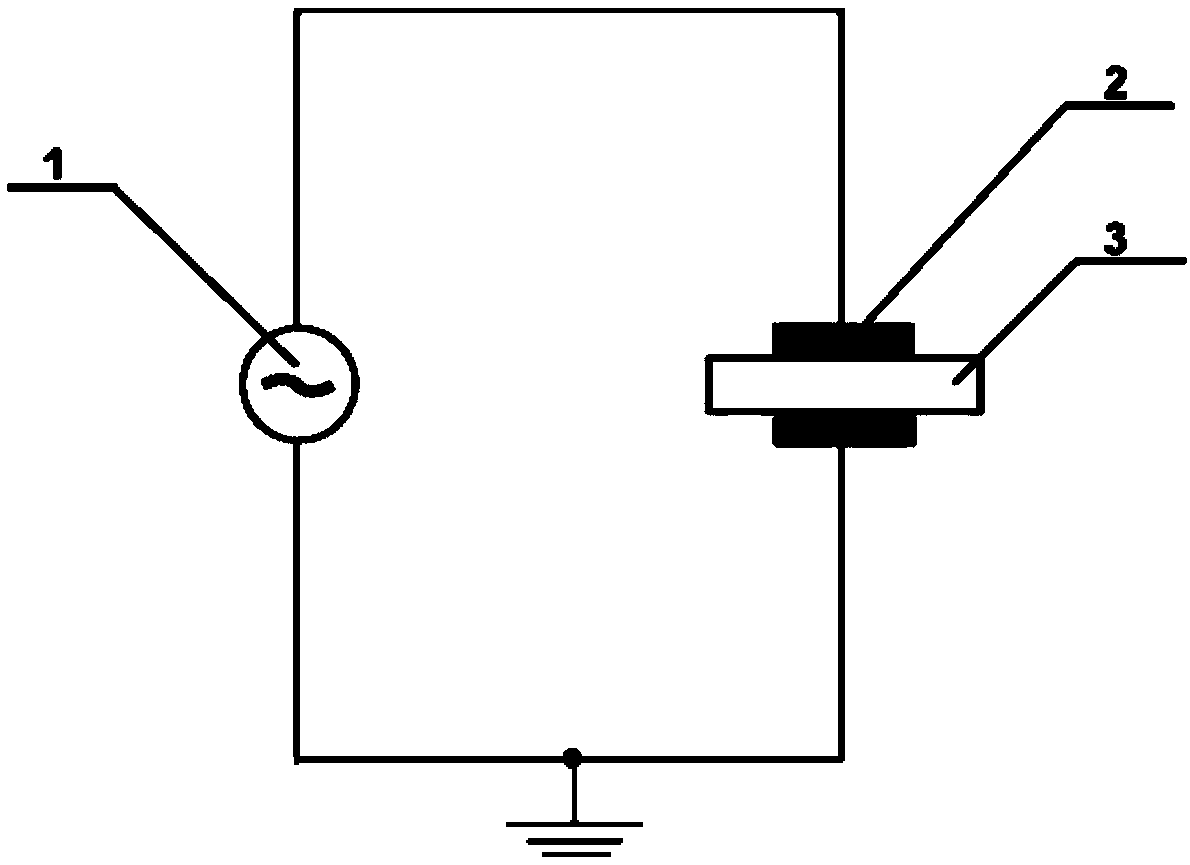
Figure 1 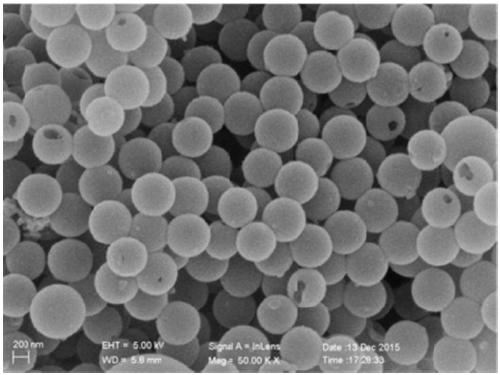
Figure 2 
Figure 3
Abstract
Description
technical field
[0001] The invention belongs to the technical field of catalyst preparation, in particular to a method for preparing a non-noble metal molybdenum carbide catalyst. Background technique
[0002] Noble metal-based catalysts, such as gold (Au), platinum (Pt), and palladium (Pd), are widely used in photocatalytic water splitting, photocatalytic CO 2 Reduction, methane CO 2 Reforming, methane steam reforming, CO methanation, etc. These noble metal-based catalysts exhibit high catalytic activity, but are not suitable for large-scale industrial applications due to their high cost and resource shortage. In recent years, non-noble metal molybdenum carbide (Mo 2 C) Catalysts in photocatalytic water splitting, photocatalytic CO 2 Reduction, methane CO 2 Reforming, methane steam reforming, CO methanation and other processes have shown good application prospects. It has activity and stability comparable to noble metals, and its low price and abundant sources make it...
Examples
Embodiment 1
[0026] Weigh 46mg of ammonium molybdate, 0.5g of glucose and 90mg of polystyrene balls in 40mL of deionized water, mix them evenly and fully dissolve, add the obtained clear solution into a 50mL polytetrafluoroethylene reactor, and place the reactor in Hydrothermal reaction in an oven at 180°C for 12 hours, then naturally cooled to room temperature, and the product was centrifuged, washed and dried to obtain the precursor;
[0027] Put the precursor into an open quartz boat, and place the quartz boat between the two electrodes in the cold plasma processing equipment; fill the cold plasma processing equipment with argon as an initiating gas, and place the A voltage of 500V is applied between them and treated for 10 minutes to obtain a non-noble metal molybdenum carbide catalyst.
[0028] figure 2 and image 3 They are scanning electron micrographs and X-ray diffraction spectra of the product, respectively. from figure 2 It can be seen that the molybdenum carbide catalyst ...
Embodiment 2
[0031] Weigh 46mg of ammonium molybdate, 0.5g of glucose and 90mg of polystyrene balls in 40mL of deionized water, mix them evenly and fully dissolve, add the obtained clear solution into a 50mL polytetrafluoroethylene reactor, and place the reactor in Hydrothermal reaction was carried out in an oven at 180°C for 12 hours, then naturally cooled to room temperature, and the product was centrifuged, washed and dried to obtain a precursor.
[0032] Put the precursor into an open quartz boat, and place the quartz boat between the two electrodes in the cold plasma processing equipment; fill the cold plasma processing equipment with argon as an initiating gas, and place the A voltage of 1000V was applied between them, and the non-noble metal molybdenum carbide catalyst was prepared after treatment for 20 minutes.
[0033] The morphology of the samples obtained in this example is similar to that of Example 1, with uniform particle size, good dispersion and perfect crystals.
[0034]...
Embodiment 3
[0036] Weigh 46mg of ammonium molybdate, 0.5g of glucose and 90mg of polystyrene balls in 40mL of deionized water, mix them evenly and fully dissolve, add the obtained clear solution into a 50mL polytetrafluoroethylene reactor, and place the reactor in Hydrothermal reaction was carried out in an oven at 180°C for 12 hours, then naturally cooled to room temperature, and the product was centrifuged, washed and dried to obtain a precursor.
[0037] Put the precursor into an open quartz boat, and place the quartz boat between the two electrodes in the cold plasma processing equipment; fill the cold plasma processing equipment with argon as an initiating gas, and place the A voltage of 1000V was applied between them, and the non-noble metal molybdenum carbide catalyst was prepared after treatment for 30 minutes.
[0038] The morphology of the samples obtained in this example is similar to that of Example 1, with uniform particle size, good dispersion and perfect crystals.
[0039]...