
Application of ITPP in preparing medicines for preventing and/or treating ischemia-hypoxic injury and lung injury
A technology for hypoxic injury and lung injury, applied in the field of biomedicine, can solve problems such as undiscovered
Patent Information
- Authority / Receiving Office
- CN · China
- Current Assignee / Owner
- Publication Date
- 2020-09-29
- Estimated Expiration
- Not applicable · inactive patent
Smart Images
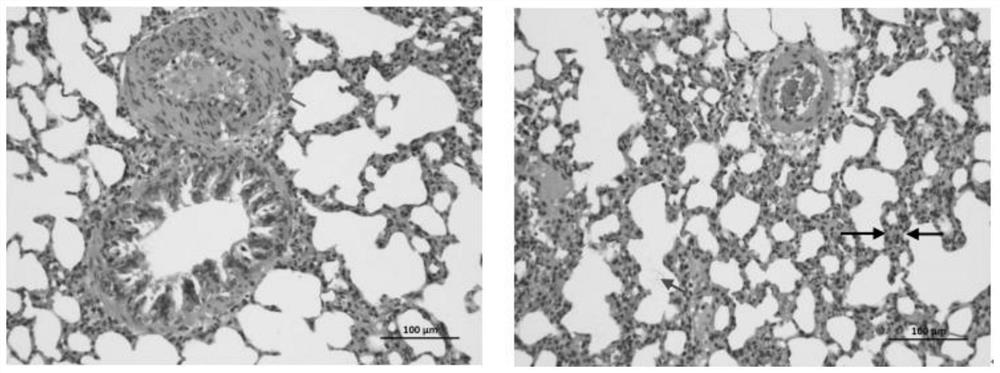
Figure 1 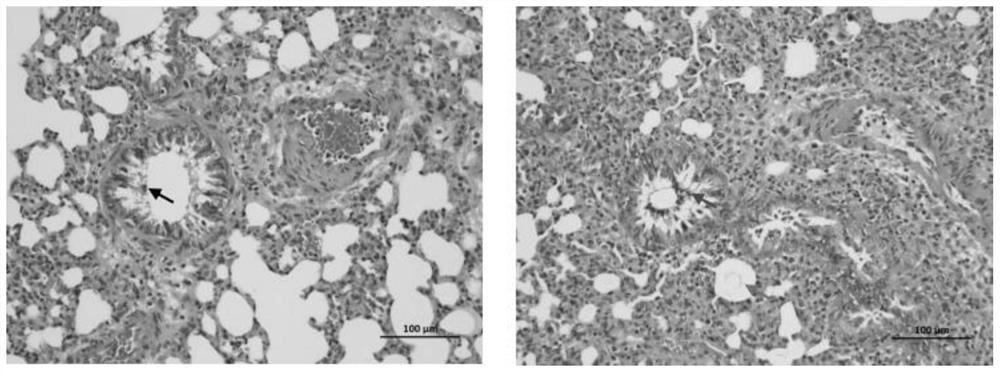
Figure 2 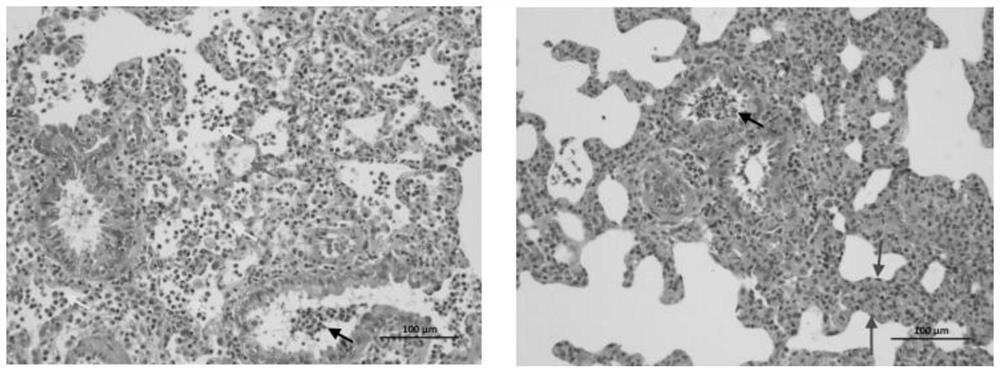
Figure 3
Abstract
Description
Technical field
[0001] The invention belongs to the technical field of biomedicine, and specifically relates to the application of ITPP in the preparation of medicines for preventing and / or treating ischemic and hypoxic injury and lung injury. Background technique
[0002] People rely on oxygen to survive. Oxygen is inhaled from the lungs and enters the blood through the capillaries, where it is transmitted to various organs or cells in the body. The higher the oxygen content in the blood, the better the human metabolism. Too low blood oxygen will cause insufficient oxygen supply to the body, which will cause organ damage.
[0003] COVID-19 and the symptoms of lung atrophy and fibrosis caused by it can cause breathing difficulties, which may eventually lead to death. At present, the treatment of COVID-19 is still in the preliminary research stage, and the medical problems caused by COVID-19 are very urgent.
[0004] Myo-inositol trispyrophosphate (ITPP) is a compound that has ente...
Examples
preparation example Construction
[0025] The present invention provides a medicine for preventing and / or treating ischemia-hypoxic injury or lung injury. The medicine includes ITPP and excipients. In the present invention, the type and amount of the auxiliary materials are not particularly limited, and they can be added according to the requirements of different dosage forms. In the present invention, the dosage form of the drug includes a drug for injection or a drug for oral administration, more preferably a drug for oral administration, and more preferably an oral aqueous solution. In the present invention, the ITPP is preferably synthesized with reference to the synthesis method described in the document "LFJOHNSON, METATE, CANADIAN JOURNAL OF CHEMISTRY. VOL. 47, 1969", and the raw materials required for the synthesis preferably include: anhydrous chlorination Calcium (AR), w≥96%, Xilong Science Co., Ltd.; Pyridine (AR), w≥99.5%, Guangzhou Chemical Reagent Factory; Sodium Phytate (AR), w≥98%, Shanghai Yuany...
Embodiment 1
[0030] (1) Experimental animals and breeding conditions
[0031] ①Experimental animals
[0032] Grade and strain: SPF grade KM mice;
[0033] Animal management: Animals are kept and managed by personnel who have obtained the qualification of laboratory animal management;
[0034] Age, number and sex at the time of purchase: SPF grade KM mice, 18-22g, 18 males;
[0035] Breeding unit: Guangdong Medical Laboratory Animal Center;
[0036] The laboratory animal certificate number is: 44007200073676;
[0037] Quarantine process: Animal quarantine observation, observing the animal's physical signs, behavior, fecal traits, weight, diet and other indicators;
[0038] Animal identification method: Marker on the tail;
[0039] In the cage marking method, the completed label card (indicating the experiment name, the person in charge of the topic, the animal species, gender, number, group, feeding start date, etc.) is hung on the front of the squirrel cage.
[0040] ② Feeding conditions
[0041] Feeding ...
Embodiment 2
[0100] (1) Experimental animals and breeding conditions
[0101] ①Experimental animals
[0102] Basic information: SPF grade SD rats, 220~250g, 50 males;
[0103] Breeding unit: Experimental Animal Center, School of Pharmacy, Sun Yat-sen University;
[0104] The laboratory animal certificate number is: 44007200074723;
[0105] ② Feeding conditions
[0106] Feeding room: SPF-level barrier environment animal room of the Experimental Animal Center of Sun Yat-sen University;
[0107] Laboratory animal use license number: SYXK (Guangdong) 2010-0102;
[0108] Temperature: 20~25℃;
[0109] Humidity: 50%~70%;
[0110] Ventilation times: more than 10 times / hour;
[0111] Stocking density: 5 animals / cage / group;
[0112] Lighting time: 12 hours (lights on at 7:00 am to lights off at 7:00 pm).
[0113] (2) Main instruments and reagents
[0114] ①Main instrument
[0115] EMKA-WBP-4A small animal lung function testing system: German EMKA company;
[0116] Animal pulse oximeter: Shanghai Yuyan Scientific Instrum...